 AI image
Deliveries to Norway are export outside the EU customs union, even though the country belongs to the European Economic Area. That means an EU export declaration, import clearance in Norway and charges depending on the type of goods. Proximity and the EEA do not remove the customs border, so documents and planning matter.
What does it mean in practice?
- A full customs procedure on both sides, unlike within the EU.
- Transit time grows with clearance and a crossing, if one is involved.
- Cost includes any import charges and customs clearance.
- For sales to consumers, VOEC may matter.
The most common misunderstandings
Clients sometimes assume that because Norway is close and in the EEA, delivery will be like within the EU. In fact it is export, with documents and clearance. Better to know this early and prepare the full set of documents than to stop the goods at the border. For sales to consumers it is worth checking the VOEC scheme: according to the Norwegian Tax Administration (Skatteetaten), it covers goods valued at up to NOK 3,000, counted per single item. The exact charges depend on the goods, so we confirm them individually.
How do we work?
We run transport and customs to Norway as part of European coverage, with one responsible contact, available 24/7. We settle the documents in advance and say plainly what to prepare.
See transport to Norway, transport to Norway and VOEC and customs clearance.
How to manage T1 transit and border clearance without facing truck delays?
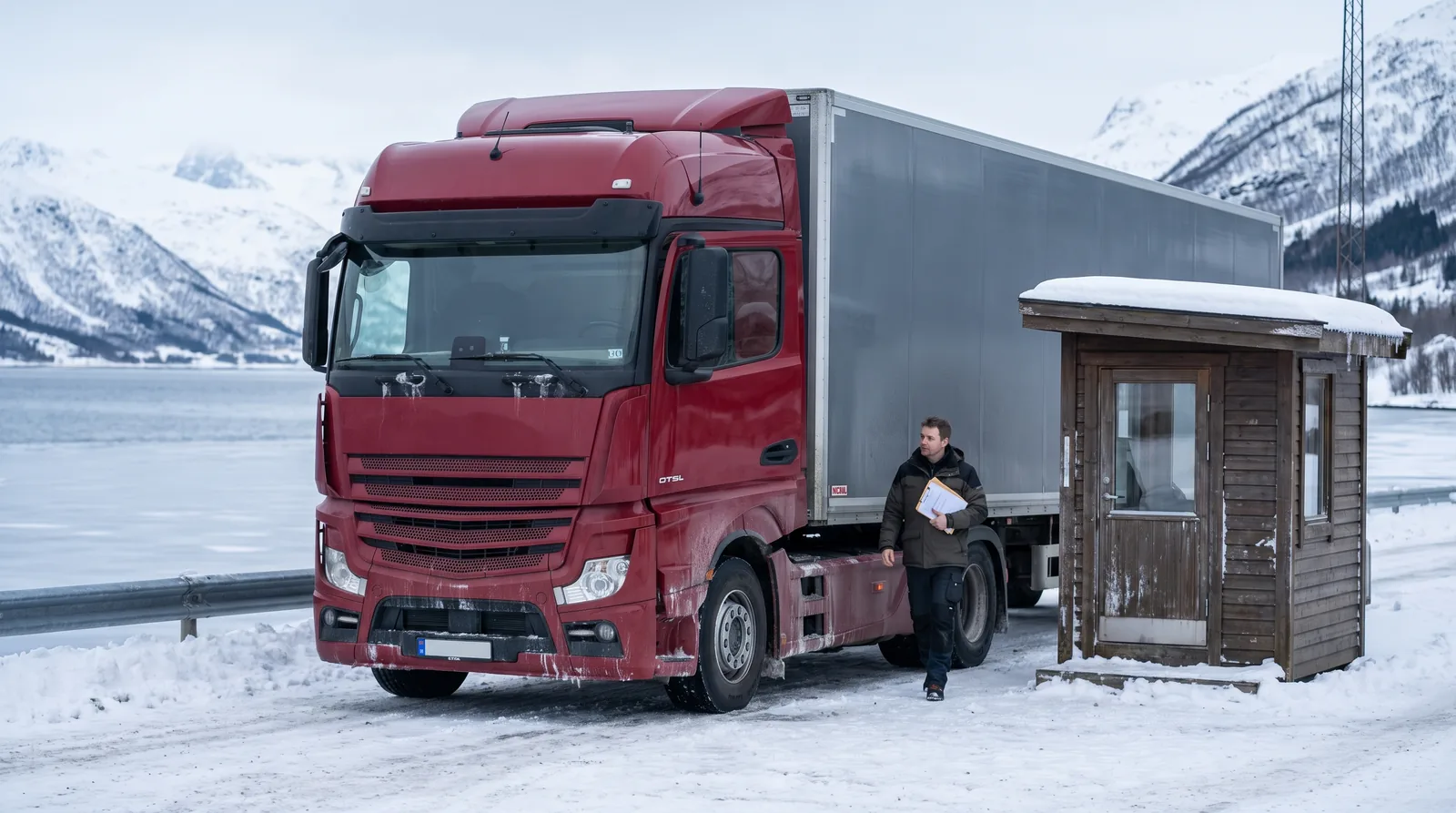
When you dispatch goods to Norway by road, the driver must open a T1 transit procedure at the EU export office and discharge it at the Norwegian border. A standard 13.6-metre trailer holding up to 33 pallets passes through the border checkpoint, where customs officers verify the paperwork against the electronic system. If the T1 transit document contains errors in commodity codes or weight data, the vehicle is directed to a holding area. The average waiting time for manual verification ranges from 4 hours to 2 days, directly causing downtime and missing the delivery window at the destination.
Accurate weight specification is critical for operational compliance. When the gross weight of an individual pallet exceeds 1200 kg, border authorities routinely direct the heavy goods vehicle to a weighbridge. Any discrepancy greater than 3% between the declared mass on the export document and the scale reading leads to an immediate hold on customs clearance and requires formal amendment of the declaration.
- The T1 transit declaration must be presented for discharge within 24 hours of entering the destination country.
- Zero-rate VAT treatment applies only if you receive official confirmation of export (IE599 exit note) within 60 days of clearance.
- The customs broker in Norway requires the full set of shipping invoices at least 3 hours prior to the vehicle's arrival at the border crossing.
These T1 transit rules do not apply when you ship goods via direct sea freight with final import clearance handled directly at the destination port, or when transporting under a TIR Carnet. In those scenarios, clearance follows a separate framework and the driver bypasses the standard land border transit procedure.
Step by step
- Document preparation. Prepare commercial invoices, packing lists and transport paperwork.
- EU export clearance. Submit the export declaration before leaving the European Union customs area.
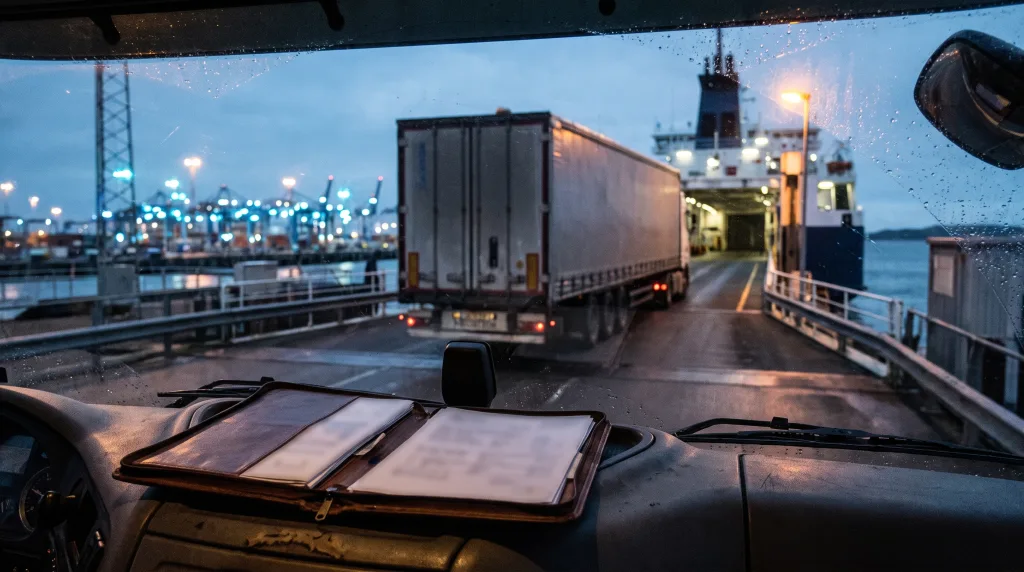
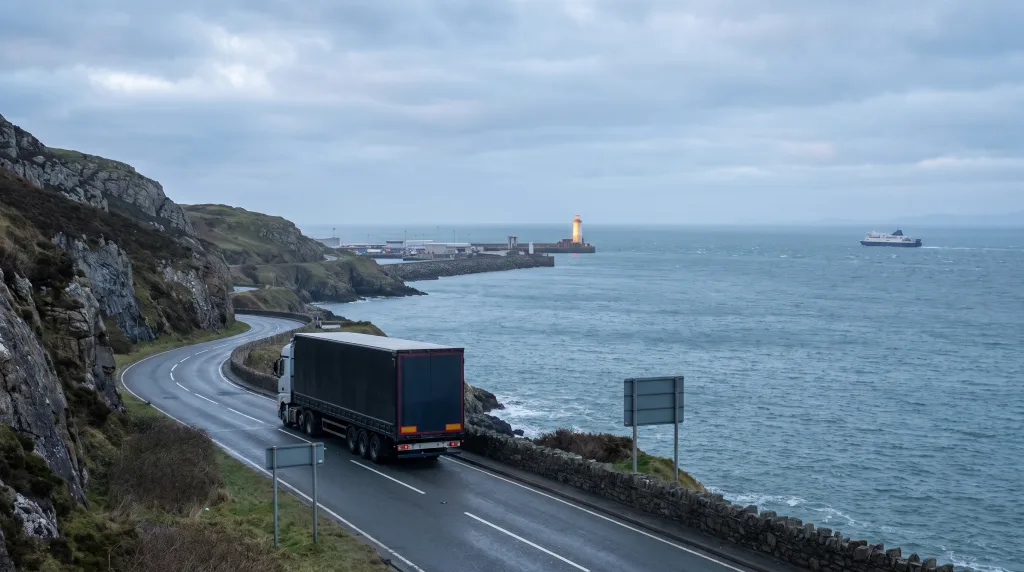
- Transport planning. Coordinate road carriage and any required ferry crossing to Norway.
- Import clearance. Present documentation to Norwegian customs to settle duties and taxes.
- Final delivery. Transport the cleared shipment to its destination address.
Definitions
- EEA (European Economic Area): An agreement joining EU countries with Norway, Iceland and Liechtenstein in a single market without forming a customs union.
- EU Customs Union: A borderless customs territory to which Norway does not belong.
- Export declaration: A formal customs statement required when exporting goods outside the EU.
- VOEC (VAT On E-Commerce): A Norwegian scheme for simplified VAT reporting on consumer sales.
When does this rule not apply?
This rule does not apply to shipments carried out entirely within the customs borders of the European Union.
The OTSL role
OTSL organises international transport between EU and non-EU countries. For smaller shipments, check our groupage transport options. For more information, read our guide on transport to Norway, clearance and VOEC.