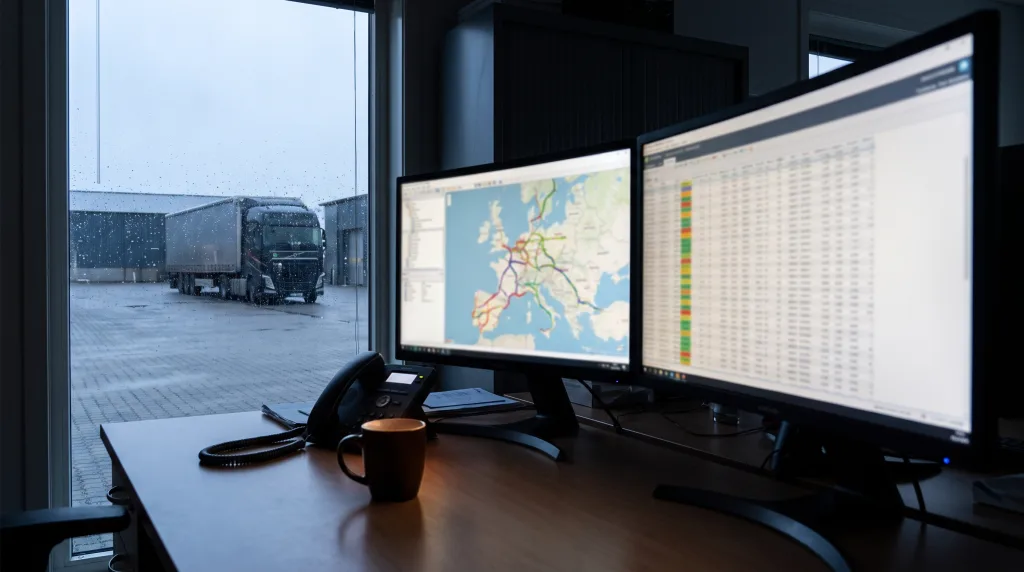
Customs clearance for import and export AI image

Customs

Customs clearance for import and export

Full customs handling built into the transport plan, not a separate hurdle at the very end.

How does OTSL handle customs clearance?

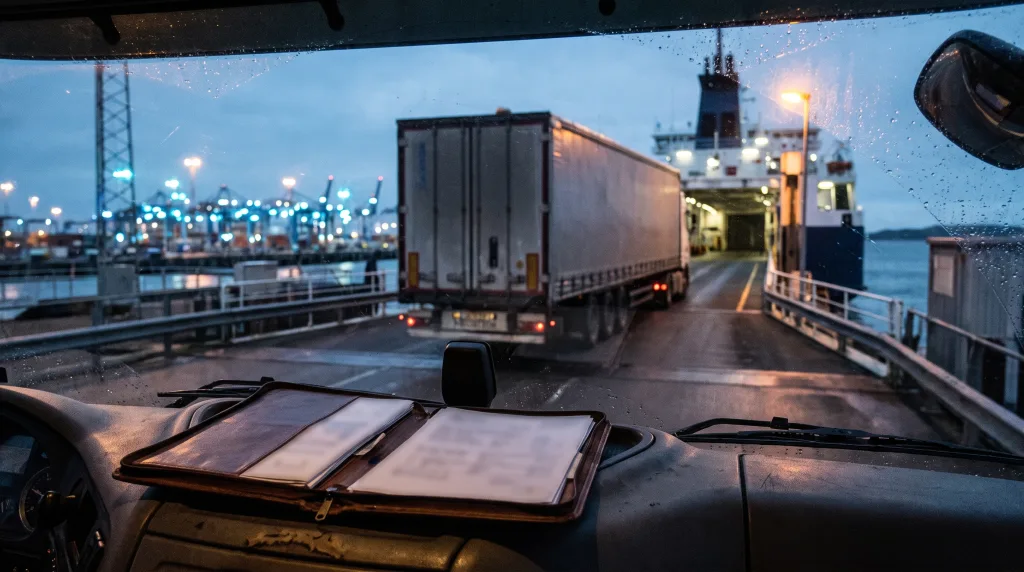
OTSL provides full customs handling as part of the transport plan. We have our own customs agencies in Poland and the United Kingdom. We prepare and supervise documents (T1, EX/EAD, EUR.1, certificates of origin), handle GB/EU/CH/NO clearance, ELO/ENS readiness for UK flows, plus regime 42 and ATA carnets.

Customs

What a clearance looks like, step by step

Exportmoving goods out of the EU
E1

Data and classification

Invoice, HS codes, value, Incoterms.

E2

Export declaration

EX/EAD in the customs system, MRN issued.

E3

Release and transport

Exit confirmed, we head for the border.

Importbringing goods into the destination country
I1

Import documents

ENS, consignee data, any licences.

I2

Declaration and charges

Duty and VAT per the destination tariff.

I3

Release for free circulation

Goods admitted, delivery to the consignee.

Why clearance and when

Customs clearance is required when goods cross the EU customs border, on export outside the Union and import from outside it. This covers the United Kingdom after Brexit, as well as Switzerland and Norway, which are outside the EU.

United Kingdom / Brexit, ELO, ENS, GMR

On the GB route you need safety declarations (ENS), ELO readiness and a Goods Movement Reference (GMR) in the GVMS system. As carrier we prepare the GMR, but we cannot create it without the GB import documents supplied by the sender or client. We clearly split who supplies what.

Regime 42

Regime 42 is an EU import clearance with deferred VAT, goods enter free circulation in one EU country while VAT is settled in the destination country. It applies when import is combined with an intra-EU supply.
Customs

Customs documents, what and when

These are example documents. The exact set depends on the lane, the goods and the procedure; we confirm it for each specific shipment.
Document What it is When needed
T1 Transit document for non-EU goods under the transit procedure. When goods move through the EU without import clearance en route.
T2 Transit document for goods with EU status. Transit of EU goods, e.g. through EFTA countries.
EX / EAD Export declaration/document (EAD accompanies the shipment). When exporting goods outside the EU customs territory.
EUR.1 Movement certificate confirming preferential origin. To use customs preferences (e.g. EU-UK under the agreement).
Certificate of origin Certificate of origin (non-preferential). When the import country requires proof of origin.
ATA ATA Carnet, temporary admission without duty or VAT. Goods, equipment, samples returning unchanged.

GVMS · CDS · MRN

Glossary of customs abbreviations

  • CDS, the UK Customs Declaration Service, successor to CHIEF.
  • CHIEF, the earlier UK customs declaration system (being retired).
  • MRN, Movement Reference Number, a unique customs declaration number.
  • GMR, Goods Movement Reference, the UK GVMS movement number the driver uses to cross the border.
  • ERN, Entry Reference Number, a declaration reference number.
  • EAD, Export Accompanying Document.
  • ENS, Entry Summary Declaration, the safety declaration on entry.
  • ELO, Entry in the records / GB import readiness for UK flows.

Clearance to the UK, 5 steps

  1. 01

    Enquiry and documents

    We collect shipment data and the document list; we set who supplies what.

  2. 02

    Export clearance (EU)

    We prepare the export declaration (EX/EAD) and origin documents.

  3. 03

    Safety and GMR

    We file the ENS and prepare the GMR in GVMS based on GB documents.

  4. 04

    Border and crossing

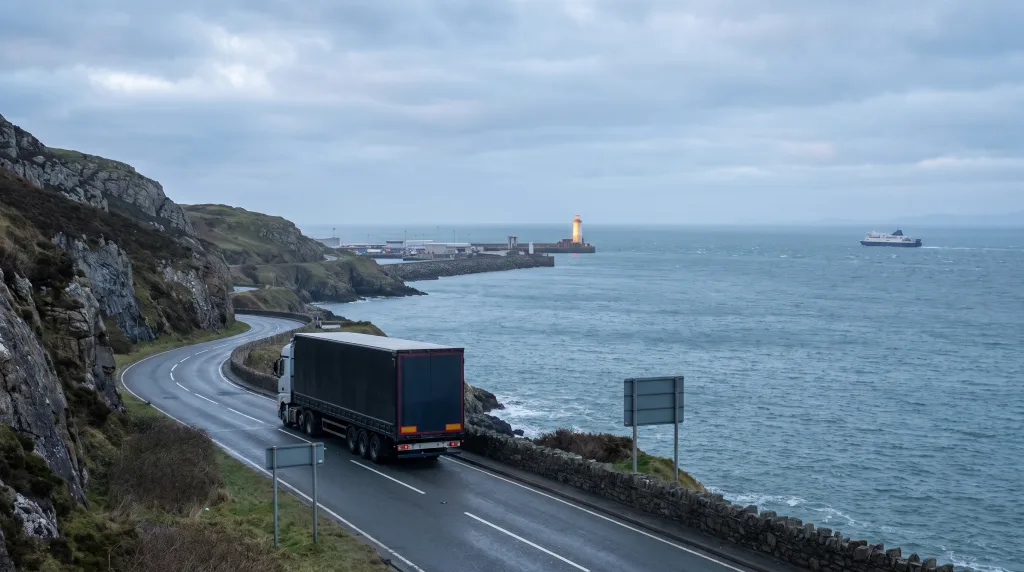
    The driver crosses with the GMR; we coordinate the Dunkirk-Dover crossing.

  5. 05

    Import clearance (GB) and delivery

    We finalise the GB import and deliver, with the UK warehouse if needed.

Why OTSL

Own customs agencies in PL and the UK, experience on the PL-UK route since 2011, and clearance integrated with transport mean one team responsible for cargo and documents, plus advice on how to avoid costly mistakes.

Frequently asked questions

How do you clear customs to the UK?
You need an EU export declaration (EX/EAD), an ENS safety declaration, GB import documents and a GMR in GVMS. OTSL prepares the GMR as carrier, based on the GB documents provided by the sender/client.
What is the GMR and who creates it?
The GMR (Goods Movement Reference) is the UK GVMS movement number the driver uses to cross the border. The carrier (OTSL) prepares it, but it requires the GB import documents from the sender or client.
What documents are needed to export to the UK?
Usually: a commercial invoice, an export declaration (EX/EAD), EUR.1 or a certificate of origin if preferences apply, an ENS, and GB import documents. The scope depends on the goods and procedure.
What is regime 42?
It is an EU import clearance with deferred VAT, goods enter free circulation in one EU country while VAT is settled in the destination country, when import is combined with an intra-EU supply.
Do you clear goods to Switzerland and Norway?
Yes. Switzerland and Norway are outside the EU, so we run transport together with clearance, including the Passar system (formerly e-dec) on the Swiss side and VOEC handling for Norway where it applies.
How long does clearance take?
It depends on document completeness and the route. With documents prepared correctly, clearance does not hold up transport, which is why we plan it ahead, as part of the job.
How does export clearance differ from import?
Export closes the outbound movement in the country of dispatch and gives an exit confirmation; import releases the goods in the country of entry and settles duty and VAT. Outside the EU you need both.
What is procedure 42?
It is an EU import with deferred VAT: the tax is settled in the country of destination, not at the border of entry. It needs correct documentation and often fiscal representation.

Need transport or customs clearance?

Tell us what you need, a forwarder replies, not an autoresponder. Operations available 24/7.