 AI image
Customs warehousing and temporary admission are special customs procedures. Customs warehousing lets you store non-Union goods (or, in the UK, goods not in free circulation) without paying duty and VAT until they are released for free circulation or re-exported. Temporary admission lets you bring goods in temporarily with total or partial relief from charges, for example exhibits for a trade fair, with an obligation to re-export.
The Polish-language version of this article is the reference one. This is an informational translation.
When do they help?
- Customs warehousing: when you want to bring goods in but pay duty and VAT only when they actually reach the market, or when part of them will go back abroad.
- Temporary admission: for exhibits and stands for a trade fair, equipment for temporary use, samples. The goods come in and go out, without permanent clearance. This connects with exhibition logistics and destinations and ATA carnets.
How do we run it?
Both procedures require authorisation, a guarantee for the charges and strict documentation. We run them within customs clearance integrated with transport and the warehouse, so the goods are under the right supervision at every stage. The scope and conditions are confirmed for the specific case. We do not use shortcuts where the status of the goods decides.
What operational requirements and time limits must you meet during these procedures?
Discharging special customs procedures requires strict adherence to statutory deadlines and specific consignment parameters. Under temporary admission, the standard maximum limit for retaining non-domestic goods within the customs territory is 24 months. If you import equipment for trade fairs, exhibitions, or testing, you must discharge the procedure by re-exporting the goods or placing them under another customs regime before this period expires. Furthermore, the mandatory customs guarantee covers 100% of the potential customs debt, including import duty and VAT, requiring adequate financial security for the entire duration.
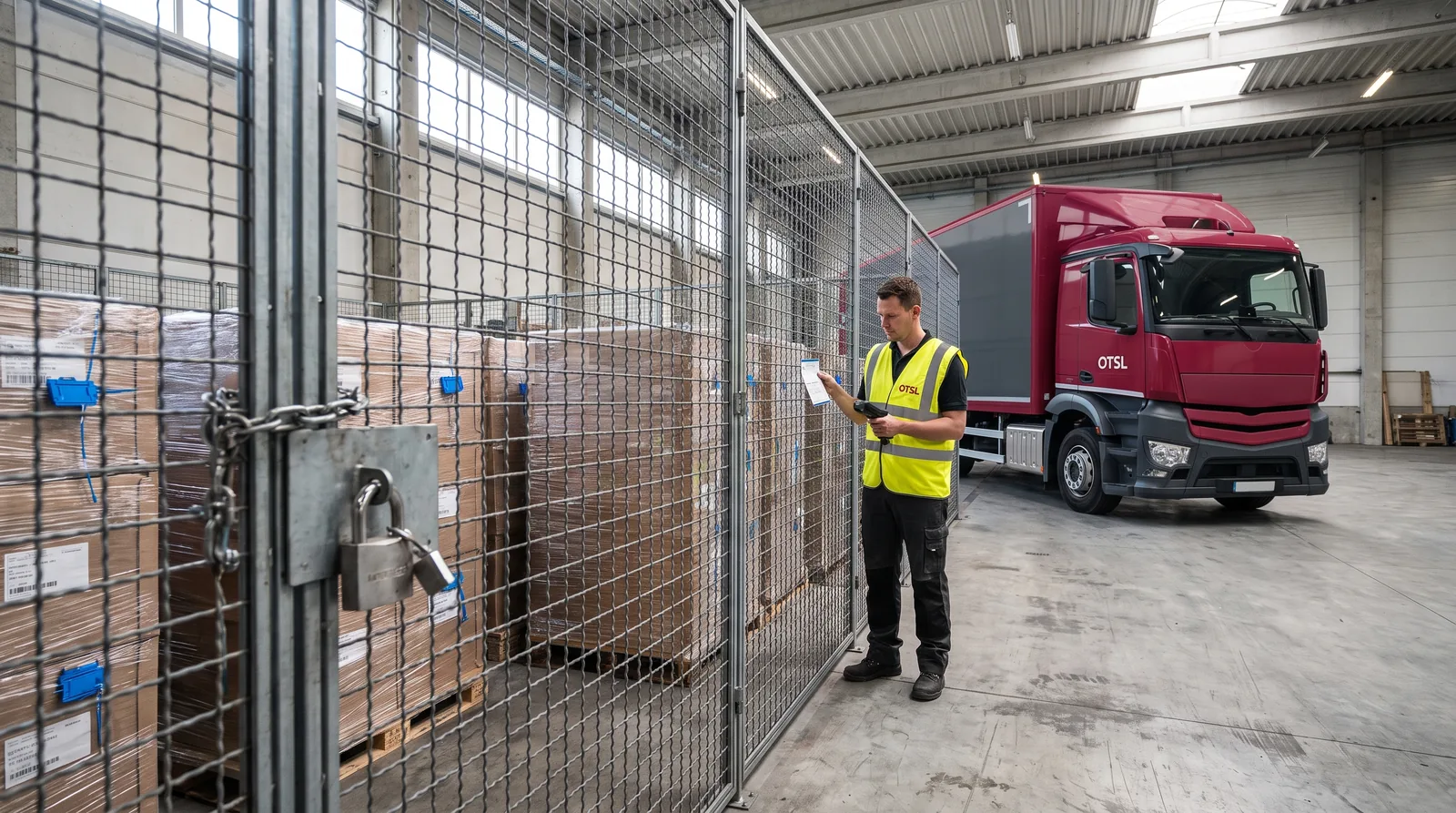
When managing a customs warehouse, accurate stock accounting is mandatory. You must notify the customs office of any stock movement or partial release at least 24 hours prior to loading the goods onto the transport vehicle. Partial clearances are permitted, but the minimum reporting unit for a split entry is typically 1 pallet or 100 kg gross weight, depending on the specifications of the warehouse authorization. As long as the goods remain stored inside the customs warehouse, duties and tax liabilities remain suspended, provided the physical inventory strictly matches the digital stock records.
These operational rules do not apply under the following circumstances:
- When goods brought in under temporary admission undergo manufacturing, processing, or repair – in such cases, you must apply inward processing instead.
- When goods are completely destroyed or irreversibly lost due to force majeure, which requires formal customs verification to write off the tax liability.
- When you exceed the statutory 24 months limit without submitting a formal written application for an extension prior to expiry.
Step by step
- Goods verification. You check whether the goods meet the requirements for customs warehousing or temporary admission.
- Customs declaration. You submit the appropriate customs documentation to the customs office upon arrival.
- Securing guarantees. You arrange the necessary financial security or present documents such as an ATA Carnet.
- Transport and storage. You move the goods to an authorised facility where they remain under customs supervision.
- Procedure discharge. You complete the procedure by releasing goods into free circulation after paying duties or by re-exporting them.
Definitions
- Customs warehouse: A designated location supervised by customs authorities where non-union goods can be stored with deferred payment of duty and taxes.
- Temporary admission: A special customs procedure allowing goods to enter a customs territory with total or partial relief from import duties, subject to re-exportation.
- VAT (Value Added Tax): A consumption tax deferred while goods remain stored under a customs warehousing procedure.
- ATA Carnet (Admission Temporaire/Temporary Admission): An international customs document that facilitates temporary import without paying cash deposits at borders.
When does this rule not apply?
This rule does not apply if goods are consumed without customs authorization, damaged beyond recovery, or fail to be re-exported within the specified deadline.
The OTSL role
OTSL coordinates international logistics and guides businesses through cross-border documentation. We provide reliable road transport solutions alongside practical advice covered in our article on import from Great Britain to Poland.
Sources
Considering a customs warehouse or temporary import? Describe the goods in the contact form and we will choose the procedure and prepare the clearance.