 AI image
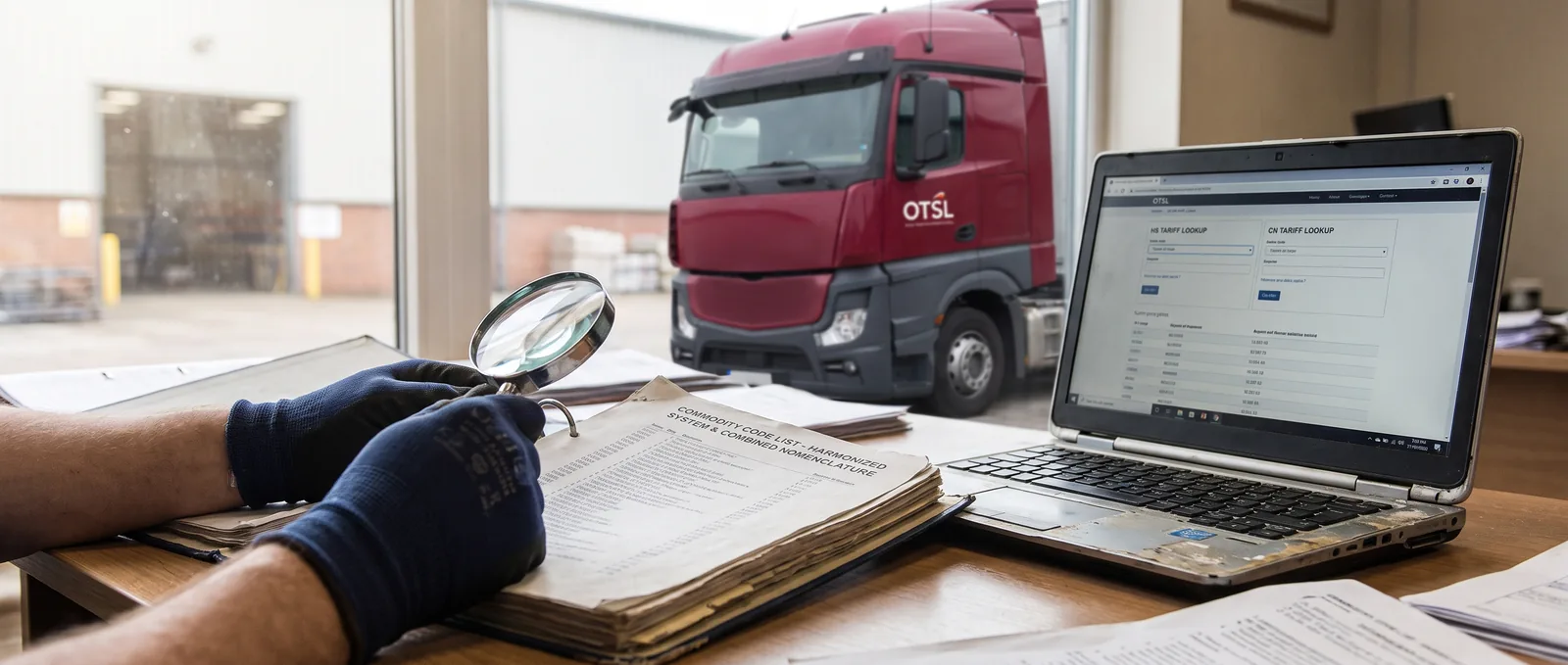
The customs tariff code is the number that classifies goods and determines the duty rate, VAT, required documents and any restrictions. The basis is the 6-digit HS code (the Harmonized System, global), extended to 8 digits in the EU Combined Nomenclature (CN) and to 10 digits in the EU tariff (TARIC) or the UK tariff. Correct classification is the foundation of correct clearance.
The Polish-language version of this article is the reference one. This is an informational translation.
Why does it matter so much?
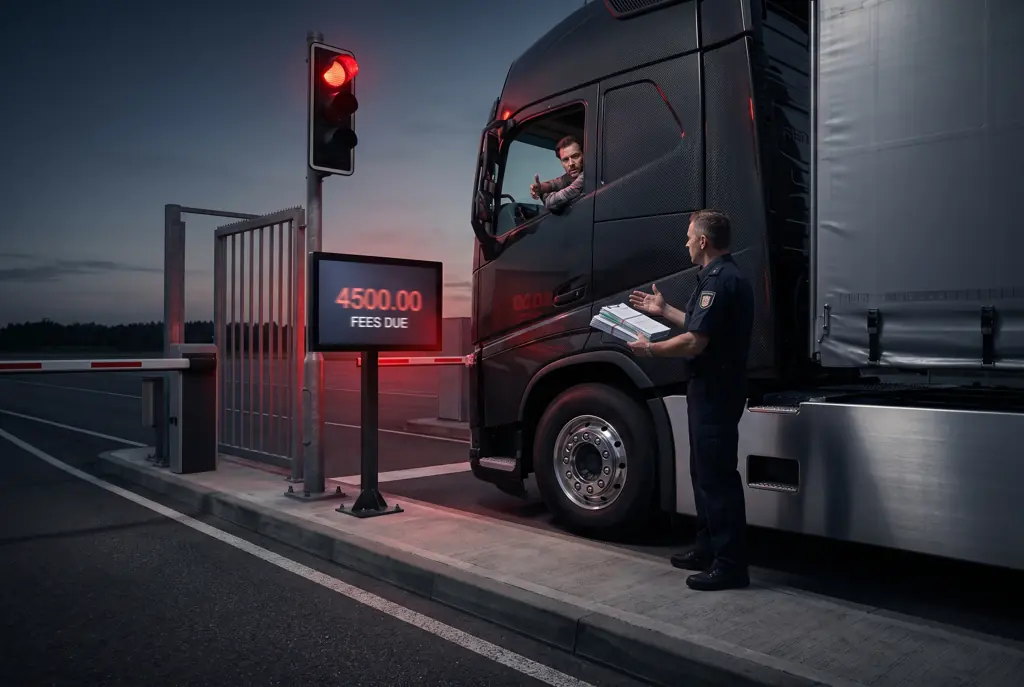
The wrong code means the wrong duty and VAT rate, the risk of extra charges, corrections and the goods being held, and sometimes missing a required licence. A good, specific code goes hand in hand with a specific goods description, because generic terms are also rejected in the security data (see ENS stop words). The code is entered in the declaration, today in the United Kingdom in the CDS system.
How to establish the right code
Classification is based on the type, material and function of the goods, using the official tariff lookup tools. In case of doubt you can apply for binding tariff information. Our customs agencies help select the code and check it against requirements, within customs clearance. We do not guess. Where there is uncertainty we confirm the classification at the source.
What happens when you transport goods with different tariff codes in a single consignment?
When a single groupage shipment weighing over 500 kg contains goods assigned to more than 3 distinct CN codes, the customs broker must create separate line items in the customs declaration. Each additional item line increases the probability of the consignment being selected for document or physical examination by the automated risk assessment system. If customs authorities detect a gross weight discrepancy exceeding 5 percent compared to the declared data during physical or weighbridge checks, the clearance process is halted, extending transit time by an average of 24 hours.
In road freight between Poland and the United Kingdom, submitting a declaration containing more than 10 separate CN codes under a single Customs Declaration Service (CDS) entry requires a fully itemised packing list. If even a single tariff code triggers mandatory sanitary or phytosanitary checks, the entire trailer—which typically carries up to 33 pallets—is detained at the Border Control Post (BCP). Customs will not release the remaining compliant items until the query on the disputed line is resolved, resulting in vehicle downtime ranging from 48 hours to as much as 4 days.
- Net weight discrepancies on a single declaration line must not exceed 20 kg.
- Including goods with unverified commodity codes extends T1 transit document preparation time by at least 3 hours.
- Clearance systems automatically flag declarations where item value variance exceeds 15 percent relative to the summary invoice.
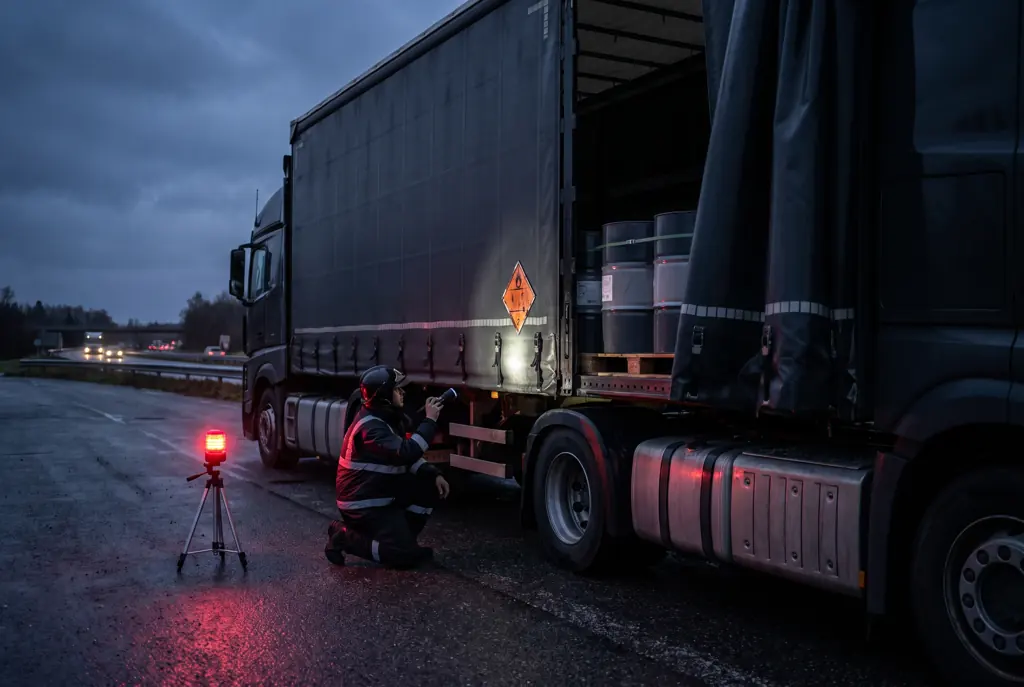
Please note that this grouped tariff classification mechanism DOES NOT apply to excise goods, ADR (the Accord governing international carriage of dangerous goods by road) dangerous goods in volumes exceeding 50 litres, or items subject to tariff quotas. In these scenarios, you must declare every single commodity code individually, regardless of the weight or value of the individual package.
Step by step
- Define the detailed commodity description. Gather technical specifications, composition and intended use of the cargo.
- Search the tariff database. Use official tariff lookup tools to match the appropriate classification digits.
- Check required licences. Verify whether the chosen code triggers additional import restrictions or permits.
- Verify tariff currency. Ensure that the code remains active and valid in the destination country.
- Enter the code into the declaration. Insert the accurate number into shipping documentation and customs filings.
Definitions
- HS (Harmonized System): The international 6-digit Harmonized System created by the World Customs Organization for classifying goods globally.
- CN (Combined Nomenclature): The 8-digit EU Combined Nomenclature used for classifying goods within the European Union.
- TARIC (Tarif Intégré Communautaire): The Integrated Tariff of the European Union providing 10-digit codes with specific duty measures and restrictions.
- ENS (Entry Summary Declaration): The Entry Summary Declaration required for safety and security data prior to goods arriving in a customs territory.
The OTSL role
We review commodity classification details before clearance to avoid border delays. You can read more about selecting partners in our article on wybór agencji celnej ma znaczenie, and for full loads we offer road transport (FTL).
Sources
Not sure of your goods code? Describe the goods in the contact form and we will help with the classification and clearance.