 AI image
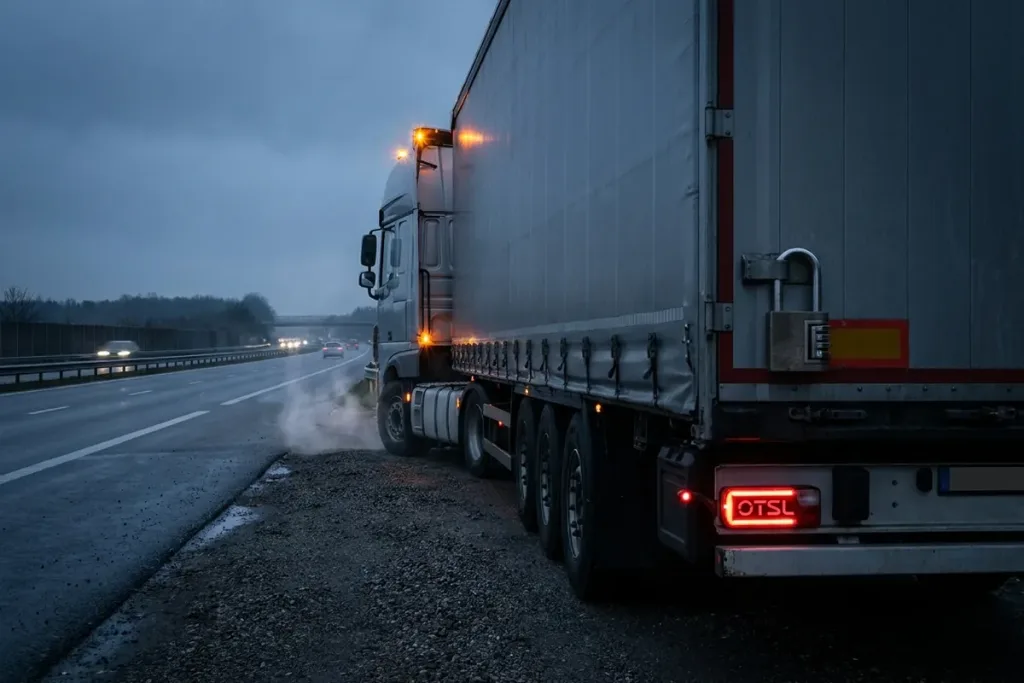
Recovery of cargo stranded abroad means collecting goods that have already stopped en route (because the carrier abandoned them, the vehicle broke down, the driver stopped or got stuck at customs), carrying them to the destination and sorting out the customs and documents. It differs from a plain no-show: here the load is physically in transit and needs a rescue collection from a specific place.
The Polish-language version of this article is the reference one. This is an informational translation.
When a load gets stranded in transit
- The carrier abandoned the job halfway, for example over a payment dispute or the lack of a driver for the onward leg.
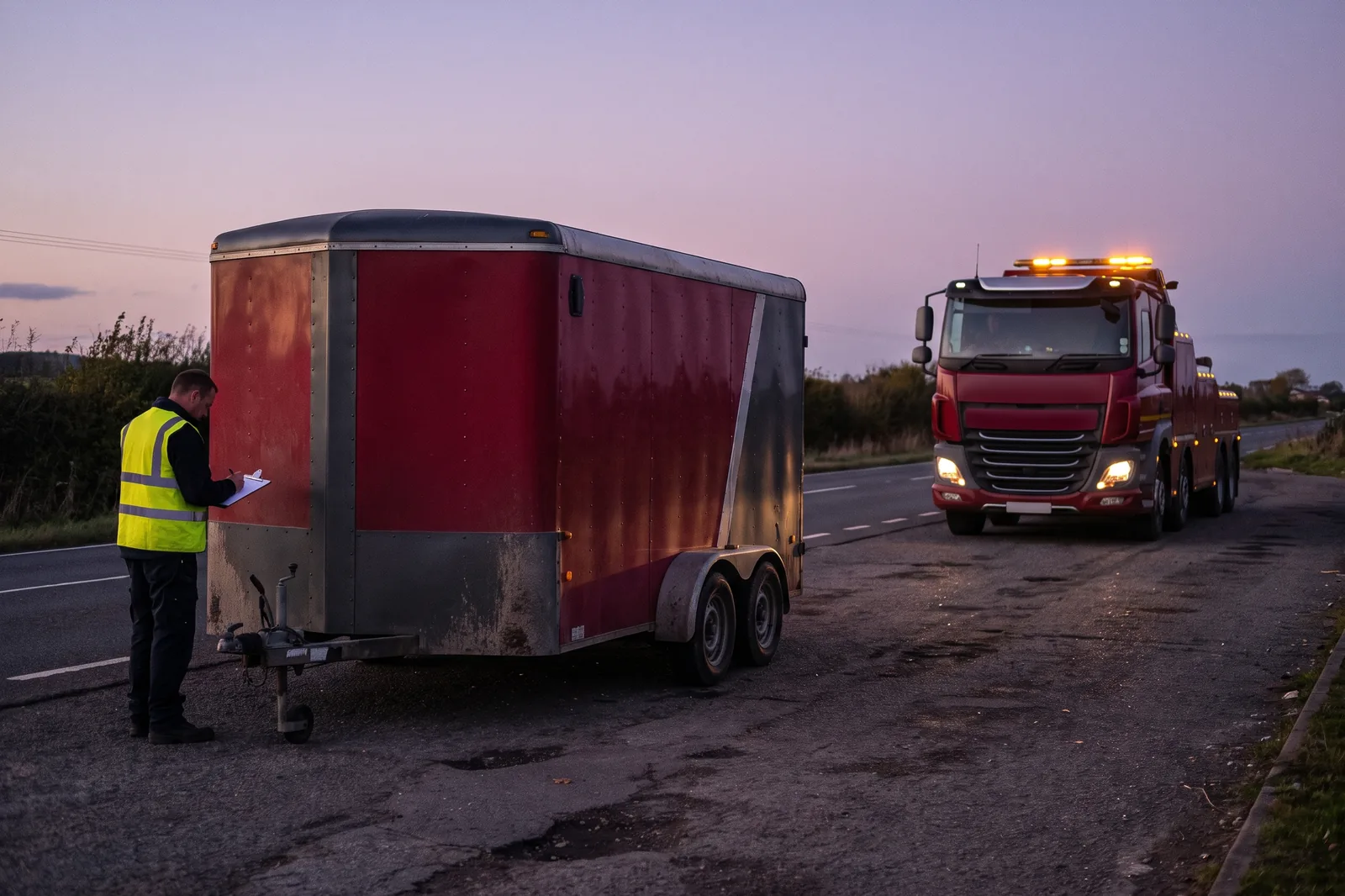
- A vehicle breakdown immobilised the loaded trailer far from the carrier base.
- The driver stopped due to exceeded working time or an unforeseen event and will not move on in time.
- The load got stuck at customs: a missing document, an error in the declaration, goods held for inspection.
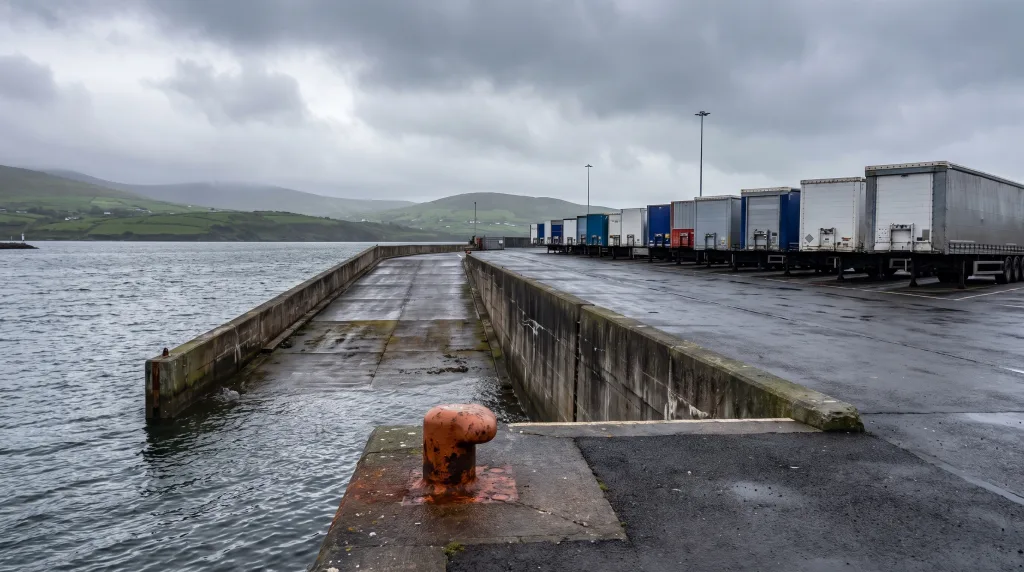
- The trailer sits in a car park abroad and nobody knows who is to collect it and when.
These are situations different from those at the start of a job, which we cover in the article on what to do when the carrier did not show up. Here the load is already moving, so its location, state and safe completion of the route are what matter.
What we do when we take over a stranded load
| Step | What we establish and do |
|---|---|
| Location and access | where the goods physically sit, who has access to them, what state they are in |
| Customs status | whether the load is under transit, awaiting clearance, or held for inspection |
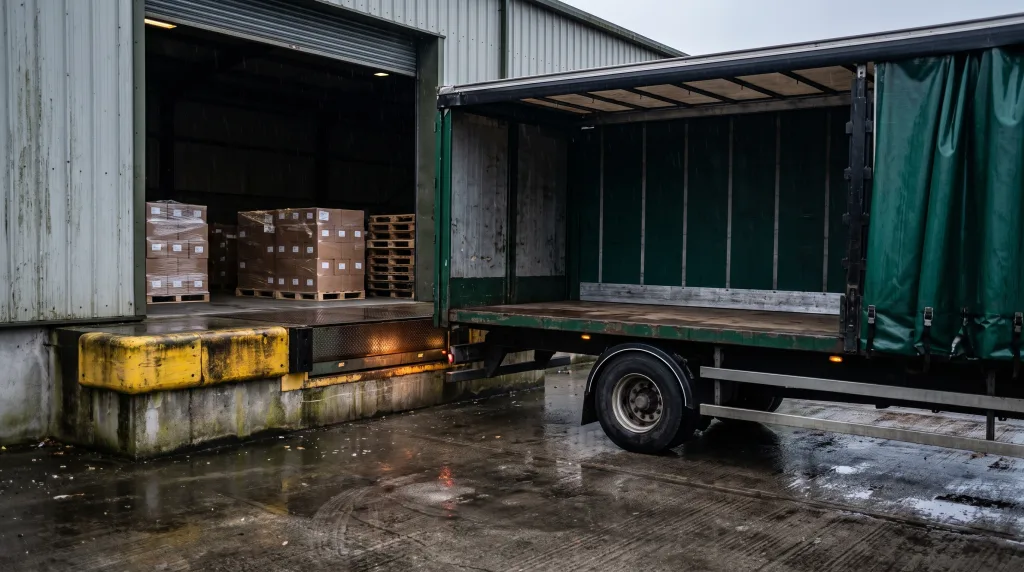
| Collection | bringing a vehicle to the point of standstill and transhipping or taking over the trailer |
| Delivery and documents | delivery to the consignee and sorting out the transport and customs documents |
Customs and documents: a common jam
A load often stops not because of the vehicle but the paperwork: a document is missing, the declaration has an error, the transit procedure did not close. Then collection alone is not enough, the customs matter must be unblocked. We sort out the transport and customs documentation so the goods can lawfully move on. We do not promise that every block can be lifted on the spot, because part depends on the authorities and on gaps on the instructing party side, but we drive the case to a conclusion and say plainly where it stands.
Cargo state and documentation
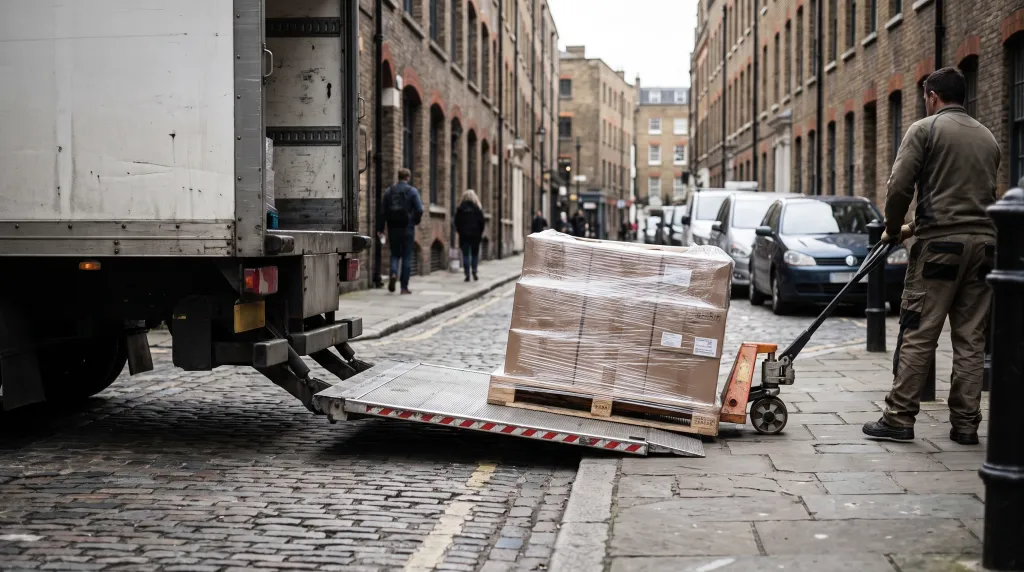
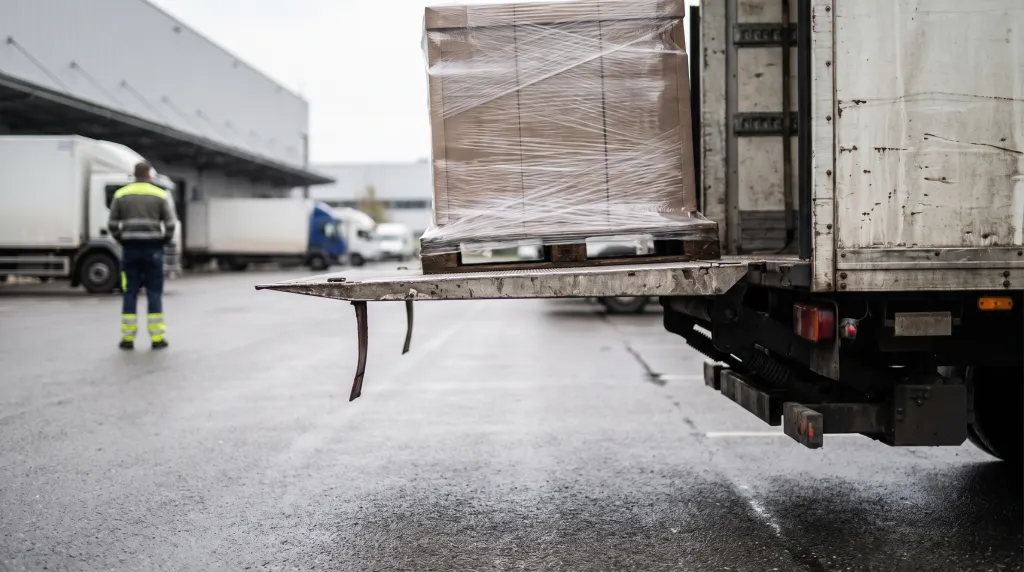
Goods that stood in unknown conditions may have suffered. On takeover we document the state: we photograph, describe packaging damage, check seals. This is material for the consignee to decide on acceptance and for the sender and insurer for a possible claim. If the goods need pallet repair, repacking or inspection, we route them to our Milton Keynes warehouse when the route runs through the United Kingdom.
Why speed is crucial here
An abandoned or stranded load generates cost with every hour: demurrage, the risk of theft from an unguarded car park, penalties for late delivery, and for food a real risk of losing the goods. So we treat such jobs as an emergency takeover, described in the emergency transport takeover service and in the article on what to do when your forwarder let you down. The sooner we move, the smaller the loss.
Honestly about the limits
Not every load can be taken over on the spot. Sometimes matters between the instructing party and the previous carrier must be settled first, consent to release the goods obtained, or a customs decision awaited. We do not skip these steps and do not promise miracles. What we do is take the case on, set a realistic plan and bring the load to the consignee, instead of leaving it in a car park abroad.
What happens when cargo gets stranded en route?
When freight stops unexpectedly during transit, the rescue operation involves locating the goods, checking their legal customs status, organising alternative transport, and safely delivering the load to its target location.
Step by step
- Locate the cargo. You pinpoint the exact place where the vehicle came to a standstill.
- Verify documentation. You assess the customs status and determine the reason for the stoppage.
- Dispatch replacement transport. You select a suitable vehicle matching the freight requirements.
- Execute the transfer. You safely collect the goods and handle transshipment if necessary.
- Complete delivery. You transport the freight to the final destination and settle paperwork.
Definitions
- Cargo recovery: A rescue operation to collect goods stranded en route and deliver them to their destination.
- Customs status: The legal standing of the goods indicating whether border clearance procedures have been completed.
- No-show: A situation where the carrier fails to arrive at the initial loading point.
- Transit recovery: Taking over the management and movement of freight after the journey has already started.
The OTSL role
When your freight is stranded on international routes, we organise rescue collections and ensure continued transit via road transport (FTL). We also coordinate technical verification on-site following the cargo inspection process and report for the insurer.
Sources
- European Commission: the customs transit procedure and its discharge
- GOV.UK: moving goods under transit to the EU and common transit countries
Has your load stopped en route or got stuck abroad? Describe the situation in the contact form and we will establish its location and status, collect the goods and deliver them to the consignee with the customs sorted out.