 AI image
When the carrier fails to provide the vehicle, act on two tracks. Confirm the failure in writing and set a short, realistic deadline. In parallel, look for a replacement vehicle, because every hour brings you closer to a missed delivery window. Collect evidence: correspondence, times, costs incurred. A justified difference in the cost of replacement freight can usually be claimed later from the carrier that failed.
The Polish-language version of this article is the reference one. This is an informational translation.
Hour zero: how to tell the truck is not coming
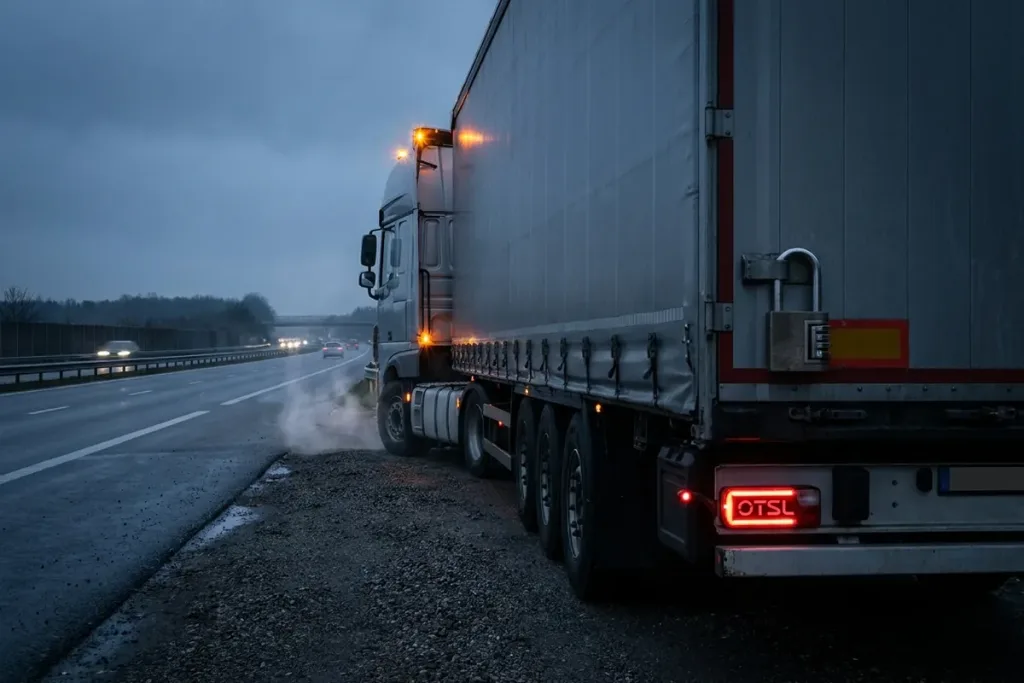
The warning signs usually appear earlier: the driver does not answer the phone, the dispatcher gives evasive answers, and a few hours before loading there is still no vehicle registration number. At that point, do not wait until the end of the day. Send the carrier a message asking for confirmation of the vehicle and state the hour by which you expect a reply. No reply is also a reply.
What to check in the transport order and the liability policy
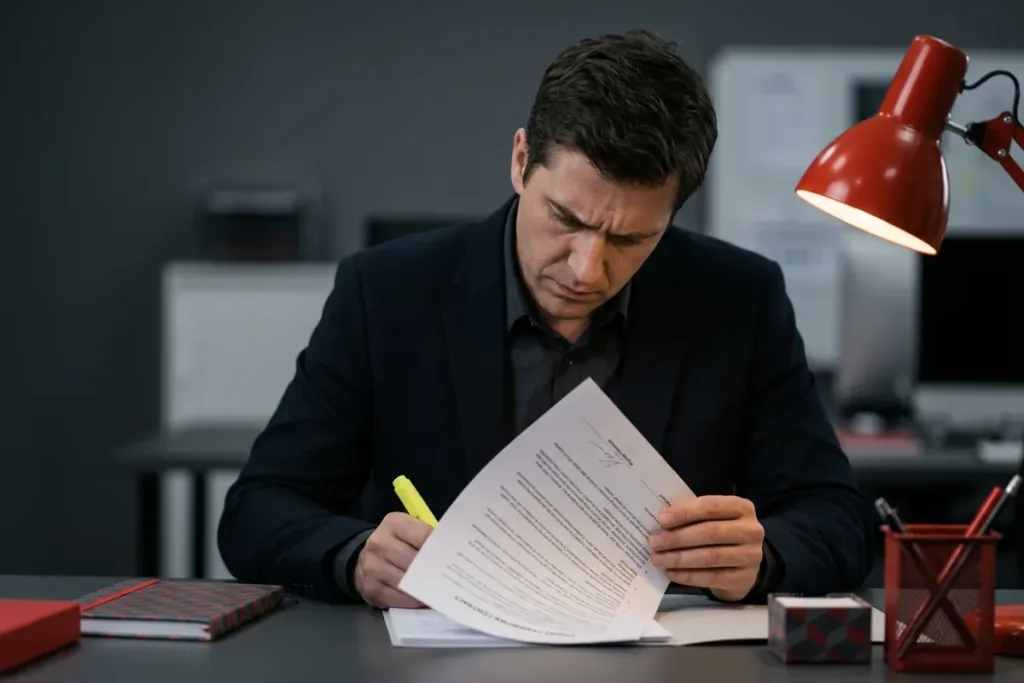
Check three things in the order: the contractual penalty for failing to provide the vehicle or providing it late, the clause on the right to withdraw from the order and book replacement transport at the carrier expense, and the deadline and form in which this must be notified. If the order says nothing, you are not defenceless: general liability rules still apply, but your documentation must be all the more careful.
When to withdraw and order a replacement vehicle
Set the carrier a final deadline and announce that once it passes you will withdraw from the order and book replacement transport at the carrier expense. Such a message does not end the conversation, but it puts the situation in order: from that moment it is the carrier fighting to save the job. Do not postpone the decision until the evening. The market of available vehicles is much shallower in the afternoon than in the morning, and a night-time arrangement is harder to organise.
How does to secure your claim?
- Collect the correspondence: the order, confirmations, messages about the missing vehicle, with times
- Note who informed you of the failure and when
- Keep the offer and the invoice for the replacement freight, the price difference is your loss
- Document indirect costs: transhipment, warehousing, penalties charged by the consignee
- Send the carrier a written demand for payment, with a deadline
What does a standstill really cost?
The stake is bigger than the freight price itself: a stopped production line at the consignee, a lost booking window at the warehouse and the wait for a new one, a wasted ferry reservation on the route to the United Kingdom, a contractual penalty in the commercial contract, and the shaken trust of a client who does not need to know that a subcontractor failed. That is why the first decision is to save the delivery, and only the second is to settle accounts with those responsible.
How does an emergency replacement work?
At OTSL we run emergency transport takeover: we provide a replacement vehicle, take over the documents and customs clearance, and move the most urgent part of the goods by express van. The duty desk runs around the clock. Describe the situation in the contact form and a forwarder will immediately confirm a realistic arrival time.
Step by step
- Identify warning signs. Act immediately if there is no registration number or the dispatcher gives evasive answers.
- Send written confirmation request. Contact the carrier via email and set a short deadline to confirm vehicle positioning.
- Find replacement transport. Look for an alternative vehicle in parallel to prevent missing your delivery window.
- Collect full evidence. Keep all correspondence, timestamps, invoices, and additional costs related to the event.
- Claim the cost difference. Issue a claim to the failing carrier to cover the extra expense of the replacement freight.
Definitions
- OCP (Carrier's Third Party Liability Insurance): Insurance policy protecting the carrier against financial consequences of damages occurred during transport.
- Transport order: Contract specifying carriage conditions, loading requirements, and duties of all involved parties.
- Replacement freight: Emergency transport arranged with another carrier to substitute for a missing vehicle.
- Delivery window: Designated time frame within which cargo must be delivered to the consignee.
- CMR Convention: International treaty governing rights and obligations of parties in road freight transport.
When does this rule not apply?
This rule does not apply when the vehicle non-placement is caused by force majeure or unavoidable events beyond the carrier's control.
The OTSL role
At OTSL, we help manage supply chain disruptions by providing fast emergency options such as express vans. To understand risk liability during transport issues, read our guide on CARGO insurance vs carrier OCP.