 AI image
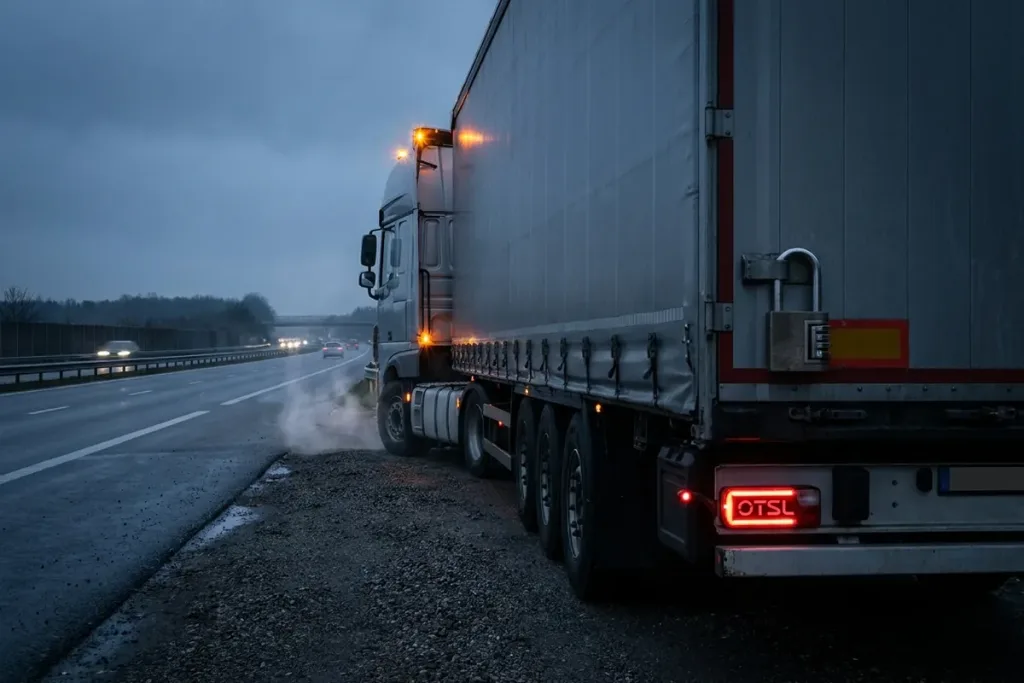
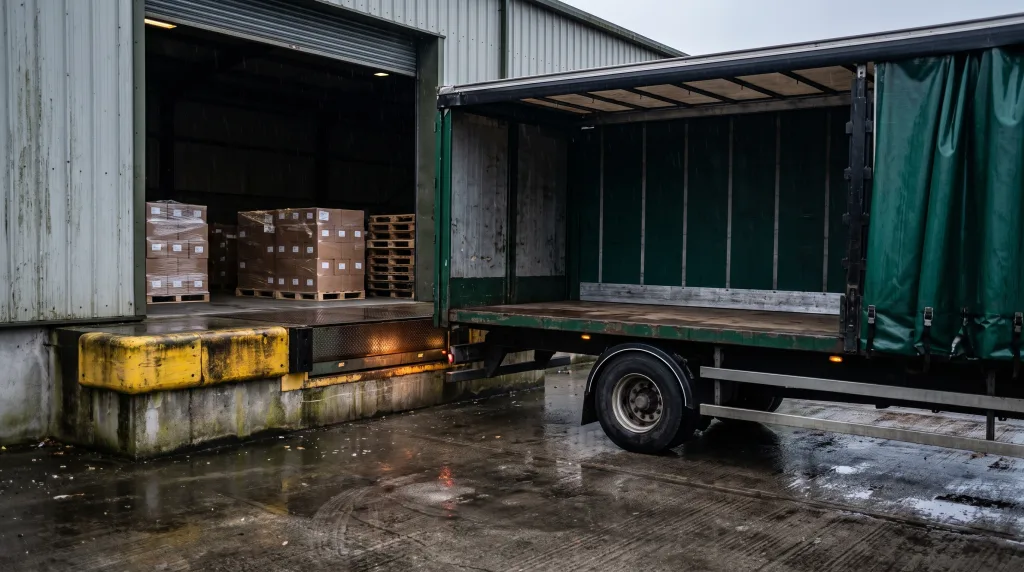
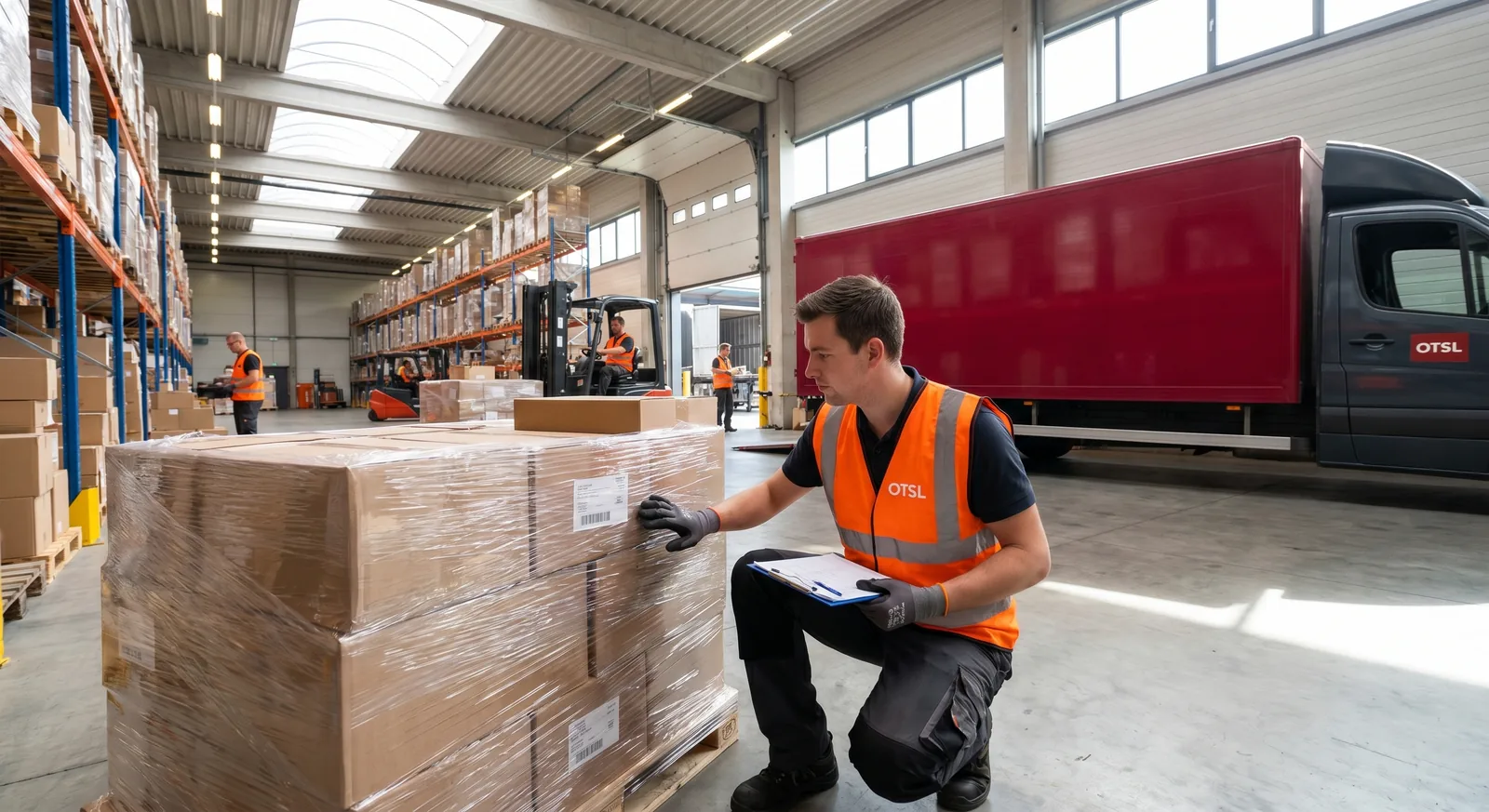
The fitness of goods after trailer tampering depends on the product type, the packaging and the nature of the event: a pallet shift is assessed differently from the presence of clandestine entrants, the official GOV.UK term for people hiding in a vehicle. After examination OTSL issues a fitness assessment and documents the condition with photos, so the decision to sell, repack or dispose rests on evidence.
What does the decision depend on?
- Product type: food, electronics, textiles, industrial goods.
- Packaging condition: whether only outer packaging is affected, or unit packaging too.
- Nature of the event: a shift, moisture, traces of people in the cargo space.
- Consignee and insurer requirements for documentation and the acceptance threshold.
How it usually looks by product type
| Product type | Main risk | Typical direction of the decision |
|---|---|---|
| Food in unit packaging | hygiene, damaged outer packaging | batch assessment, often repacking |
| Unpackaged or chilled food | sanitary risk, broken cold chain | precautionary principle, decision with the consignee |
| Electronics and appliances | mechanical damage, moisture | examination, testing, repacking |
| Textiles and consumer goods | soiling, damaged cartons | selection and repacking |
These are directions, not an automatic rule: we assess every batch separately, and the final decision belongs to the owner of the goods and the insurer.
Food, clandestine entrants and the precautionary principle
EU food law (Regulation 178/2002) bans placing unsafe food on the market and requires batch traceability. In practice, doubts are resolved against the goods: if a batch cannot be shown to be safe, it should not reach sale. When clandestine entrants were in the trailer, the carrier may additionally face the clandestine entrant civil penalty scheme, but the assessment of the goods is always a separate, documented process. More in the text on food safety after a trailer breach.
Documentation before the decision
Before anything is moved, we document the state found: photos, a description of the pallets, the extent of the tampering. Then selection and, where justified, repacking at a UK warehouse. The report goes to the client and the insurer; how it is made is described in the text on the cargo inspection process. See also inspection and recovery and repacking at a UK warehouse.
Step by step
- Secure the trailer. Stop the vehicle in a safe location and notify the carrier immediately.
- Document the evidence. Take clear photos of the seals, outer walls and cargo state before unloading.
- Inspect the packaging. Check if damage affects only outer cartons or individual unit packaging as well.
- Issue the report. Prepare a written fitness assessment based on physical findings and photographs.
- Agree on the outcome. Consult the consignee and insurer to approve sale, repackaging or disposal.
Definitions
- Clandestine entrants: unauthorised individuals hiding inside a cargo vehicle to cross international borders.
- Pallet shift: movement of palletised goods during transit that creates a risk of packaging damage.
- Fitness assessment: a formal inspection evaluating whether cargo can still be released for sale.
- Trailer tampering: unauthorised access or damage to the vehicle cargo hold during transport.
The OTSL role
At OTSL, we arrange physical cargo inspections and document product condition after transport incidents. We provide reliable road transport services and apply checks detailed in our guide on inspections after unauthorised entry.
Sources
- European Commission: general food law (Regulation 178/2002)
- GOV.UK: clandestine entrant civil penalty scheme
Not sure whether a batch is fit for trade? Describe the incident in the contact form and we will arrange the examination and a report a decision can rest on.