 AI image
The clandestine entrant civil penalty scheme is the British system of civil fines for carrying people hidden in a vehicle, trailer or load. According to GOV.UK the fine can reach 10,000 GBP for each person found, and up to 6,000 GBP for a goods vehicle that was not adequately secured, even if no one is found; always check the current rates in the guidance. Your protection is an effective vehicle securing system and a record of its checks.
Who is liable under the civil penalty scheme
According to GOV.UK, each of the persons responsible for the vehicle can be fined separately: the owner, the hirer and the driver. Fines are calculated per person found, and a separate penalty applies to a vehicle that was not adequately secured, even when no one is found. This is a financial risk that runs independently of what happens to the goods.
What protects you: a securing system and its record
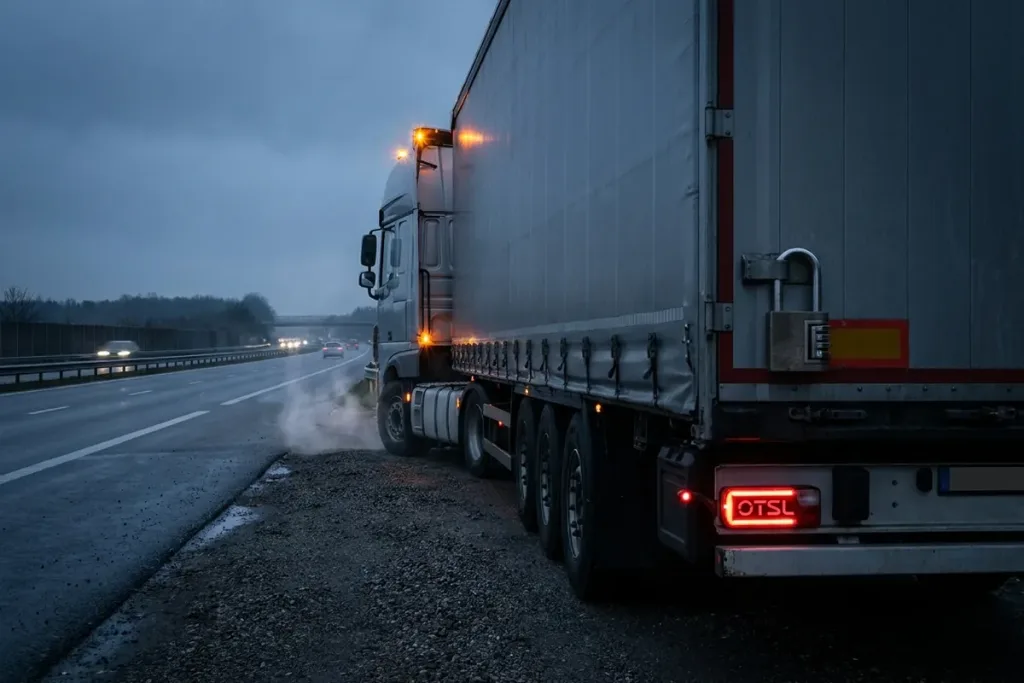
In its guidance on securing a vehicle, GOV.UK expects an effective system: sound curtains, cords, seals and padlocks, checks of the securing after every loading and stop, and a record of those checks. When liability and the level of the penalty are assessed, it matters whether the carrier ran such a system and can show it. Missing records work against the carrier even if the driver did check the trailer.
What to do right after people are found
- Stop the vehicle in a safe place and notify the authorities in line with local procedure.
- Secure the trailer, the seals and the check records; they are evidence in the penalty case and towards the insurer.
- Do not move or repack the goods until the condition is documented.
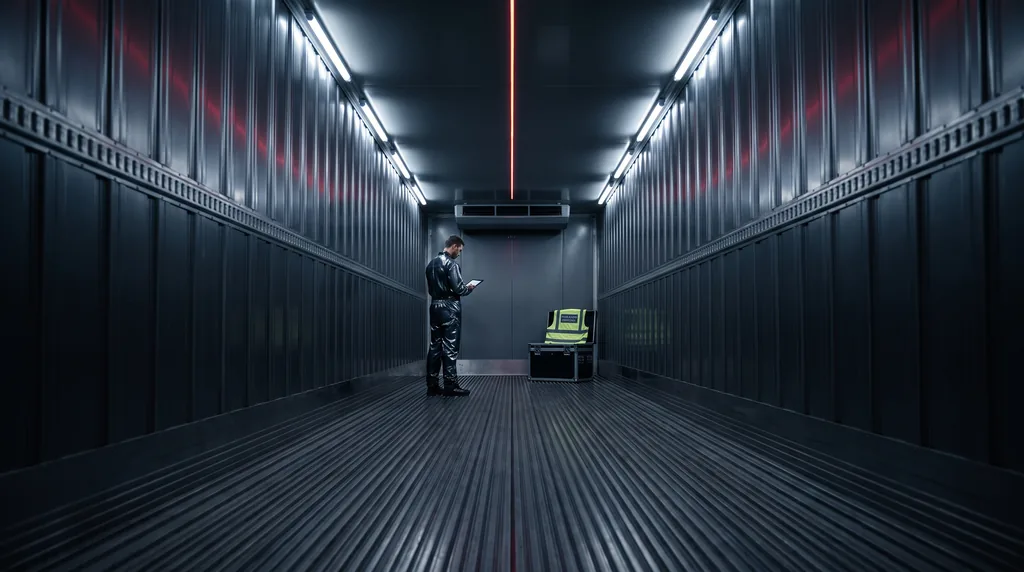
The practical course of the trailer check and the full driver checklist are described in the article on trailer inspection after clandestine entrants, step by step.
The penalty is one thread, the goods are another
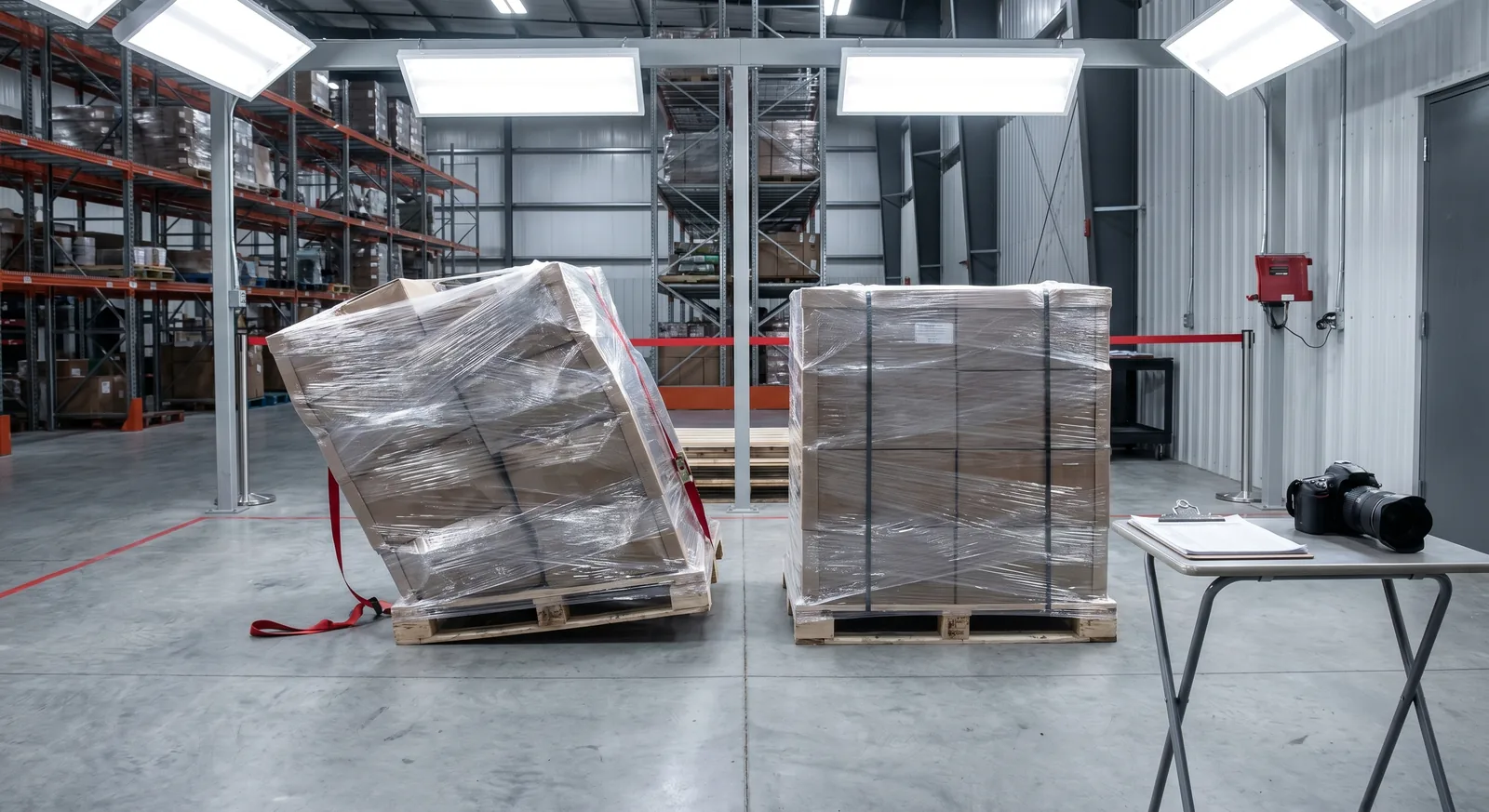
The penalty case does not settle what happens to the cargo. People present in the cargo space can mean a sanitary risk, critical with food, so before further distribution the goods go for inspection at our Milton Keynes warehouse: we document the state found, separate affected goods from unaffected ones and prepare a photo report for the client and the insurer. Fitness for sale is covered in the text are goods fit for sale after trailer tampering, food in the article on food safety after a trailer breach, and the course of the check in the text on the cargo inspection process. See also inspection and recovery.
Who is liable under the British civil penalty scheme?
Under the British civil penalty scheme, separate fines can be imposed on each responsible party, including the owner, the hirer and the driver of the vehicle involved.
Definitions
- Clandestine entrant: A person hiding in a vehicle, trailer or load to cross the United Kingdom border unnoticed.
- Clandestine entrant civil penalty scheme: The British system of financial fines imposed on carriers, vehicle owners and drivers for carrying illegal passengers or failing to secure a vehicle properly.
- UKBF (United Kingdom Border Force): The official British border authority responsible for inspections and civil penalties.
- Vehicle security standard: A set of physical checks, seals, padlocks and documented control procedures required to safeguard cargo space.
When does this rule not apply?
This penalty scheme does not apply to transport operations performed entirely within European Union territory that do not involve crossing the United Kingdom border.
The OTSL role
OTSL assists hauliers and shippers in executing cross-border journeys efficiently. Learn more about how our road transport services align with safety compliance and read about the necessary steps for a trailer inspection after clandestine entrants to minimise financial risks.
Sources
- GOV.UK: clandestine entrant civil penalty scheme
- GOV.UK: check and secure your vehicle
- European Commission: general food law (Regulation 178/2002)
Got a trailer after such an incident and goods the insurer is asking about? Write through the contact form and we will arrange the inspection and the report.