 AI image
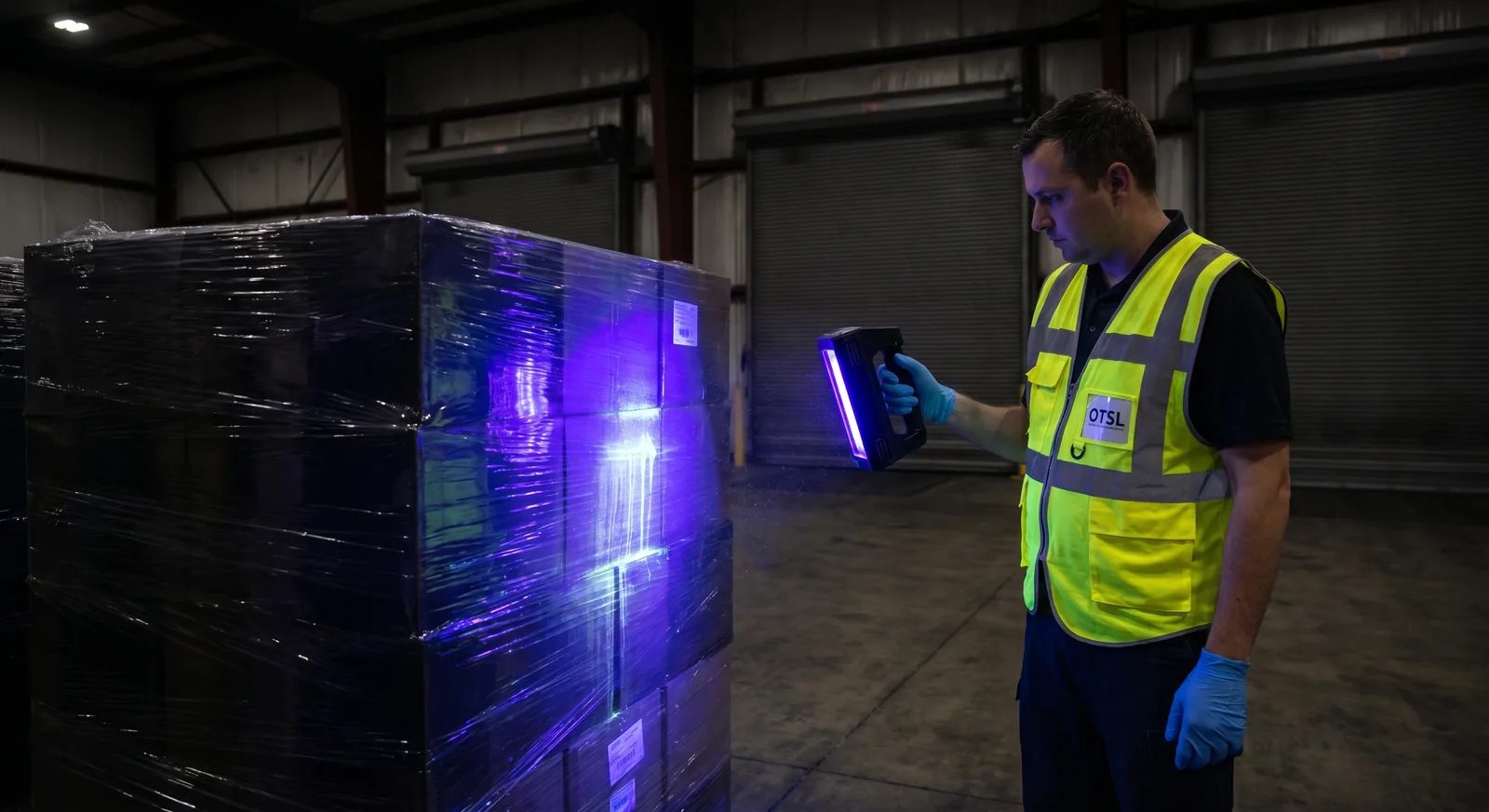
Cargo inspection is an orderly assessment of the state of the goods after an event, for example a trailer breach, a pallet shift or damage. The aim is a sound finding of what happened and whether the goods are fit for further trade, plus a photographic report for the client and insurer. At OTSL we run this process calmly and to fixed steps.
What does the process look like?
- Securing the goods and the place before anything is moved.
- Inspection and photographic documentation of the state found.
- Assessing which pallets or batches the problem affects.
- Conclusions: what is fit to go on, what needs re-packing, what does not.
- A report for the client and the insurer.
Why documentation matters so much
Without photos and a description of the state found, it is hard to show later what happened and to what extent. Good documentation protects the client interest towards the insurer and lets a decision rest on facts, not guesses. That is why we document before we start correcting anything.
Inspection after clandestine entrants
A separate case is a trailer entered by clandestine entrants, the official GOV.UK term for people hiding in a vehicle to cross the border unnoticed. Beyond the condition of the goods, the carrier may then face the clandestine entrant civil penalty scheme (source: gov.uk), and an orderly inspection report helps set out the facts for the insurer and the consignee.
How do we work?
We run inspection at the Milton Keynes warehouse in the UK, where we have facilities for assessment, re-packing and recovery. We act factually and without sensation, because the aim is a fact-based decision.
See inspection and recovery, inspection after unauthorised people and the fitness assessment.
How should you handle cargo when damage affects only a portion of the pallet?
When you discover that, for instance, 30% of the cartons on a 500 kg pallet are crushed, you should not reject the entire pallet straight away. First, take photos from a distance of at least 2 metres to document the position of the pallet relative to the trailer wall and lashing straps. Only after capturing the overall context should you take close-up photos of the damaged goods. Keep in mind that you have exactly 24 hours from the completion of discharge to submit an initial notification to the insurer if damage is externally visible.
Separate the intact cartons from the compromised items and count the exact units. When the weight of the damaged goods is below 150 kg, loss adjusters frequently waive on-site inspections, relying fully on your joint inspection report. Weigh the affected items on warehouse scales, take a photo of the scale readout, and endorse the CMR (the Convention on the contract for international carriage of goods by road) consignment note with precise figures. This mechanism prevents lorry downtime at the delivery point.
This operational procedure does not apply under the following circumstances:
- Transports carrying dangerous goods (ADR), where damaged packaging requires immediate intervention by a DGSA and specialized response teams.
- Consignments moving under active customs seals (such as the T1 transit procedure), where breaking the seal or rearranging goods prior to customs clearance violates customs regulations.
Step by step
- Securing the area. You secure the cargo and immediate surroundings before moving any items to prevent further damage.
- Photographic documentation. You capture detailed photographs of the state found, highlighting pallet positions and visible damage.
- Batch assessment. You examine precisely which pallets or consignments are affected by the incident.
- Formulating conclusions. You evaluate which items remain fit for further transit and which require intervention.
- Issuing the report. You compile a final inspection report with photos for the client and the insurer.
Definitions
- Cargo inspection: An orderly assessment of the physical state of goods following a transport incident.
- Inspection report: A formal document detailing the state found, extent of damage, and photographic evidence for insurance handling.
- State found: The actual physical condition of cargo and packaging immediately after an event, prior to any movement.
- Pallet shift: Unintended displacement of palletised units inside a vehicle, creating potential risks to the goods.
The OTSL role
At OTSL, we manage the inspection and reporting process to protect your commercial interests. We combine our regular road transport services with procedures linked to international trade regulations, such as inward processing and duty drawback.