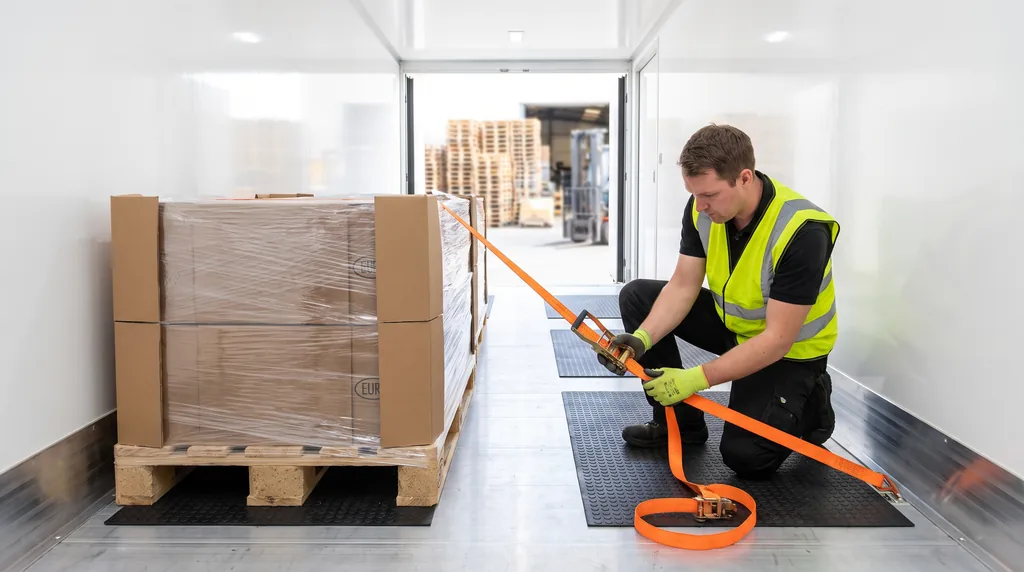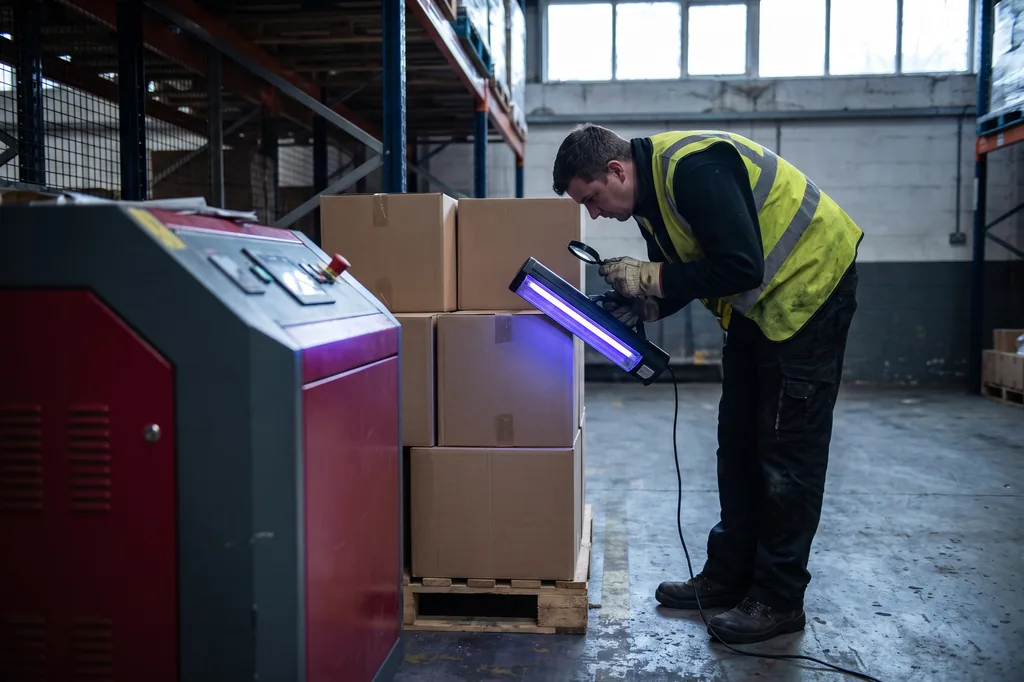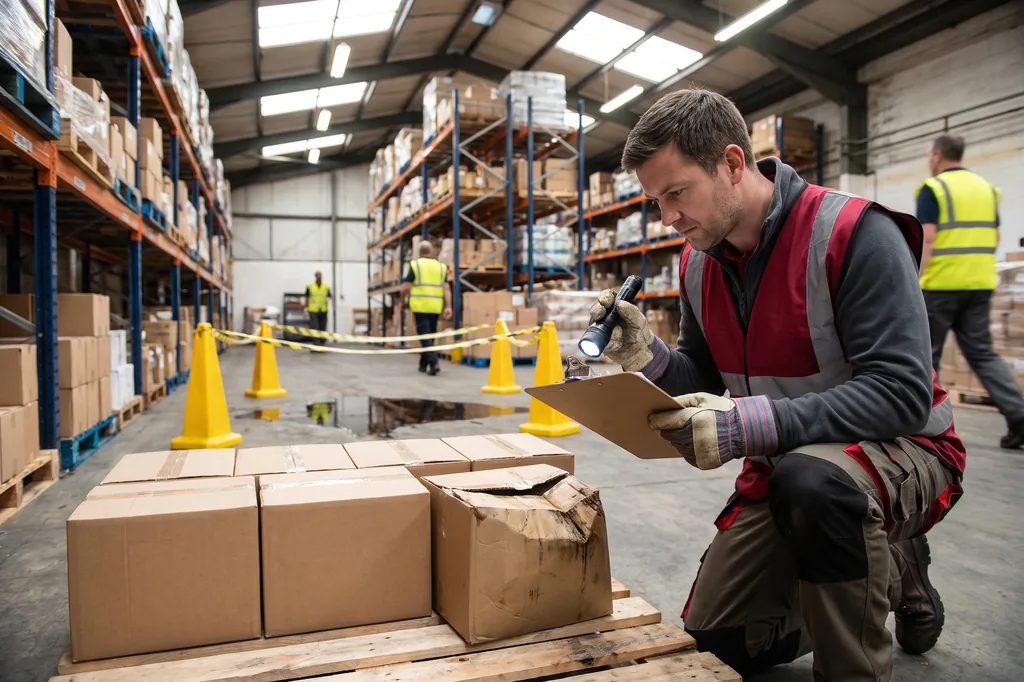
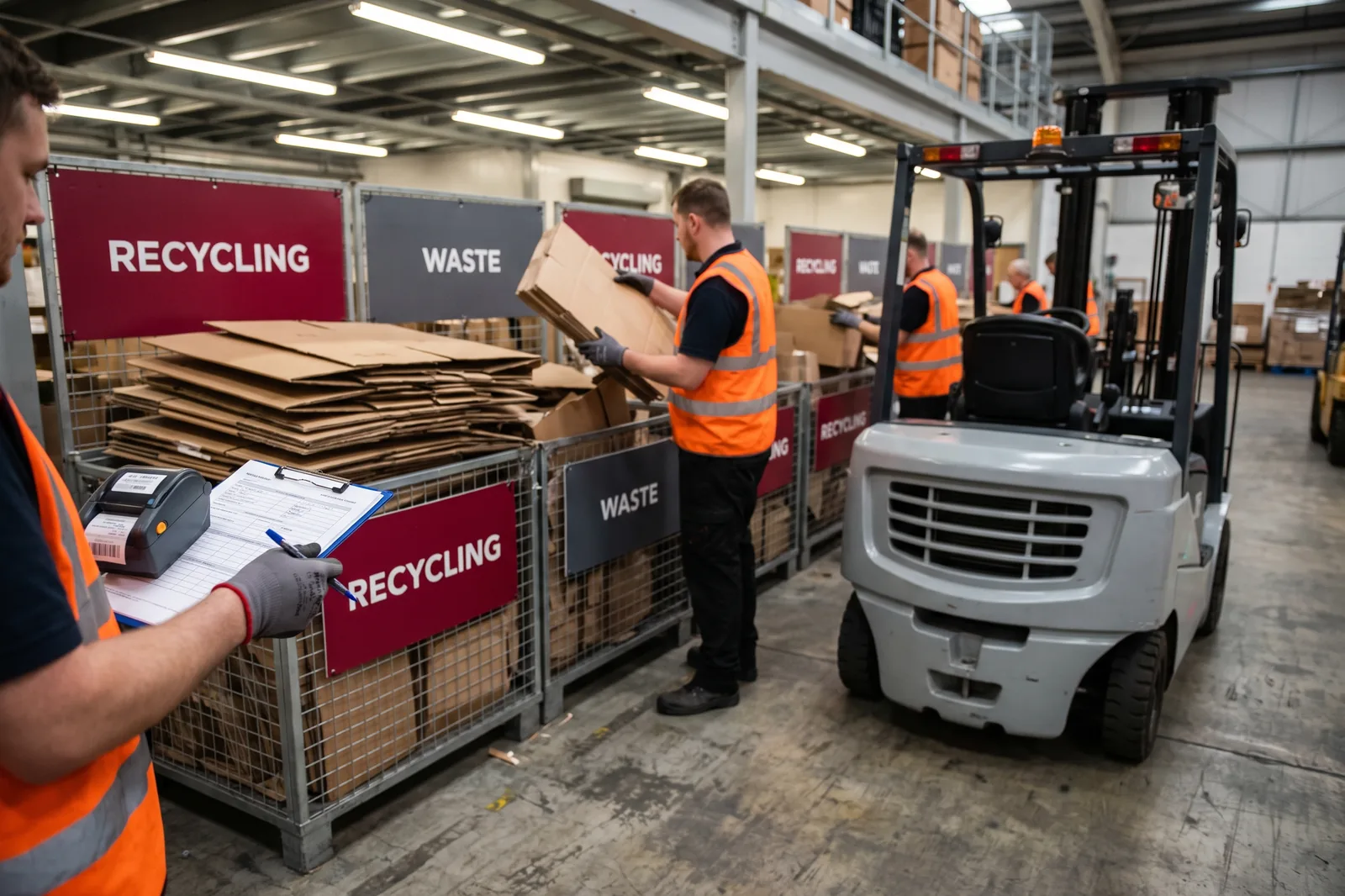
A load of 26 pallets of food products failed quality checks on arrival at a distribution centre in the Midlands and could not re-enter the supply chain. We collected the rejected pallets, transported them to a licensed facility, had them processed through anaerobic digestion and handed the sender complete certified disposal documentation, all without disrupting the centre, within the same operational timeframe.
Situation
Not every rejected load can be reworked. In this case the products failed quality control on arrival over quality and packaging concerns, and the entire delivery was classified as non-compliant freight, unfit for distribution and unfit for return to the chain. A distribution centre has no space and no appetite to store somebody else's failed stock: the load had to leave, quickly, and it had to leave in a way that could be proven lawful afterwards.
This is where senders can get hurt twice. A rejected food load that lingers generates storage costs and blocks operations, and a load that disappears without a paper trail becomes a compliance problem of its own. Food waste cannot simply be tipped; it has to reach an approved facility with documentation at every step.
What we did
Our team coordinated access with site management, collected the 26 rejected pallets, secured them for transport and cleared them off the site without interrupting the ongoing goods-in traffic. The load then travelled to a licensed facility able to handle food waste in line with UK environmental and waste handling regulations.
The products were processed through approved methods, in this case anaerobic digestion, in which food waste is broken down in a controlled way rather than dumped into landfill. We are not the disposal plant ourselves: we organise the removal, the transport and the compliant processing through licensed operators, and we collect the evidence, the same model we describe in certified disposal of rejected and damaged goods. The sender received collection records, transport details, disposal certification and photographic evidence: a clean audit trail from dock to digester.
Outcome
All 26 pallets were removed and disposed of compliantly, contamination and storage risks at the centre were eliminated, and the operation closed within the same operational timeframe. The distribution centre kept working, the sender got the certificates, and the case ended with paperwork instead of penalties.
What this means for shippers
When a food load genuinely cannot be saved, the job changes: it is no longer about recovery, it is about proof. Certified disposal documentation is what stands between an unfortunate quality failure and a compliance breach, and it is what the insurer will ask for first. Speed matters here too: every day a rejected load sits at a distribution centre costs money and goodwill with the receiver.
Need a rejected load collected and disposed of with full documentation? See our cargo inspection and recovery services or use the contact form.