When a trailer breach happens or is suspected on the road, the driver's safety comes first: stay in the locked cab, avoid confrontation, call 112 and notify the transport office. The load comes second, and it must then be treated as compromised until inspected. With fines of up to GBP 10,000 per clandestine entrant, a documented response protects both the driver and the operator.
Situation
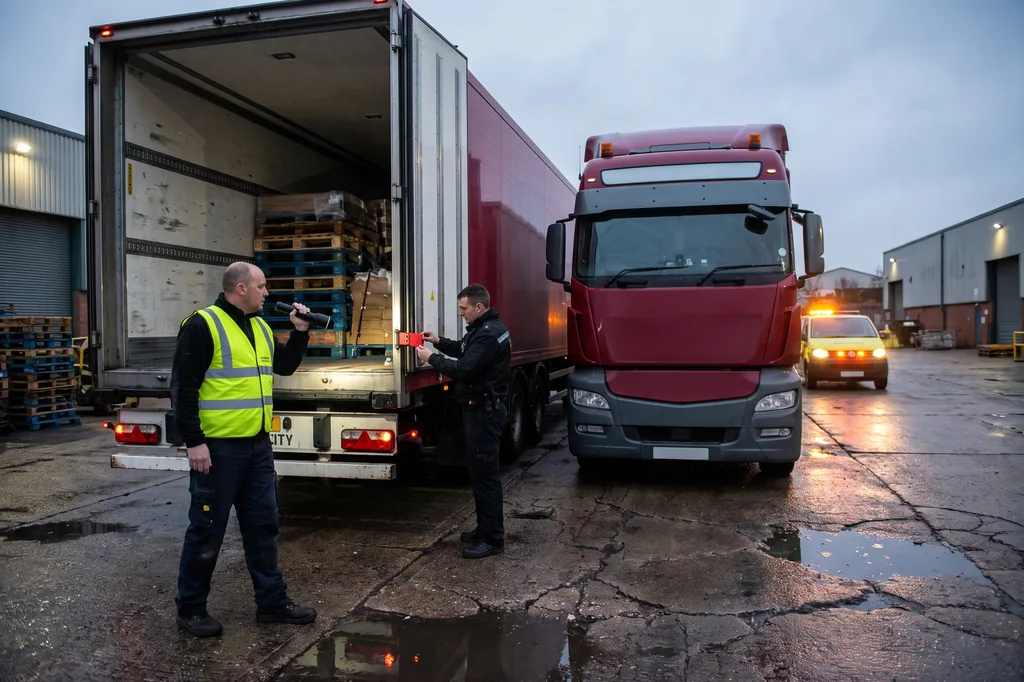
Attempted trailer entries are a known risk on UK and European routes, especially near the crossing points. The danger is double: a person confronting intruders at night in a lay-by, and a load whose integrity is gone the moment someone has been inside. Telltale signs include broken or missing seals, damaged curtains or doors, cut tilt cords, tampered locks, and unusual movement or noise from the trailer. Once any of these appear, the shipment has to be treated as compromised, and for food, pharmaceuticals and consumer goods that usually means the receiver will refuse it until a full inspection has been completed.
What we did
The guidance we give drivers is short enough to remember under stress. Stay inside the cab with doors and windows secured. Do not confront anyone. Move to a safe, well-lit location if the vehicle can be driven. Use lights and horn to draw attention if needed. Call 112, which works across Europe, inform local police or site security, and notify the dispatcher immediately. Remain secured until it is safe to move.
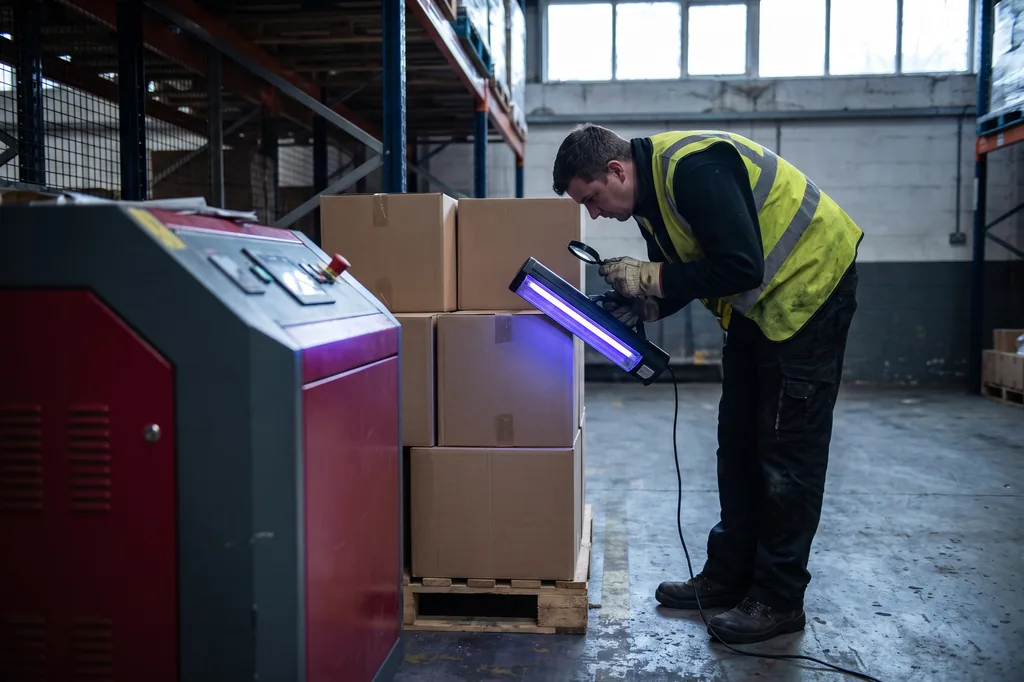
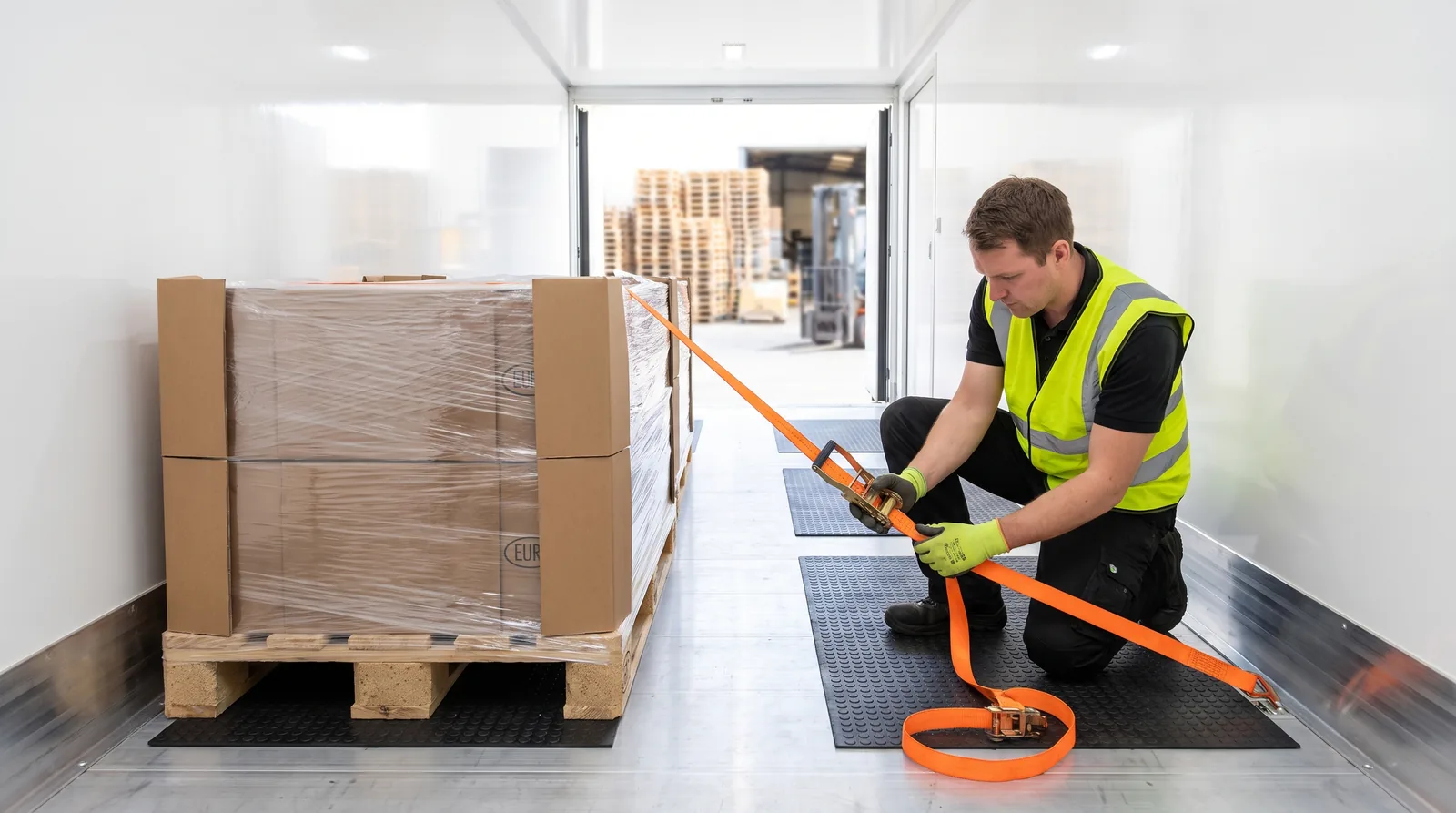
Then the load work starts. The trailer comes to our Milton Keynes warehouse, where it goes through a controlled recovery: a full trailer inspection after clandestine entrants, segregation and assessment of the products, pallet restacking where the load was destabilised, and certified disposal of anything unsafe. The driver's incident timeline and our inspection report end up in one file, which matters later, because the paperwork from the roadside and the paperwork from the warehouse have to tell the same story.
Outcome
Handled this way, an ugly night ends with a driver who was never put at risk, a load split into documented fit and unfit portions, and an operator holding evidence instead of guesses. That evidence carries real weight: if clandestine entrants are found in a vehicle at the border, fines of up to GBP 10,000 per person can be issued, the driver, the operator and the vehicle owner can each be held liable, and the vehicle can be detained. An objection or appeal can be lodged within 28 days of the penalty notice, and it stands or falls on documentation.
What this means for shippers
Prevention is cheaper than recovery: regular checks in transit, approved seals and locks, no overnight parking in unsecured locations, and the Border Force vehicle security checklist as routine. Operators can also join the Border Force civil penalty accreditation scheme; carriers who can show effective security systems in place are not fined when entrants are found despite them. And when prevention fails, the order of operations is fixed: driver safe first, load inspected second, everything documented.
Need a breached load inspected and recovered? See our cargo inspection and recovery services or use the contact form.