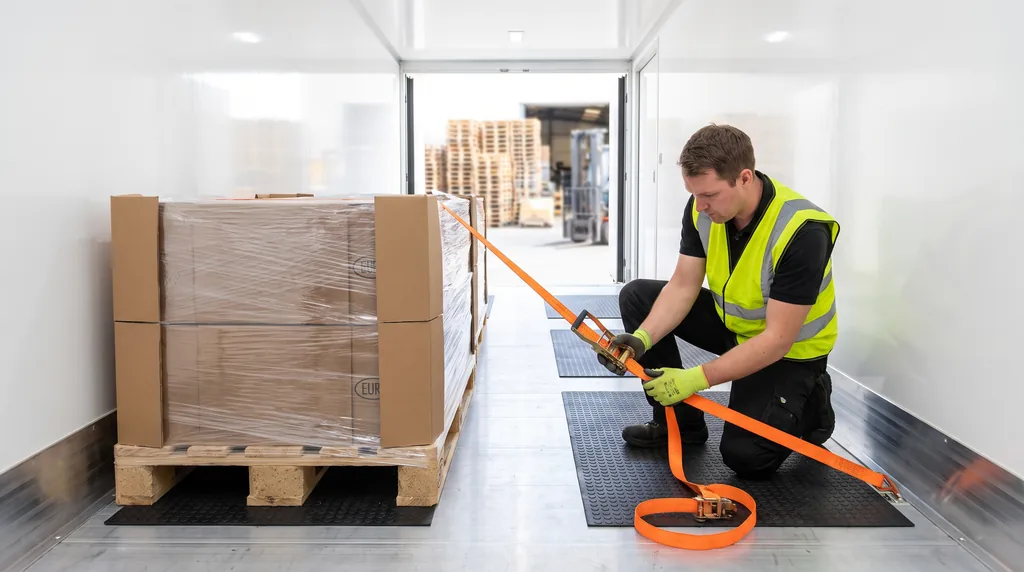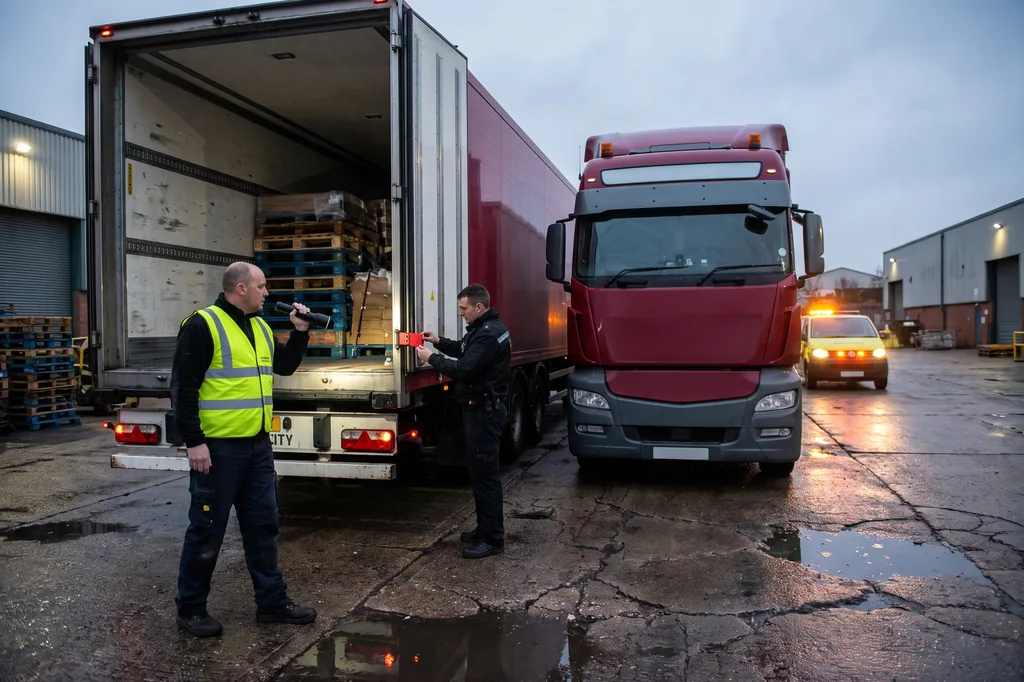
A trailer carrying palletised goods reached a distribution centre in the Midlands with clear evidence of unauthorised access: fluid spills, discarded clothing, food waste and foreign objects throughout the load. The delivery was rejected on the spot. Our team inspected the trailer, including UV detection, segregated the freight, disposed of the compromised part and stabilised the rest, within the same operational timeframe.
Situation
The trailer had been entered during transit through the logistics network. What the warehouse staff found on opening the doors made the decision for them: liquids on the floor, personal belongings and clothing left between pallets, food waste and debris scattered through the load. The shipment was classified as a contaminated and distressed load, unsafe to unload without specialist inspection, and turned away.
For the operator this meant a full trailer with nowhere to go and an open question worth the value of the entire load: what exactly had the goods been exposed to? Nobody could answer that from the dock, and every hour of standstill added cost without adding any information.
What we did
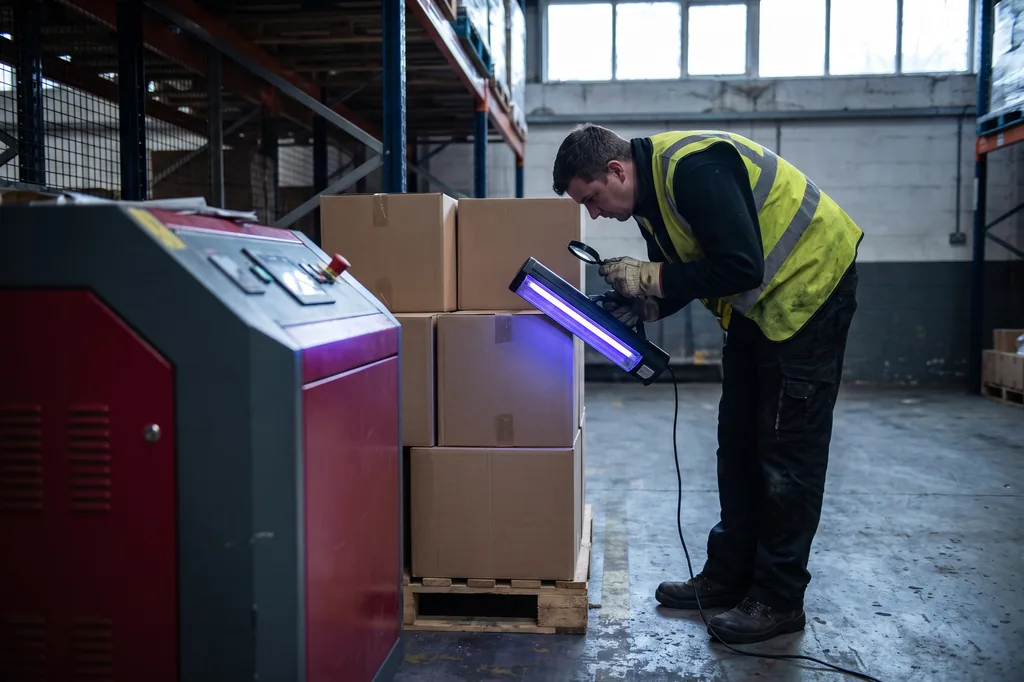
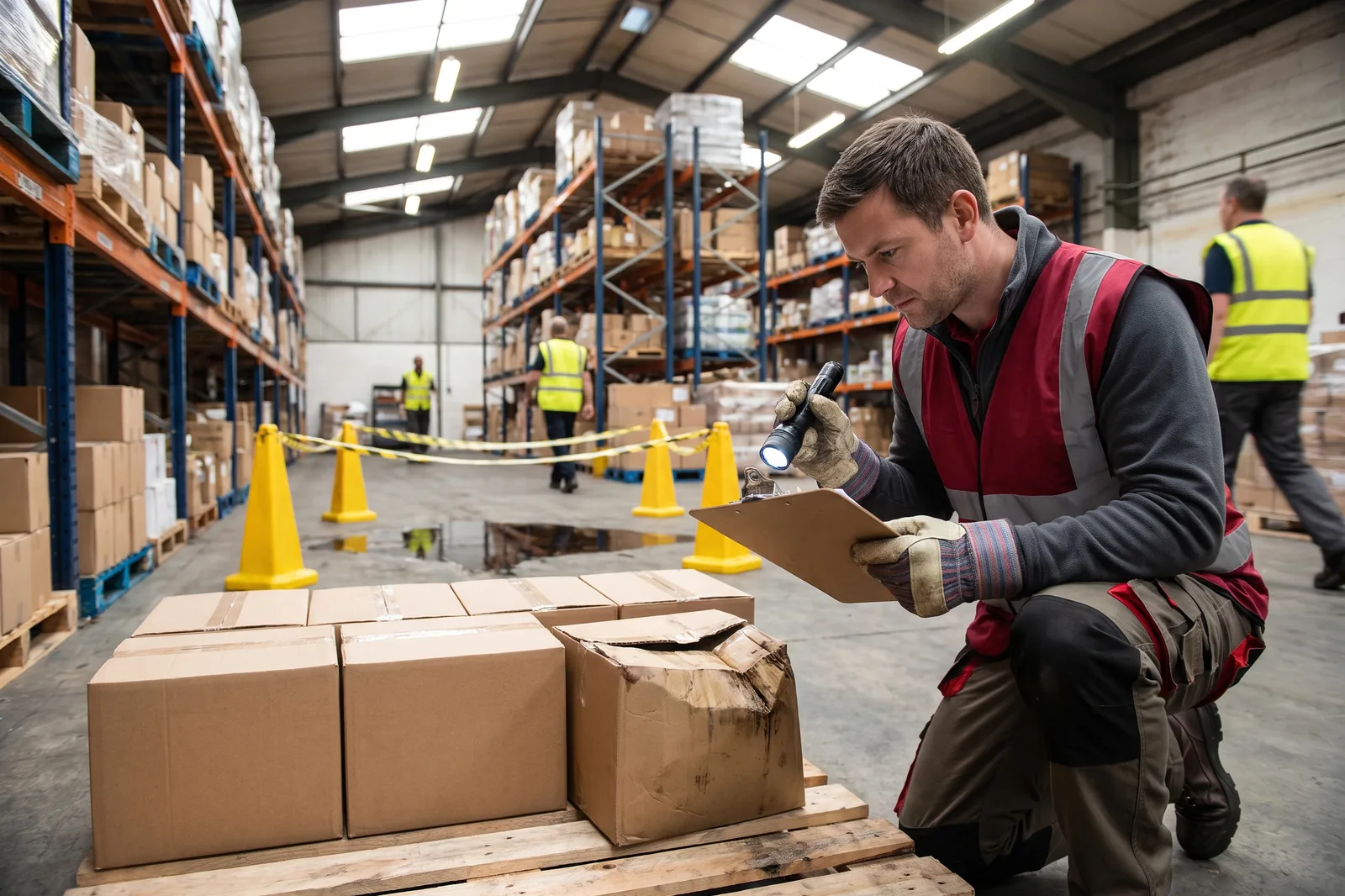
The load went through our full cargo contamination inspection. The team mapped every affected area inside the trailer, assessed the contamination from fluids and foreign objects, and checked packaging integrity pallet by pallet. Because some contamination cannot be seen in normal light, UV inspection was used to find residues invisible to the naked eye, an approach we also apply in the sanitary inspection of food cargo after a trailer breach.
The freight was then assessed and segregated: goods that could be safely recovered on one side, compromised items on the other, with affected zones isolated so handling would not spread the problem. Contaminated debris was removed, the recoverable sections were stabilised and prepared for onward handling, and the goods judged unsuitable for distribution went to approved facilities with certified disposal documentation. Photographs, inspection reports, disposal certification and recovery records completed the file for the insurer.
Outcome
The contaminated areas were identified and controlled, the compromised goods were removed and disposed of, and the recoverable freight was stabilised and released. The incident closed within the same operational timeframe, the distribution centre stayed clean, and the operator ended the day with a documented answer instead of an open liability.
What this means for shippers
After a breach, the load is guilty until proven innocent. The only way to reverse that is a controlled inspection that puts evidence behind every pallet: what was exposed, what was not, and what happened to each. Doing this fast matters twice over, once for demurrage and once because receivers forgive a documented incident far more readily than a hidden one.
Facing a rejected load after a trailer breach? See our cargo inspection and recovery services or describe the case in the contact form.