 AI image
When a breached trailer arrives at our Milton Keynes warehouse, it goes through a fixed procedure: secure and isolate the vehicle, document the entry point, sweep the load for foreign objects, run UV detection, check packaging pallet by pallet, segregate fit from unfit, remove debris and issue a full report. The same steps, in the same order, every time.
Situation
Breached trailers arrive in many states. Sometimes the signs are obvious: misplaced and crushed boxes, product walked on across the pallets, belongings left behind. Sometimes the entry point is the only clue, and it is not always where drivers look first: alongside cut curtains and tampered door seals we have handled refrigerated trailers entered through a hole cut in the roof. What all these cases share is the question the receiver asks: can anyone prove which goods are still safe? A repeatable procedure is the only honest answer, which is why we run every case the same way rather than improvising trailer by trailer. One such case is described in our trailer inspection after clandestine entrants article.
What did we do?
The procedure has seven steps.
1. Secure and isolate. The trailer is parked in a controlled area and nothing is unloaded until the inspection plan is set. Seals, locks and their condition are recorded first.
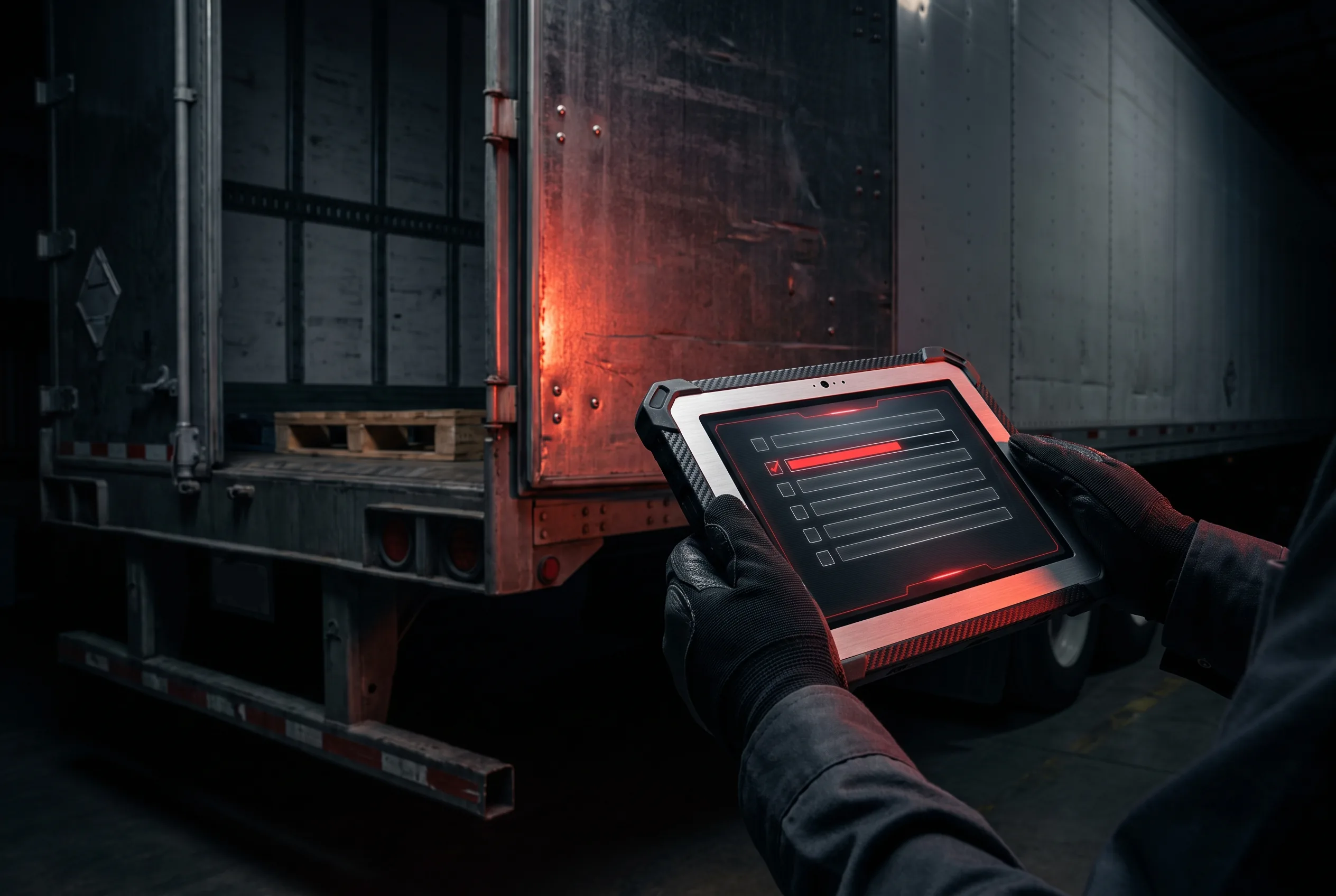
2. Document the entry point. Cut curtain, forced door, roof opening: the entry point is photographed before anything is touched, because it tells us where inside the load to look hardest.
3. Visual sweep. The team works through the trailer looking for foreign objects, liquids, food waste, clothing and debris, recording the position of every find.
4. UV detection. Ultraviolet light reveals biological residues that normal light does not. This step regularly changes the verdict on cartons that looked clean, and it is the core of our cargo contamination inspection.
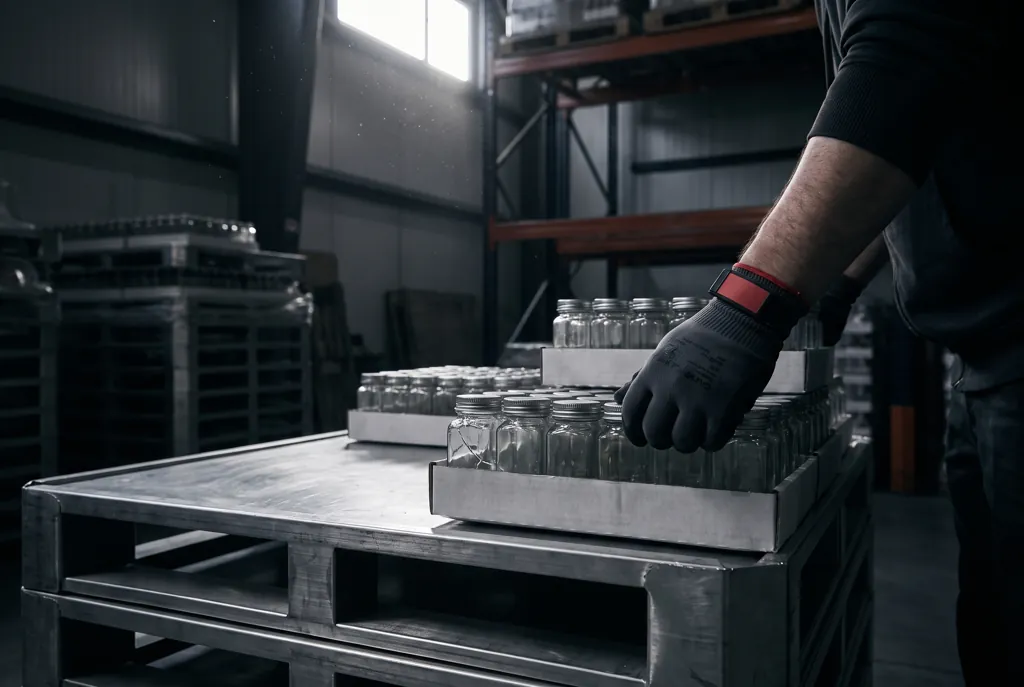
5. Pallet-by-pallet packaging check. Each pallet is checked for packaging integrity, crush damage and signs of contact or exposure.
6. Segregation. Fit stock is separated from unfit, affected zones are isolated, debris is removed, and pallets are restacked where the intrusion destabilised them.
7. Report and disposition. The client receives photographic evidence, inspection findings, the fit and unfit split, and certified disposal documentation for anything condemned.
Outcome
Run this way, an inspection produces a decision that stands up: to the receiver, to the food safety authorities and to the insurer. The recoverable stock moves on with evidence behind it, the unfit stock leaves through documented disposal, and nobody has to take anybody's word for anything.
What does this mean for shippers?
If your load is ever breached, ask whoever inspects it to show you their procedure before they start. If the answer is vague, the report will be too, and a vague report will not survive contact with a rejected-delivery dispute. A defined process costs the same to run and produces paperwork that actually protects you.
Need a breached load inspected under a defined procedure? See our cargo inspection and recovery services or use the contact form.
Step by step
- Vehicle isolation. Set up a secure area in the warehouse and halt further unloading immediately.
- Entry point documentation. Take detailed photos of damaged curtains, roof cuts, or tampered seals.
- Sweep for foreign objects. Inspect the cargo bay thoroughly for any personal belongings or debris left behind.
- UV light inspection. Scan packaging with ultraviolet light to identify potential biological contamination.
- Cargo segregation. Separate untouched pallets from boxes identified as damaged or contaminated.
Definitions
- Refrigerated trailer: A transport vehicle equipped with a cooling unit to maintain a stable cargo temperature.
- Door seal: A mechanical or electronic security device that confirms the cargo area has not been breached.
- UV detection: An inspection method using ultraviolet light to identify biological traces left by unauthorized persons.
- Entry point: The exact location where the vehicle structure or seals were compromised during an intrusion.
When does this rule not apply?
This procedure does not apply if border control authorities issue a direct order to impound or redirect the vehicle before a warehouse inspection can take place.
The OTSL role
When managing compromised cargo, OTSL provides reliable logistics support including temperature-controlled transport and full cargo evaluation as detailed in our guide on proces inspekcji ładunku i raport.