 AI image
After a food trailer is breached (broken seal, signs of unauthorised entry, damaged bodywork) the decision on fitness for consumption is taken by the food business operator on the basis of HACCP, and where in doubt it is checked by a sanitary inspection. In the United Kingdom food safety is enforced by an Environmental Health Officer from the local authority. The presumption is cautious: a batch with compromised integrity may be treated as unfit until you prove otherwise.
The Polish-language version of this article is the reference one. This is an informational translation.
Why a trailer breach is a sanitary matter, not only a customs one
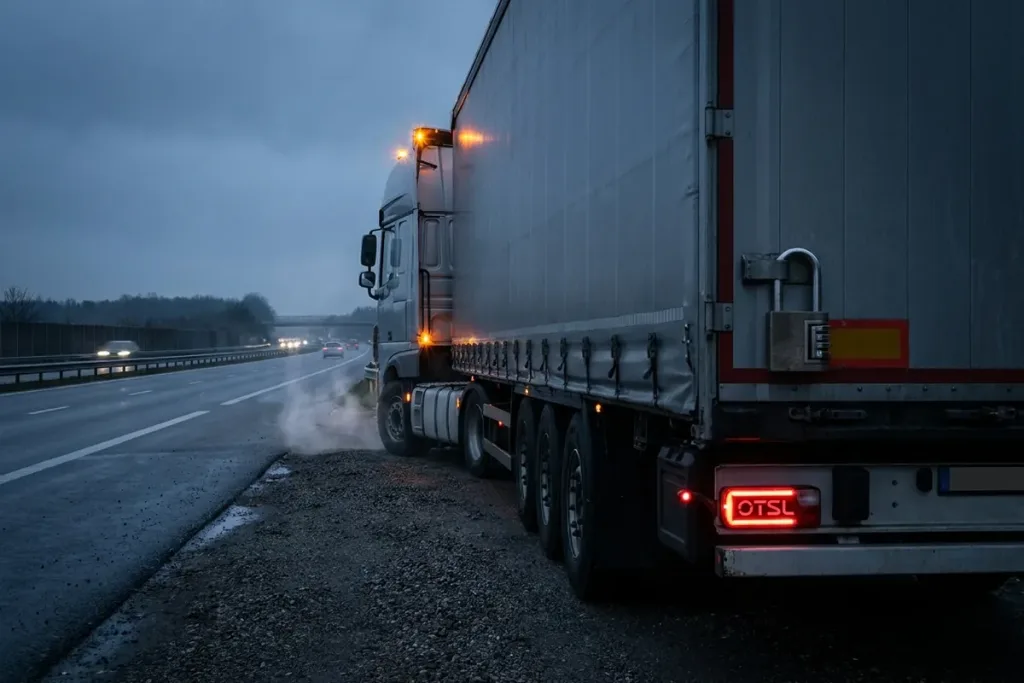
A broken seal on a route across the Channel usually triggers the border and customs strand. But when there is food in the trailer, there is a second layer: nobody knows what happened to the goods while the security was open. Whether someone touched the packaging, whether water, dirt or pests got inside, whether the reefer held its temperature. Food safety after a trailer breach in terms of food law is covered in a separate article on food safety after a trailer breach; here we focus on the inspection procedure itself and the fitness assessment.
The precautionary principle: unfit until you prove it is fit
Food law puts consumer safety above the value of the batch. Under Article 14 of Regulation 178/2002 food must not be placed on the market if it is unsafe, and the assessment takes into account the normal conditions of its use and the information available to the consumer. In practice this means a cautious presumption: a batch whose integrity has been compromised and which cannot be reliably assessed may be treated as unfit for consumption. The burden of showing that the goods are safe rests with the food business operator, not with the inspector.
The role of HACCP and the food business operator
Under Regulation 852/2004 every food business operator runs procedures based on HACCP principles: it analyses hazards, sets critical points and reacts when they are exceeded. A trailer breach is a classic deviation from the HACCP plan. It is the operator (the consignor, the consignee or a warehouse operator acting on their behalf) that first decides whether to release, hold or withdraw the batch. The sanitary inspection steps in where the decision needs official confirmation or where the event concerns food already placed on the market.
The role of the Environmental Health Officer in the UK
In the United Kingdom food safety at local level is enforced by the Environmental Health Officer, an official of the local authority. The EHO inspects food businesses, assesses hygiene, may take samples, may detain or seize food suspected of being unfit for human consumption, and directs matters so that goods deemed unfit are withdrawn or destroyed. Overarching oversight of the food safety system rests with the Food Standards Agency (FSA). Importing food into the UK adds border checks at designated posts; who checks what depends on the product category.
How a batch is assessed after a breach, step by step
| Step | What happens |
|---|---|
| 1. Securing | The batch is separated and marked as held; it is not mixed with sound goods. |
| 2. Documenting the event | It is recorded when and where the breach was found, the state of the seals, the reefer temperature, photos, the trailer and batch numbers. |
| 3. HACCP assessment | The food business operator relates the event to the HACCP plan: whether a critical point was breached, whether there is a risk of contamination or a break in the cold chain. |
| 4. Decision and inspection | Release, withdrawal or destruction. Where in doubt or where the goods were already on the market, the matter is confirmed by an inspection (in the UK the EHO). |
| 5. Trace and withdrawal | Traceability of the batch is preserved (Article 18 of Regulation 178/2002), so a withdrawal from the market can be carried out if needed. |
The paperwork that saves a batch or buries it
The fate of the goods is often decided by paper. Intact reefer temperature records, a clean chain of seals, an event report and traceability of the batch allow the case to be made that the food is safe despite the breach, for example where only the cargo space was breached without contact with a hermetically packed product. The absence of these data works the other way: without proof that storage conditions were kept, a cautious inspector will deem the batch unfit. The general question of whether goods are fit for sale after a breach is developed in the article on whether goods are fit for sale after tampering.
How does OTSL handle this in a UK food-grade warehouse?
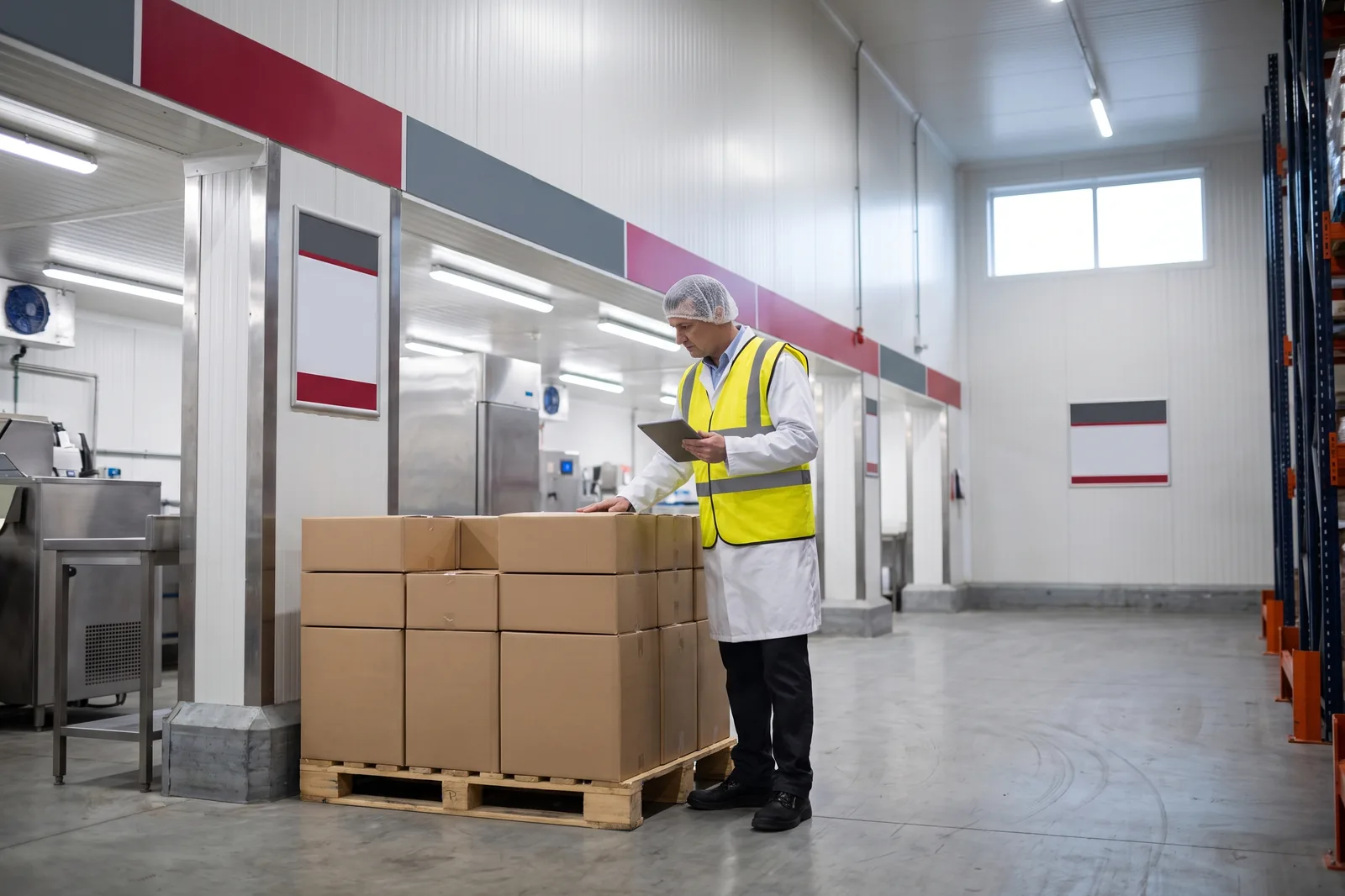
We receive the breached batch into a separate, clean zone of a warehouse run under a food-grade regime and immediately isolate it so it does not mix with sound goods. We draw up an event report: the state of the seals, the temperature, photos, numbers. We work with the food business operator and, where needed, with the Environmental Health Officer, so that the decision to release, withdraw or destroy is backed by documents. We prepare the sound part of the batch for onward distribution, and route the rejected part to proper disposal while keeping the trace. We do not rule on the fitness of the food in the inspector's place; our task is to secure the goods, the evidence and the decisions so that the assessment can be reliable.
Step by step
- Securing the cargo. You stop the vehicle immediately and photographically document the seal breach and trailer condition.
- Notifying relevant parties. You inform the cargo owner, insurer, and local sanitary authorities about the incident.
- HACCP hazard evaluation. The food business operator carries out a risk assessment regarding potential contamination.
- Official inspection process. An EHO or local sanitary official conducts a physical check and collects representative samples if required.
- Final decision execution. You release the batch to the market or assign it for disposal based on the official inspection report.
Definitions
- EHO (Environmental Health Officer): A local authority official in the United Kingdom responsible for enforcing food safety and hygiene regulations.
- HACCP (Hazard Analysis and Critical Control Points): A preventive food safety management system designed to identify and control potential biological, chemical, and physical hazards.
- Regulation (EC) No 178/2002: European Union legislation laying down the general principles and requirements of food law and safety procedures.
- Regulation (EC) No 852/2004: European Union legislation laying down general hygiene rules for food business operators at all stages of the supply chain.
- Food Business Operator: The legal entity responsible for ensuring that the requirements of food law are met within the business under their control.
The OTSL role
We handle international transport demands, offering reliable temperature-controlled transport solutions across Europe. For further guidance on legal standards after a seal breach, check our summary on food safety after a trailer breach.
Sources
- EUR-Lex: Regulation (EC) No 178/2002 (general food law; Articles 14 and 18)
- EUR-Lex: Regulation (EC) No 852/2004 (hygiene of foodstuffs, HACCP)
- Food Standards Agency: HACCP for food businesses
- Food Standards Agency: oversight of food safety in the UK
- GOV.UK: food safety, operator responsibilities and the role of the local authority (EHO)
Have a breached food trailer on a route to or from the United Kingdom? Describe the situation in the contact form and we will receive the batch into a food-grade warehouse, secure the evidence and run the matter with the food business operator and the inspection.