 AI image
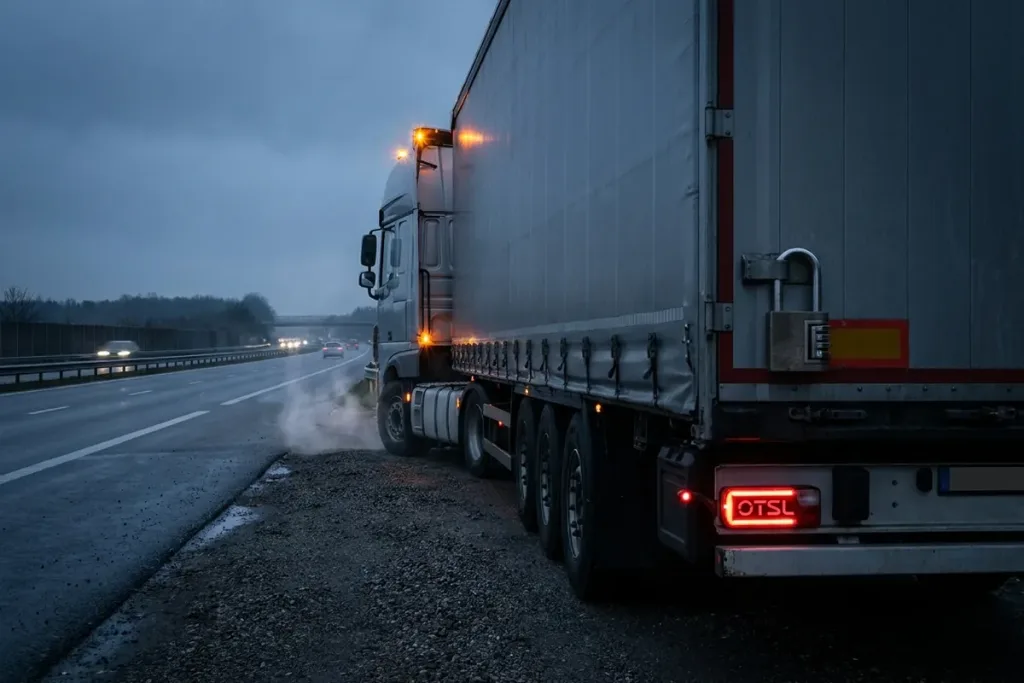
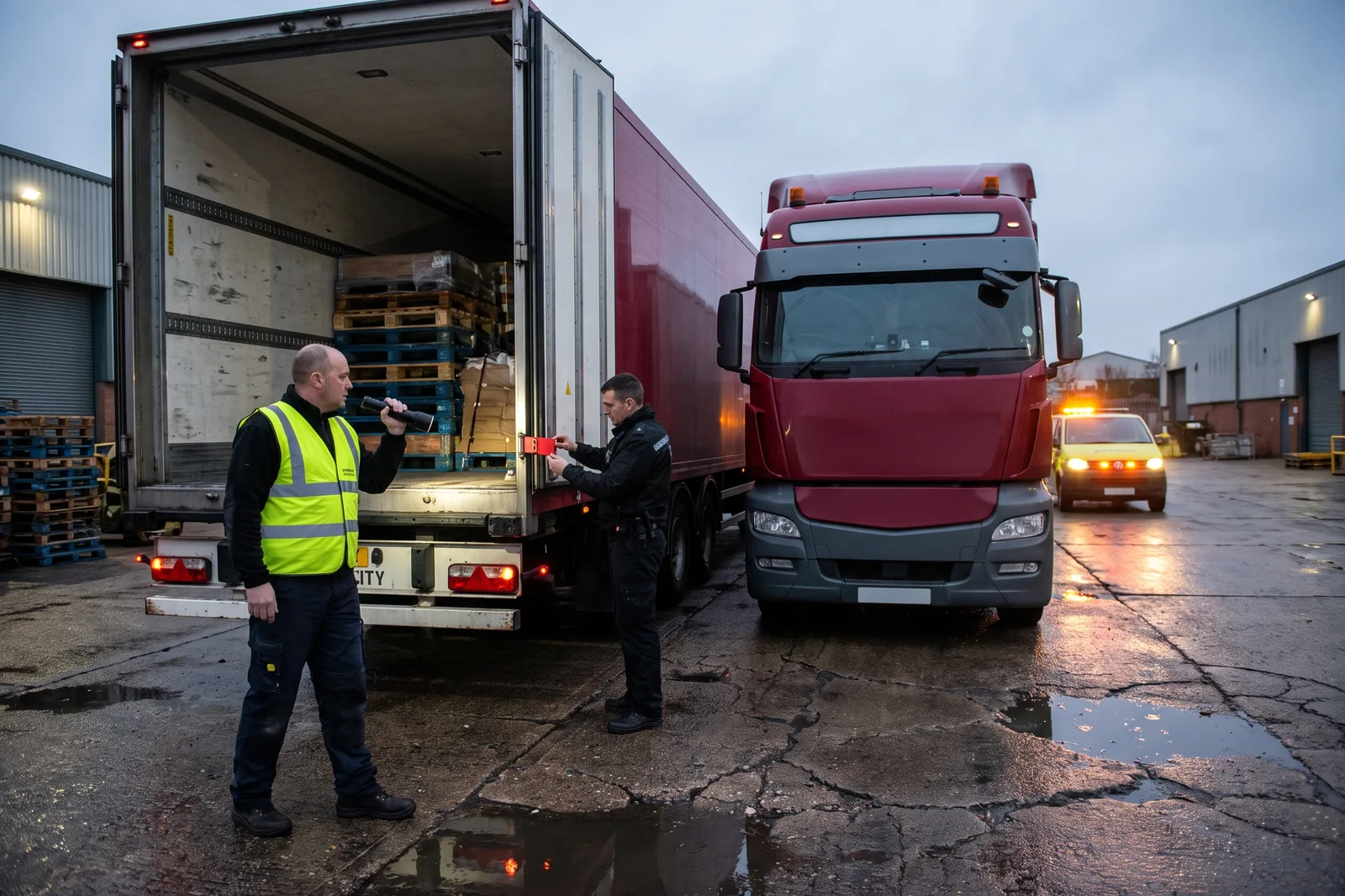
A trailer after clandestine entrants needs two things at once: a composed driver response and a documented inspection. The driver secures the situation, notifies the authorities and works through an evidence checklist: seals, the point of breach, the check records. The trailer and load then go for inspection for damage and contamination; at our Milton Keynes warehouse we run it step by step and issue a report.
The Polish-language version of this article is the reference one. This is an informational translation.
Securing the vehicle: a duty, not goodwill
British rules expect the carrier to operate an effective vehicle securing system and to check it regularly: sound curtains, cords, seals and padlocks, checking the securing after every stop, and a record of those checks. It is precisely the absence of such a system and documentation that exposes you to a penalty when people are found in the trailer. GOV.UK publishes the prevention rules in its guidance on securing a vehicle against illegal entry. How the penalty mechanism works, who can be fined and what GOV.UK says protects you is covered in the article on clandestine entrant civil penalties in the UK.
The driver's checklist after detecting people
- Does not act alone towards the hidden people; looks after their own safety and that of others.
- Notifies the relevant authorities, and in the United Kingdom reports the event in line with the guidance (Border Force, police).
- Preserves the evidence: the state of the seals and securing, the point of breach, the check records.
- Documents: where and when the entry probably happened, and in what state the securing was.
This part is a matter of safety and legal compliance, not logistics. We step in where the fate of the load begins: what happens next to goods that travelled in a breached trailer.
Inspecting the trailer and load in the warehouse
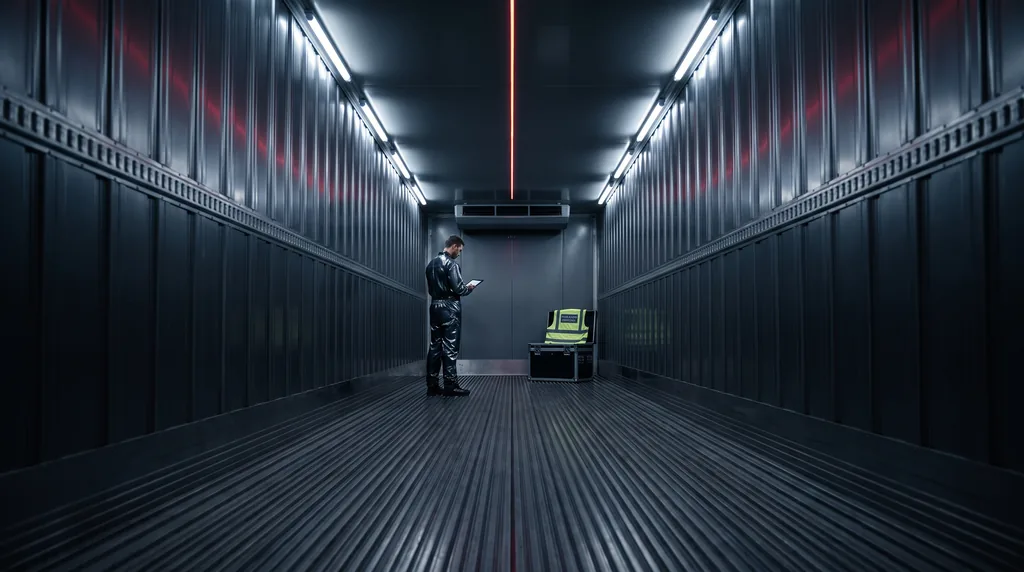
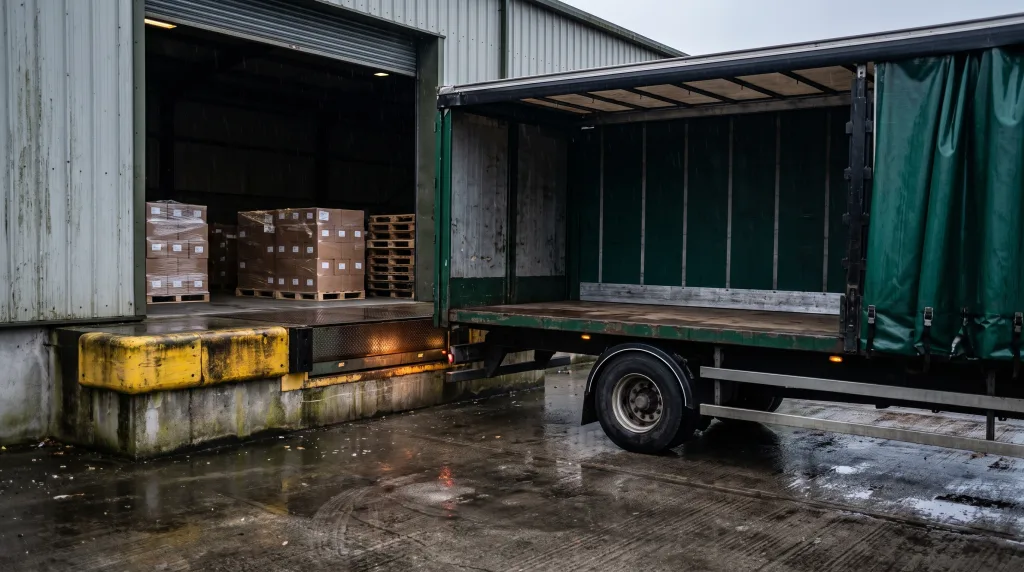
A breached trailer means two problems at once: damaged securing and a potentially contaminated or tampered load. In our Milton Keynes warehouse we take in such a trailer and run an inspection: we check the seals and signs of entry, assess whether the goods were moved, and look for packaging damage and traces of contact. On hygienically sensitive goods we use inspection under UV light, which we describe in the article on UV inspection and UVC decontamination. The full course of the goods check and the report format are described in the text on the cargo inspection process.
Food: a separate regime
If food travelled in the breached trailer, contact by unauthorised people can decide its fate: part of the batch may not be fit for onward trade, and the decision is made in line with food safety rules and the consignee procedures. We describe this scenario in the article on food safety after a trailer breach. We do not decide for the consignee, but we give them a documented basis for the decision.
Documentation: the key in a penalty and a claim
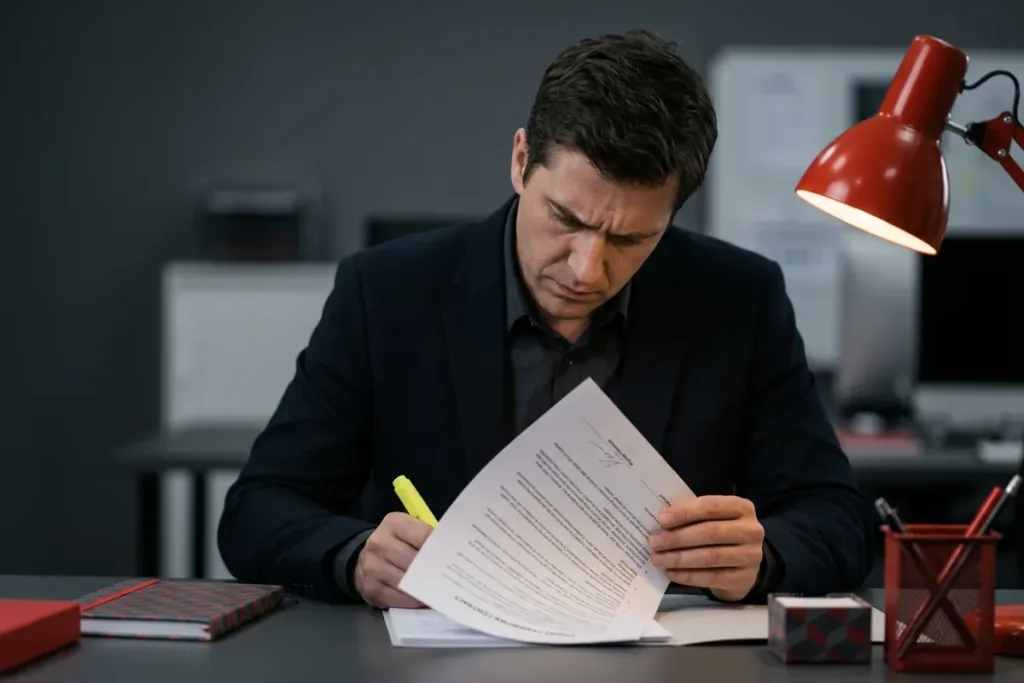
In a civil penalty case documentation can be the difference between a defence and its absence. So we gather the full set: evidence of the securing system used and its checks, a record of the event and the report, photographs of the state of the trailer and load, a description of the inspection and the actions taken. The same material then serves the consignee for the acceptance decision, and the sender and insurer for settling the loss. What such a warehouse report looks like is described around the Milton Keynes warehouse.
How do we handle such an event?
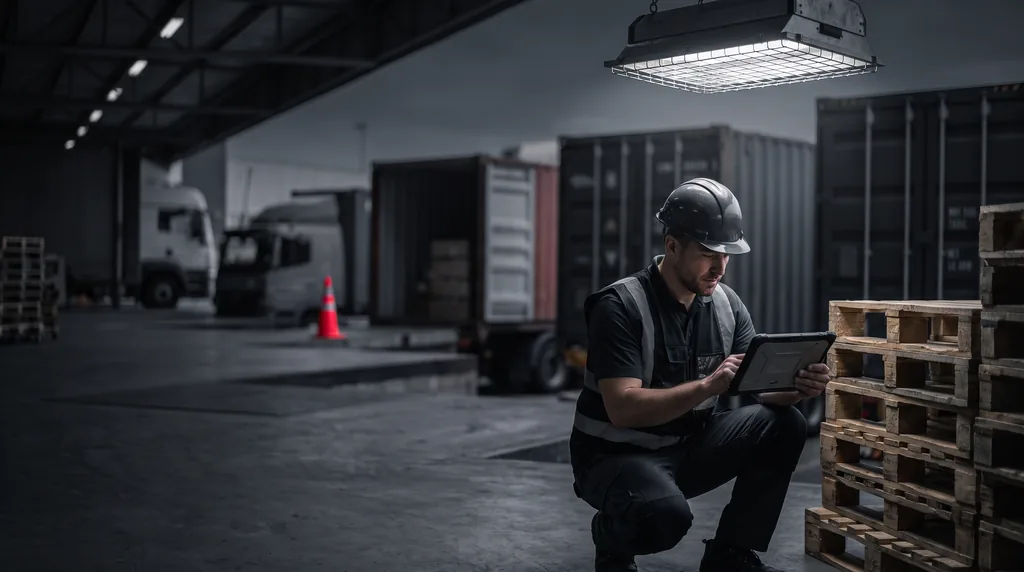
We route a breached trailer to our Milton Keynes warehouse, where within our warehousing and inspection services we take in the load, run an inspection, a UV check on sensitive goods and prepare the documentation. Goods that pass inspection return to circulation and move on to the consignee as a sound, documented delivery.
Step by step
- Securing the area. Remain calm, park in a safe location, and do not enter the cargo area unaccompanied.
- Notifying the authorities. Contact the local police and border force immediately to report the incident.
- Documenting evidence. Take clear photographs of broken seals, points of entry, and update your security checklist records.
- Transfer to warehouse. Move the trailer to an inspection facility for a thorough review of cargo condition and potential contamination.
- Issuing the report. Receive a detailed inspection protocol outlining any physical damage or cargo compromise.
Definitions
- Clandestine entrant: An unauthorised person who hides inside a vehicle or trailer to cross the border undetected.
- Civil penalty scheme: The British system of financial penalties imposed on carriers and drivers for failing to adequately secure a vehicle.
- Transport seal: A mechanical or numerical security device applied to the cargo space to confirm the integrity of the load.
- Evidence checklist: A control log completed by the driver to document required vehicle security checks prior to and during transit.
When does this rule not apply?
This procedure does not apply when transport is conducted entirely within domestic borders without crossing international checkpoints, unless specific contractual requirements mandate full security protocols against unauthorised access.
The OTSL role
We provide operational support and detailed inspection procedures if an entry attempt occurs on your route. Learn more about our Milton Keynes inspection facility and how we handle international road transport across European routes.
Sources
- GOV.UK: clandestine entrant civil penalty scheme
- GOV.UK: secure your vehicle to help stop illegal immigration
- GOV.UK: report illegal immigration
Have a breached trailer on its way to the UK or already on site? Describe the event in the contact form and we will take the load into the warehouse, run the inspection and prepare the full documentation.