When unauthorised individuals enter a trailer in transit, most often around the Calais crossing points, the load must be treated as potentially contaminated even if nothing looks damaged. We isolate such loads, inspect them under controlled conditions and split them into stock that can be recovered, stock that needs reworking and stock that has to be disposed of, with documentation at every step.
Situation
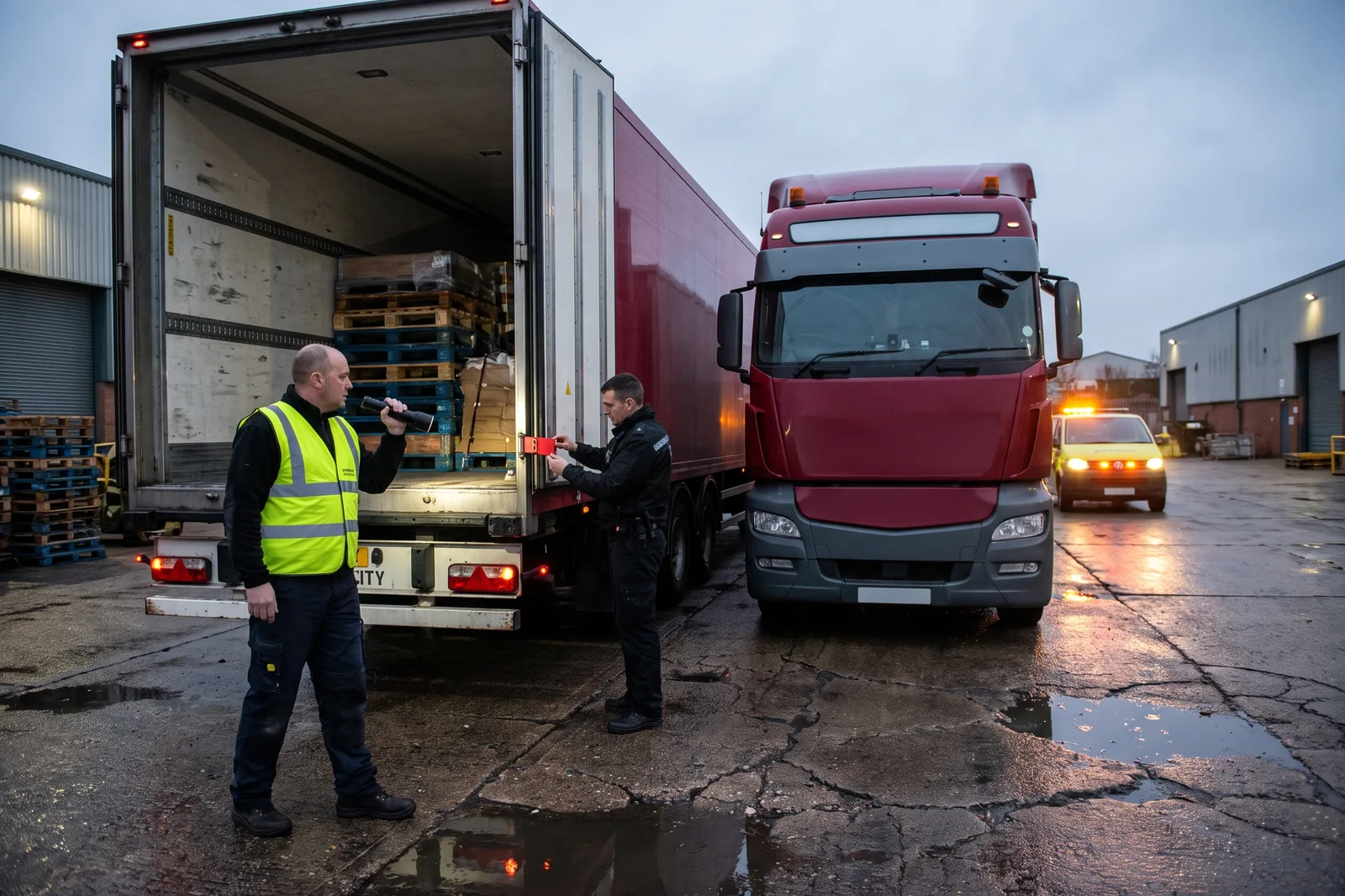
Unauthorised access to trailers on the routes into the UK is a standing risk, and it does not end when the intruders leave. The moment people have been inside a trailer, the integrity of the shipment is gone. For food products and consumer goods the problem is brutal in its simplicity: contamination from foreign objects or bodily fluids cannot be ruled out by looking at the load from the doors, so no receiver will accept it on trust.
The consequences stack up fast. Border Force checks can hold the vehicle, the delivery is likely to be refused, and the operator faces financial penalties on top of the commercial loss. Food business operators remain legally responsible for the safety of what they place on the market, which means an independent, documented verification of the load is usually unavoidable.
What we did
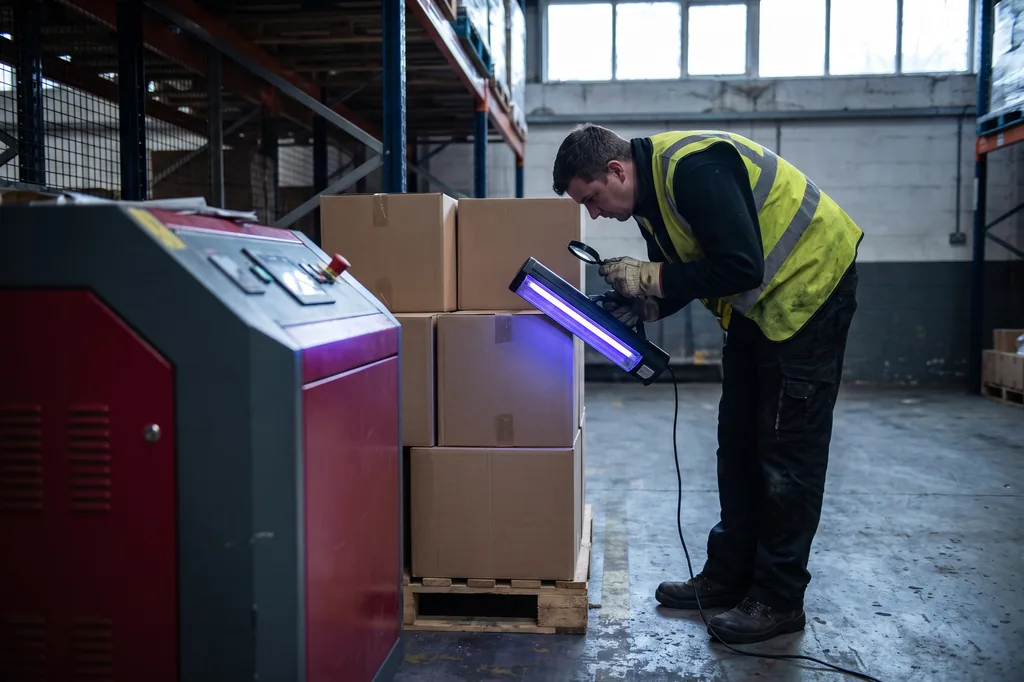
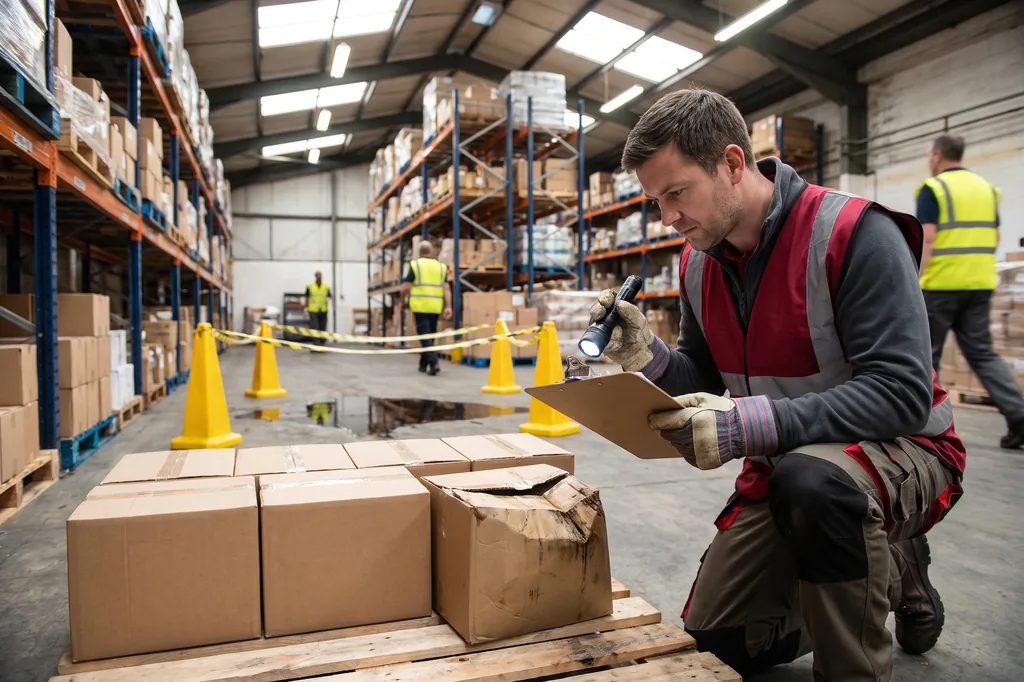
Loads like this come into our Milton Keynes warehouse, where the response follows a fixed pattern. The trailer is isolated and the load assessed under controlled conditions, starting with a full trailer inspection after clandestine entrants. The inspection determines three things: which goods can be recovered as they are, which need reworking, and which must be disposed of.
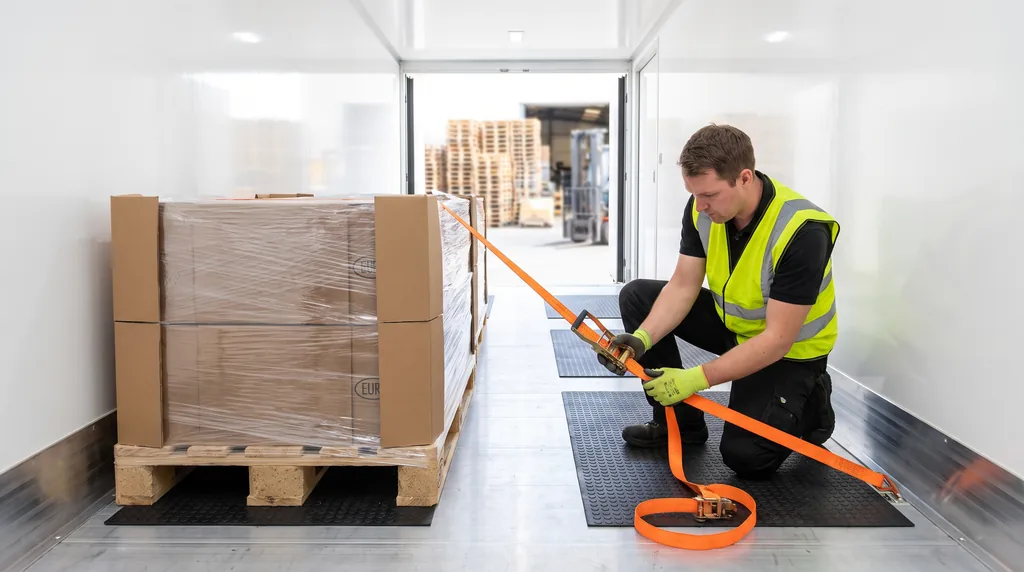
The recovery work itself typically covers segregation of affected products, pallet restacking and stabilisation, deep cleaning with a contamination assessment, and certified disposal of anything unsafe. Where the state of the goods is in doubt, a detailed cargo contamination inspection settles the question instead of leaving it to guesswork. Everything is photographed and reported, so the sender, the receiver and the insurer are looking at the same facts.
Outcome
Handled this way, a breached load stops being an unknown risk and becomes a documented decision: the clean stock goes back into the supply chain with an inspection report behind it, and the compromised stock leaves through certified disposal. Food safety compliance is preserved, the brand stays out of the story, and the wider supply chain is protected from a problem that would otherwise travel with the goods.
What this means for shippers
The most expensive mistake after a breach is pretending it did not happen. A quietly delivered compromised load can surface later as a consumer safety issue with the sender's name on it. The safer path costs less than it appears: isolate, inspect, document, recover what can be recovered. Our team runs this process 24/7.
Suspect your trailer was entered in transit? See our cargo inspection and recovery services or describe the case in the contact form.