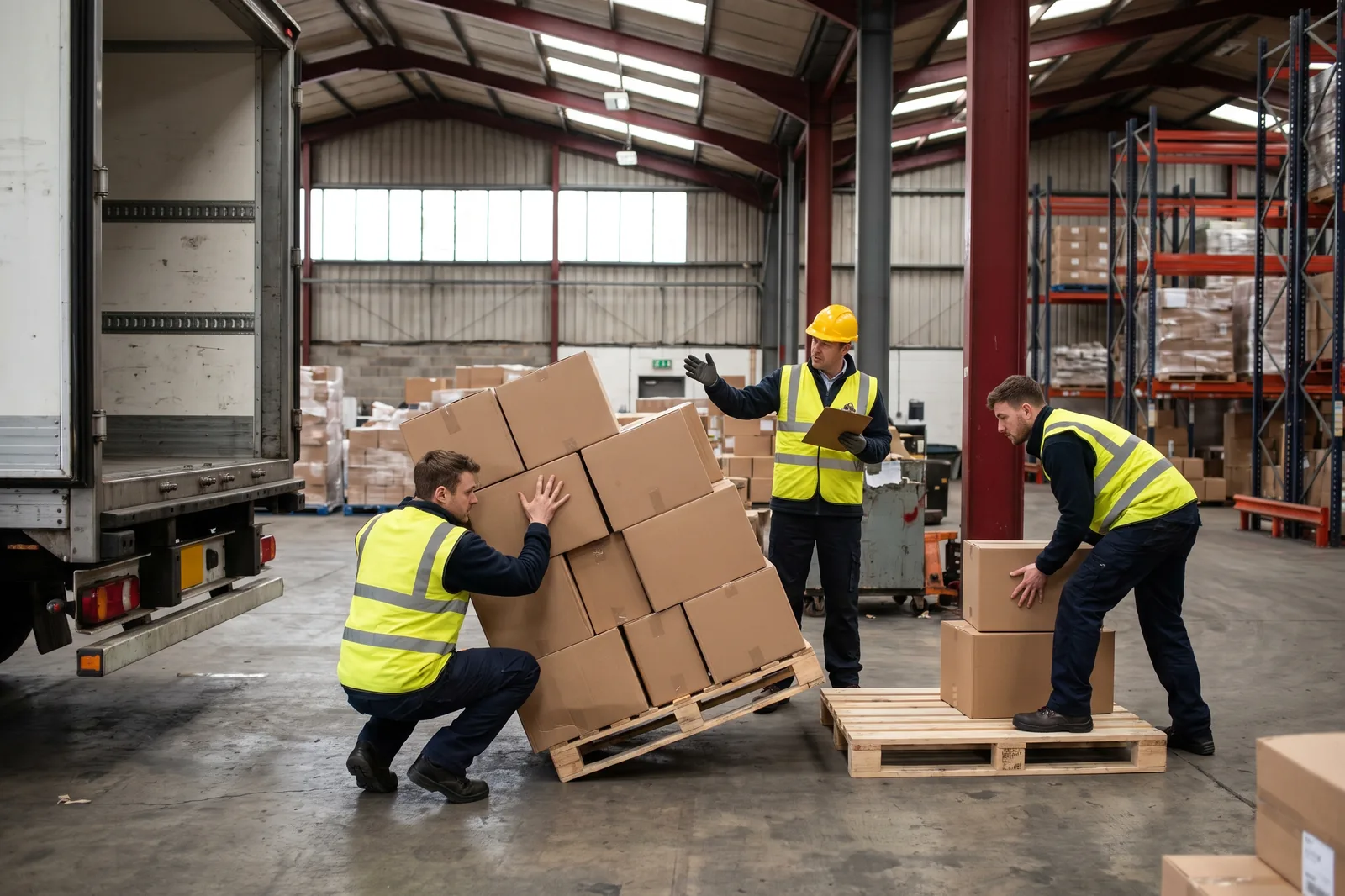
A refrigerated trailer carrying 24 pallets of milk, yoghurt and cream arrived at a supermarket distribution centre with six pallets leaning and loose cartons on the trailer floor. Unloading stopped on the spot. Because the goods were short-dated perishables, the retailer needed an immediate answer: can this load be saved? Worked at our Milton Keynes site, it could. All 24 pallets returned to distribution.
Situation
The trailer had held its chilled set point, so temperature was not the issue. Stability was. Hard braking had pushed pallets forward and sideways, wrap had failed, and cartons had dropped to the floor. A distribution centre cannot send forklifts into that, and with dairy the calendar is unforgiving: every day of delay eats shelf life the retailer will not accept, so a slow recovery is barely better than none.
What we did
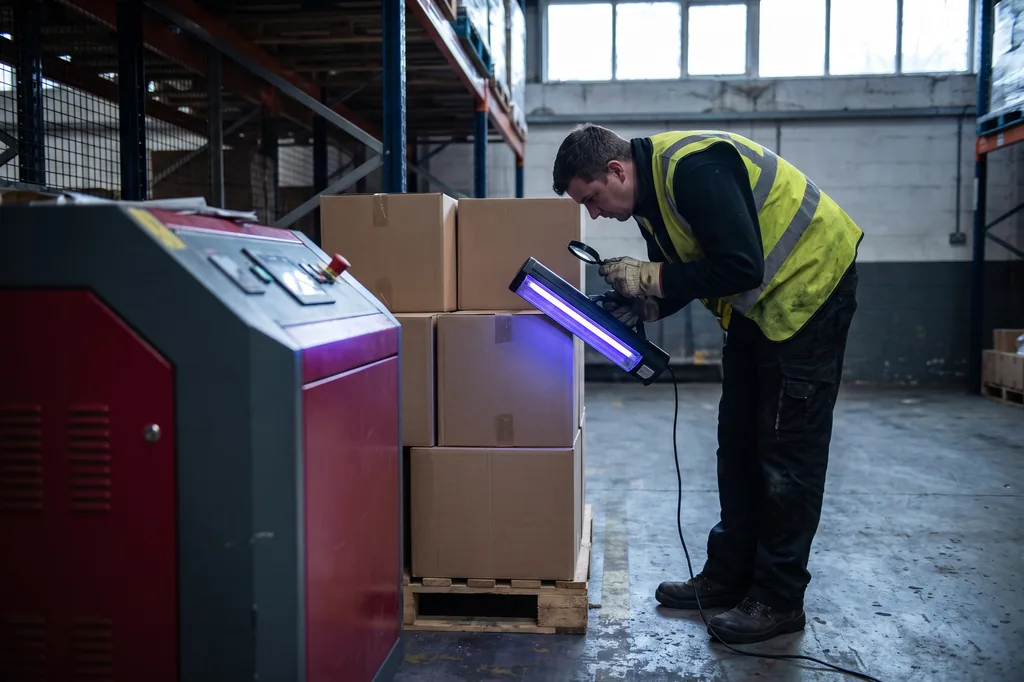
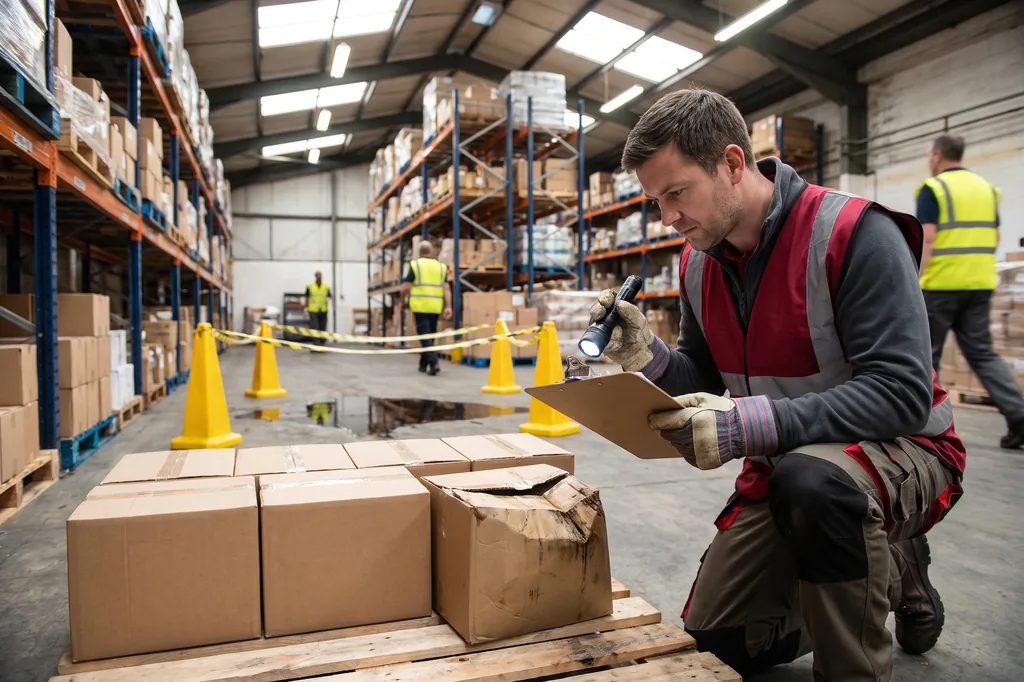
The load came to our Milton Keynes warehouse, where it was opened carefully and inspected pallet by pallet. Fallen cartons were set aside and assessed individually. The rebuild count: 20 pallets full restack, 2 partial, 2 untouched. Work ran in a temperature-controlled handling area, because a chilled product that warms during a rework is a rejection waiting to happen at the next gate.
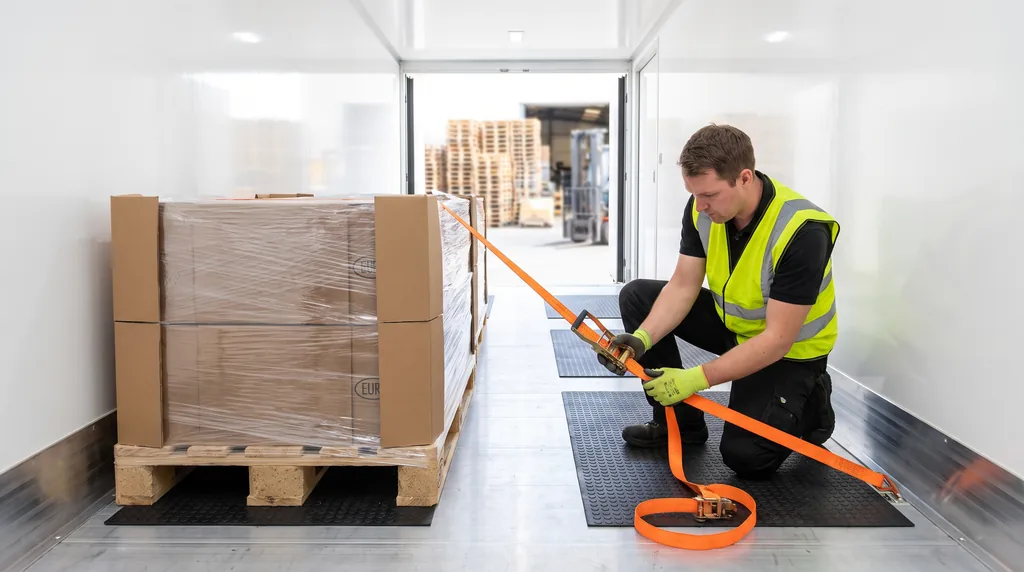
Cartons went back into correct patterns on sound pallet bases, new wrap went on, and the trailer was reloaded with even spacing. The whole operation was documented with photographs, inspection notes and restack records for the logistics provider and the insurer.
Outcome
All 24 pallets were recovered and the delivery continued with minimal disruption. No product was wasted, the retailer received stock it could still sell, and the paper trail showed exactly what had been done to the load and in what conditions.
What this means for shippers
With perishables, speed is not a nice-to-have, it is most of the value. A recovery site that starts at four in the morning saves loads a nine-to-five operation loses. Chilled handling sits within our multi-temperature storage, and the rework itself is described in pallet re-stow and load rearrangement. Dairy load stopped at a gate? Tell us in the contact form.