 AI image
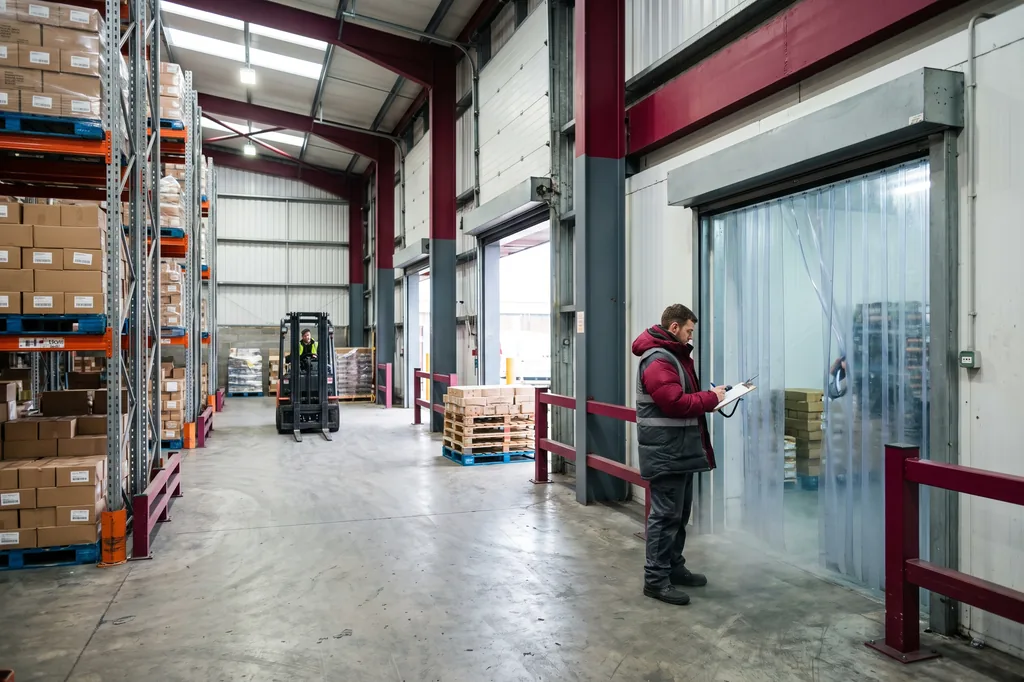
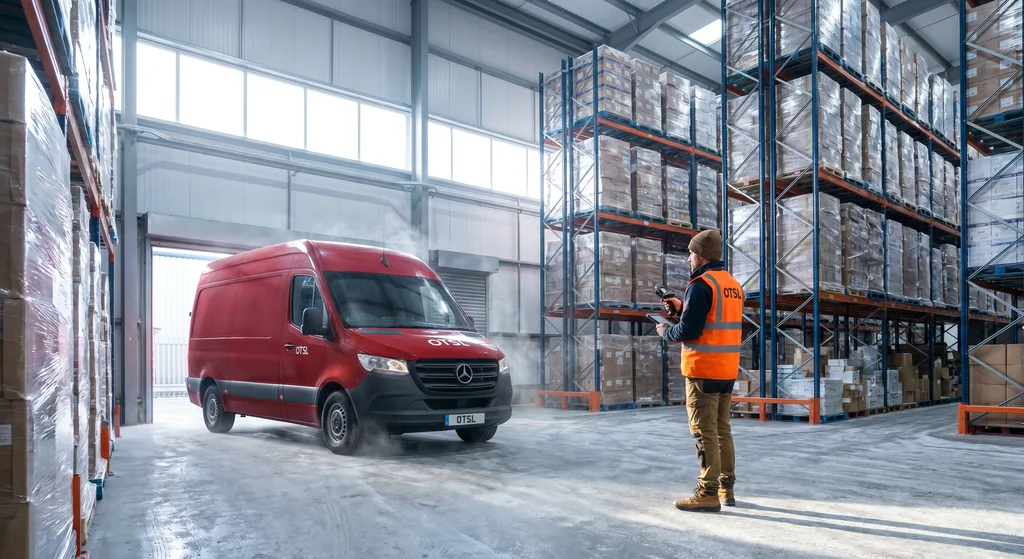
The OTSL warehouse in Milton Keynes has temperature-controlled zones and works around the clock. We receive goods straight from reefer trailers, keep the temperature regime in storage, run monitoring with recorded readings and offer food-grade repacking. It is a base for food exporters who need a buffer close to their British customers.
The Polish-language version of this article is the reference one. This is an informational translation.
Temperature-controlled zones
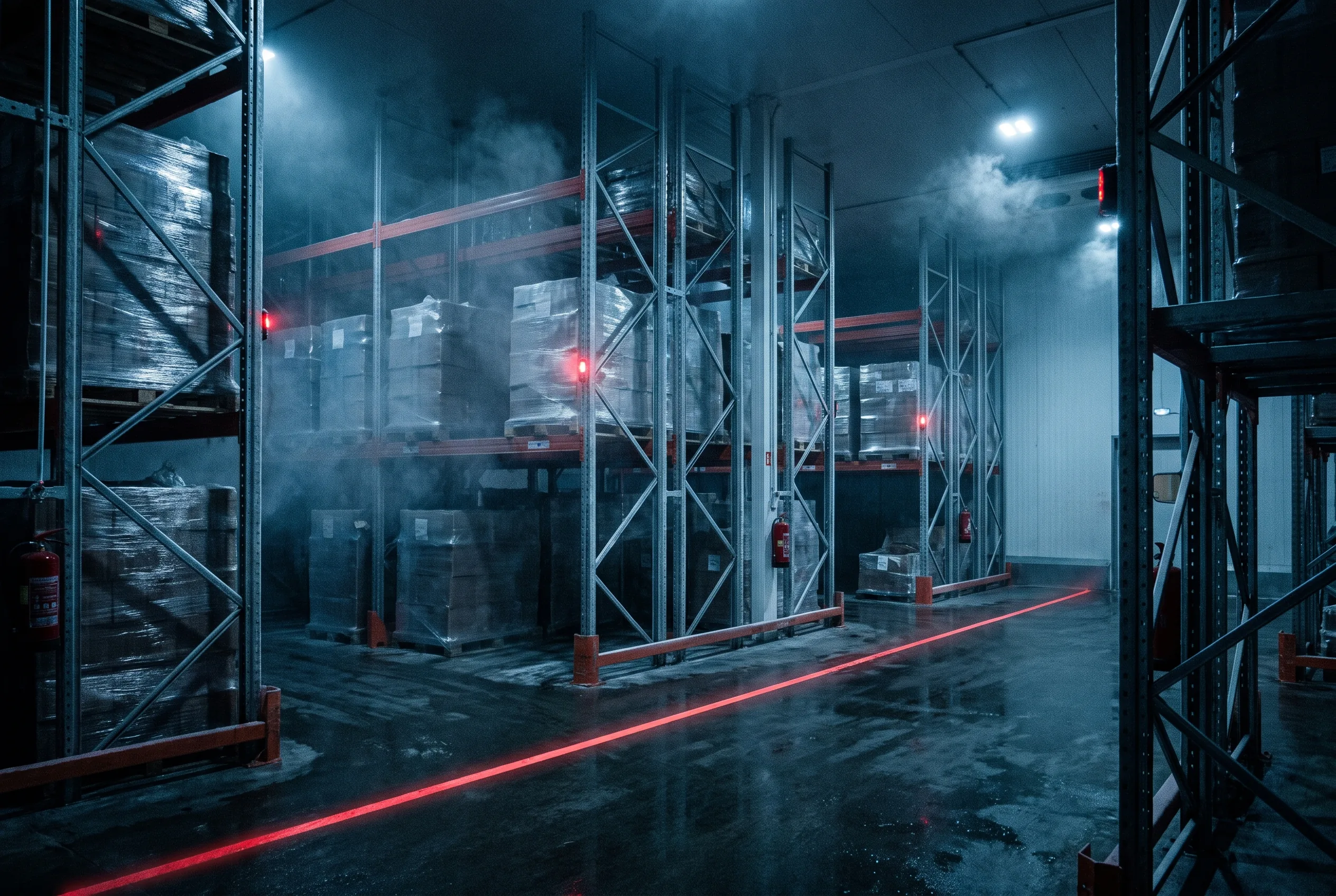
Different goods need different regimes: fresh food is one thing, heat-sensitive dry products another, cosmetics or chemicals yet another. In practice two regimes are the most common: chilled, usually in the 2-8 degrees Celsius band, and frozen, usually around -18 degrees Celsius. That is why we do not promise one universal temperature: the required regime, the storage time and the handling method are agreed individually before the goods arrive, so that the conditions in the zone match the product specification. The warehouse works 24/7, so the receipt does not have to wait until morning and the goods do not sit in the trailer longer than necessary.
Receiving goods from a reefer: what happens at the ramp
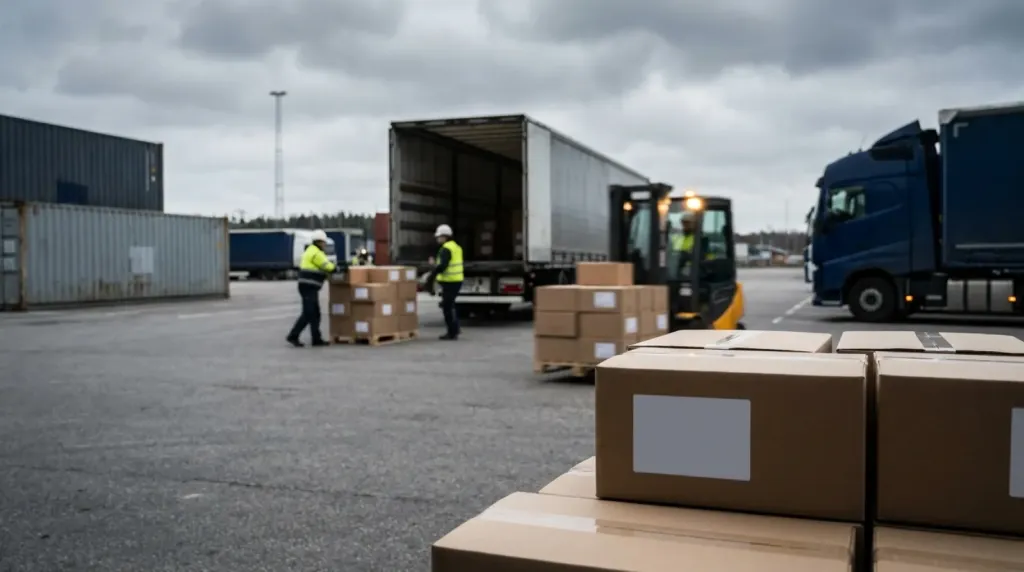
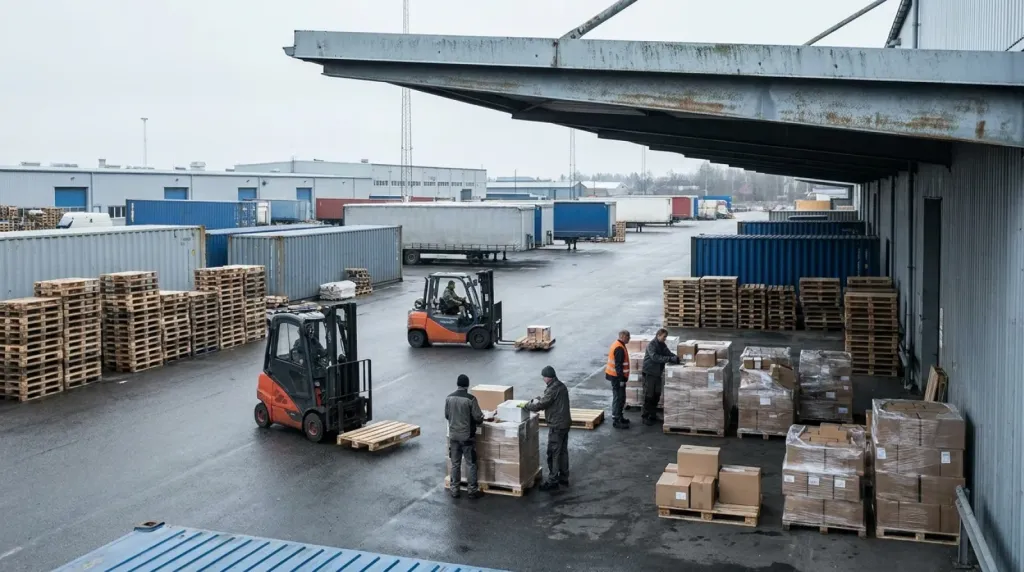
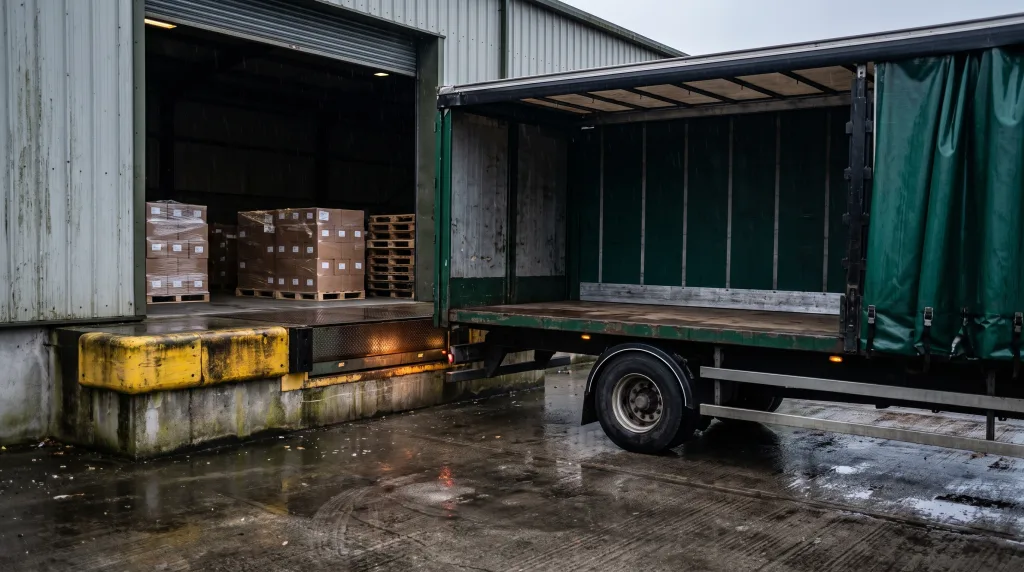
Most of the risk arises where transport meets the warehouse. Receipt from a reefer trailer therefore follows a fixed order: checking the documents and the temperature records from the carriage, checking the condition of the goods and packaging during unloading, measuring the temperature at receipt and moving the pallets quickly to the right zone to shorten the time outside chilling. Discrepancies are described immediately in the receiving documents: this is the stage that decides whether a possible claim lands on the carrier, the warehouse or the shipper.
Temperature monitoring and records
The temperature-controlled zones are monitored continuously and the readings are recorded. When a consignee or an auditor asks in what conditions the goods were kept, the answer comes from a record, not from the memory of a warehouseman. The same documentation is evidence in complaints and claims: without it, a dispute about where the cold chain was broken usually ends badly for the party without records.
Food-grade repacking
Some goods must be prepared for the requirements of the British consignee before delivery: exchanging pallets, changing the case configuration, applying labels that match the retail chain requirements, building mixes. For goods that need chilling, this work is organised so that the cold chain is not broken. How repacking works in practice, we describe in the article on repacking in a UK warehouse.
UK requirements: registration and supervision
Handling food in the United Kingdom sits within the Food Standards Agency framework and under the supervision of local authorities. According to GOV.UK guidance, companies that store, handle or distribute food register as a food business with the local authority, as a rule at least 28 days before starting to trade, and on-site supervision is carried out by local environmental health officers. Daily work rests on a food safety management system based on HACCP principles and on keeping the cold chain unbroken in storage and transport.
Who this base is for
- Food exporters to the UK who want to keep stock close to their customers instead of hauling every batch from Poland at the last minute
- Companies whose delivery was rejected by a retail chain and who need a place to decide: repacking, redelivery or disposal
- Loads after an incident on the road that need assessment and sorting out: we describe this in the article on the recovery warehouse in Milton Keynes
- UK importers consolidating deliveries from several European sources before distribution
Why is cold chain continuity in the warehouse critical for food products?
A single break in chilling can damage sensitive food items and lead to the disqualification of an entire batch of goods.
Step by step
- Reception from trailer. Goods are accepted directly from the transport vehicle while maintaining the required chilling regime.
- Temperature verification. Thermal recorder readings are checked during the unloading of the batch.
- Placement in zone. Products are directed to the appropriately adapted chilled or frozen area.
- Continuous monitoring. Environmental parameters in the facility are recorded around the clock.
- Preparation for dispatch. Goods are packed and prepared for further transport to the recipient.
Definitions
- Cold chain: The process of maintaining required goods temperature at every stage of transport, transhipment, and storage.
- Temperature-controlled zone: A designated area in a warehouse intended for storing goods under strictly defined thermal conditions.
- Food-grade standard: A set of sanitary requirements ensuring safe contact of equipment and packaging with food products.
- Storage buffer: A designated space for temporary storage of goods close to customers before further distribution.
When does this rule not apply?
The requirement to maintain a strict temperature regime does not apply to ambient goods that are not sensitive to temperature fluctuations during storage and transport.
The OTSL role
When organising shipments of temperature-sensitive goods to Great Britain, OTSL provides temperature-controlled transport and warehouse support in Milton Keynes. You can learn more about managing cold logistics by checking our article on temperature-controlled transport standards. See also: Short-term storage with temperature control in the UK | OTSL.
Sources
- GOV.UK: food business registration
- GOV.UK: food hygiene for businesses
- Food Standards Agency (UK): the food safety authority
Need a temperature-controlled buffer on the British market? See the Milton Keynes warehouse and temperature-controlled transport, or describe the goods and the required regime in the contact form.