 AI image
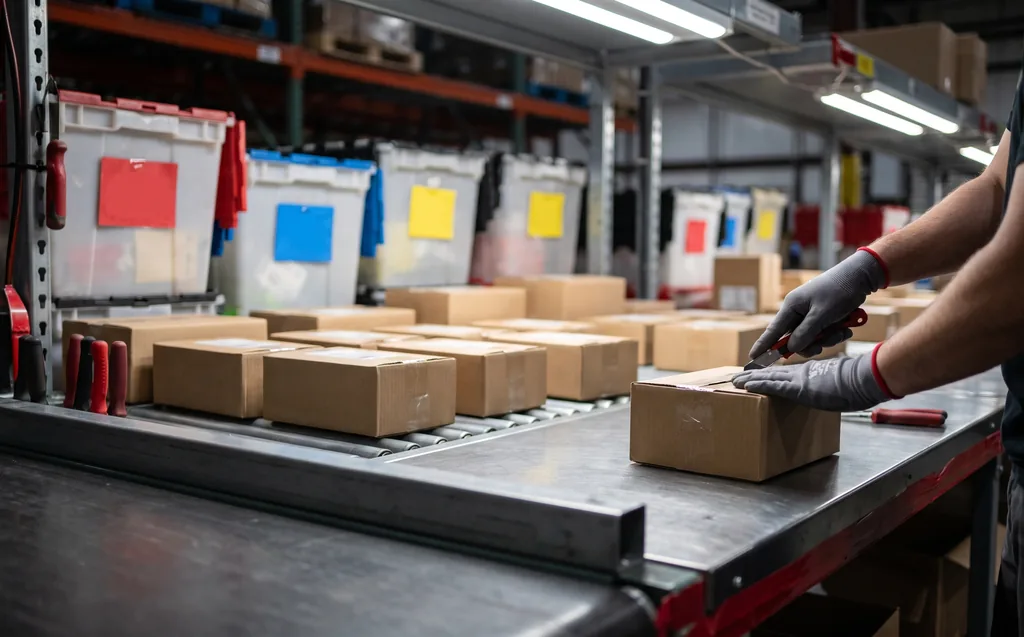
A UK returns address is a physical warehouse in the United Kingdom to which your customers send parcels back. At OTSL the return arrives at our Milton Keynes warehouse, where we receive it, scan it and assign it to your account, inspect the goods and send a photo report usually within 1-2 working days, then carry out your decision: re-dispatch within the UK, repacking, consolidation to Poland with customs clearance, or documented disposal.
The scale of the problem: UK returns are not a footnote
The United Kingdom is the most online retail market in Europe: internet sales account for roughly 27-28% of all retail sales according to the ONS J4MC series. With that volume come returns: the ZigZag and Retail Economics UK Returns Benchmark 2025 puts the value of UK non-food returns at around GBP 25.1 billion in 2025, with the returns rate down from about 21% to about 19.5%. Even after that improvement, one in five items bought online goes back. If you sell into the UK from Poland or the EU, the question is not whether you will get returns, but what happens to them.
Three bad options for a seller without a UK warehouse
A seller without a local address has three ways out today, and each costs more than it looks.
1. An international courier for every parcel
Sending a single parcel back from the United Kingdom to Poland costs tens of pounds, plus export formalities and transit time. For goods worth less than the freight itself the sum makes no sense, and at any real returns volume single couriers eat the margin of many successful orders.
2. A refund without taking the goods back
The second option is to refund without asking for the item. Convenient for very cheap products, but at any real value it means giving away both the money and the goods without even seeing whether the claim was justified. That policy quickly teaches dishonest buyers that refunds from you are free.
3. A random warehouse that just shelves the parcel
The third option is an acquaintance's address or a cheap unit that accepts the parcel and puts it on a shelf. No scan, no inspection, no report. A year later you own a pile of boxes in a foreign country with unknown contents and a value nobody can account for.
The stake is concrete: frozen stock, refunds with no recovery, and a customer who waits longer for a returns decision than for the delivery, then writes a review about it.
How ReturnHub works at OTSL
1. Receipt: parcels and pallets, 24/7
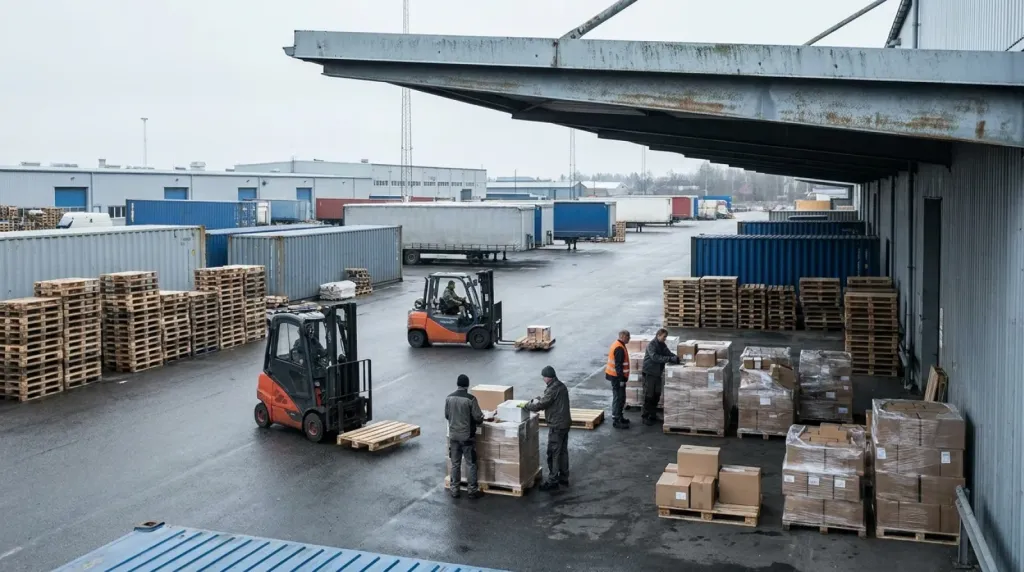
Your customer or their courier delivers the return to our warehouse address: OTSL, 36 Clarke Road, Bletchley, Milton Keynes MK1 1LG. We take in single courier parcels as well as full pallets, for example bulk marketplace returns. The warehouse runs 24/7, so the shipment does not bounce off a closed gate.
2. Scan and assignment to the seller
Every shipment is scanned at goods-in and assigned to a specific seller. From that moment the parcel is not an anonymous box but a line on your account, with a receipt date and a tracking number.
3. Inspection and a photo report within 1-2 working days
We open the parcel, examine the goods and document the condition with photos: product, packaging, completeness, signs of use. The report with our assessment reaches you by e-mail usually within 1-2 working days of receipt. You see exactly what we see and decide on facts, not on the buyer's description.
4. A decision under your rule: A, B, C or D
- A. Re-dispatch within the UK. Goods in full condition go back on sale and travel to the next customer by British domestic post.
- B. Repacking and a new label. When only the packaging suffered, we repack the product and apply a new label so it is fit for resale.
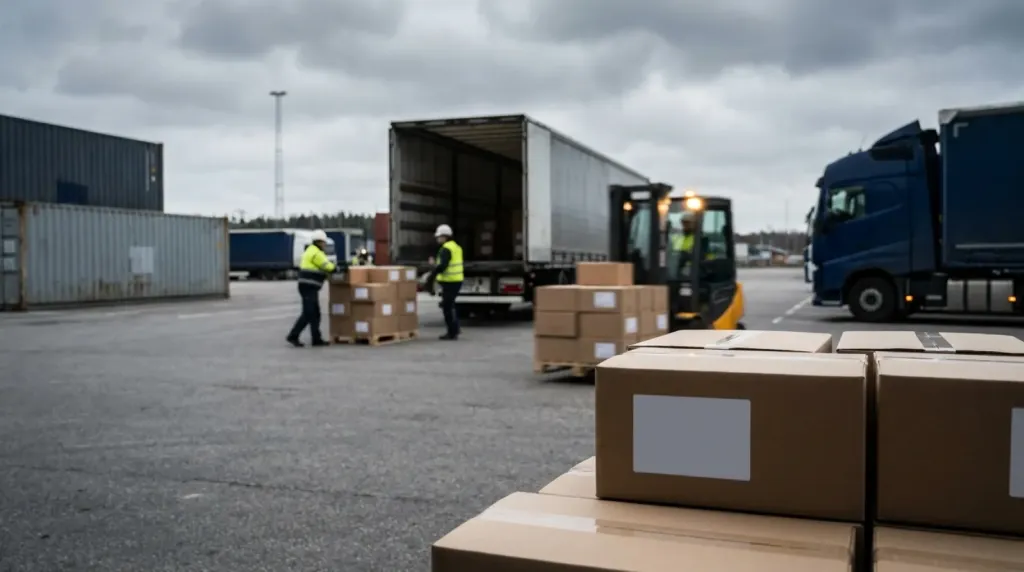
- C. Consolidation and collective transport to Poland. Returns are gathered onto pallets and shipped home on our regular UK-PL runs, with customs clearance on both sides.
- D. Documented disposal. Goods with no commercial value are passed for disposal through licensed waste carriers, with documentation.
You set the rule once, for example: electronics always return to Poland, clothing below an agreed value goes to disposal, the rest back on sale. We execute, you keep control.
Why a fast report has real value: 14 days to refund
The UK Consumer Contracts Regulations 2013 (reg. 34) give the seller 14 days to refund, counted from getting the goods back or from the consumer's evidence of having sent them. Without a UK address that clock ticks while your parcel is crossing the Channel. With a local address and a report in 1-2 working days you have time to assess the condition of the goods before refunding: you see whether the product came back complete and unused before the money leaves. That is the difference between a controlled process and refunding blind.
Consolidation to Poland and customs clearance
Returns heading home do not travel one by one. We gather them onto pallets and ship them collectively on regular UK-PL transport, with clearance handled by our own customs agencies on the British and the Polish side. For goods returning to the EU the right declaration matters for tax, because returning your own goods can be settled without paying duty again. The customs side is covered in our article on returning goods from the UK to Poland, and the wider shipping context in the piece on e-commerce transport to the UK.
A food-safe warehouse, not a random shelf
Returns arrive at our Milton Keynes warehouse, which handles food products to a food-safe standard and holds the top hygiene inspection rating. For a seller of food, supplements or cosmetics that is the entry condition: a return cannot sit next to random cargo. Operationally, ReturnHub is part of our wider returns and reverse logistics in the UK, alongside repacking, re-labelling and consolidation.
Why is a local UK returns address important for cross-border e-commerce?
A local UK returns address enables customers to return items using cheap UK domestic postal services instead of expensive international shipping. This removes purchase hesitation, allows fast inspection of returned goods, and enables sellers to consolidate items before shipping them back across the border with proper customs clearance.
Step by step
- Provide returns address. You share the UK warehouse address with your buyer as the designated return destination.
- Parcel receipt. The warehouse accepts the returned package from a UK courier and logs it into the system.
- Condition inspection. Warehouse staff open the parcel, inspect the contents and compile a detailed photo report.
- Decision selection. You decide whether to re-dispatch the item within the UK, repack, consolidate or dispose of it.
- Instruction execution. The facility carries out your chosen action and prepares the item for dispatch or disposal.
Definitions
- Returns address: A UK domestic location provided to buyers for returning unwanted or damaged goods.
- Returns consolidation: Combining multiple individual return parcels into a single bulk shipment for transport.
- Photo report: Photographic documentation showing the physical condition of returned items and packaging upon arrival.
- Customs clearance: The formal border declaration required for moving goods between the UK and the European Union.
When does this rule not apply?
Standard return processing does not apply to hazardous goods or regulated substances, unless specific handling procedures have been arranged prior to arrival.
The OTSL role
OTSL manages UK return logistics through its facility in Milton Keynes, receiving and checking incoming parcels. For shipping consolidated packages back across the border, we offer groupage (LTL) services alongside handling solutions detailed in our guide on Milton Keynes warehouse services.
Sources
- ZigZag / Retail Economics: UK Returns Benchmark 2025
- ONS: internet sales as a percentage of total retail sales (J4MC)
- Consumer Contracts Regulations 2013, reg. 34: refund deadlines
Want to give your customers a British returns address and stop paying extra on every return? See the UK returns address and handling service and describe your sales in the contact form, we will come back with a concrete proposal.