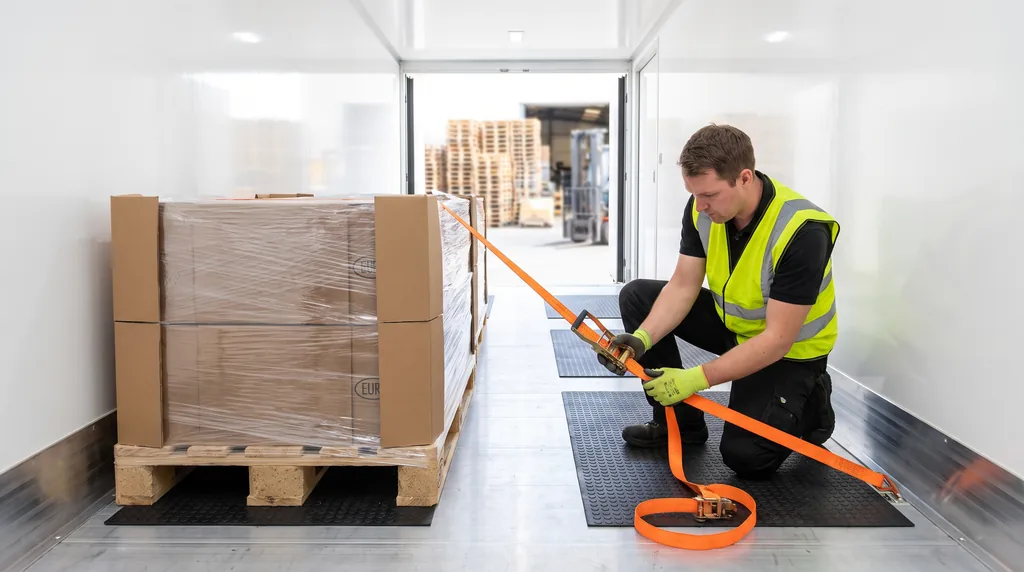
A full trailer of jarred pickled fish was rejected at a UK distribution centre after several containers leaked brine in transit, soaking outer packaging and putting neighbouring pallets at risk. Our team contained the spill, inspected every unit, repacked the jars with intact seals into clean food-safe materials and arranged disposal for the rest. The delivery was re-presented and accepted.
Situation
Liquid-based food products are unforgiving in transport. The load left a food production facility in good order, but movement in the trailer during transit caused jars to leak brine. The liquid spread across several pallets, cartons became saturated and weak, and labels were compromised. On arrival, hygiene rules did what hygiene rules do: the whole delivery was refused and the shipment was classified as a contaminated load.
The stakes were clear. Without controlled intervention the entire trailer was heading for disposal, including hundreds of units whose seals had never been broken. Every day of standstill also pushed the products closer to the end of their shelf life, and a chilled dock does not wait for anyone.
What we did
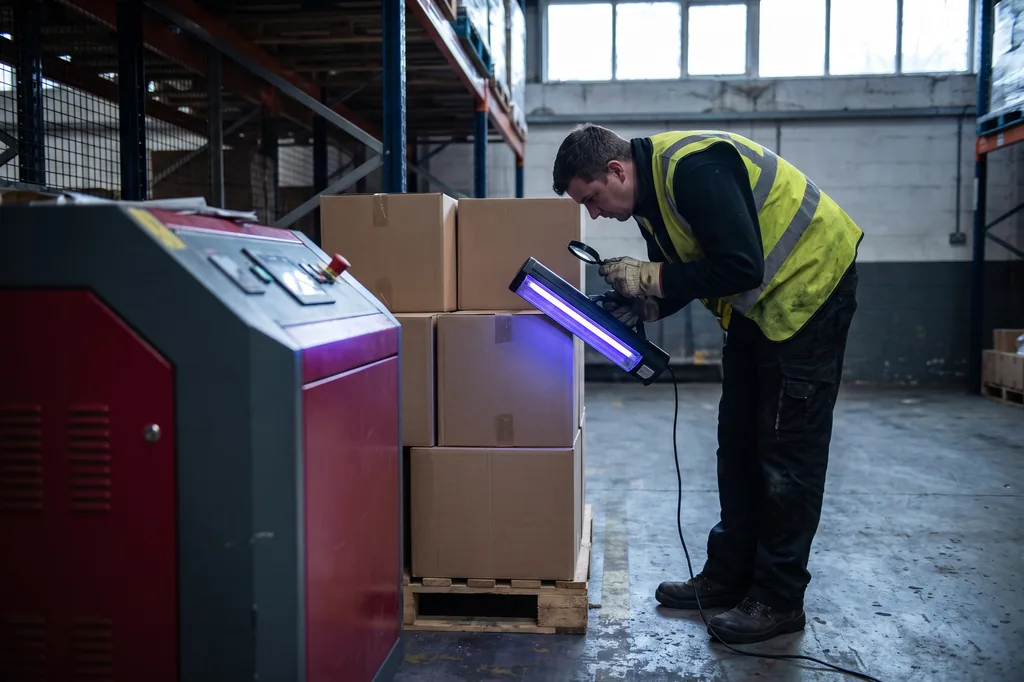
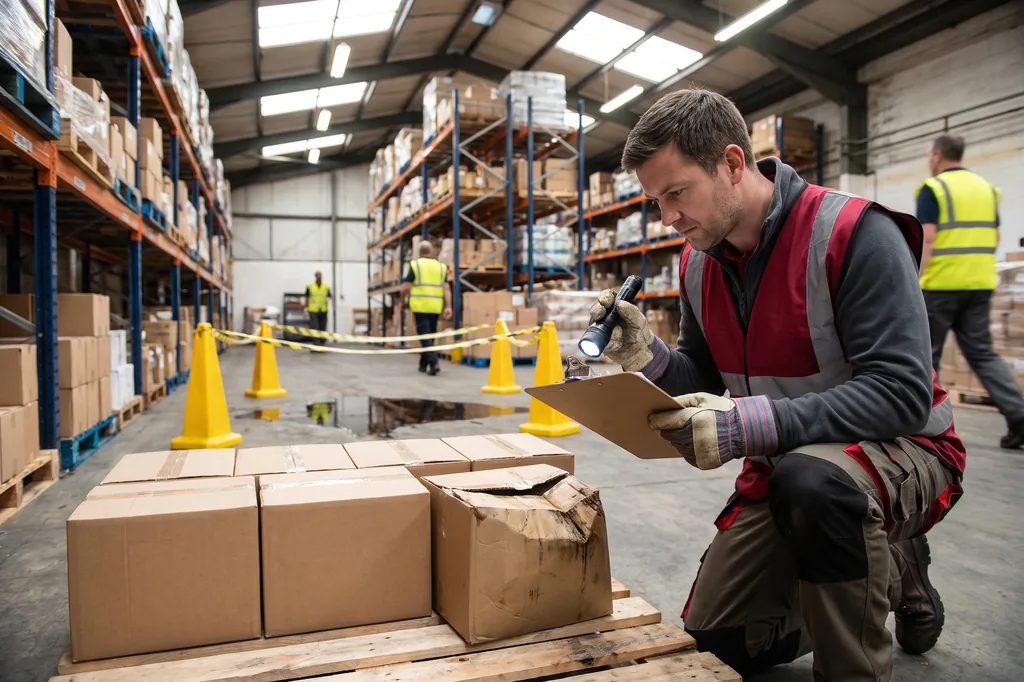
First, containment. The affected pallets were isolated, spill areas were cleaned and controlled, and the spread of liquid between pallets was stopped. Only then did the detailed work start: every unit was checked for seal integrity, external contamination and packaging condition, the same discipline we apply in a sanitary inspection of food cargo.
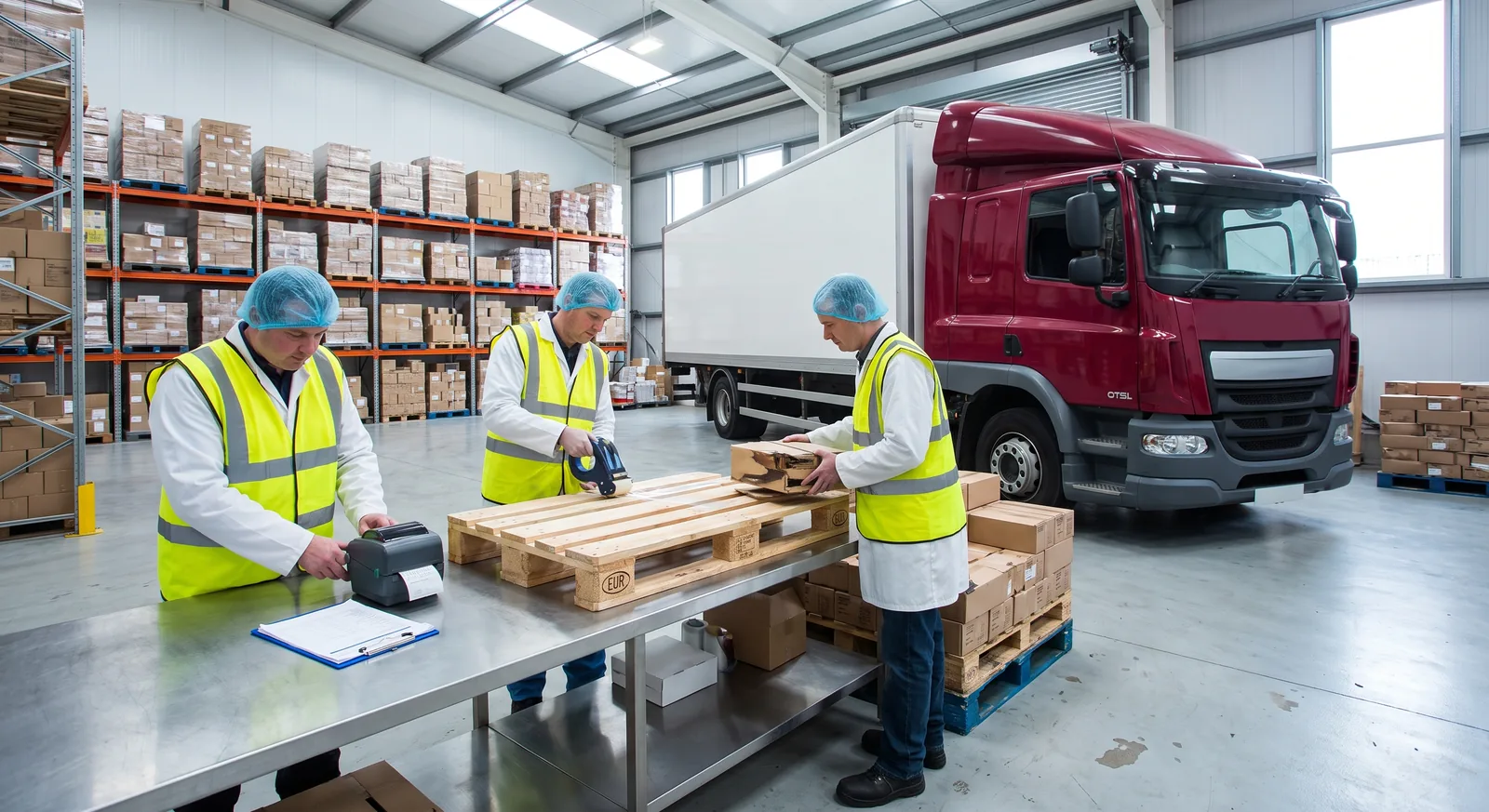
The stock was then split into three groups: fully recoverable products, products needing repackaging, and goods beyond recovery. Jars with intact seals were taken out of their saturated cartons, repacked into clean food-safe materials and re-labelled where the original labels were damaged. Pallets were rebuilt and re-wrapped so they could be handled and scanned normally. The non-recoverable portion went to certified disposal in line with UK regulations, and the whole operation was documented with photos, condition reports and disposal records for insurance.
Outcome
The majority of the stock was recovered and repackaged. The contamination was contained and eliminated instead of spreading through the load, and the rejected delivery was converted into an accepted shipment. The sender lost the leaking units, not the trailer.
What this means for shippers
A leaking container does not have to condemn a full load, but somebody has to prove which units are safe. Distribution centres reject on the state of the outer packaging, because that is all they can see at the dock. A documented unit-by-unit inspection and food-grade repack gives them a reason to say yes at the second attempt, and a second attempt is the one you cannot afford to fail.
Dealing with a leaking or liquid-damaged food load? See our cargo inspection and recovery services or describe the case in the contact form.