 AI image
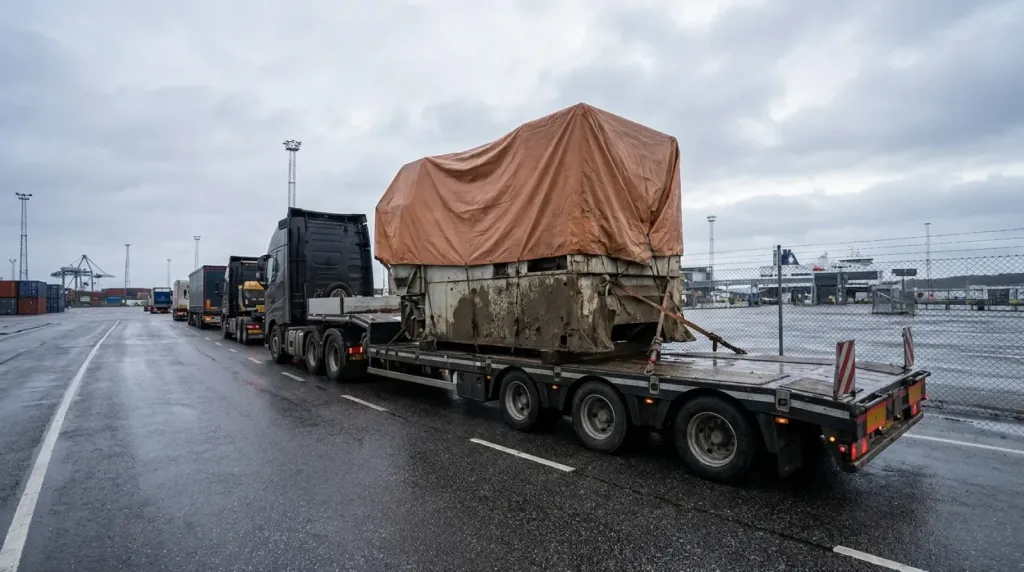
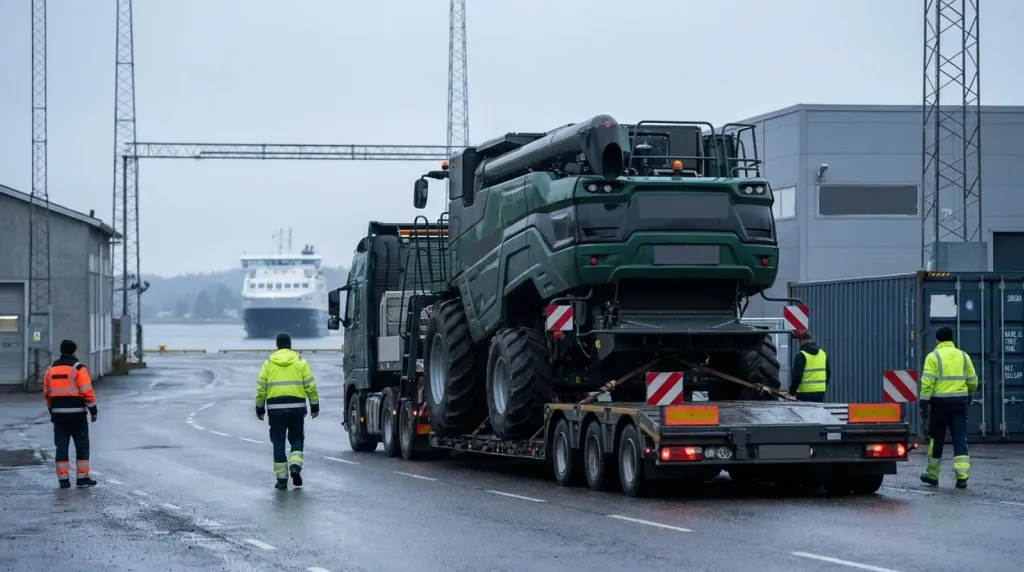
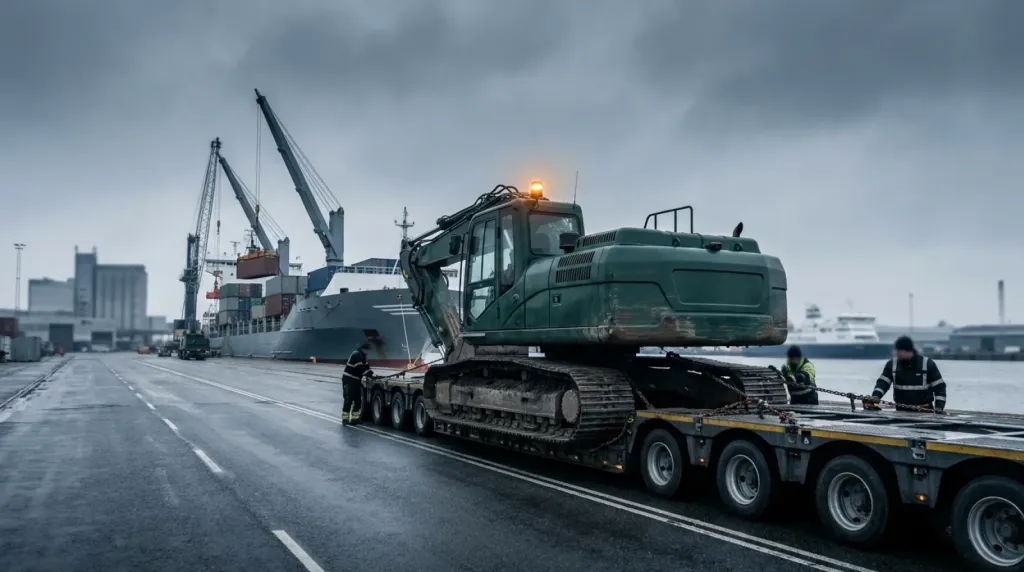
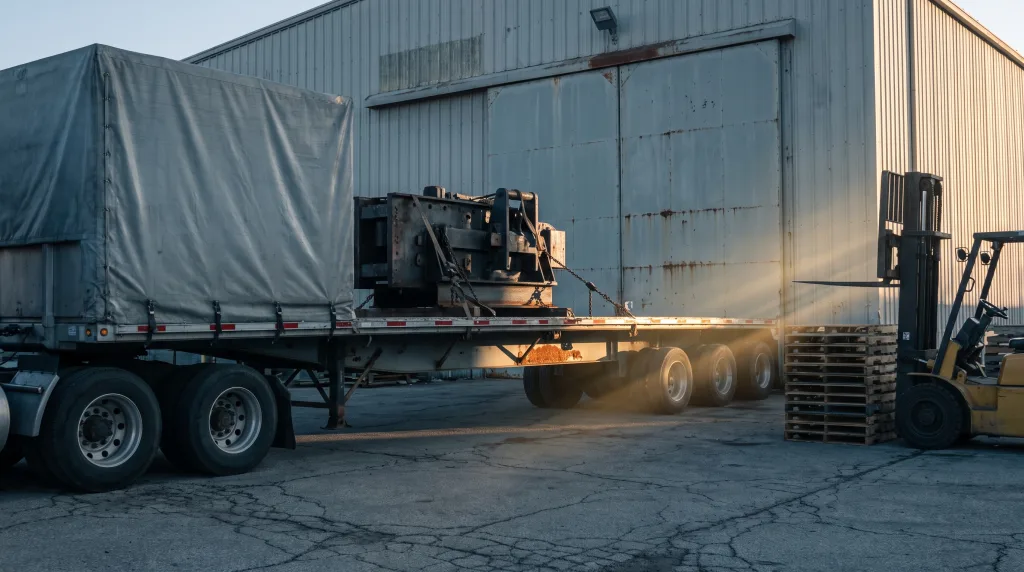
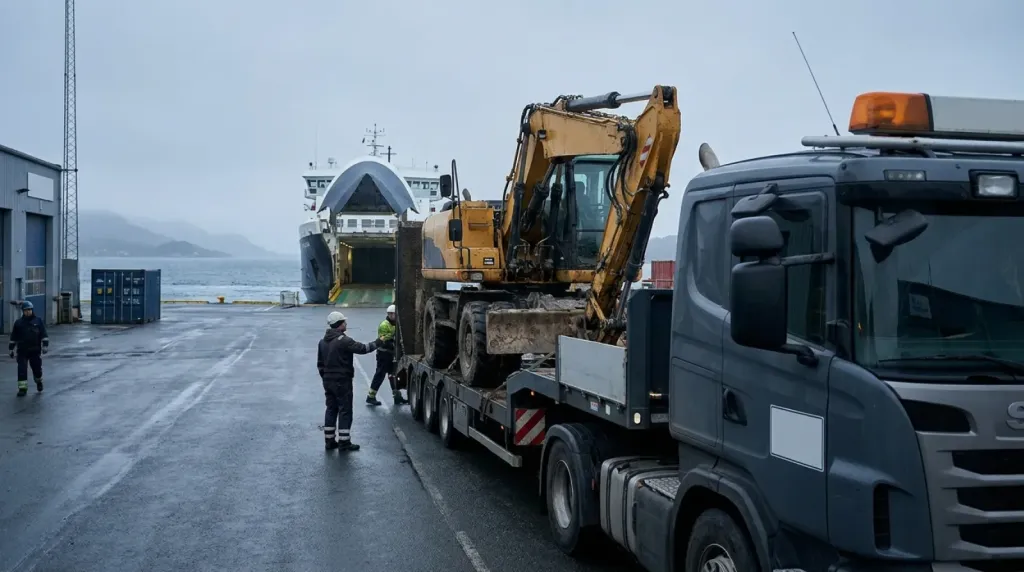
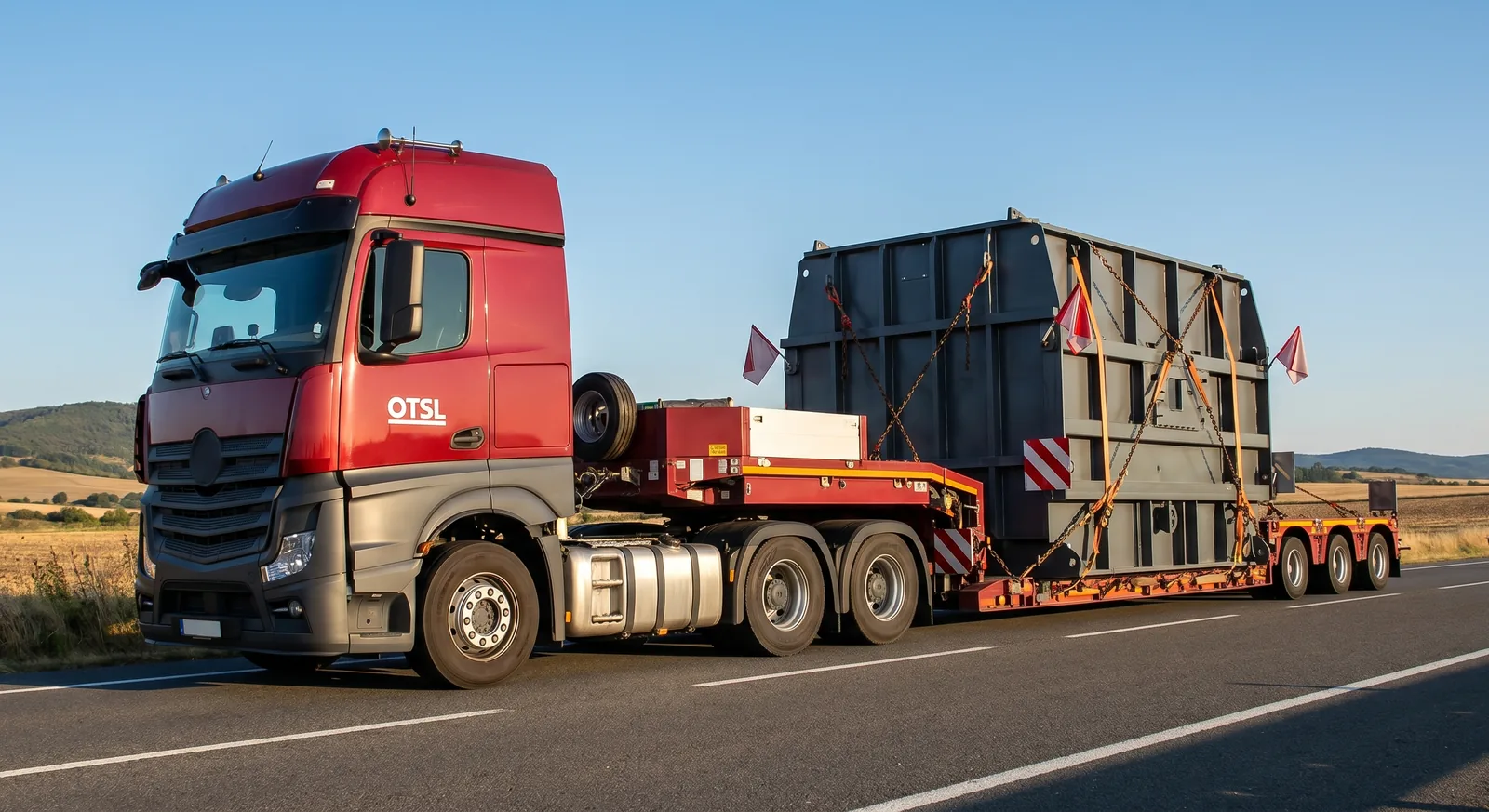
Out-of-gauge and special loads at OTSL are shipments beyond standard dimensions or weight, carried on flatbeds, BDE and low-loader trailers. We match the trailer to the actual machine or structure, plan the route around clearances and axle loads, and coordinate permits and escorts before departure. Built for machine builders, construction and steel-structure companies.
The same job goes by several names: abnormal load transport, oversized transport or out-of-gauge haulage. They all mean one thing: the cargo exceeds the standard dimensions or weight, so a permit of the right category is required before departure. In the EU the standard limits under Directive 96/53/EC are 2.55 m width, 4.0 m height and 16.5 m of vehicle length. Crossing any single threshold triggers the abnormal-load procedure.
What it covers
- Transport of machinery, steel structures, tanks and oversized components.
- Matching the trailer to the load: flatbed, BDE step-frame or low-loader.
- Checking dimensions, weight and lifting points before loading.
- Route planning around clearances, bridge capacity and permitted axle loads.
- Coordinating abnormal-load permits of the correct category.
- Arranging escort vehicles where the parameters call for them.
- Securing the load to good practice and the EN 12195 standard.
- Agreeing the delivery window and unloading conditions on site.
How we do it
We start from data: exact dimensions, weight, centre of gravity and lifting points. On that basis we pick the trailer and calculate the travelling envelope, because the permit category follows the single worst parameter, not an average.
Then we plan the route. We check bridge capacity, viaduct heights and permitted axle loads along each leg, and on cross-border moves we line up each country's requirements separately. Only then do we apply for permits and, where the parameters demand it, book the escort. Finally we set the loading and unloading window, the securing method and crane presence. The client keeps a single point of contact for the whole move.
Service boundaries (what it does NOT cover / what to know)
We do not give engineering advice on how the load itself is built, and we do not replace a qualified crane operator on the consignee's side. Lead times depend on the authority issuing the permit and can be longer than for standard freight, so a last-minute booking can push the whole shipment. The 2.55 / 4.0 / 16.5 m limits apply in the EU; outside it, local rules govern. If the declared dimensions or weight turn out to be understated, the route and permit category may be wrong, which means a standstill, a turn-back at the border or a fine at a roadside check. Verifying the figures up front is cheaper than a stopped rig and an installation crew waiting on site.
See also
- Abnormal load transport: permits and escorts, UK and Poland
- Securing cargo in practice: straps, mats, blocking bars, corners
- Project cargo and construction-site logistics
- Construction-site delivery: crane unloading, how to plan
- Delivery to hard-to-reach places, no loading dock
- Cargo insurance versus carrier liability