 AI image
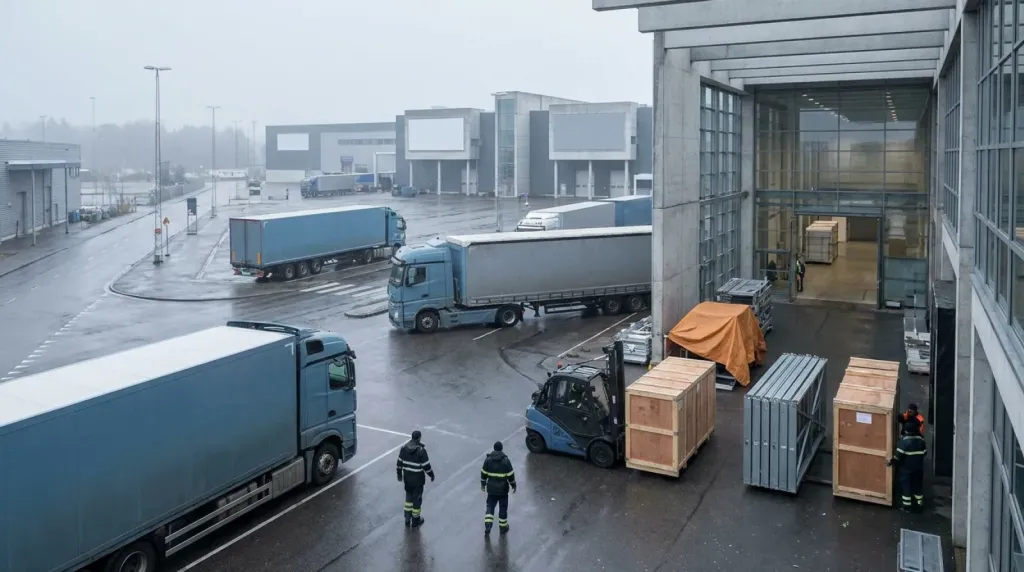
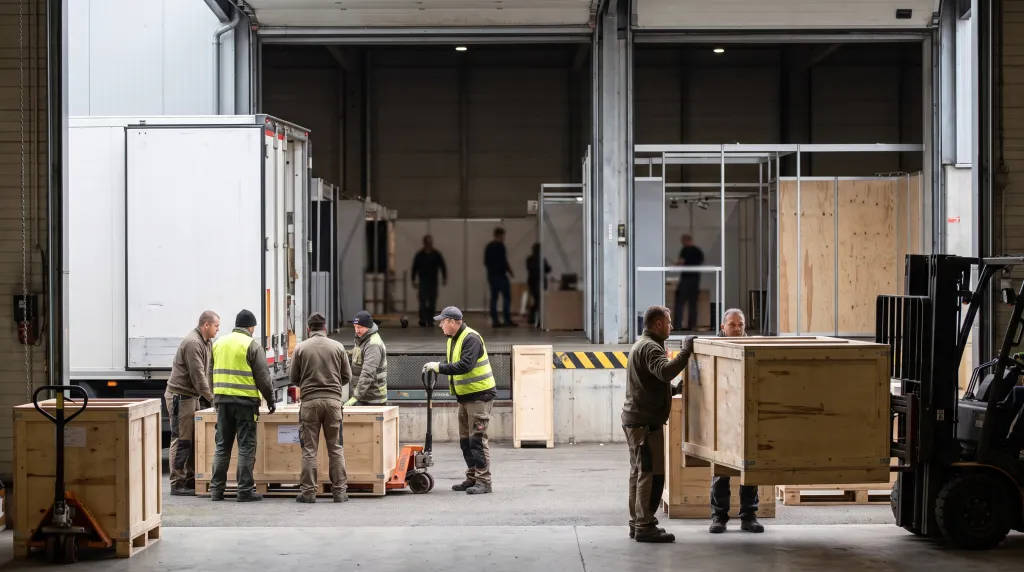
A rigid truck with a tail lift is the vehicle for deliveries where the consignee has no ramp or dock: a shop, a workshop, an office, a construction site or an exhibition hall. We run a large fleet of 12 and 18 tonne rigids with tail lifts, in constant service. Each vehicle takes 18 euro pallets and the lift raises up to 1.5 tonnes. We cover Germany, the Netherlands, Belgium, France and Austria, plus exhibition logistics across Europe.
Specification
| Parameter | Value |
|---|---|
| Euro pallets per vehicle | 18 |
| Tail lift capacity | up to 1.5 t per cycle |
| Variants | 12 t and 18 t gross |
| Equipment | pallet truck on board |
| Regular lanes | DE, NL, BE, FR, AT |
| Exhibitions | across Europe |
When this is the right vehicle
- The consignee has no ramp or loading dock.
- The load is palletised and the heaviest single pallet is under 1.5 tonnes.
- Delivery goes into a city centre where an articulated combination cannot reach or is not permitted.
- The route covers several drops and a full trailer would not pay.
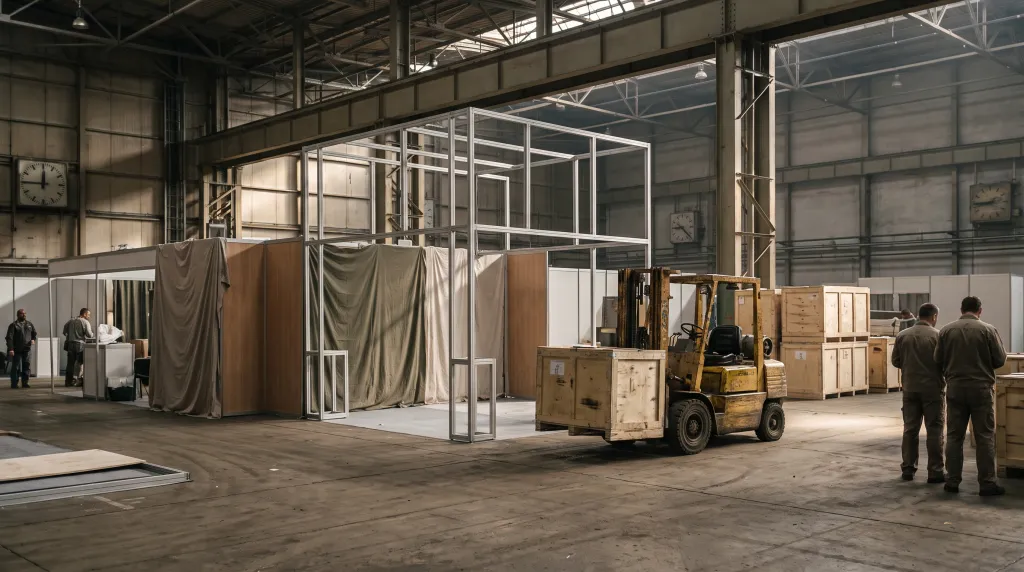
- A stand build goes into a hall where forklifts are tied up with other exhibitors.
When something else is needed
For single items over 1.5 tonnes, loads that must be placed deep in a yard or beyond a fence, and non-palletised goods, a tail lift is not enough. We then propose a lorry crane or consignee unloading, and we say so when quoting rather than on delivery day.
What the service covers
- Choosing the 12 t or 18 t variant to suit weight and pallet count.
- Checking unloading conditions at the consignee before departure: ramp, ground, access, hours.
- Verifying access restrictions and low-emission zones along the route.
- Delivery booking where required, including exhibition booking-in.
- One coordinator running the job from loading through to documents.
What to prepare for a quote
Four details are enough: pallet count, weight of the heaviest single pallet, pallet height, and whether the consignee has a ramp. That last question decides whether a tail lift is needed at all and has the largest effect on price and lead time.