
 AI image
Knowledge base
Transport risks and consequences
The part other forwarders prefer not to mention at quotation. We collect the real risks in the supply chain and show what they cost and how to prevent them, before they surprise you on your own cargo.
Why does a forwarder write about risks and penalties?
Because most transport losses come not from accidents but from processes: a missing document, a bad weight distribution, a late claim, an unverified carrier. Our mission is to inform and prevent, not to sell the illusion that nothing goes wrong. This hub gathers those risks and links to specific guides.
Every risk below has a cheap preventive and its own guide. Click the topic that applies to your cargo.
Risks
What forwarders keep quiet about when quoting
 Image generated with AI — read our AI transparency notice.
How to read a freight quote: what the rate includes and what you pay extra for
All-in or base rate? We explain which items in a freight quote are usually billed separately: detention…
 Image generated with AI — read our AI transparency notice.
Contractual penalties in transport orders: the clauses everyone signs without reading
Late delivery penalties, cancellation charges, no-contact clauses, document penalties: the transport order…
 Image generated with AI — read our AI transparency notice.
Groupage (LTL): what travels next to your pallet and why it matters
Cheap groupage has a side the salesperson skips: other shippers' goods on the same trailer and several…
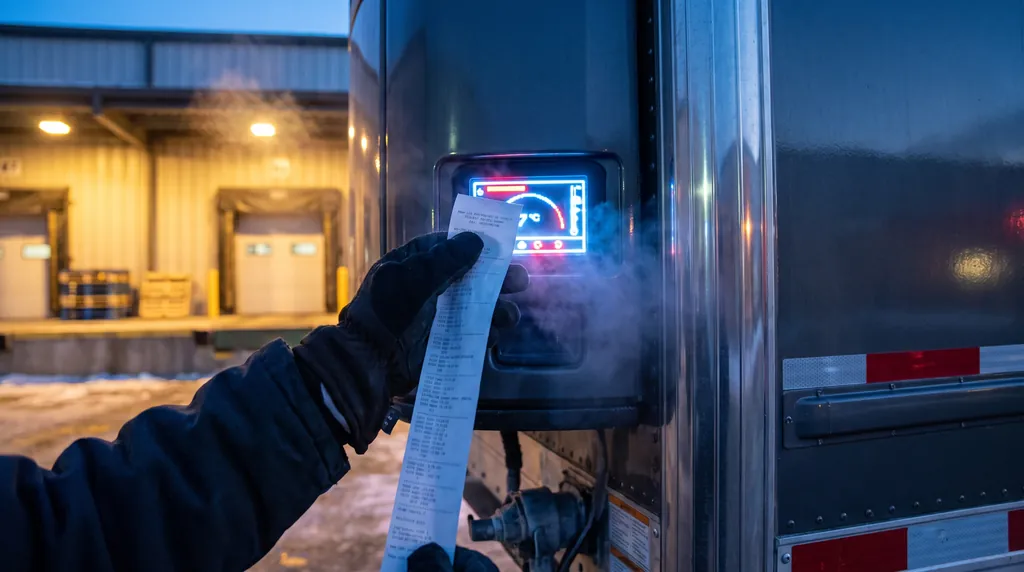 Image generated with AI — read our AI transparency notice.
Temperature disputes in refrigerated transport: who is right when the consignee claims the cold chain was broken
The consignee rejects the delivery and claims the cold chain was broken. We explain what the thermograph…
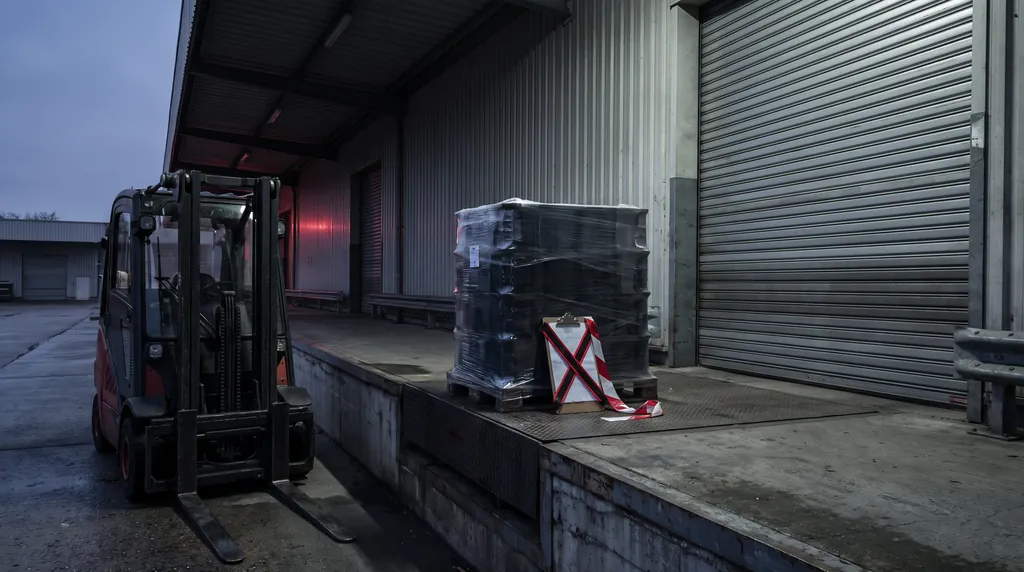 Image generated with AI — read our AI transparency notice.
Consignee refuses the goods at unloading: what happens to the load and who pays
The consignee turns your truck away at the ramp? The CMR Convention has a procedure for that: the carrier…
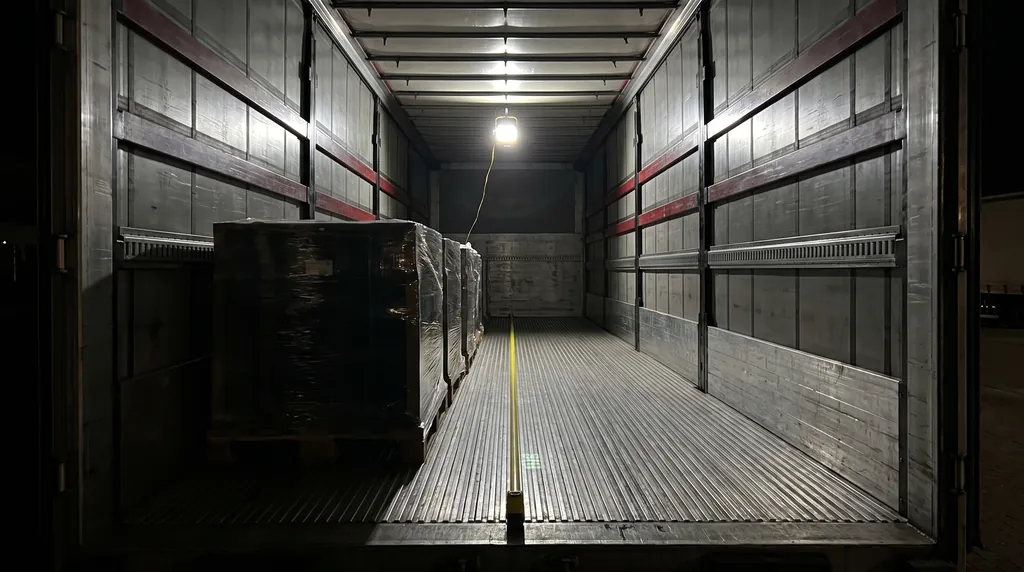 Image generated with AI — read our AI transparency notice.
Loading metres (LDM) in freight pricing: how forwarders charge for space and weight
Per loading metre or per kilogram? Forwarders price part loads on the higher of two values: actual weight or…
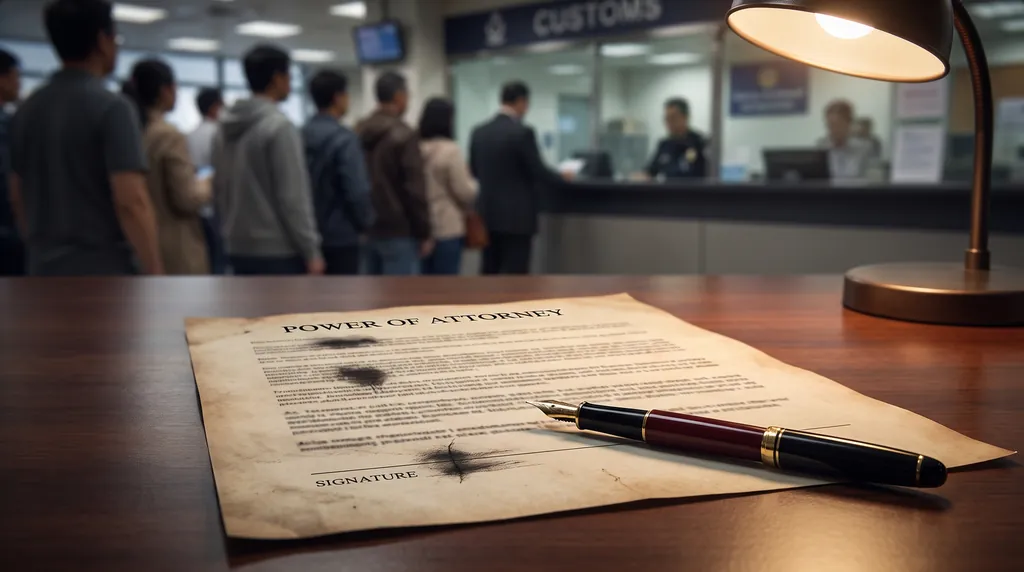 Image generated with AI — read our AI transparency notice.
Direct or indirect customs representation: what you sign in the empowerment and who owes the customs debt
The representation box in a customs empowerment decides who pays post-clearance duty and VAT. Direct…
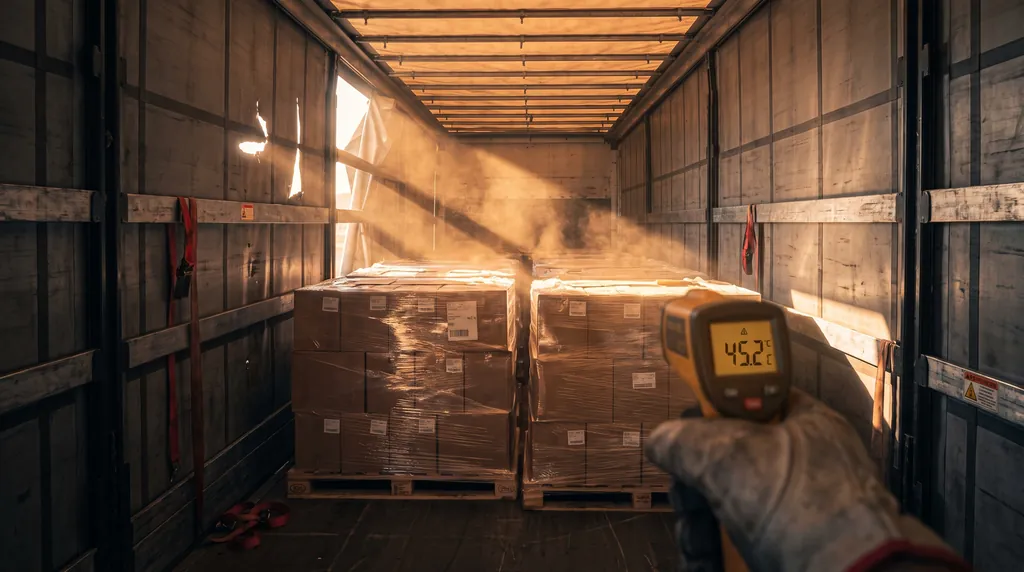 Image generated with AI — read our AI transparency notice.
Shipping chocolate, cosmetics and candles in summer: what happens in a trailer without a reefer
Chocolate softens, creams separate, candles lose their shape: in summer a curtain-sided trailer gets far…
 Image generated with AI — read our AI transparency notice.
Three insurances in road transport: carrier liability, forwarder liability and cargo. Who actually pays for your loss
Carrier liability (OCP), forwarder liability and cargo are three separate policies covering three different…
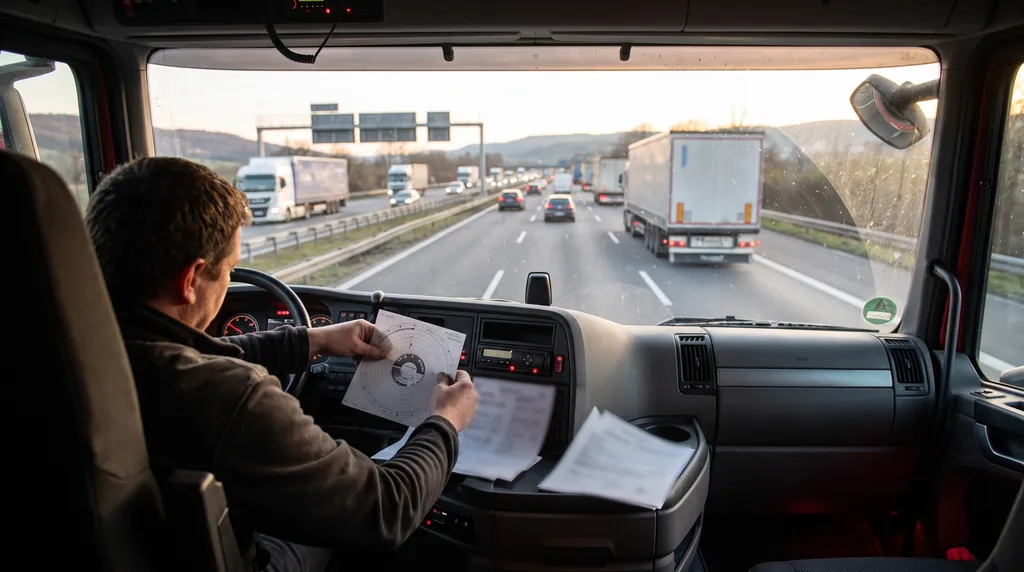 Image generated with AI — read our AI transparency notice.
The Mobility Package: driver posting, minimum wage and why rates went up
The EU Mobility Package brought cross-trade and cabotage under the host-country minimum wage, mandated…
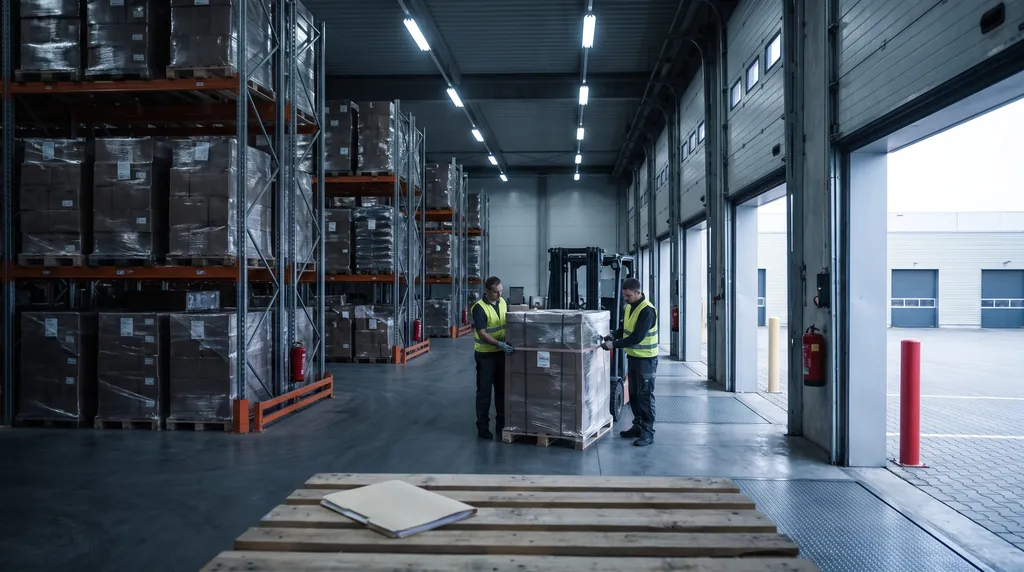 Image generated with AI — read our AI transparency notice.
Inward processing and duty drawback: how to recover customs duty on re-export
You manufacture in the EU from non-EU components and export the finished goods? Inward processing lets you…
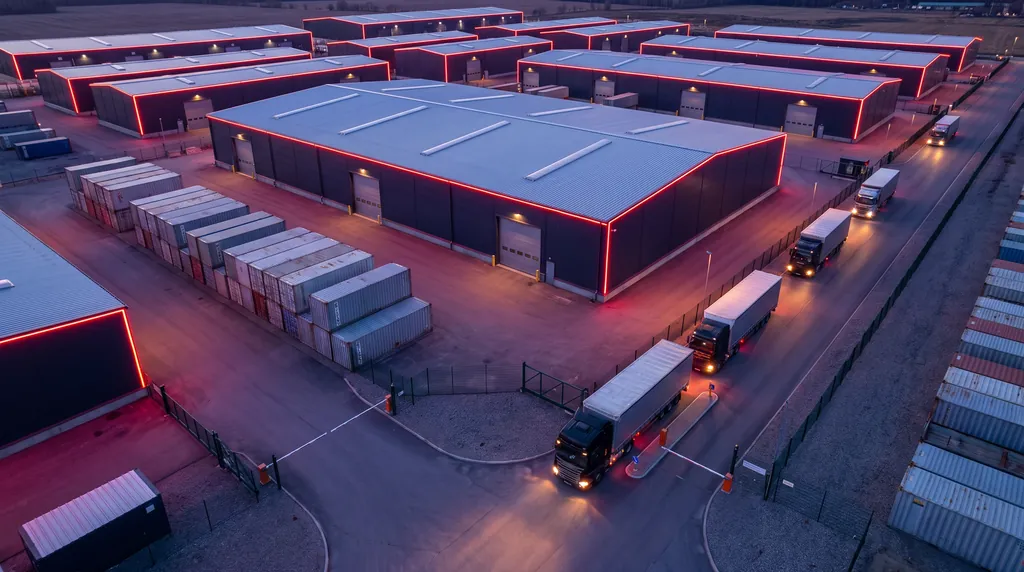 Image generated with AI — read our AI transparency notice.
Free zone (free-trade zone): how it works and when it pays off
A free zone is a fenced area treated as outside the EU customs territory for duty and VAT. See what you can…
Risks
Documents, customs and the border
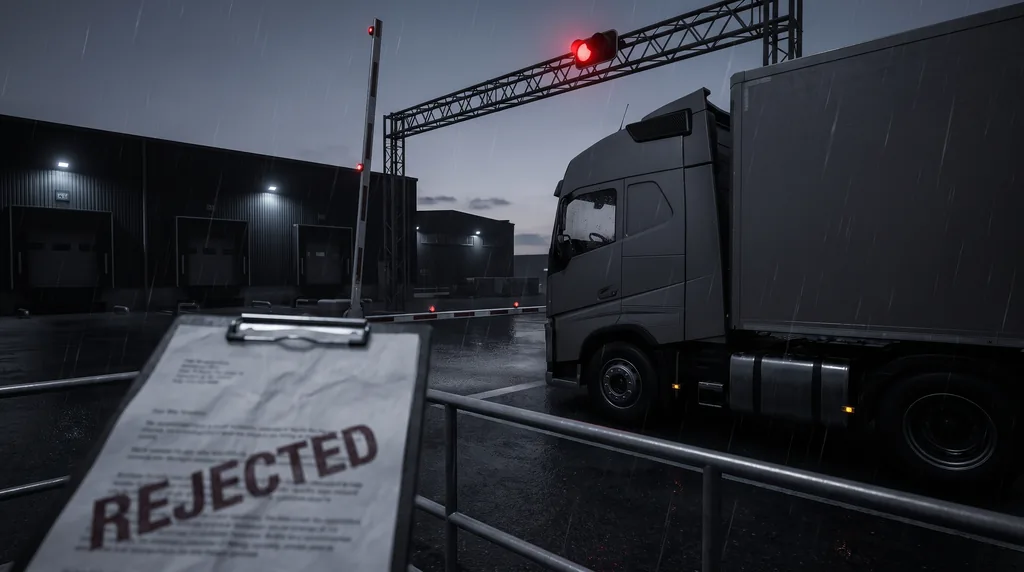 Image generated with AI — read our AI transparency notice.
Missing EORI or wrong VAT: why customs blocks the shipment and how to prevent it
A missing EORI or an invalid VAT number stops the customs declaration, and the truck sits idle at your cost…
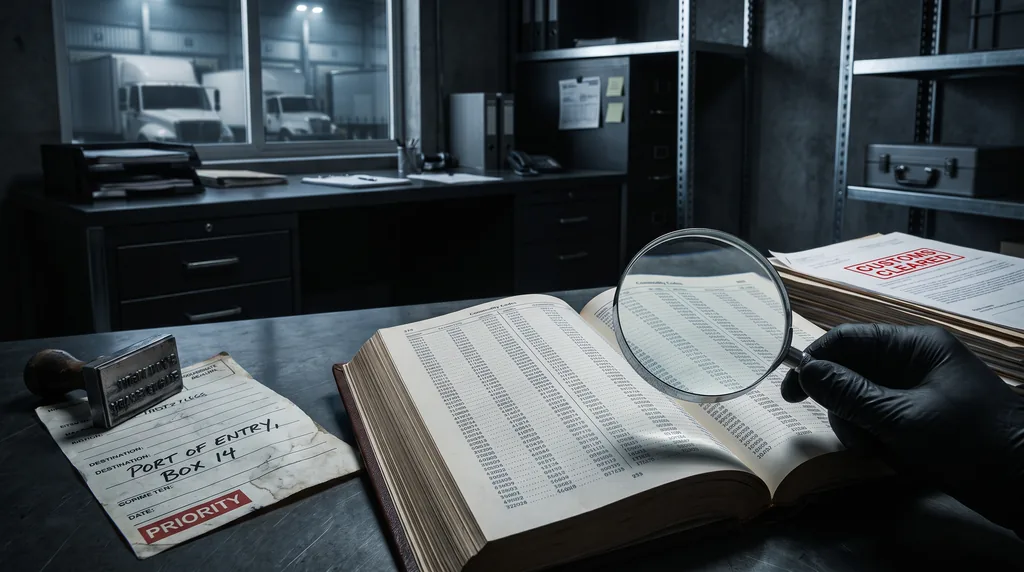 Image generated with AI — read our AI transparency notice.
Wrong tariff code (HS/CN): who pays the duty and VAT after a customs audit
A wrong tariff code is not a harmless typo: after a customs audit it triggers retroactive duty and VAT…
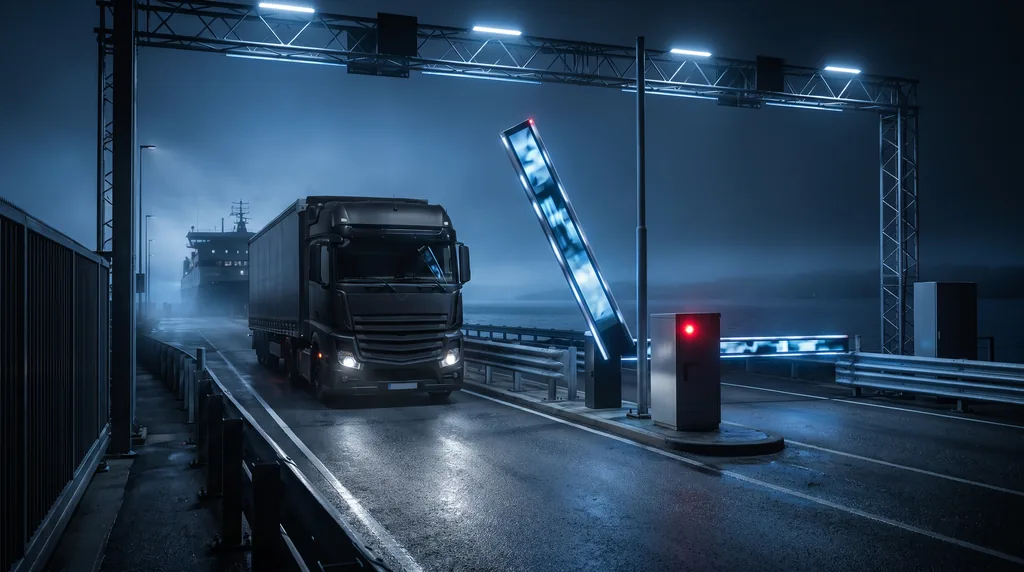 Image generated with AI — read our AI transparency notice.
No ENS/ICS2 or GVMS/GMR: why your truck gets stuck at the UK border and who pays for the delay
Without an ENS/ICS2 declaration and a GMR number from GVMS, a truck will not board the ferry and can be held…
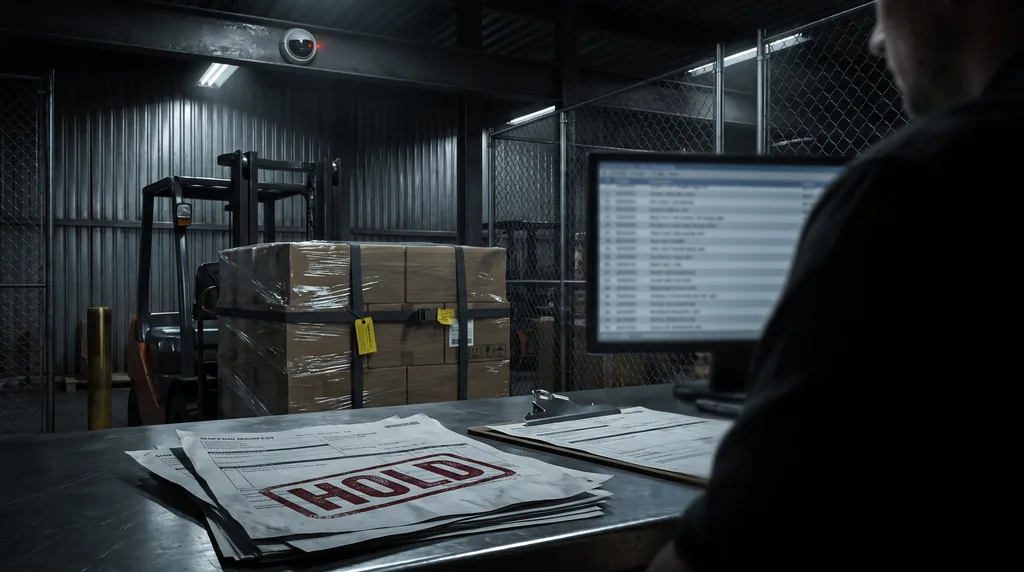 Image generated with AI — read our AI transparency notice.
Delivering to a Sanctioned Party: the Forwarder's Liability, Not Just the Client's
A sanctions breach exposes every link in the chain, including the carrier and forwarder. See how party and…
 Image generated with AI — read our AI transparency notice.
Customs clearance with incomplete or wrong documents: what we do
Documents for clearance are missing, invoice data does not match, the tariff code is uncertain and the sender…
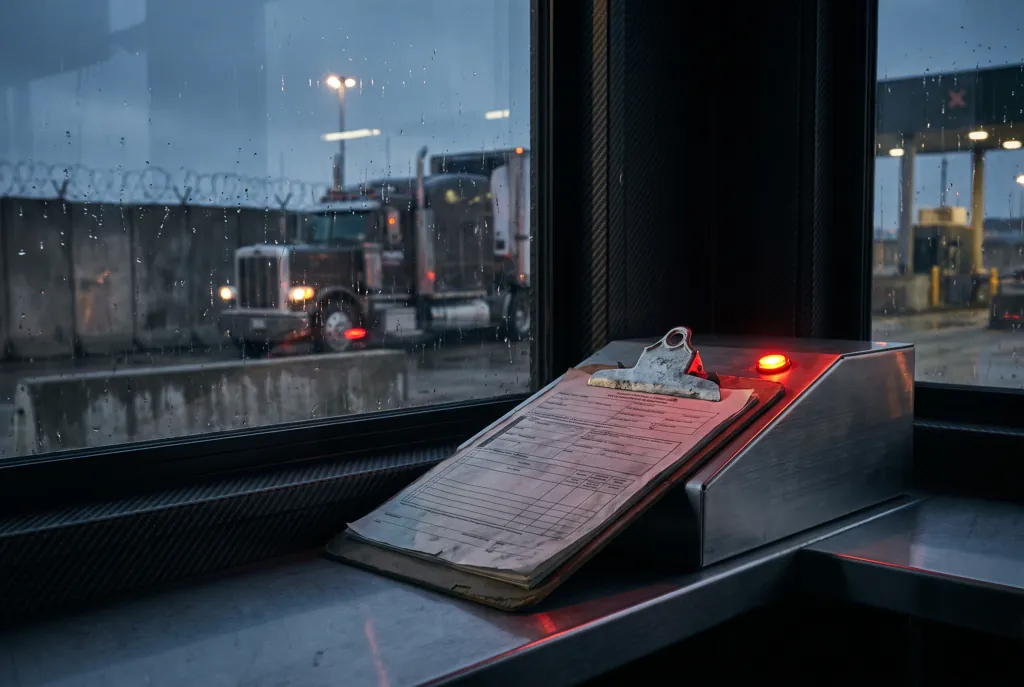 Image generated with AI — read our AI transparency notice.
Un-discharged T1 transit: the guarantee is drawn and duty plus VAT land on you
When a T1 transit is not discharged in NCTS, the guarantee is drawn and import duty plus VAT fall due on the…
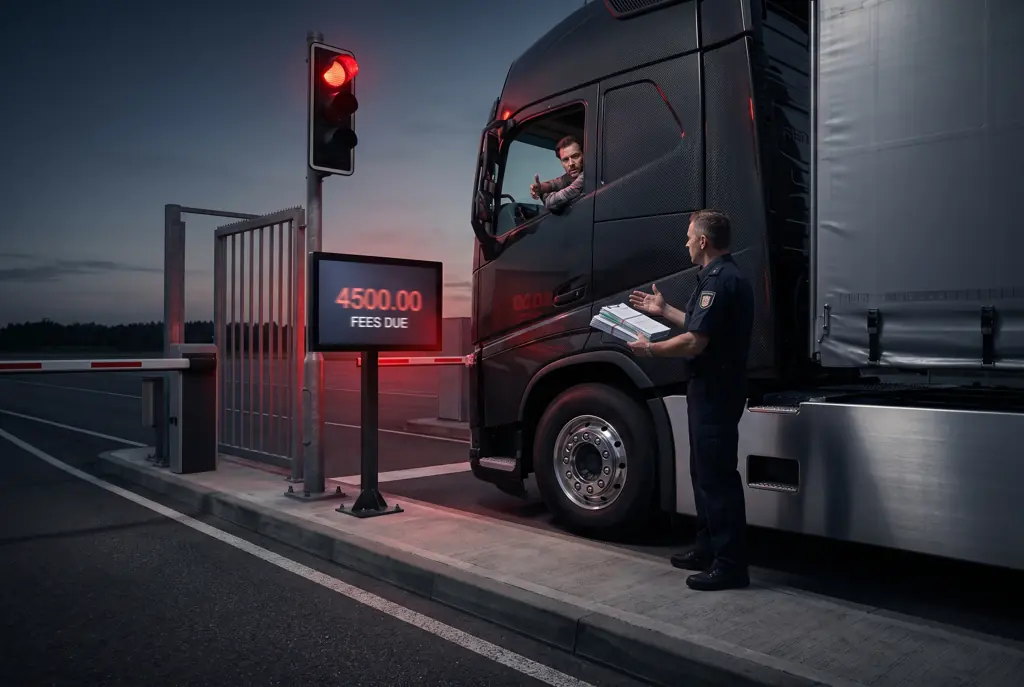 Image generated with AI — read our AI transparency notice.
Incoterms mismatch DAP versus DDP: who really pays customs duty and import VAT
When seller and buyer read the delivery term differently, the border produces an unexpected bill and a held…
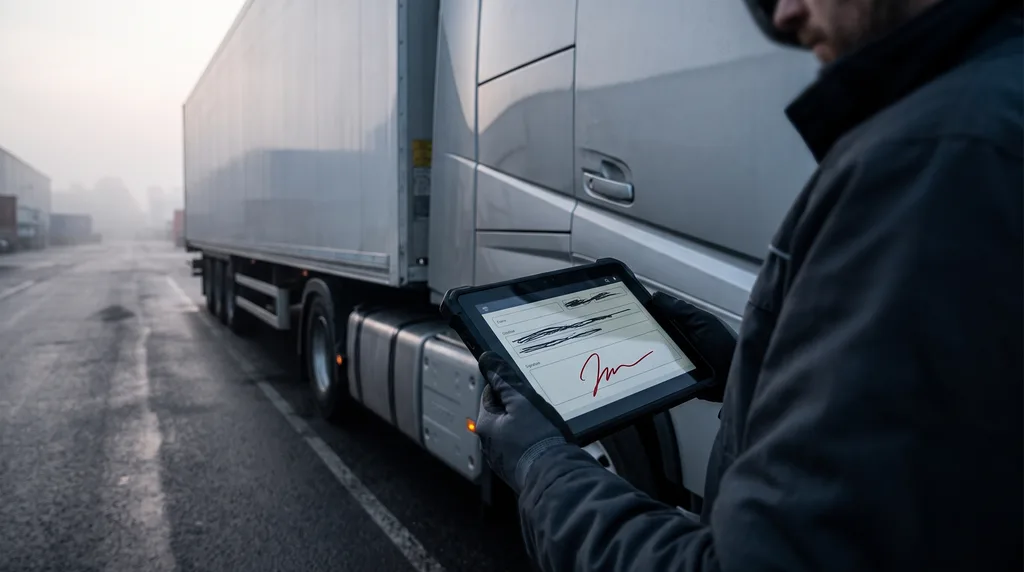 Image generated with AI — read our AI transparency notice.
e-CMR: the electronic consignment note and what it changes for shippers
Between countries that are parties to the protocol, an e-CMR has the same legal force as the paper note…
Risks
Load, axle and securing
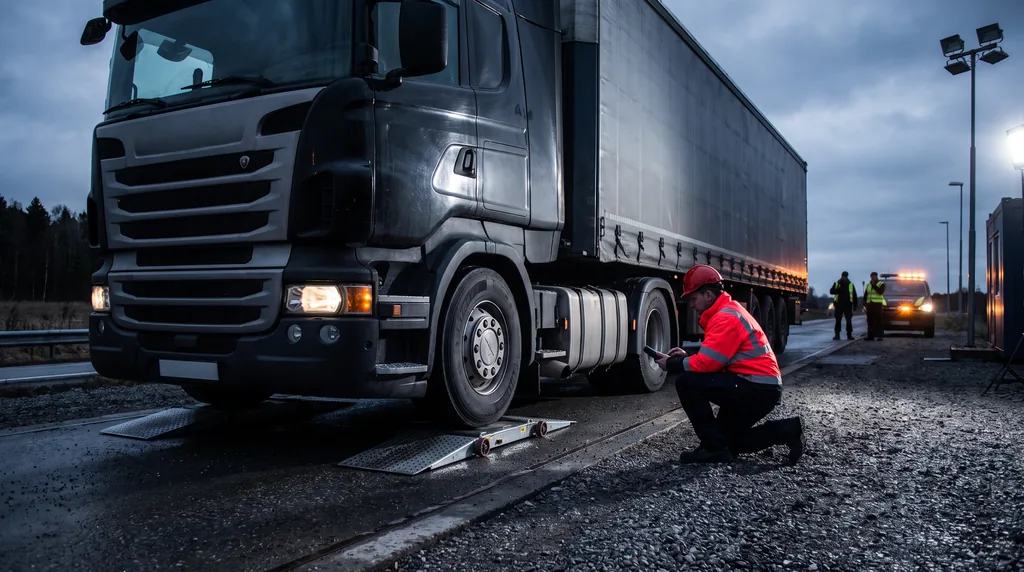 Image generated with AI — read our AI transparency notice.
Axle overload: who pays the fine and when the loader is liable
The fine for an overloaded axle usually lands on the driver and the carrier, but sometimes the loader pays…
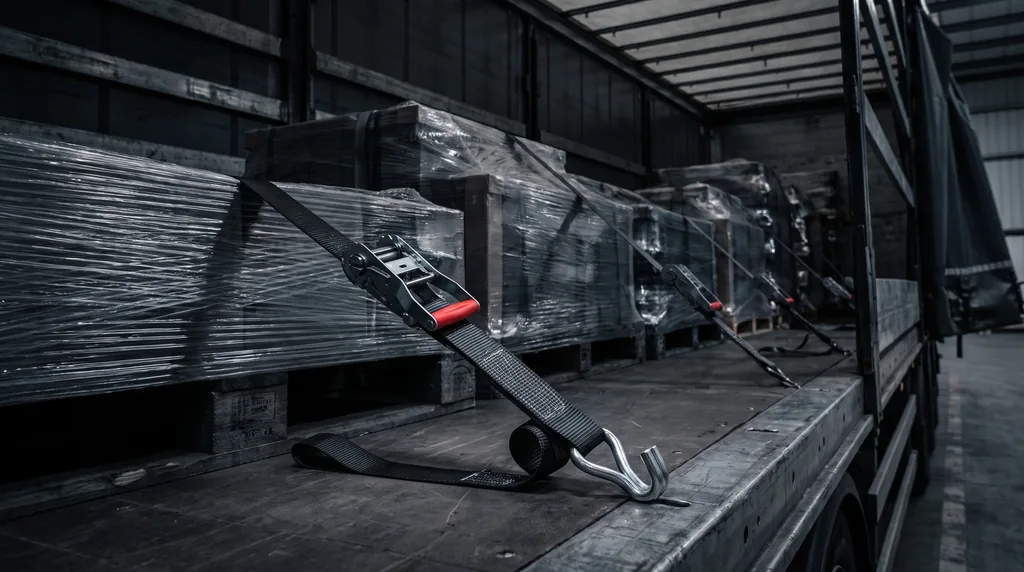 Image generated with AI — read our AI transparency notice.
Improper Cargo Securing: Roadside Inspection, Fines and Vehicle Immobilisation
Badly secured cargo is not only a crash risk. It can immobilise the truck at a roadside check until you fix…
 Image generated with AI — read our AI transparency notice.
Who Is Liable for Damage During Loading and Unloading | OTSL
How liability splits between driver, loader and consignee during loading and unloading, the role of the tail…
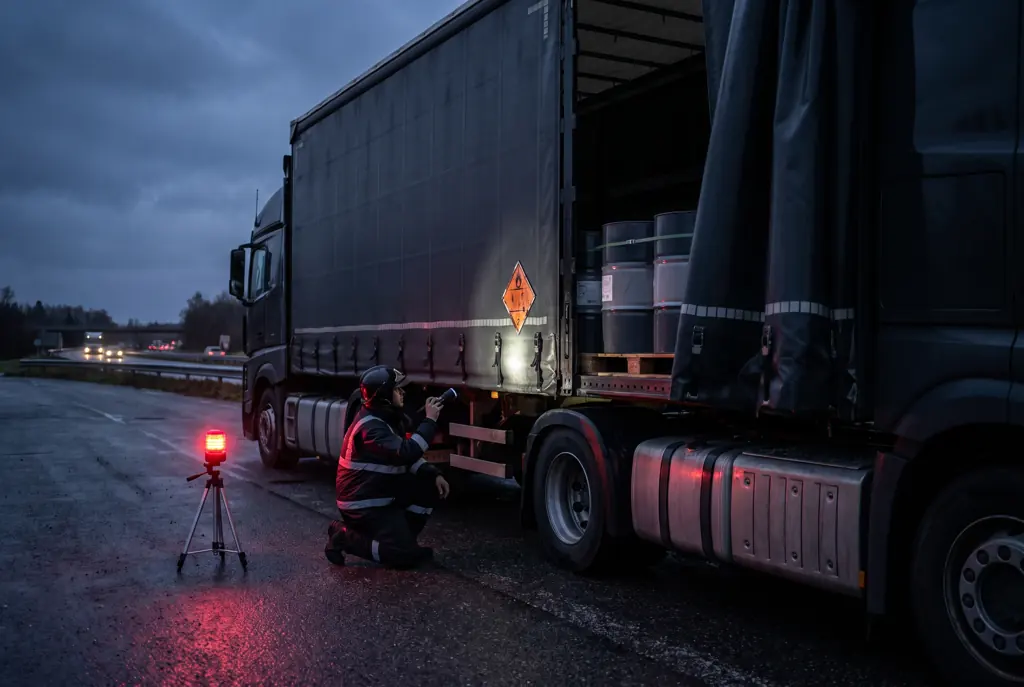 Image generated with AI — read our AI transparency notice.
Mis-declared ADR goods: what happens when hazardous cargo travels as an ordinary pallet
When dangerous cargo travels as an ordinary pallet or with the wrong UN number, class or packing group, a…
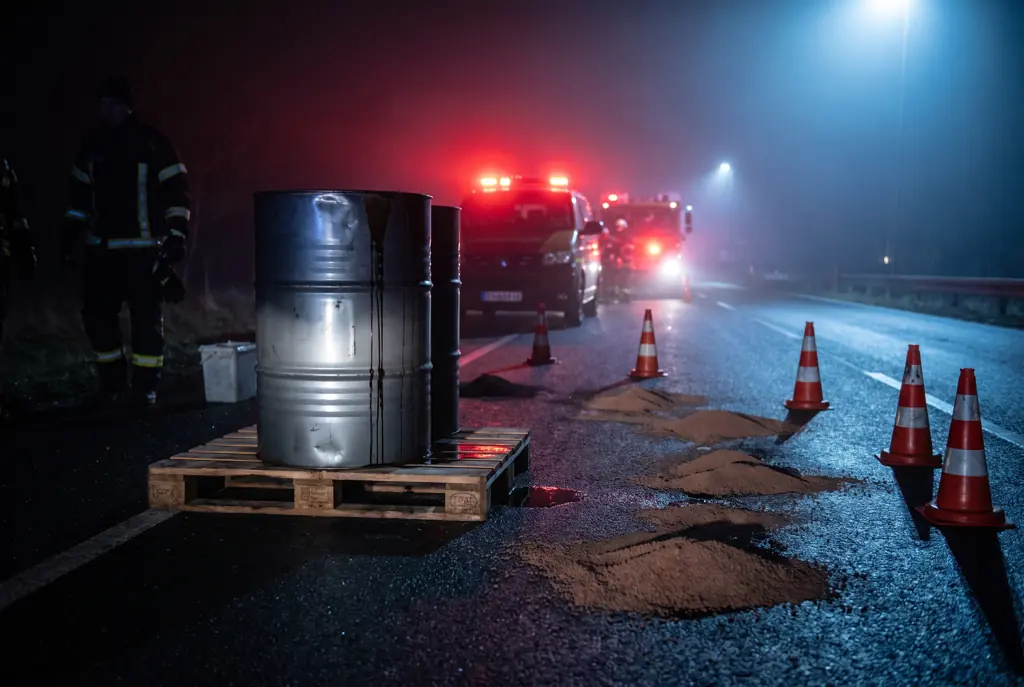 Image generated with AI — read our AI transparency notice.
ADR spill in transit: what damaged dangerous-goods packaging really costs
A chemical leak, a damaged lithium cell or a breached ADR pallet is not a fender bender. It means…
Risks
Cargo damage and losses
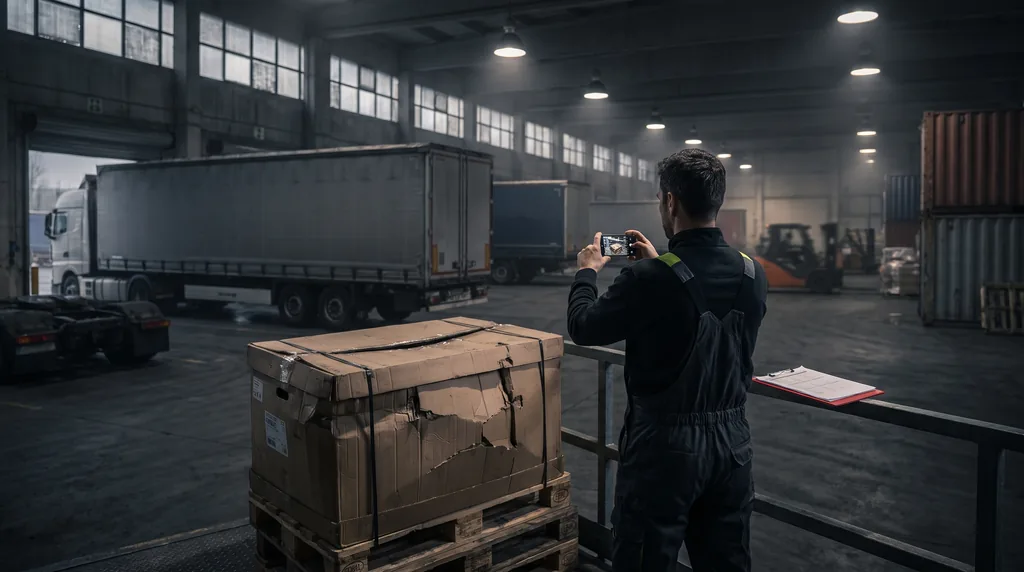 Image generated with AI — read our AI transparency notice.
The damage report in transport: how to draw it up and which evidence to preserve
A damage report is the document which, with photos and a description, records the extent and nature of cargo…
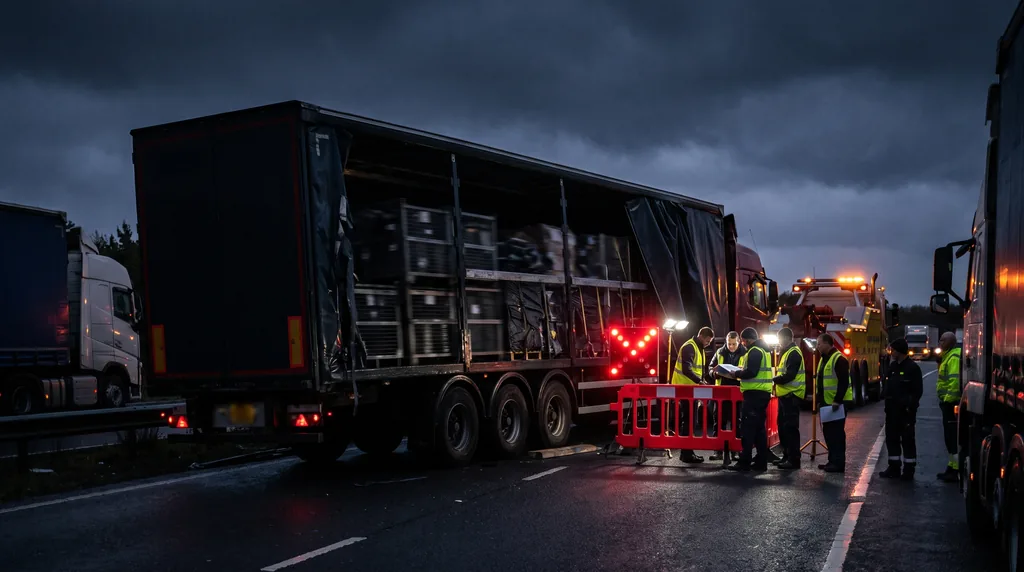 Image generated with AI — read our AI transparency notice.
Cargo after a collision or a rolled-over trailer: inspection and the decision on what happens to the goods
After a road incident, goods can be damaged even when they look fine from the outside. See why a…
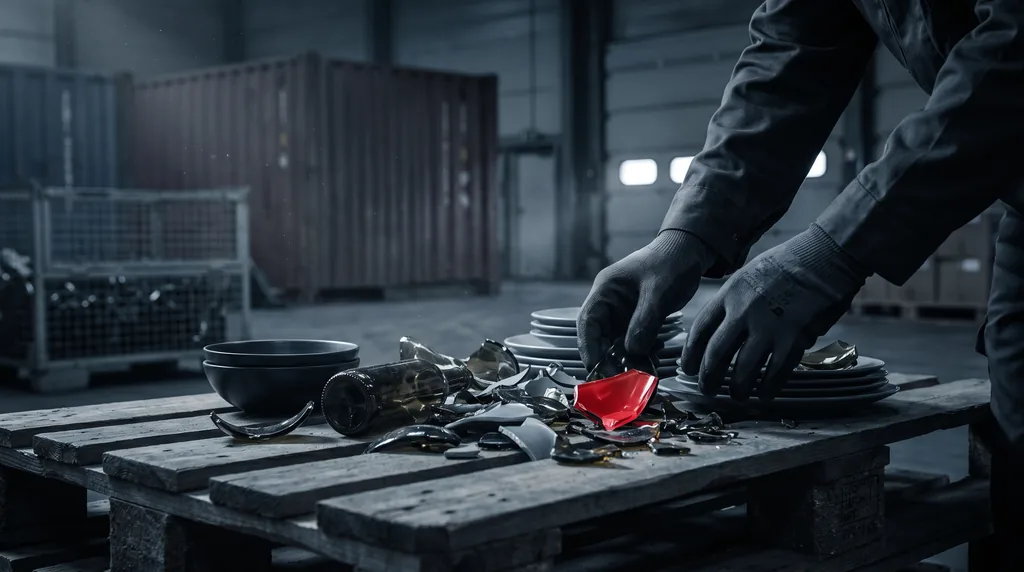 Image generated with AI — read our AI transparency notice.
Breakage of fragile cargo: how to segregate, document and safely dispose of it
With fragile cargo a single breakage rarely stops at one item. Shards, spills and pressure can contaminate or…
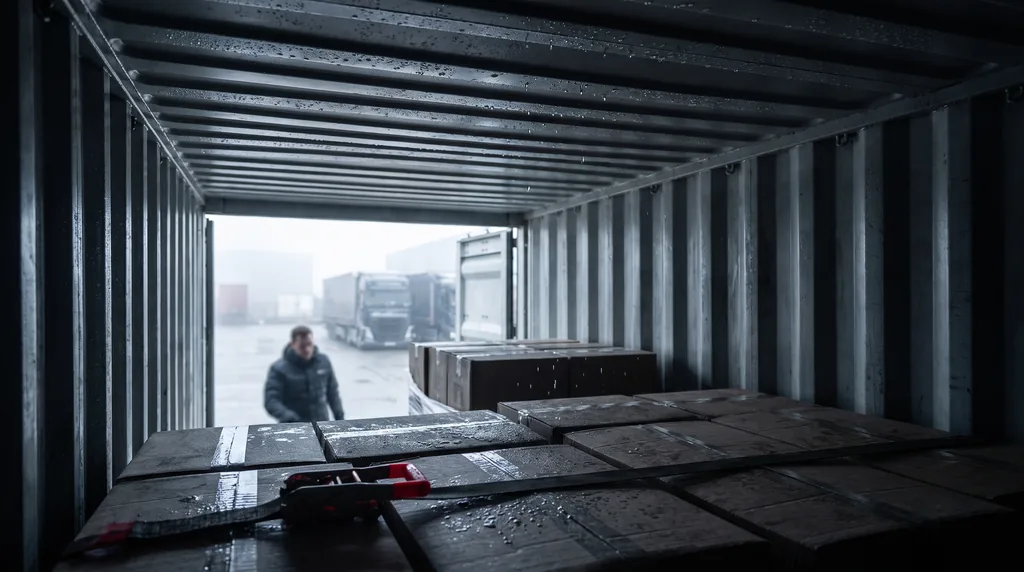 Image generated with AI — read our AI transparency notice.
Moisture and mould in cargo: when the goods are already lost
Temperature differences inside a trailer or container condense moisture on the walls and roof, from where it…
 Image generated with AI — read our AI transparency notice.
Shortage and overage at unloading: how to count pallets and protect your claim
When you take delivery, the number of pieces and pallets received must match the transport documents. A…
 Image generated with AI — read our AI transparency notice.
Odour and cross-contamination: why a foreign smell disqualifies food and cosmetics
Odour-absorbing products, meaning food, coffee, tea, cosmetics and pet food, can take on a foreign smell from…
Risks
Liability, CMR and insurance
 Image generated with AI — read our AI transparency notice.
CMR Damage Claims: Why You Only Have 7 Days for Hidden Damage
Visible damage must be flagged at delivery, hidden damage within 7 days. Miss it and CMR presumes the goods…
 Image generated with AI — read our AI transparency notice.
Carrier Liability Is Not Enough: Why CMR Will Not Cover a High-Value, Lightweight Load
Carrier liability under CMR is calculated per kilogram, not by the value of the goods. For high-value…
 Image generated with AI — read our AI transparency notice.
Carrier's lien for unpaid freight: why your cargo can be held over someone else's debt
A carrier has the right to hold your goods until the freight is paid. If your forwarder never paid the actual…
 Image generated with AI — read our AI transparency notice.
When transport insurance will not pay: carrier liability exclusions, deductibles, gross negligence
Carrier liability insurance (OCP) protects the carrier, not your goods. Learn the typical policy exclusions…
 Image generated with AI — read our AI transparency notice.
Strike, blockade, closed border: who is liable for your cargo (force majeure under CMR)
A strike or road blockade does not release the carrier automatically. Article 17(2) CMR requires proof that…
 Image generated with AI — read our AI transparency notice.
Reconsignment: changing the delivery place mid-route and who controls the goods
The goods are already moving and the customer wants them sent to a different address. The CMR Convention says…
Image generated with AI — read our AI transparency notice.
Three insurances in road transport: carrier liability, forwarder liability and cargo. Who actually pays for your loss
Carrier liability (OCP), forwarder liability and cargo are three separate policies covering three different…
Risks
Costs, containers and driving time
 Image generated with AI — read our AI transparency notice.
Container demurrage and detention: where the charges come from and how to cut them to zero
Demurrage and detention grow every single day and can exceed the freight itself, here is how they work and…
 Image generated with AI — read our AI transparency notice.
Driver Hours, the Tachograph and Your Deadline: Why "Drive Faster" Does Not Exist
Driver rest periods are fixed, the tachograph records everything, and tampering risks losing the operator…
 Image generated with AI — read our AI transparency notice.
Peak season without secured trucks: why "I will book transport at the last minute" is a false economy
In peak season, once market capacity is gone, a last-minute order simply finds no truck. We show what that…
 Image generated with AI — read our AI transparency notice.
Truck detention charges: who pays for a waiting vehicle and when the clock really starts
The truck waits at the ramp and the daily rate burns away. How free time for loading and unloading works…
 Image generated with AI — read our AI transparency notice.
Cancelling a transport order: what a cancelled truck really costs
The load „falls through" while the truck is already heading to the loading site. Why a cancelled vehicle…
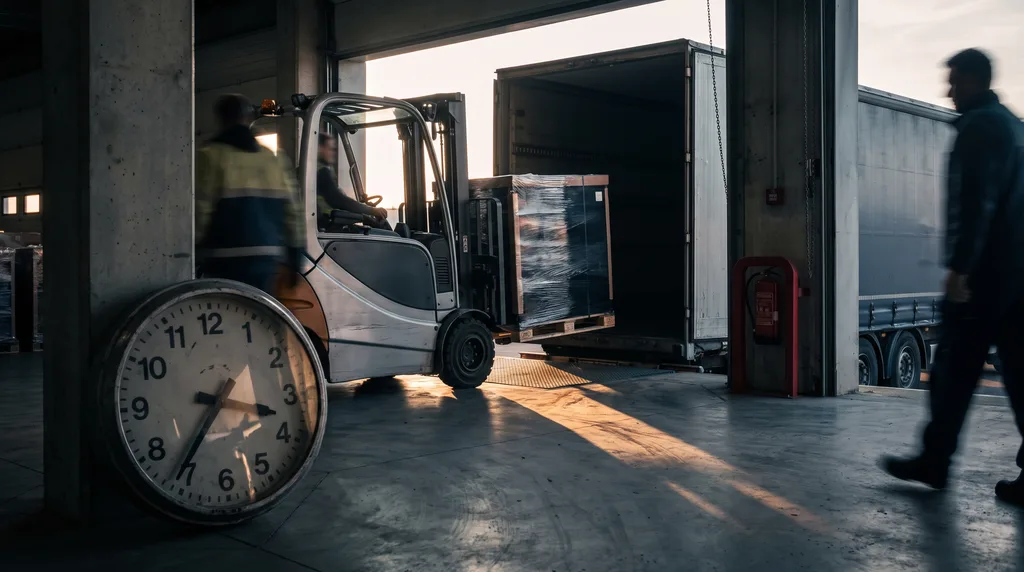 Image generated with AI — read our AI transparency notice.
Friday afternoon loading: why it is the most expensive shipment of the week
A 3 pm Friday loading starts four clocks at once: the driver runs out of hours, weekend driving bans begin…
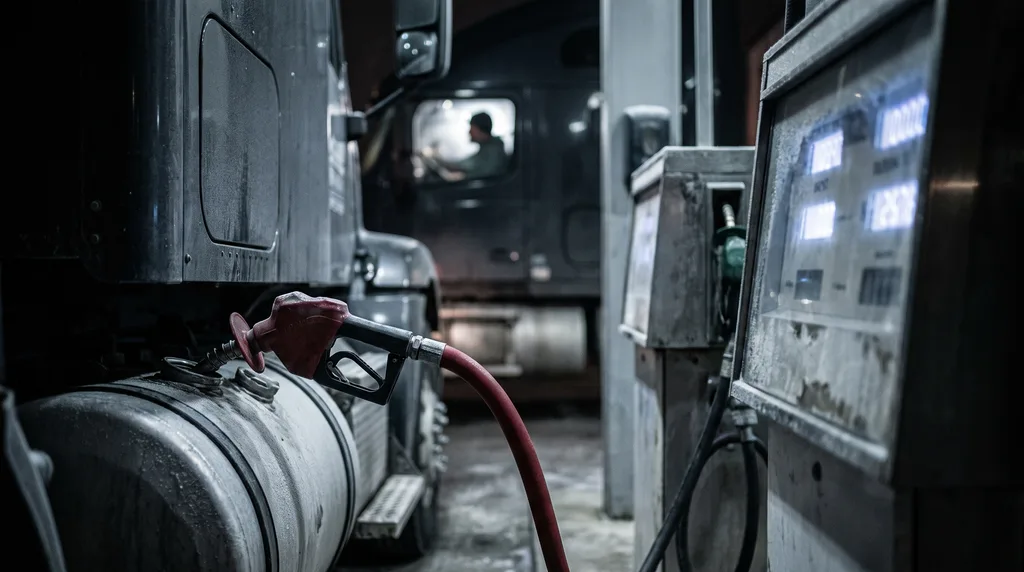 Image generated with AI — read our AI transparency notice.
Fuel surcharge: what makes up a freight rate and why a guaranteed price still rises
A fuel surcharge is a mechanism, not a whim. See what a road freight rate consists of, how diesel indexation…
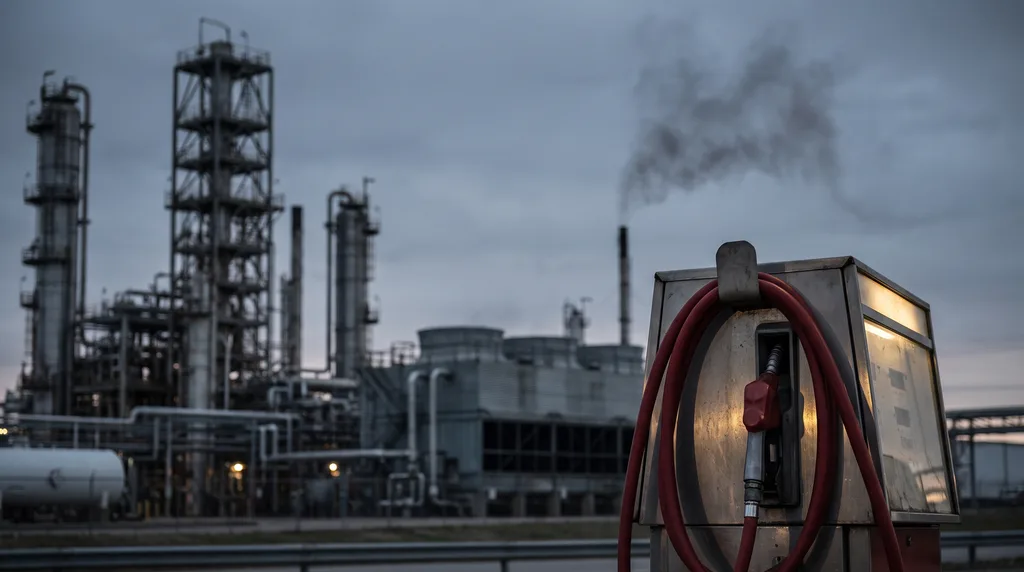 Image generated with AI — read our AI transparency notice.
ETS2 and CO2 in transport: why road freight will cost more from 2027
From 2027 fuels used in road transport fall under ETS2, a separate EU emissions trading system. Fuel…
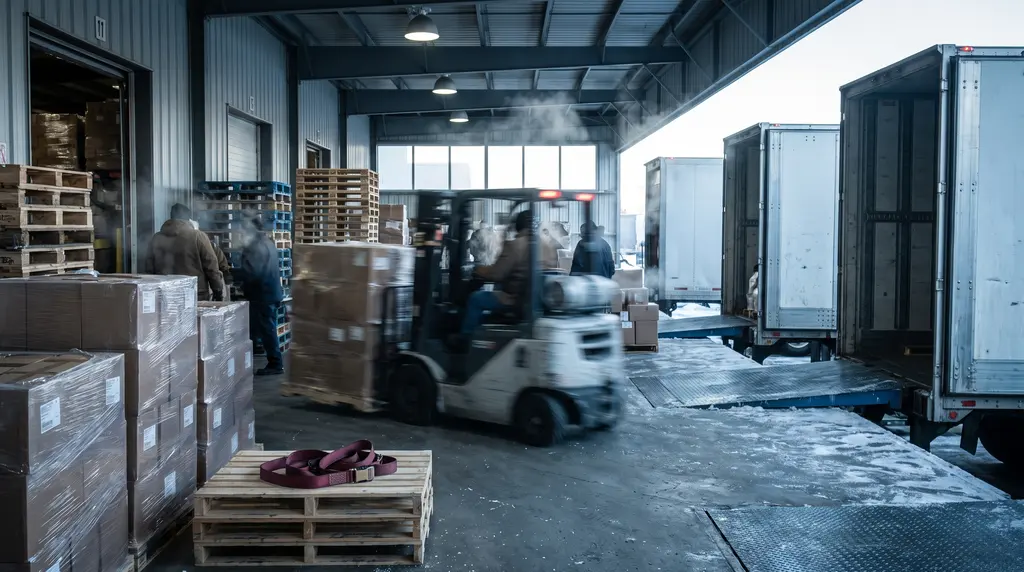 Image generated with AI — read our AI transparency notice.
Fourth-quarter shipping: how to plan peak season without emergency surcharges
In Q4 demand for trucks rises, supply falls, and holiday calendars plus warehouse slots compress every…
Image generated with AI — read our AI transparency notice.
The Mobility Package: driver posting, minimum wage and why rates went up
The EU Mobility Package brought cross-trade and cabotage under the host-country minimum wage, mandated…
Risks
Security and fraud
 Image generated with AI — read our AI transparency notice.
The fake carrier: how a fraudster steals your freight by impersonating a real company
A fraudster impersonates a genuine haulier, collects your goods at loading, and vanishes. Learn the red flags…
 Image generated with AI — read our AI transparency notice.
Cargo theft from a truck park: what carriers do not tell you about overnight stops
The typical cargo theft is a curtain slashed on an unguarded truck park at night. Learn why trucks park…
 Image generated with AI — read our AI transparency notice.
Your freight resold down a chain: middlemen and double brokering
Double brokering means your transport order is resold without your knowledge. See how the chain works, where…
 Image generated with AI — read our AI transparency notice.
Trailer seals and the sealing protocol: seal types, ISO 17712, the CMR entry and the breach procedure
A seal costs pennies and settles disputes worth as much as the load. Seal types and ISO 17712 classes, the…
Risks
Border and customs
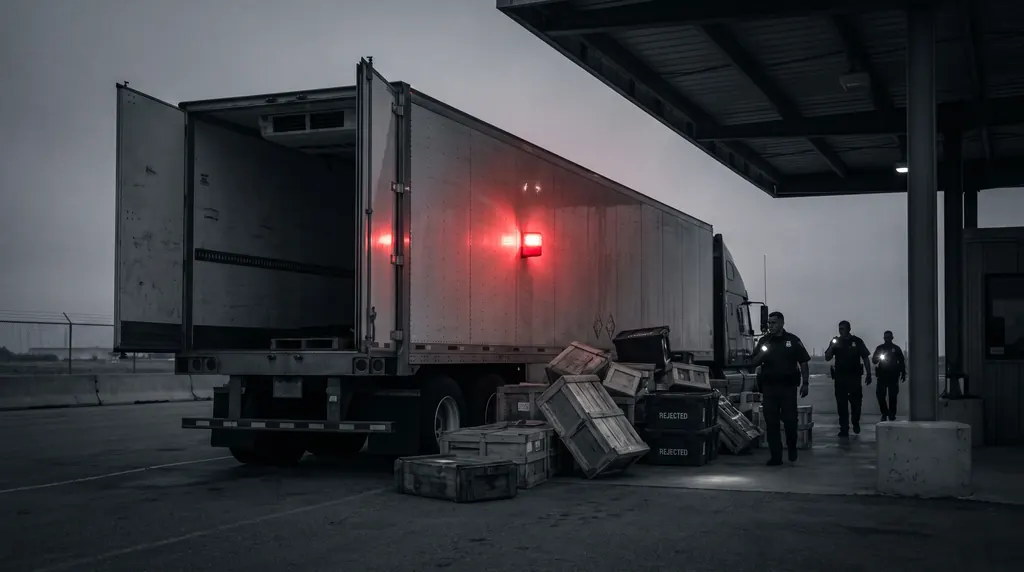 Image generated with AI — read our AI transparency notice.
Missing SPS certificate or SIVEP pre-notification: how you lose sensitive goods at the border
Goods of animal or plant origin without a health certificate and pre-notification will be stopped at a border…
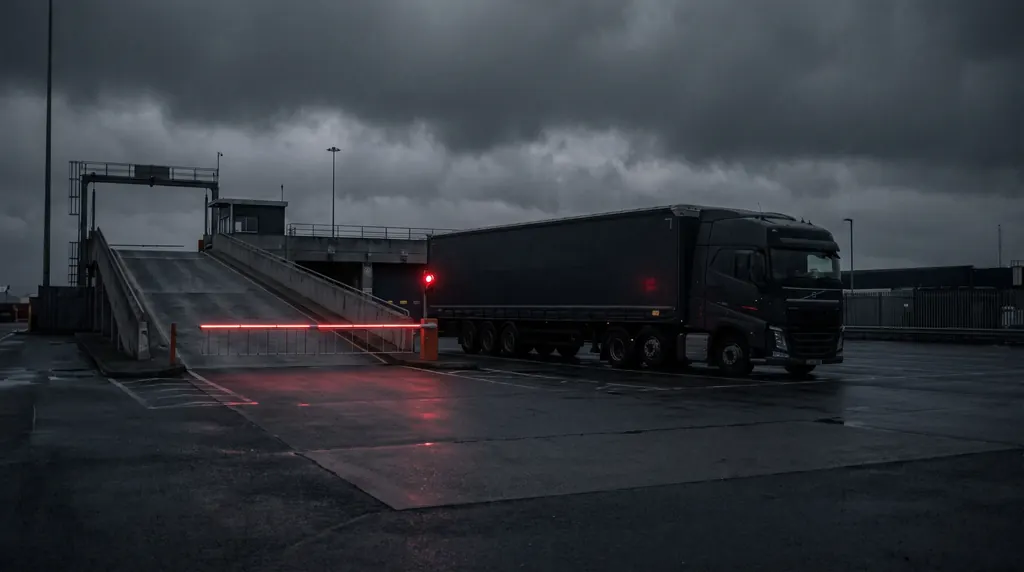 Image generated with AI — read our AI transparency notice.
Cargo stuck in Ireland without a PBN: who pays for the standstill and the missed sailing
Without a valid PBN and a good-to-proceed status, a truck cannot board the ferry or leave the terminal in…
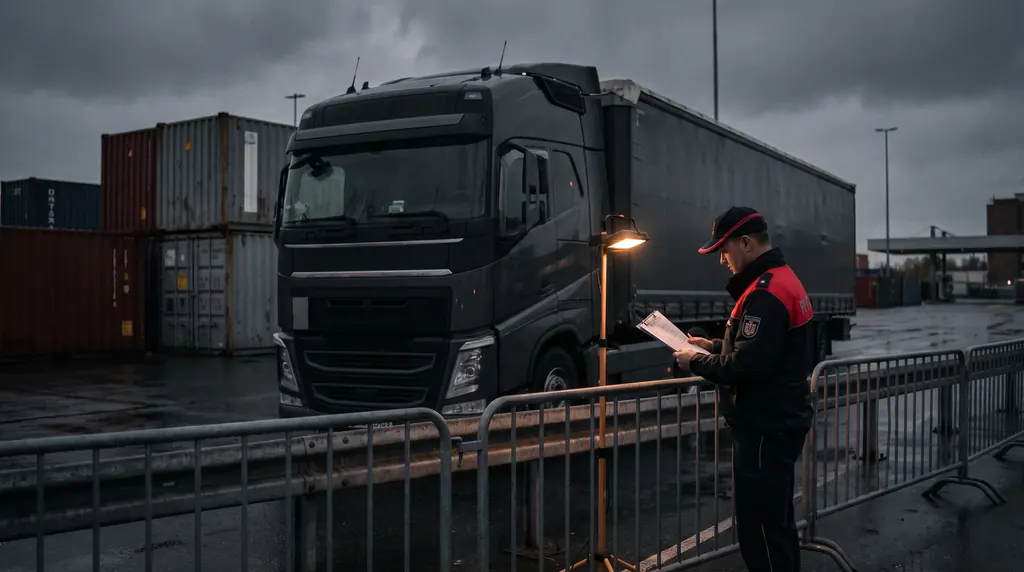 Image generated with AI — read our AI transparency notice.
Undischarged ATA carnet and double VAT: the traps of import clearance in Germany
A faulty import clearance in Germany or an unsettled ATA carnet can cost twice: forfeiture of the ATA…
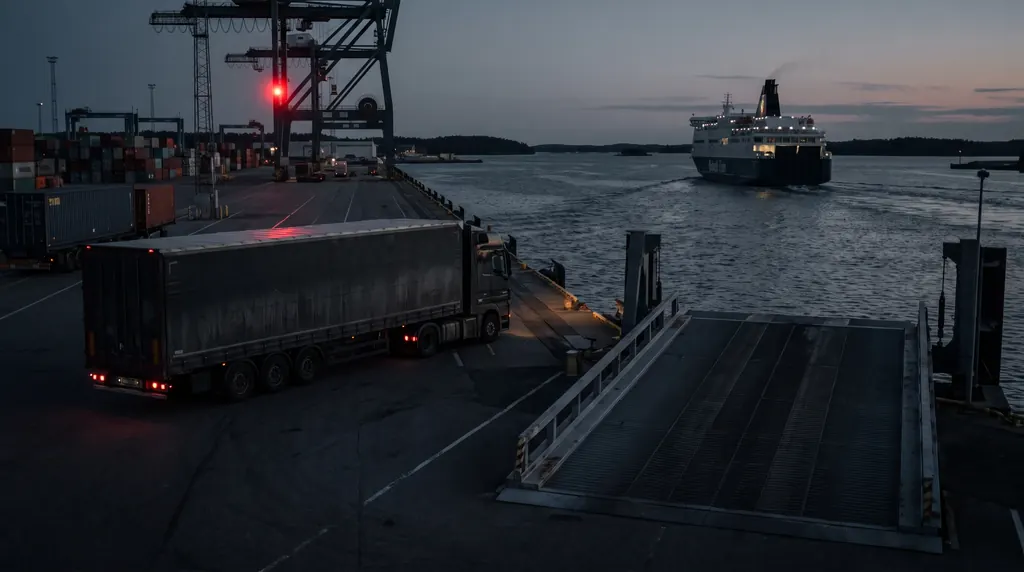 Image generated with AI — read our AI transparency notice.
Missed sailing from a wrong vehicle list: the domino effect on your deadline
A single outdated number on the vehicle list, or a mismatch with the GMR or PBN, can wreck ferry check-in…
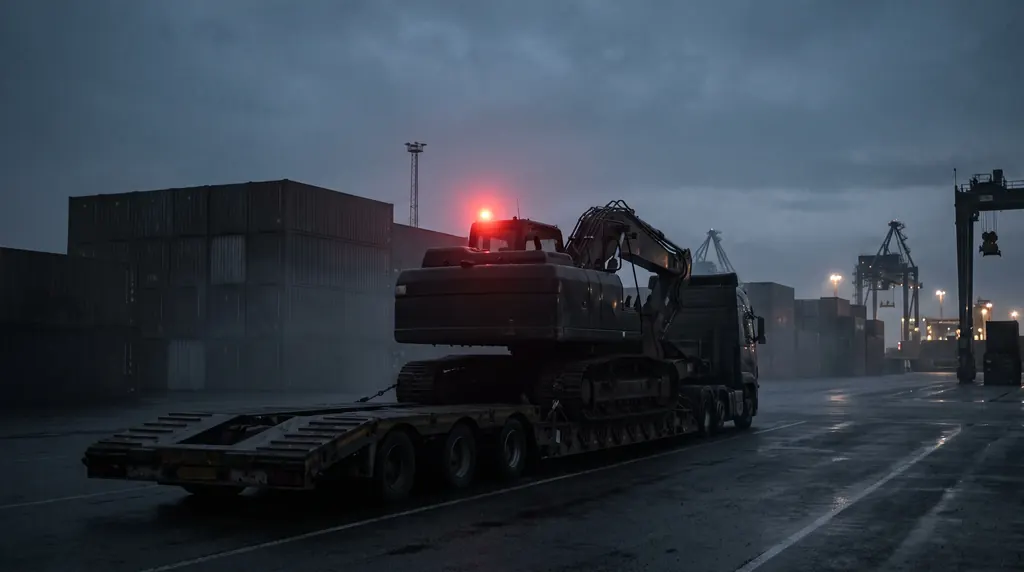 Image generated with AI — read our AI transparency notice.
Machine stuck in a Dutch port: the bill for storage and demurrage
An incomplete import clearance of machinery through the Netherlands can hold the equipment in port for days…
Risks
Warehouse and storage
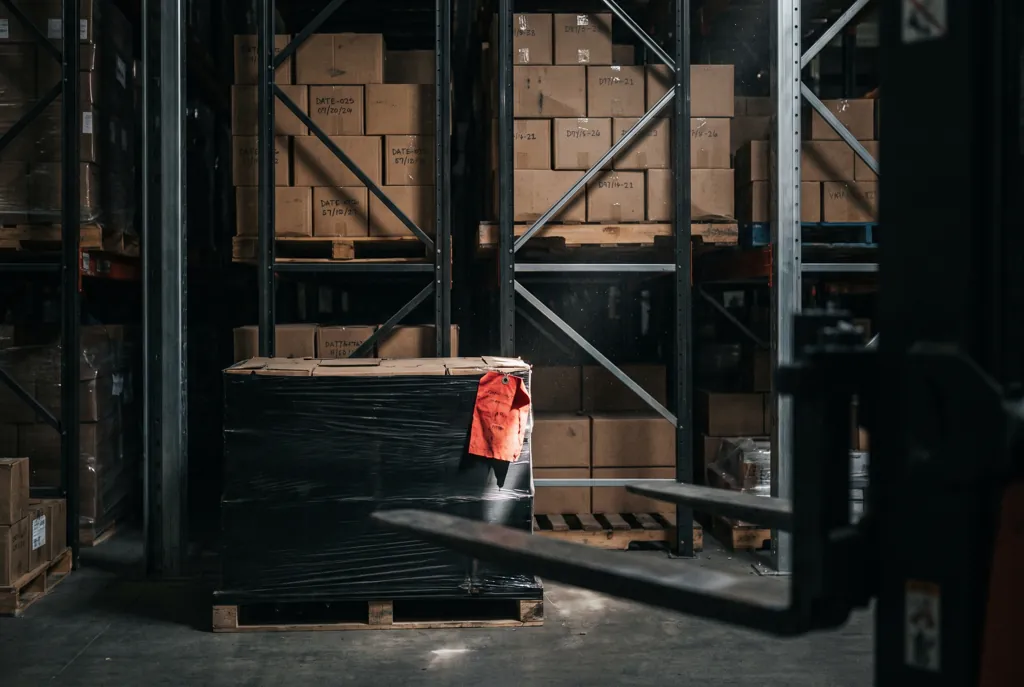 Image generated with AI — read our AI transparency notice.
Goods expired in the warehouse: who is responsible and how to prevent it
Stock expires in the warehouse when nobody controls rotation and dates. See who is responsible for FIFO/FEFO…
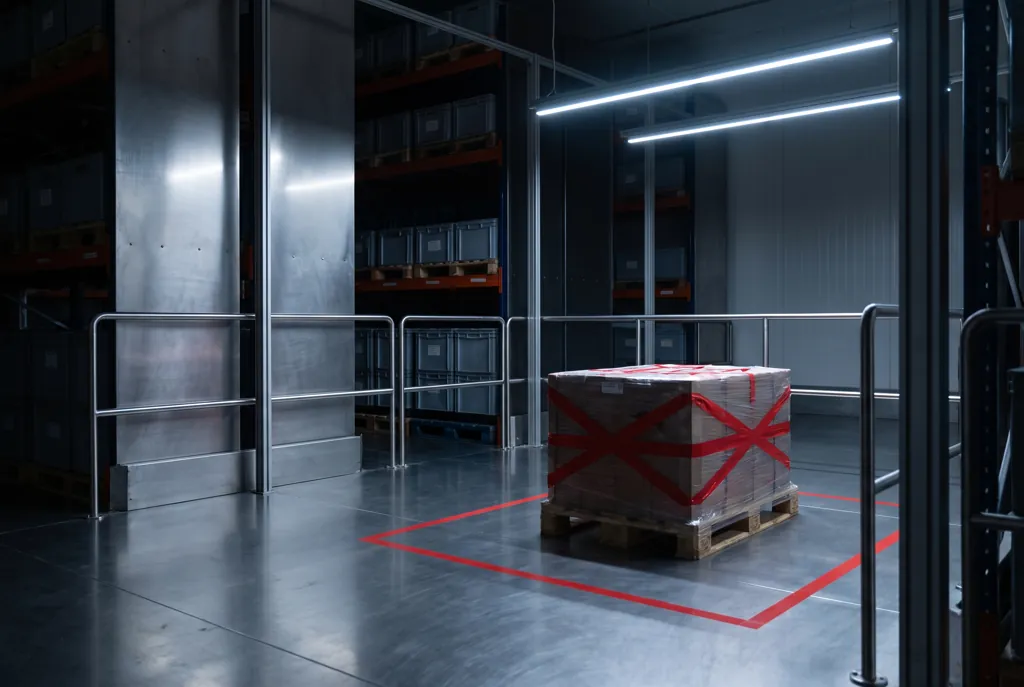 Image generated with AI — read our AI transparency notice.
Cross-contamination in a food-grade warehouse: one mistake and the whole batch goes to disposal
An allergen on the wrong pallet, chemicals next to food, a pest in the store: one mistake in a food warehouse…
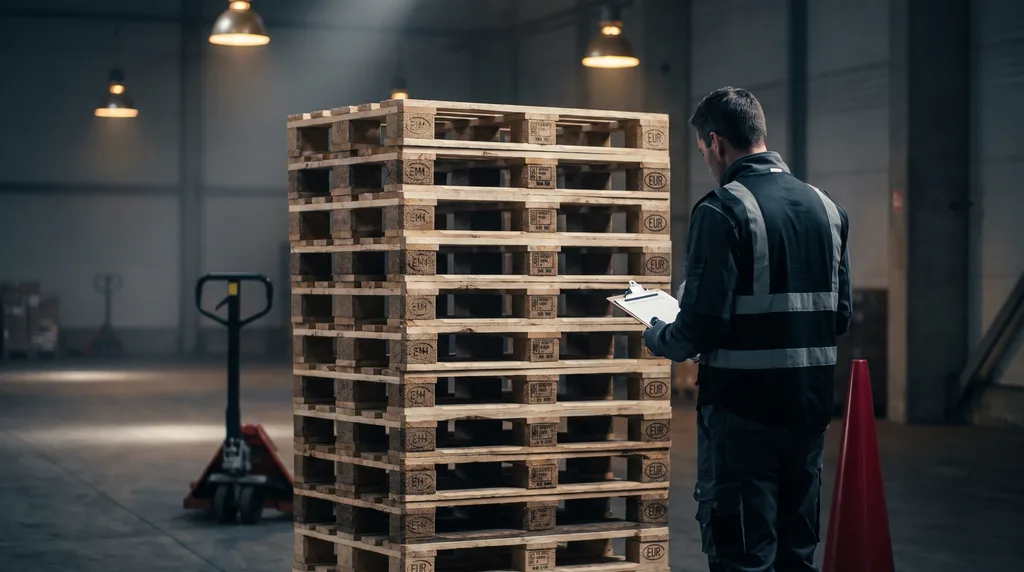 Image generated with AI — read our AI transparency notice.
Pallet deposits and pallet vouchers: what EUR pallet exchange really costs
EUR pallet exchange looks innocent until it stops working. When there are no pallets to swap at unloading…
Frequently asked questions
Are these articles meant to scare clients?
Who usually pays for a mistake in the supply chain?
Does OTSL help once the problem has already happened?
Where do I start to reduce risk?
Need transport or customs clearance?
Tell us what you need, a forwarder replies, not an autoresponder. Operations available 24/7.