 AI image
ADR transport at OTSL is the road carriage of dangerous goods across Europe, with a focus on Poland, the United Kingdom and Switzerland. We handle vehicle selection, marking, the transport document and load securing in line with the ADR agreement. We move both full loads and groupage that contains dangerous goods.
What it covers
- Classifying the shipment into one of the 9 ADR hazard classes based on the safety data sheet
- Selecting the vehicle, equipment and fire extinguishers for the class and tunnel code
- The ADR transport document with the required entries and consignor data
- Working with the shipper's DGSA safety adviser on how the load is classified
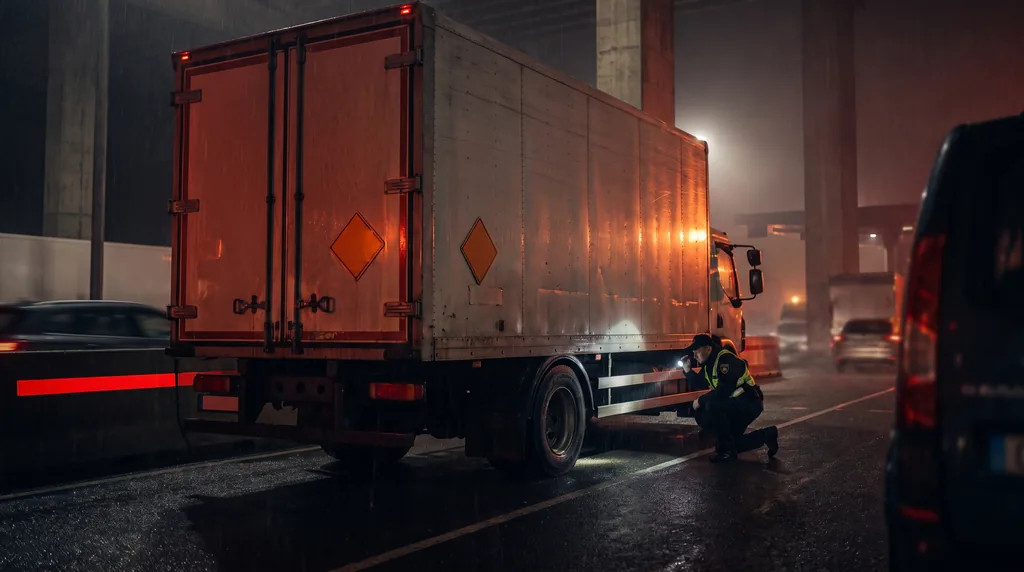
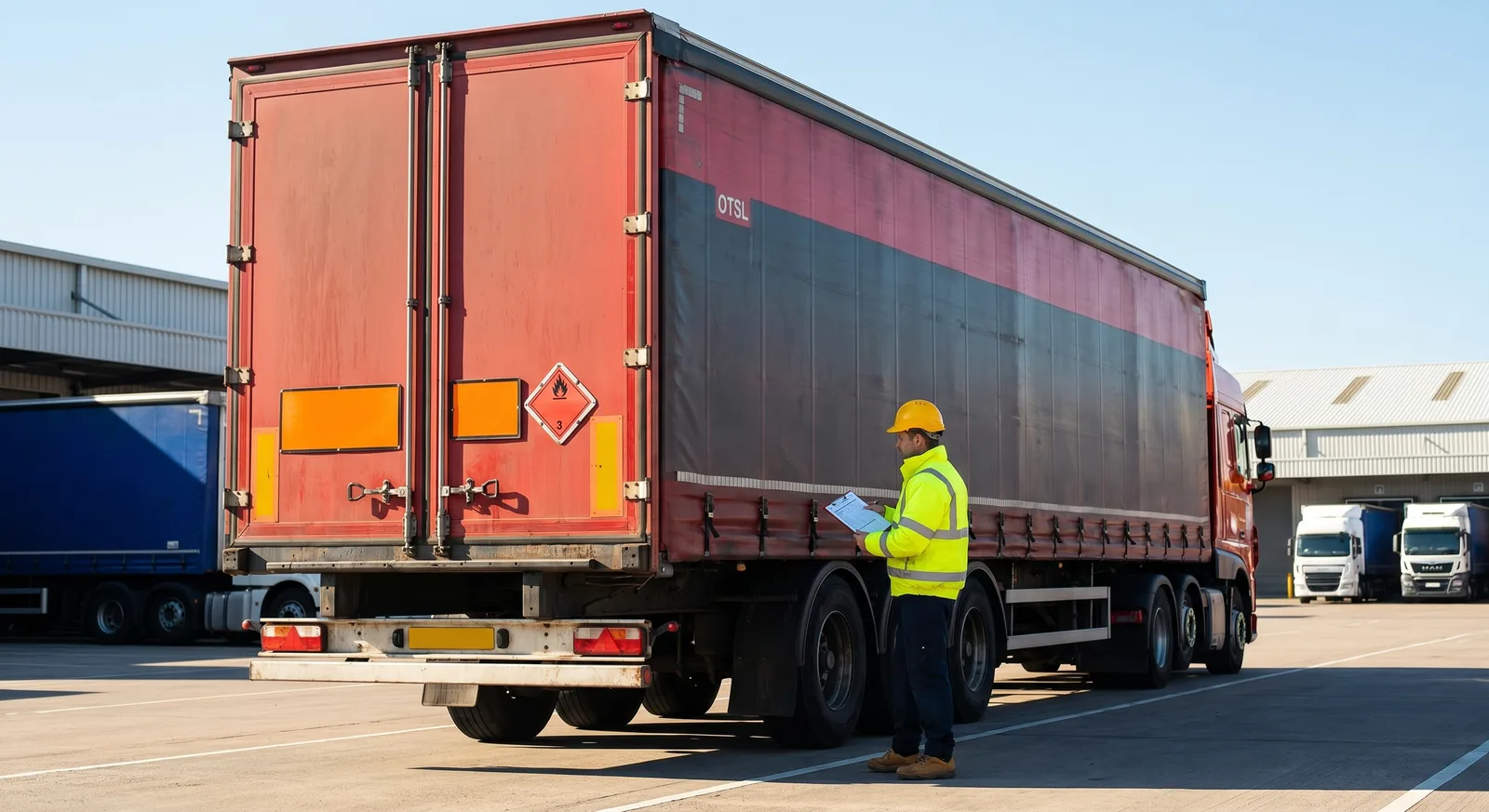
- Marking packages, transport units and the vehicle (labels, plates, UN numbers)
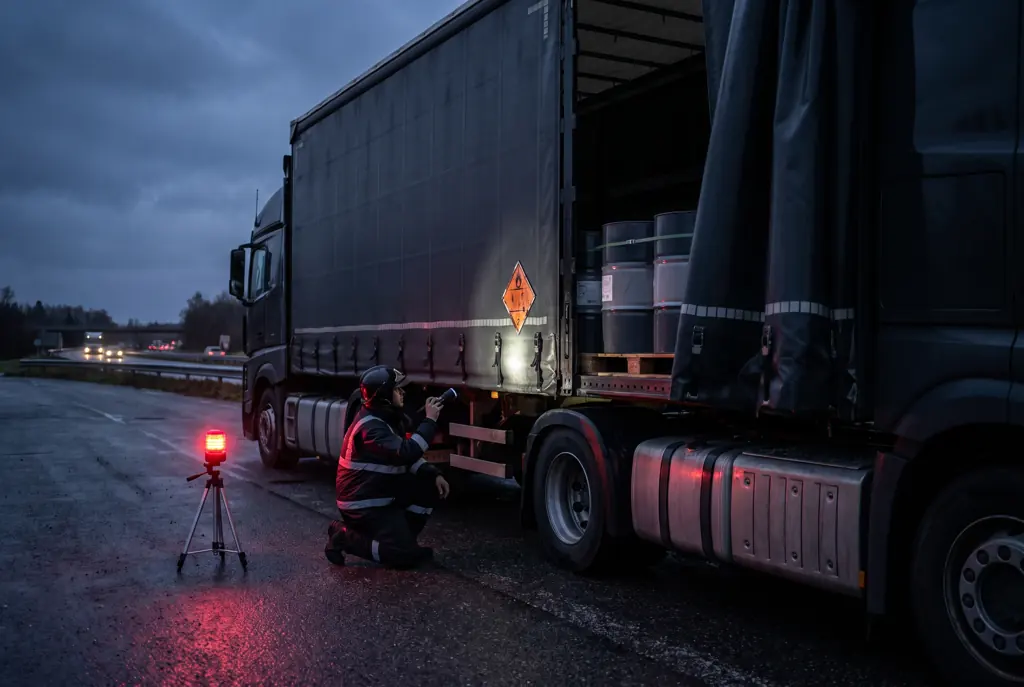
- Load securing in line with EN 12195, matched to the weight and type of packaging
- Handling limited quantities (LQ) and exemptions when the shipment falls within them
- Combining ADR with customs clearance on routes to the United Kingdom and Switzerland
How we do it
We start from the safety data sheet and the details of the load. From these we set the UN number, class, packing group and tunnel code, and we check whether the shipment falls within LQ exemptions or the quantities per transport unit that change the scope of the requirements. We always refer the quantity to the current version of ADR, because the annexes are updated on a two-year cycle.
Next we select a vehicle and a driver qualified for the class, plan the route with tunnel restrictions in mind, and prepare the transport document and the marking. For groupage we check the rules on combining different classes and ADR goods with the rest of the load on the trailer. Finally we secure the cargo and hand over the full set of documents that travels with the driver for inspection.
Limits of the service (what it does not cover / what to be aware of)
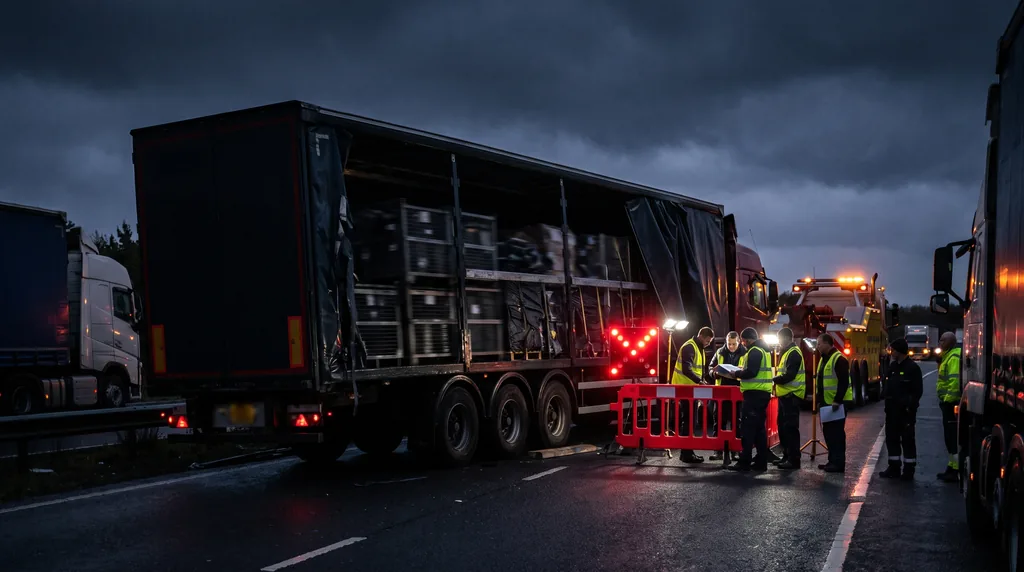
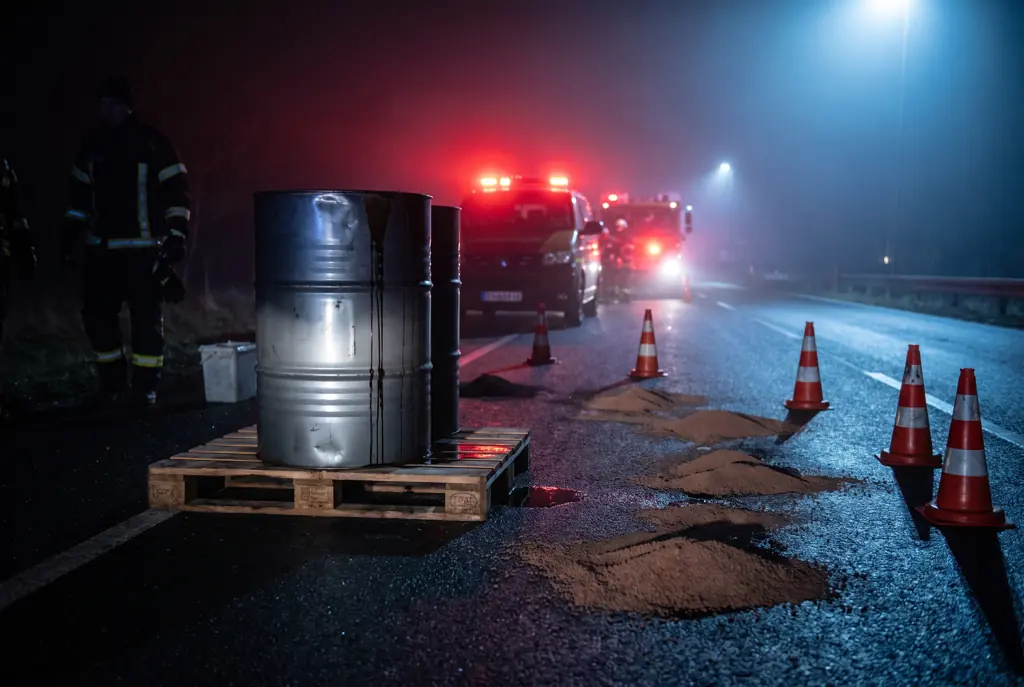
We are not the consignor's DGSA and we do not replace the classification, which is the shipper's responsibility. We do not pack goods into certified packaging and we do not issue safety data sheets. A wrong declaration or a missing entry in the transport document is not a formality: at a roadside check it can mean the vehicle is stopped, a fine and a delay, and if there is a spill in transit the real cost of neutralisation and clean-up falls on the party that prepared the shipment incorrectly. That is why we confirm the safety data sheet before loading, not at the border.