 AI image
Belgium is an EU market: union goods travel from Poland with no customs clearance, and delivery typically takes 1-2 days. On this lane OTSL arranges full loads (FTL) and groupage (LTL), container haulage to and from the port of Antwerp, temperature-controlled and ADR transport, and trade fair deliveries to Brussels, Ghent and Antwerp. One forwarder runs the order from loading to unloading.
Road corridors from Poland to Belgium
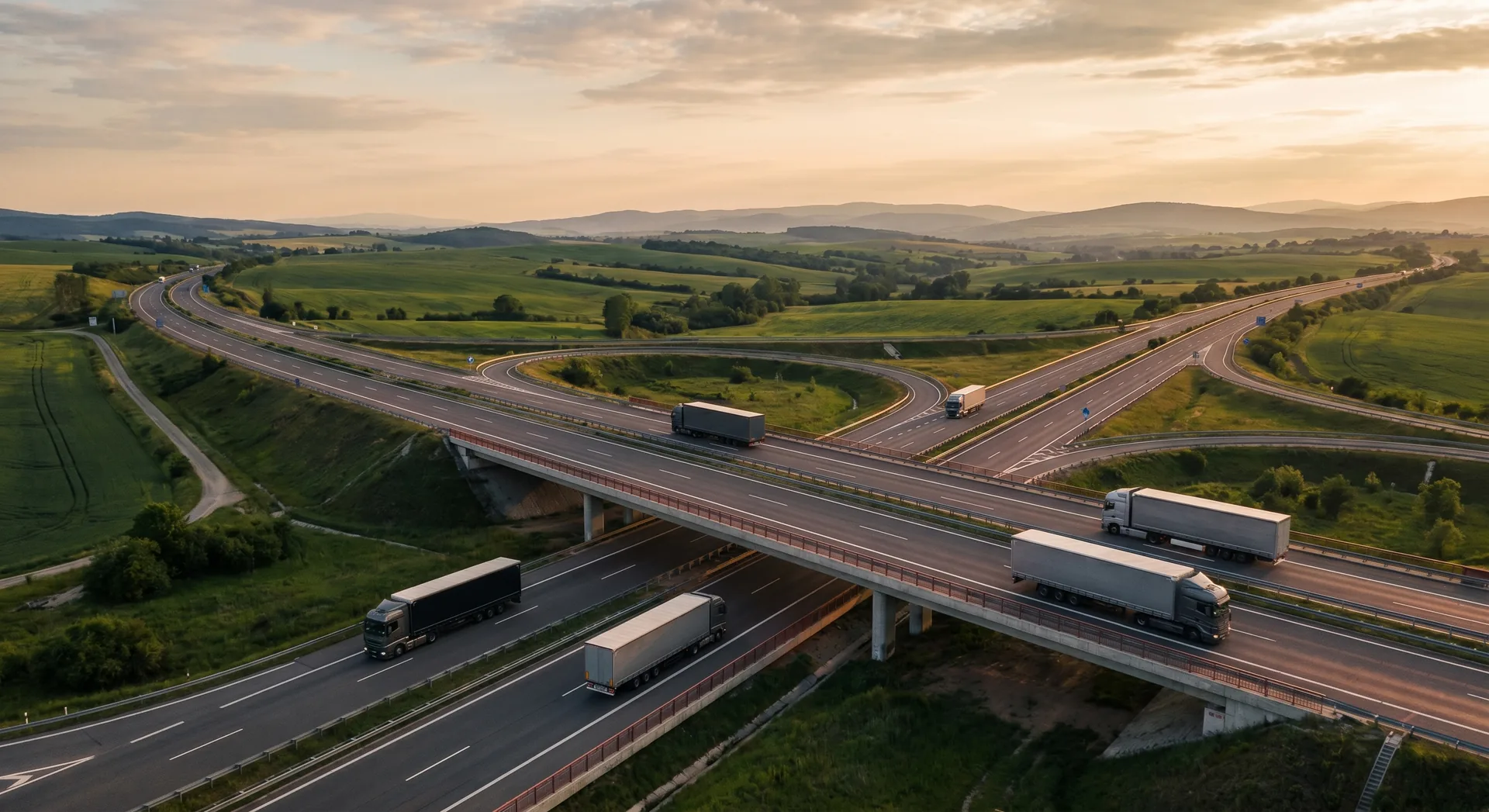
Freight from Poland reaches Belgium entirely through Germany. The main corridor runs on the A2 motorway past Poznan to the border at Swiecko, then across the German motorway network towards the Ruhr area, and finally either along the E34 to Antwerp or through Aachen and along the E40 via Liège to Brussels and Ghent. From southern Poland the A4 via Wroclaw and Dresden is often the better entry. Depending on the loading point, the distance is roughly 1000-1400 km.
Distance is not what sets the delivery date; driver hours are. With a well-placed loading window the delivery fits into 24-48 hours; with a badly placed one, a full rest period lands on top. Your forwarder confirms the realistic date at quotation, after checking the delivery windows at the consignee.
Driving bans and road charges on the route
The schedule on the Belgian lane is dictated mainly by German driving bans: trucks do not run in Germany on Sundays and public holidays, and every route from Poland to Belgium crosses Germany. A departure planned without the ban in mind turns a Monday delivery into a Tuesday one, with the truck parked a few hundred kilometres from the ramp. We keep a country-by-country overview in the article on HGV driving bans in Europe, and we check the Belgian and German holiday calendars for every order, because they do not match the Polish one.
- Kilometre charge in Belgium. Belgium charges trucks per kilometre driven (the Viapass system). We settle it within the freight rate, so the client sees one price instead of surprise surcharges.
- Low emission zones. Brussels, Antwerp and Ghent operate LEZ schemes; for city deliveries we assign vehicles allowed to enter, because a truck stopped at the zone boundary is a failed delivery you still pay for.
- Slot bookings. Port terminals and distribution centres work on time slots; missing one means waiting for the next, so we build the buffer into the route from the start.
Antwerp and Zeebrugge: containers and ro-ro
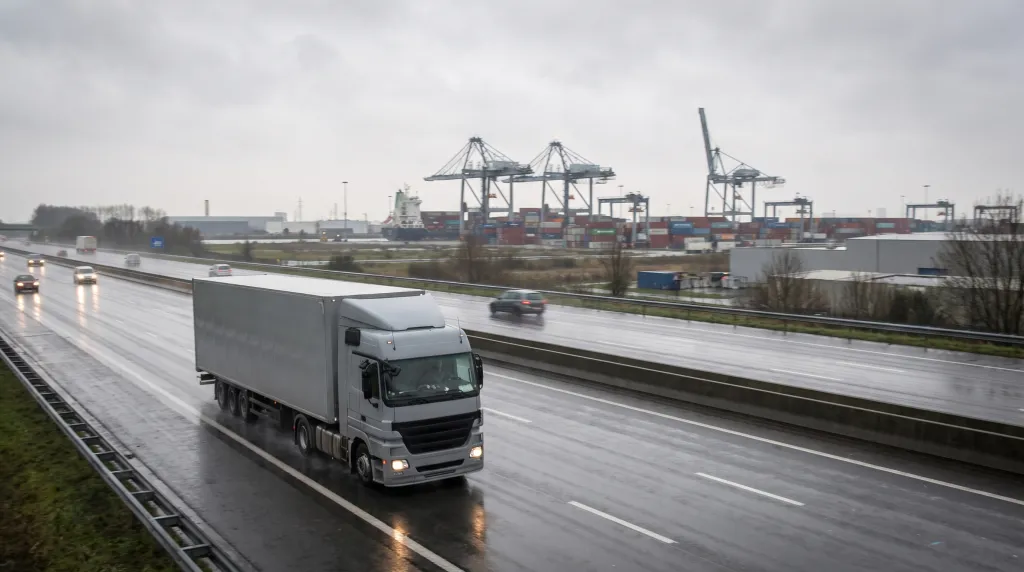
A large share of orders on this lane is not a delivery to a Belgian consignee but port work: hauling an export container to the terminal, picking up an import box and running it inland, or positioning a trailer for a ro-ro sailing from Zeebrugge. We arrange container transport between plants in Poland and the Antwerp terminals, with slot discipline and transport documents under control. For imports from outside the EU through Antwerp we arrange customs clearance, including customs procedure 42 when the goods move straight on to another member state.
Antwerp is also one of the largest chemical clusters in the world, so a good part of the freight in both directions is dangerous goods. We run ADR transport with full documentation and trained drivers; the background is covered in the article on ADR transport of dangerous goods.
Agri-food exports and the cold chain
Belgium is both a sales market and a distribution gateway for food producers: a dense network of retail and distribution centres sits within a few hours of Antwerp and Brussels. Fresh and frozen goods travel in temperature-controlled transport under the ATP agreement, with a temperature printout on request. The stake is simple: a broken cold chain means unsellable goods and a dispute over the full value of the load, as we describe in broken cold chain, unsellable goods.
For deliveries to retail networks we also watch the load carriers: the quality of EPAL pallets and the pallet exchange rules are agreed before transport, because a consignee that rejects the pallets can block the whole delivery.
FTL or LTL groupage
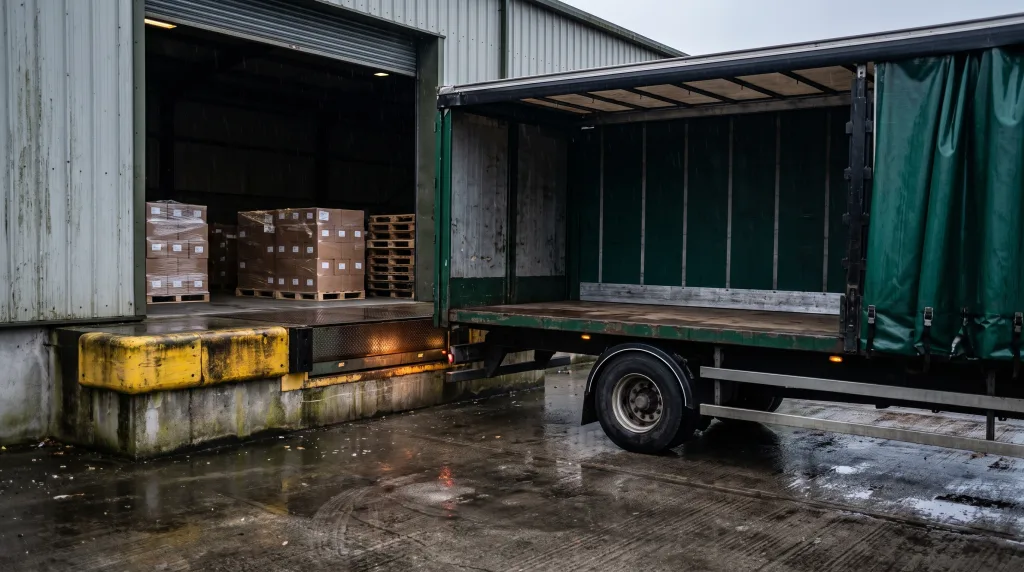
A full truck makes sense at 33 euro pallets, or when a single loading and a single unloading with no transshipment matter more than the rate. Smaller consignments travel cheaper as groupage, consolidated with other freight on the same lane; we compare the two options in FTL or LTL and show what rides next to your pallet in LTL groupage. On the Belgian lane we run both variants, including reefer and ADR groupage.
Trade fairs in Belgium
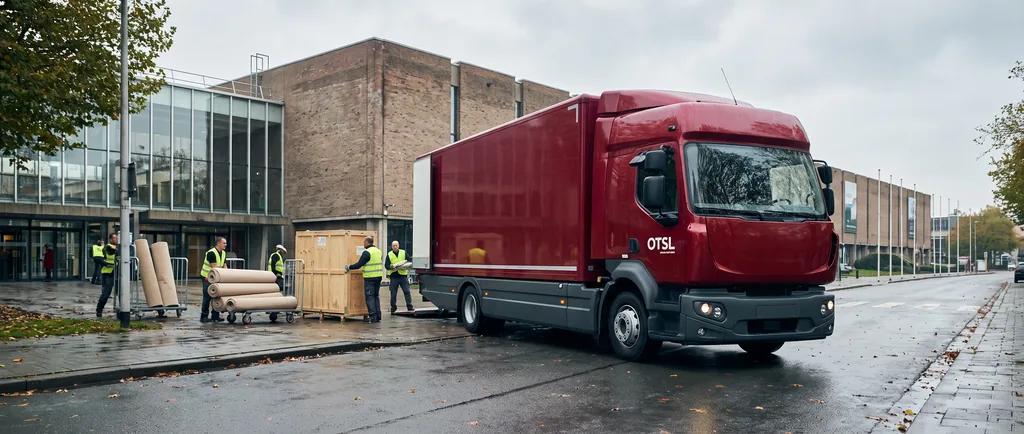
Brussels, Ghent and Antwerp host trade fairs and exhibitions we deliver to from Poland and other EU countries. Inside the EU no ATA carnet is needed, but build-up and dismantling windows are unforgiving: a truck late for its unloading slot drops out of the queue. We plan fair deliveries with a buffer for driving bans and on-site queues; details are on the trade fair transport to Belgium page and in the exhibition logistics hub.
What OTSL arranges on the Belgian lane
- FTL and LTL both ways: curtainsiders, reefers, ADR, oversized cargo.
- Port work: container haulage in Antwerp, trailers for ro-ro sailings from Zeebrugge.
- Customs clearance for non-EU imports through Benelux ports, including procedure 42.
- Trade fair transport to Brussels, Ghent and Antwerp with build-up windows under control.
- Cargo insurance matched to the value of the load.
- Imports from Belgium to Poland: return loads lower the cost of the whole lane, and the same forwarder keeps the documents in order.
What to watch out for when shipping to Belgium
- The German Sunday ban removes a full day from the plan; the departure has to be built around the ban, not the other way round.
- An LEZ zone can stop a wrongly assigned vehicle right before the ramp; we check zone requirements before dispatching the truck.
- A missed port slot does not wait; a truck without a time buffer queues for the next window and generates standstill costs.
- Unagreed pallet terms end in a dispute at the ramp and a remark in the consignment note; see how to fill in a CMR consignment note.
We prepare a quotation from the cargo description, dimensions, weight and the loading and delivery points; the fastest way to ask is the contact form. Other European lanes are collected in the destinations hub.