 AI image
The profitability limit for buying machinery in the United Kingdom depends on calculating the total delivery cost prior to entering the auction. Viewing days allow prospective buyers to inspect technical conditions, working hours, and serial numbers on site, eliminating post-auction risk as auction houses accept no claims. The final calculation must cover the hammer price, buyer's premium, applicable VAT, transport with potential out-of-gauge surcharges, customs clearances, loading, and insurance.
Why are viewing days essential before placing a bid?
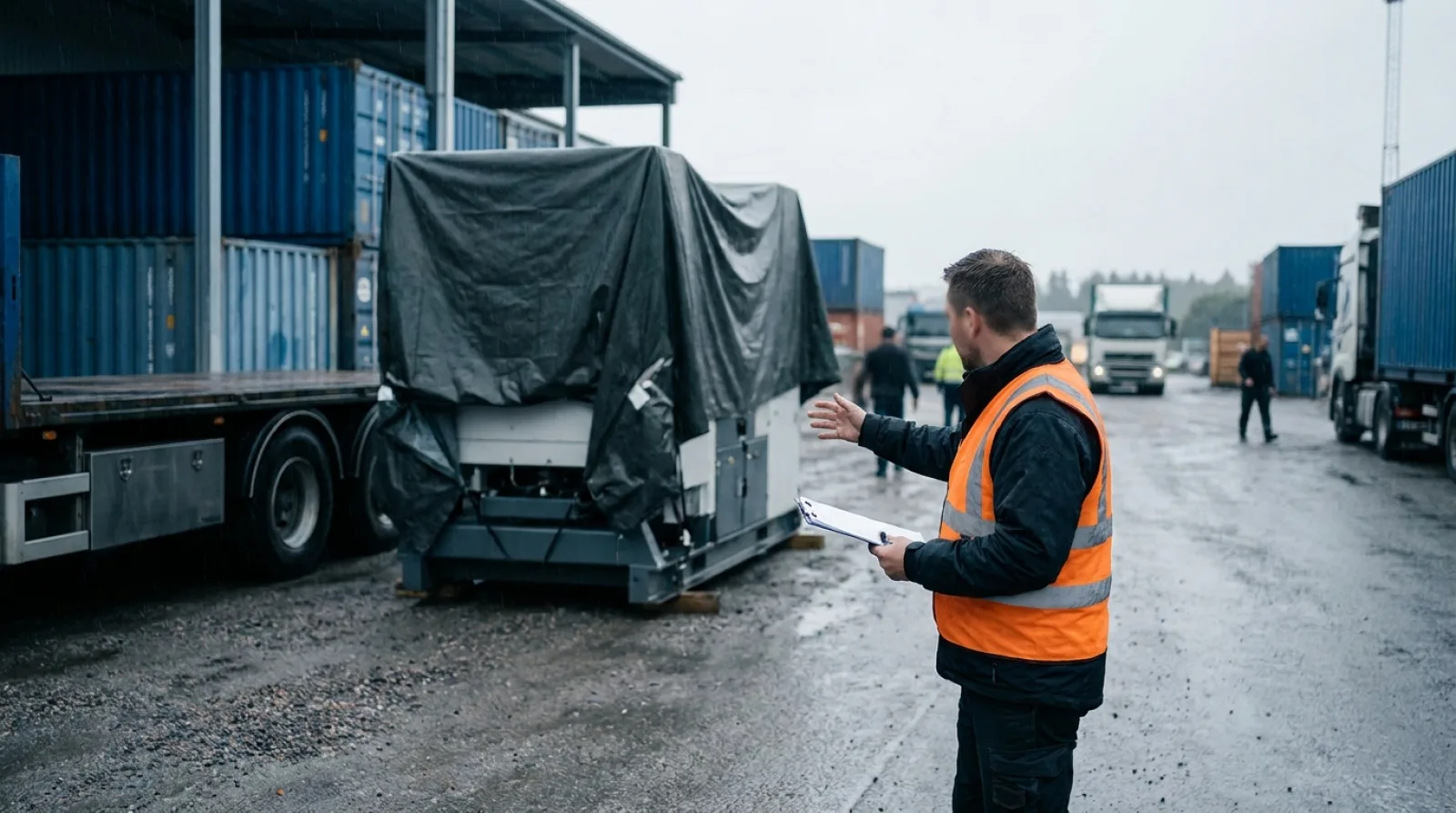
Auction houses across the UK organise official viewing days ahead of the bidding process. During these designated timeframes, buyers or their representatives can examine equipment directly on the yard, check component conditions, and log exact serial numbers and meter readings. Machinery can be started only within the specific boundaries defined by the yard management rules. This represents the sole opportunity to identify mechanical issues and confirm component completeness.
Skipping the physical inspection transfers all operational risks entirely to the buyer. Once the hammer falls and the auction concludes, auction houses will not accept any complaints or financial claims regarding the machine's state or missing parts. Conducting a thorough inspection on site provides the necessary facts to establish whether to bid and to set a strict ceiling for the bidding process.
How do currency rates and dimensions affect the profitability limit?
Accurate valuation requires conducting all calculations in a single currency using realistic GBP exchange rates. Estimating currency impacts informally often leads to significant budget errors that destroy commercial margin. The total calculation comprises the hammer price, auctioneer buyer's premium, relevant taxes, export and import customs clearance fees, cargo insurance, and physical transport costs.
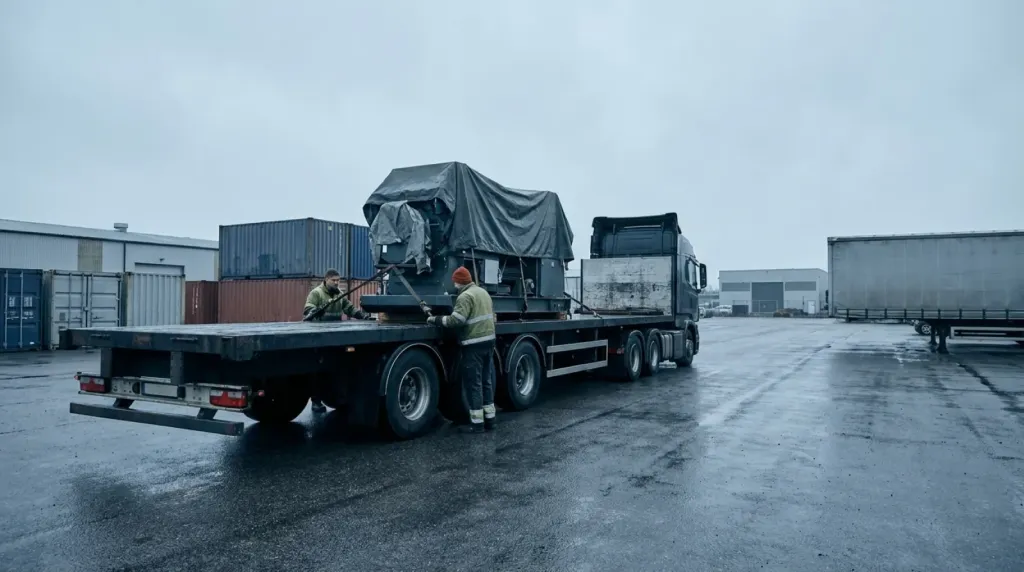
Machine dimensions alter freight costs in a non-linear, step-change fashion. Equipment that fits standard trailer dimensions incurs standard road transport rates, whereas out-of-gauge machinery requires low-loader trailers, movement permits, and route escorts. Checking exact length, width, height, and weight prior to bidding is critical for determining the true freight cost to destination.
How to calculate the purchase margin step by step
- Inspect machinery on site. Attend viewing days to record serial numbers, hour meters, and mechanical status directly at the auction yard.
- Determine physical dimensions. Measure the machine including any loose attachments to identify the required trailer specification.
- Verify auction terms and fees. Check the buyer's premium rate and tax application rules detailed in the auction catalogue.
- Calculate freight and customs costs. Request binding quotes for transport, customs clearance, loading, and cargo insurance.
- Consolidate budget in one currency. Convert all expected expenses using current exchange rates to establish the maximum bid limit.
Definitions
- Buyer's Premium: An additional fee charged by the auction house calculated as a percentage on top of the hammer price.
- Viewing Days: Scheduled periods prior to an auction when buyers can inspect machinery on site.
- Out-of-Gauge Transport: Carriage of goods exceeding standard road transport dimensions or weight limits requiring permits.
- VAT (Value Added Tax): Consumption tax applied according to auction house rules and national customs legislation.
Pre-bidding valuation checklist
- Inspect serial numbers and operating hours at the yard.
- Verify total weight and transport dimensions.
- Review buyer's premium schedules in auction terms.
- Convert all cost factors into a single working currency.
- Obtain transport and customs clearance quotes.
- Confirm loading procedures and cargo insurance parameters.
When does the calculated total cost not apply?
The total cost calculation does not apply if the buyer modifies the load specification after winning the bid, such as adding unannounced spare attachments or additional components to the consignment. The initial valuation also depends on unchanged auction yard release conditions and does not apply if actual physical dimensions deviate from manufacturer data, requiring additional road permits. Final figures depend on the specific terms published by the auction house and the actual condition of the cargo at the time of collection.
The OTSL role
OTSL, operating from Kielce with warehouse facilities in Milton Keynes, arranges international haulage and customs clearance across the UK, Poland, Switzerland, Norway, and continental Europe. Before an auction begins, we calculate transport costs based on the machinery model and yard location, ensuring you bid with full clarity on delivery expenditure. Explore our machinery transport solutions alongside specialized advice on how to handle purchases from Euro Auctions Leeds auction purchase and machinery transport. See also: Buying at Bonhams auction in UK and machinery transport to Poland and Machinery transport from Clarke & Simpson UK auction to Poland.