 AI image
Machinery and equipment transport is the road carriage of heavy, often oversized and shock-sensitive production loads: machine tools, lines, power units, presses and tanks. The service is for manufacturers, integrators and firms relocating a machine park who need delivery timed with the install crew and certainty that the machine arrives undamaged and without downtime.
What it covers
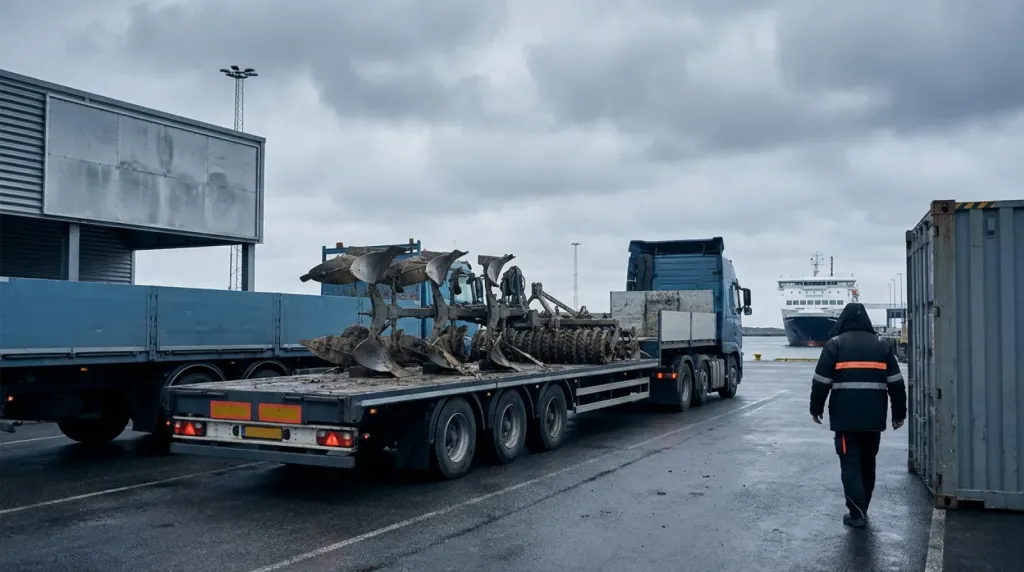
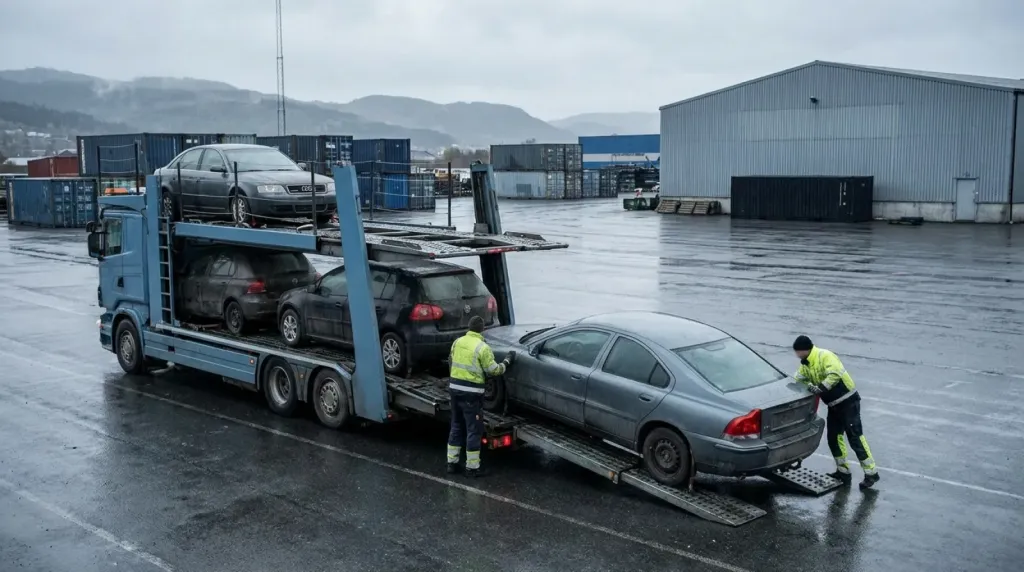
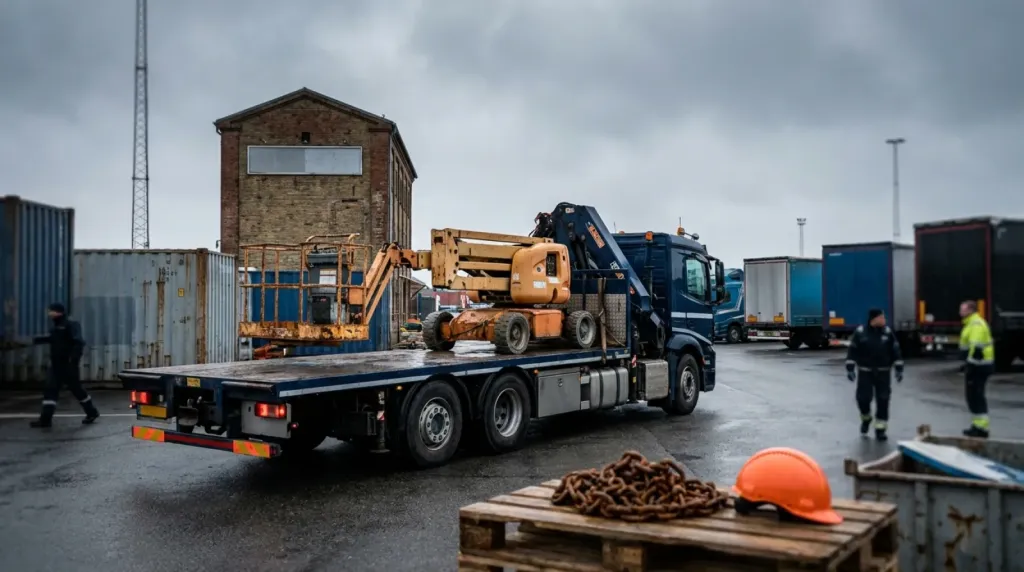
- Matching the trailer to mass and dimensions: low-loader, flatbed, mega or a specialist rig.
- Checking payload and axle-load distribution so the rig is legal along the route.
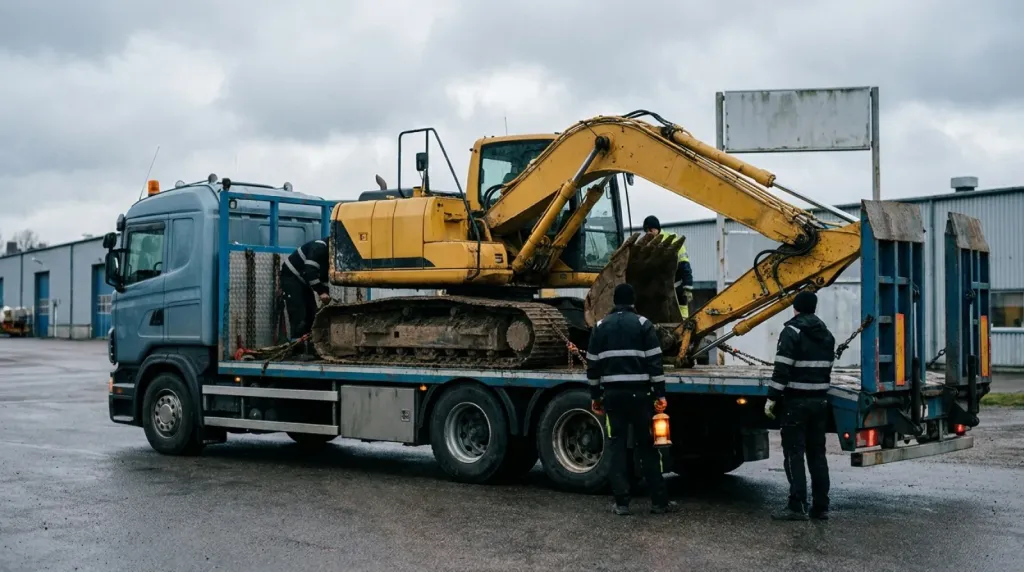
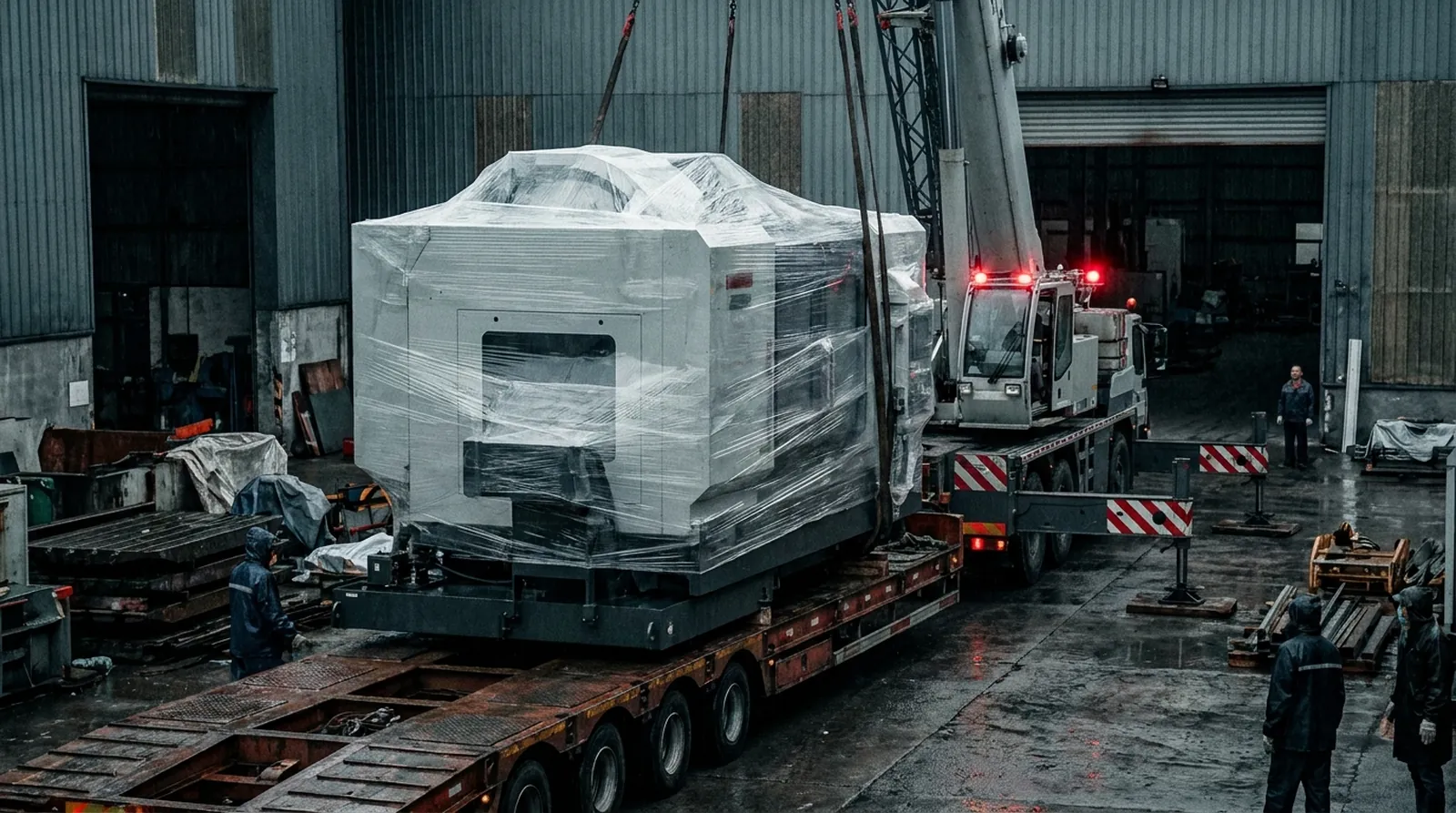
- Loading by crane at the designated lifting points, or by drive-on ramp, suited to the machine.
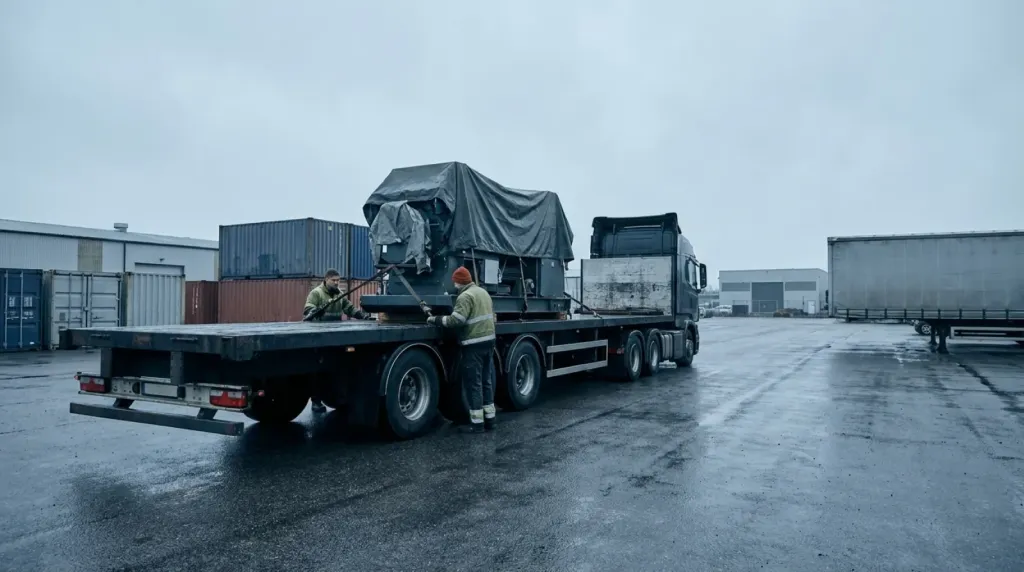
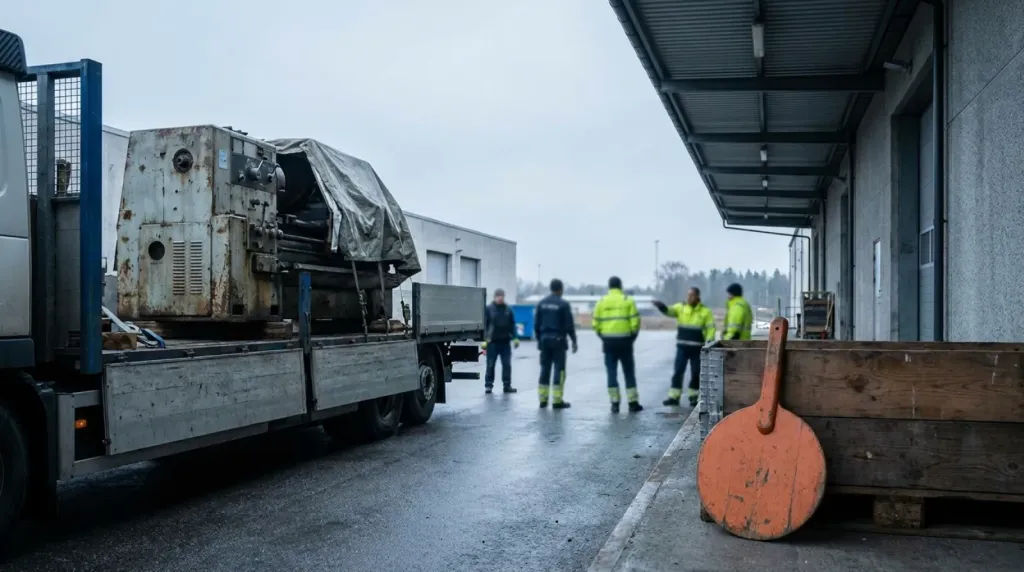
- Precise securing to the centre of gravity: straps, anti-slip mats, blocking bars and corner protectors.
- Dismantling and separately protecting sensitive parts (spindles, probes, controllers) for the journey.
- Route planning for clearance and passability, and for abnormal loads the arrangement of permits and escorts.
- Tie-in with customs clearance on import and export, and with cargo insurance.
- Delivery timed with the install crew and hall access at the unloading site.
How we do it
We start from the machine data: mass, dimensions, lifting and lashing points, centre of gravity and sensitive components. On that basis we choose the trailer and loading method, and we check the rig for axle loads so we do not exceed the permitted values and risk a fine or a stop.
Loading is done by crane at the designated lifting points, or driven onto a low-loader, so the machine is not exposed to shocks or point overloads. Securing is matched to the centre of gravity and the load geometry to recognised practice (the EN 12195 series for road load securing), and sensitive assemblies are dismantled and protected separately when needed.
When mass or dimensions exceed the norms, we arrange abnormal-load transport with the required permits and pilot vehicles, and plan the route for clearance and axle loads. We tie the whole job to customs and cargo insurance, and agree the delivery slot with the install crew so the crane and people on site are not left waiting.
Limits of the service (what it does NOT cover / worth knowing)
We arrange transport, securing and formalities, but commissioning and start-up of the machine sit with your service team or the manufacturer. Abnormal-load permits have their own lead times and assigned routes, so a late request can push the loading by days. If we do not get the real mass and lifting points, choosing the trailer and securing is guesswork, and an error here means a damaged machine or a rig stopped for inspection. On the road the carrier is responsible for securing, but correct preparation and declaration of the load by the shipper decides whether it can be done safely.