 AI image
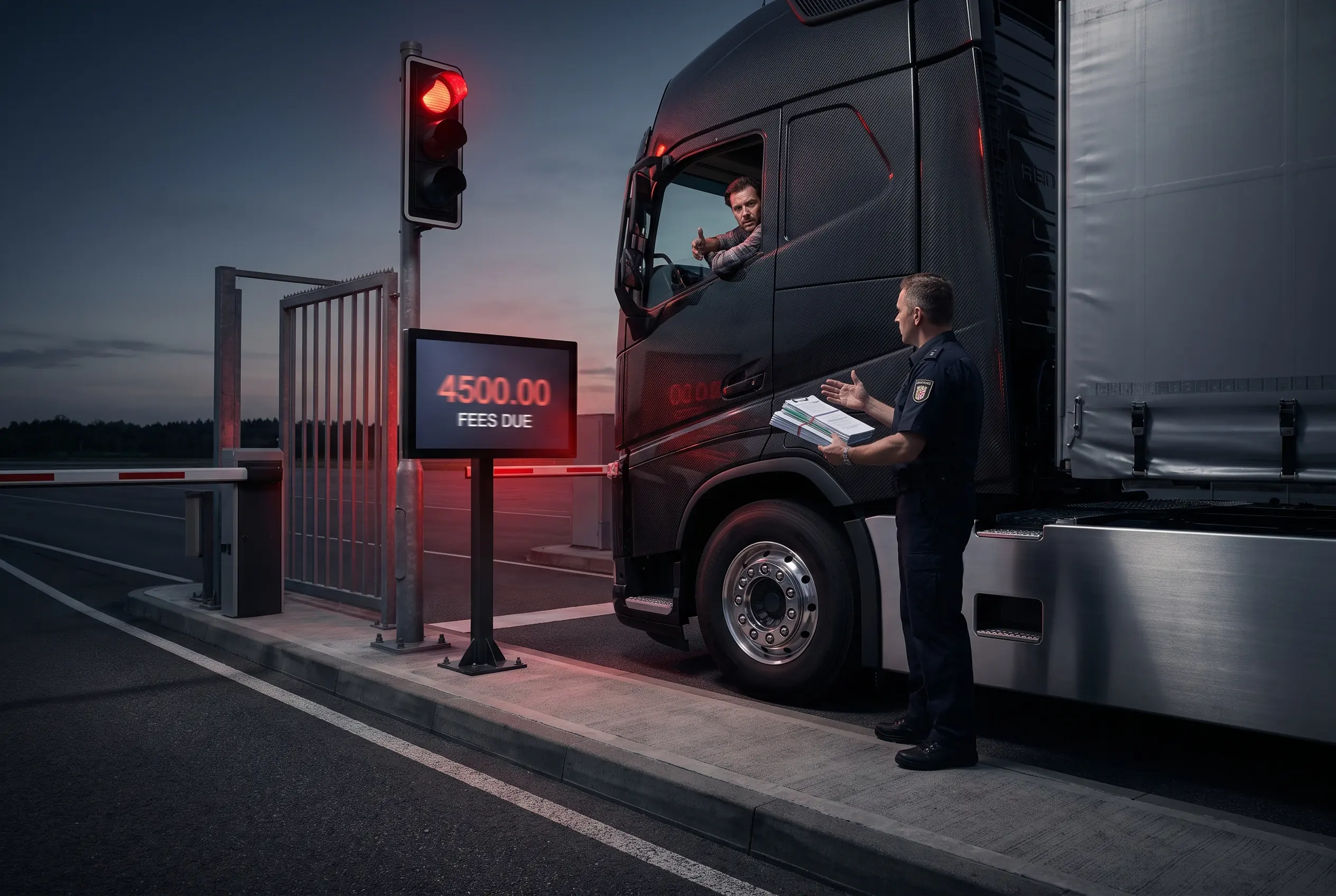
Under DAP the buyer clears the goods on import and pays the customs duty and import VAT. Under DDP the seller does. When the two sides read this differently, nobody at the border is ready to pay, the shipment stops, and an unexpected bill lands on the wrong company. This is the most common dispute that can be ruled out before departure.
What goes wrong?
DAP and DDP differ on one element: import clearance and the duty and tax that come with it. (source: iccwbo.org) Under both terms the seller delivers the goods to the destination. The difference is who formally acts as importer and covers the duty and VAT.
- DAP: the seller delivers, but import clearance, duty and VAT sit with the buyer.
- DDP: the seller arranges import clearance and pays the duty and VAT, delivering the goods fully cleared.
The trouble starts when the order says one thing and the sales email implies another. The seller assumes they entered DAP and the consignee handles clearance. The buyer reads it as DDP and expects goods with no duty on their side. Nobody has appointed a customs agent for the import, nobody has secured payment of the charges. The truck reaches the border and there is no basis to release it.
The real cost of the mismatch
The bill does not disappear, it waits and grows. A buyer who expected DDP is suddenly asked to pay duty and VAT they never budgeted for this deal. A seller who counted on DAP hears that it is their cargo blocking the terminal.
- Held at the border: the trailer stands because the import declaration and the payment of charges are missing. Vehicle and driver time keeps running.
- Unexpected bill: customs duty and import VAT land on the party that did not plan for them, often with added storage and demurrage costs.
- Commercial dispute: seller and buyer blame each other, and the relationship and future orders come into question.
- Supply chain risk: goods needed on time for a trade fair, production or onward shipment do not arrive on schedule.
The worst part is that this cost is entirely avoidable. It comes not from the rules, but from a single unspoken assumption in the order.
How to avoid it and how OTSL handles it
The Incoterm is not decoration in the header of an order. It decides who acts as importer, who appoints the customs agent and who pays the charges. That is why we settle it before the vehicle moves.
- We check the term on intake: when we accept the order we confirm whether it is DAP or DDP and state plainly which side clears and pays the duty and VAT on import.
- We close the responsibility: if the term is DDP, we make sure import clearance and payment of charges are arranged on the seller side. If it is DAP, we confirm the consignee is ready to clear.
- We flag the mismatch: when the order says one thing and the commercial agreement says another, we stop and ask instead of sending the goods into a dispute.
- We pair transport with clearance: our customs clearance and road transport work together, so one person makes sure the documents, the importer and the payer match the delivery term.
The result is simple: the shipment crosses the border without a stop, the bill reaches the party that expected it, and seller and buyer do not lose time on a dispute. Control, detail and speed start with one question asked at the right moment: who really clears and pays here.
Step by step
- Agree on the trade term. Choose the appropriate delivery conditions and specify them clearly in the commercial contract.
- Verify the importing entity. Confirm whether you or your trading partner acts as the formal importer of record.
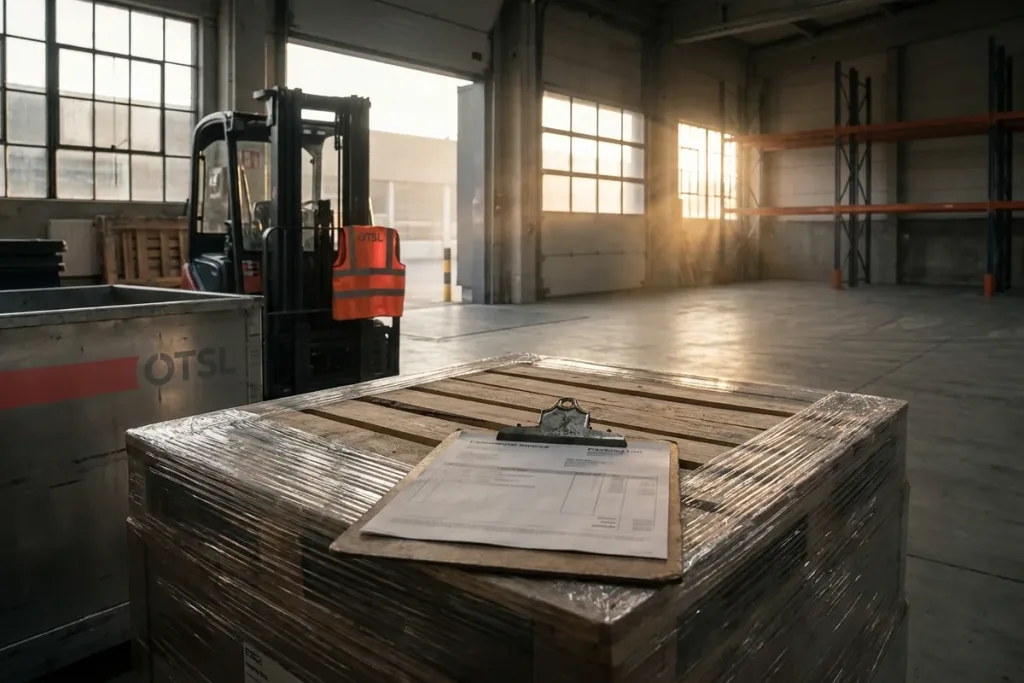
- Prepare customs paperwork. Gather the commercial invoice, packing list, and necessary authorisation letters for the customs agent.
- Settle duty and taxes. Pay the relevant customs duty and import VAT in line with the chosen rule before customs clearance.
- Release and final delivery. Inform the carrier once the cargo is cleared so the vehicle can leave the border and complete delivery.
Definitions
- DAP (Delivered at Place): A trade term where the seller delivers the goods to the named destination, whilst the buyer handles import clearance, duty, and VAT.
- DDP (Delivered Duty Paid): A trade term where the seller assumes all responsibility for costs and customs formalities, including import clearance, duty, and import VAT.
- Import clearance: The set of customs formalities required to enter goods into free circulation within a destination country.
- Import VAT (Value Added Tax): A tax levied on imported goods entering the relevant customs territory.
When does this rule not apply?
This division of responsibilities does not apply when both parties explicitly agree to custom contractual clauses or when destination regulations prevent a non-resident seller from acting as the official importer.
The OTSL role
We manage international transport and help keep shipments moving across borders by aligning transport plans with clear customs workflows. Learn more about our groupage (LTL) services and read our article on Incoterms in transport to the UK: who arranges and pays for customs. See also: First-time export outside the EU: where to start.