 AI image
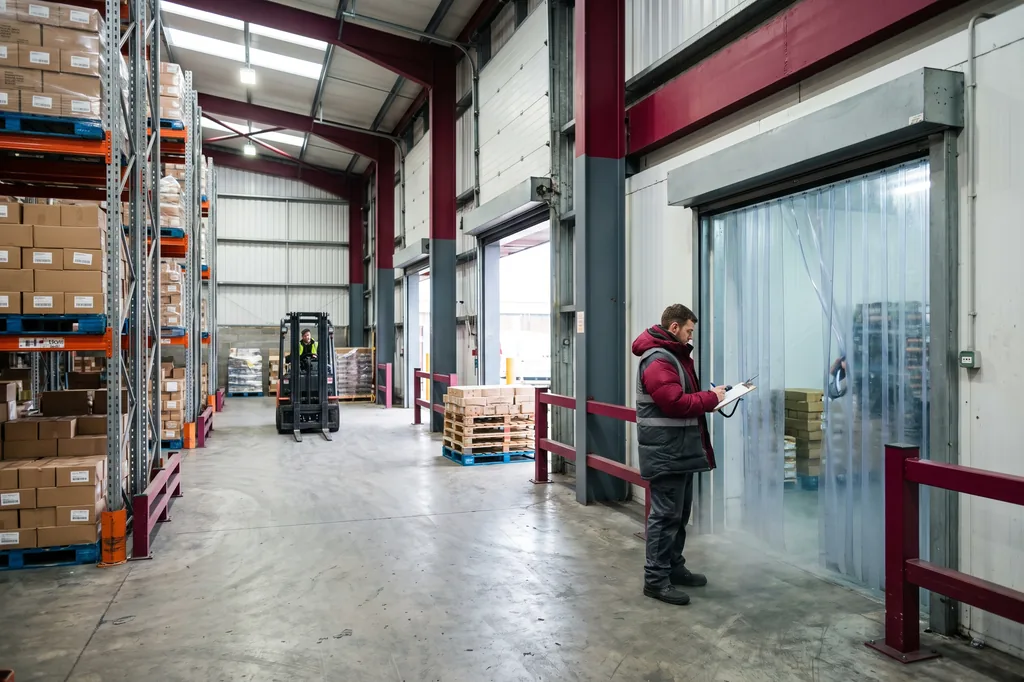
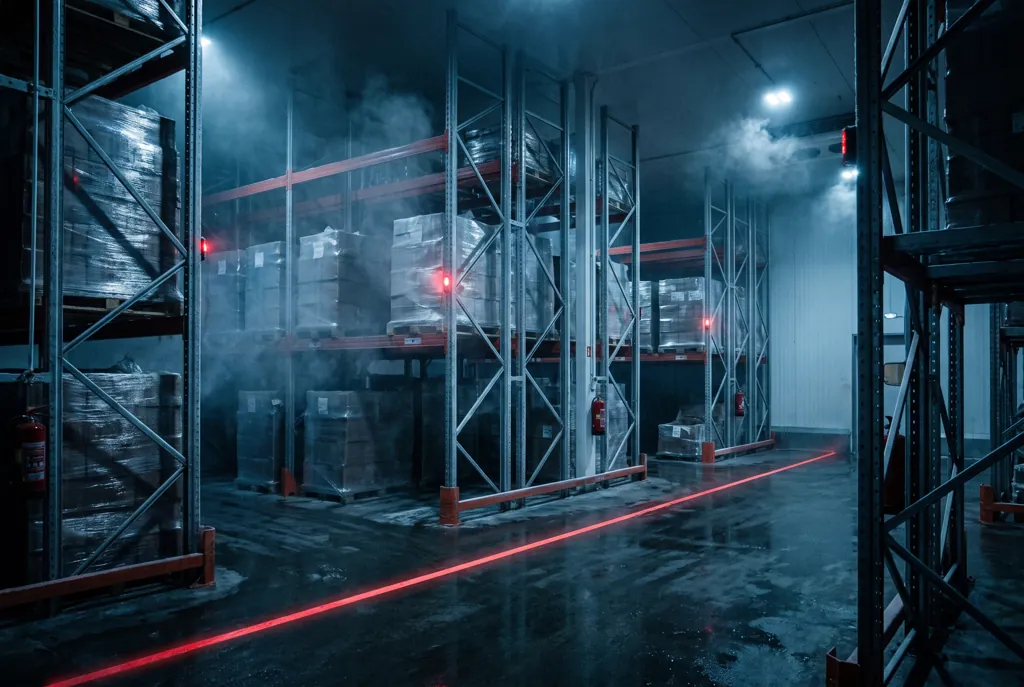
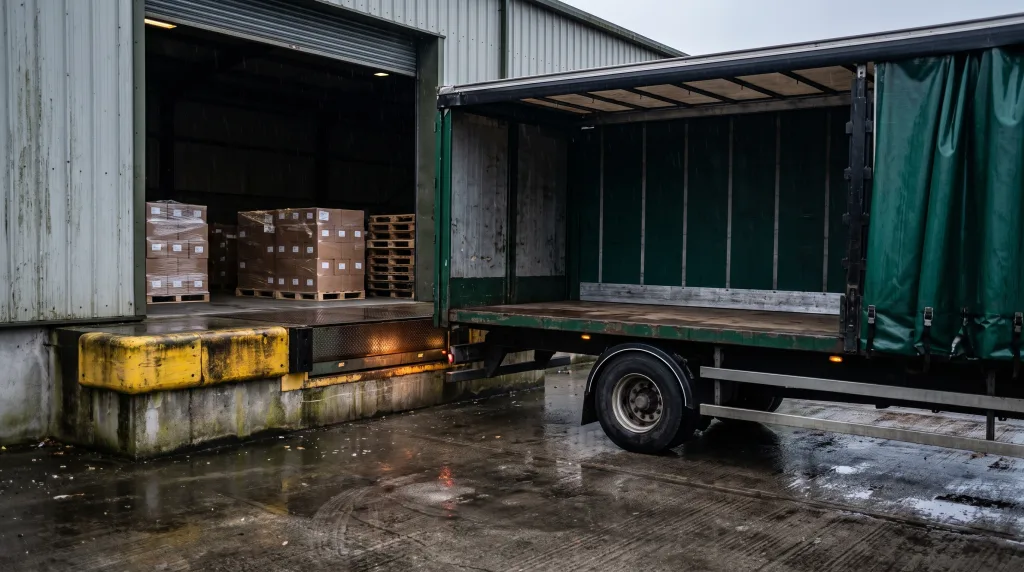
Short-term storage with temperature control is keeping goods on the UK market for a limited time while holding the required temperature regime. It works when sensitive goods wait for delivery, customs or a decision and the cold chain must not be broken. At OTSL we have such space at the UK warehouse.
When does it help?
- Sensitive goods wait for a delivery slot or a consignee decision.
- A batch needs buffering between transport and onward distribution.
- After inspection some goods wait for a ruling and the temperature must hold.
Why temperature continuity is key
With sensitive goods it is not only transport that counts but every stage, including the stop in the warehouse. A break in cooling during storage can undo what was held on the road. That is why temperature-controlled space is part of the same chain, not a separate topic.
How do we work?
The Milton Keynes warehouse in the UK has temperature-controlled space and runs 24/7, so the buffer does not knock the goods out of regime. We agree the required temperature and storage time individually.
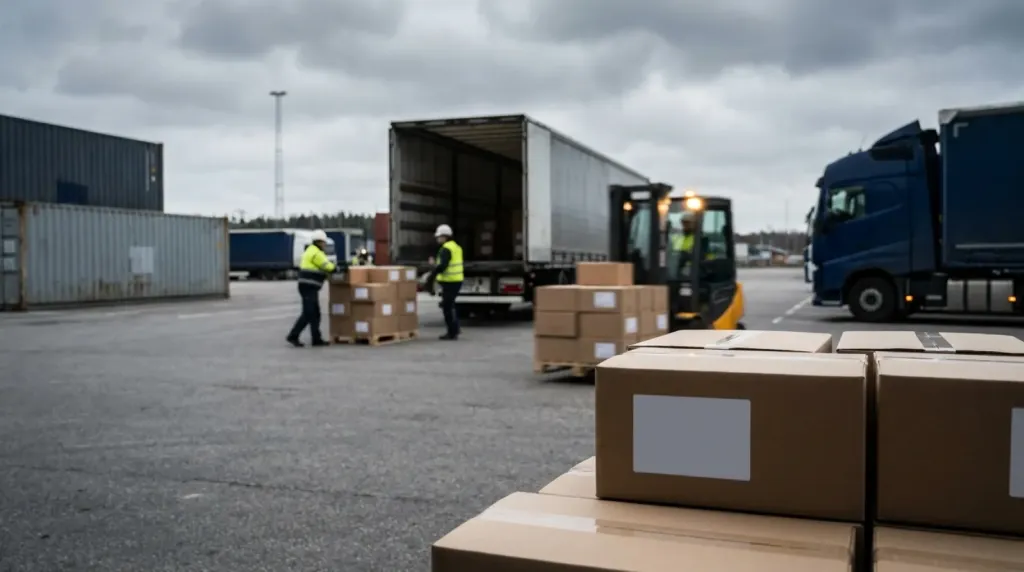
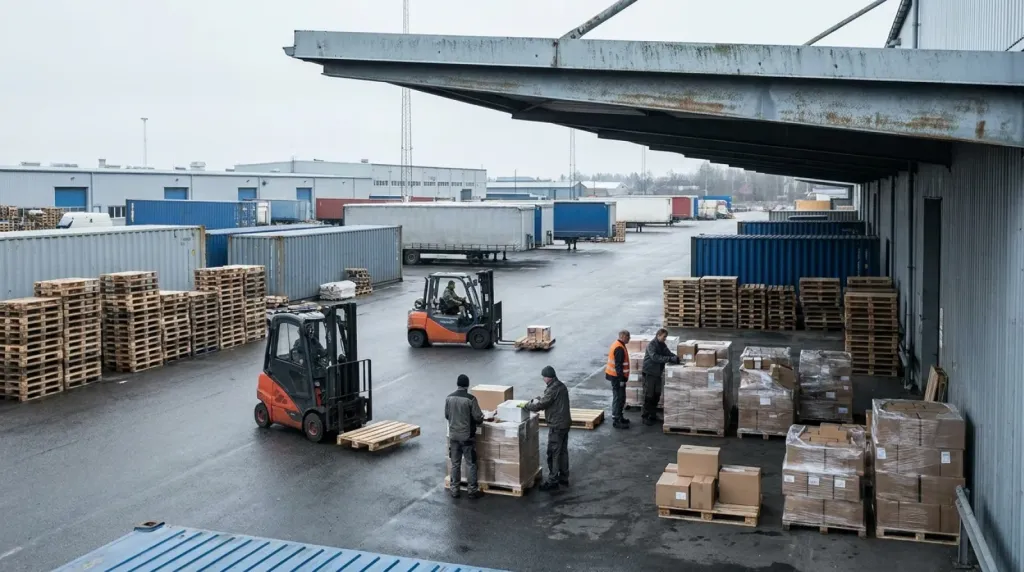
On the mainland side, a similar buffer before onward transport is provided by our transshipment warehouse in Kielce. See also warehousing, temperature-controlled transport and the cold chain.
How do temperature stabilization rules and buffer storage limits work in practice?
When you direct temperature-sensitive freight into a temporary buffer, you must account for the thermal stabilization period, which lasts up to 120 minutes following unload onto the receiving dock. During this initial window, any deviation in cargo core temperature exceeding ±0.5°C signals a breach of thermal integrity during transit. A standard pallet with a gross weight of up to 800 kg requires between 3 to 6 hours to fully align its core temperature with the ambient climate of the chilled chamber. When positioning your goods in the bay, you must maintain a clear clearance distance of at least 15 centimetres from perimeter walls and adjacent pallets. Omitting this gap disrupts mandatory airflow and creates localized heat pockets where cargo temperatures can rise by 3°C to 4°C within 24 hours, even if stationary ceiling sensors display nominal values.
Short-term buffer holding functions under strict operational time windows linked to UK customs processing workflows. The standard maximum duration for holding uncleared goods in a temporary storage facility before updating the customs entry or re-lodging through GVMS (Goods Vehicle Movement Service) or CDS is 72 hours. If your cargo delay extends to 5 days, you must transition the consignment into formal bonded warehousing, which alters statutory liability and holding charges. You should also note the physical relationship between mass density and thermal loss: pallet loads under 300 kg lose their required thermal envelope twice as fast as high-density pallets whenever dock shelter seals open during active loading operations.
- Wall and pallet clearance: minimum 15 centimetres to preserve air circulation.
- Thermal verification window: up to 120 minutes after offloading onto the dock.
- Allowed sensor variance: no more than ±0.5°C from the target set point.
- Standard temporary storage buffer threshold: up to 72 hours prior to customs re-manifesting.
This short-term operational rule does not apply when you are shipping deep-frozen goods requiring stable temperatures below -22°C, which rely on passive cold preservation without forced air convection. Furthermore, this regime does not apply to consignments held for sanitary or phytosanitary inspections exceeding 14 days, which must be transferred to long-term bonded storage facilities under separate regulatory controls.
Step by step
- Goods notification. You submit cargo parameters and the required temperature regime.
- Warehouse receipt. Cargo enters the temperature-controlled zone at the Milton Keynes facility.
- Conditions verification. Monitoring and control of cooling parameters are carried out continuously.
- Awaiting dispatch. Cargo safely waits for customs release or an allocated delivery slot.
- Release for onward transport. You dispatch the goods for final distribution without breaking the cold chain.
Definitions
- Short-term storage: Keeping goods in a warehouse for a limited time as a buffer between transport stages.
- Temperature control: Maintaining a constant, required thermal regime during storage and transit of sensitive goods.
- Cold chain: An unbroken process of maintaining specified cooling conditions from loading to final delivery.
- Logistics buffer: A temporary storage space for cargo waiting for onward distribution or a decision.
- Delivery slot: A scheduled time window during which the consignee accepts the shipment at destination.
The OTSL role
We organise transfer and storage of cargo under controlled conditions using our facility in the UK. When you combine transit with a short stopover, our temperature-controlled transport ensures continuity of the thermal regime at every stage, supported by flexible groupage (LTL) solutions.