 AI image
Temperature-controlled transport means carriage in a refrigerated trailer (reefer) that holds a set temperature for the whole route. What matters is not a single figure on the thermometer, but the continuity of the cold chain from loading to delivery. At OTSL we run temperature-controlled transport and combine it with warehousing and customs.
Why continuity matters most
- A single break in cooling can ruin the fitness of a whole batch.
- Sensitive goods often need temperature recorded along the route.
- Transhipment without refrigerated facilities is a weak link in the chain.
Typical temperature regimes
In practice we meet two most common regimes: chilled, usually in the 2-8 degrees Celsius band for fresh food and many sensitive products, and frozen, usually around -18 degrees Celsius and below for frozen goods. These are indicative values: the binding temperature is set by the manufacturer specification and the consignee requirements, so we confirm it for the specific load rather than assume it in advance.
How do we handle it?
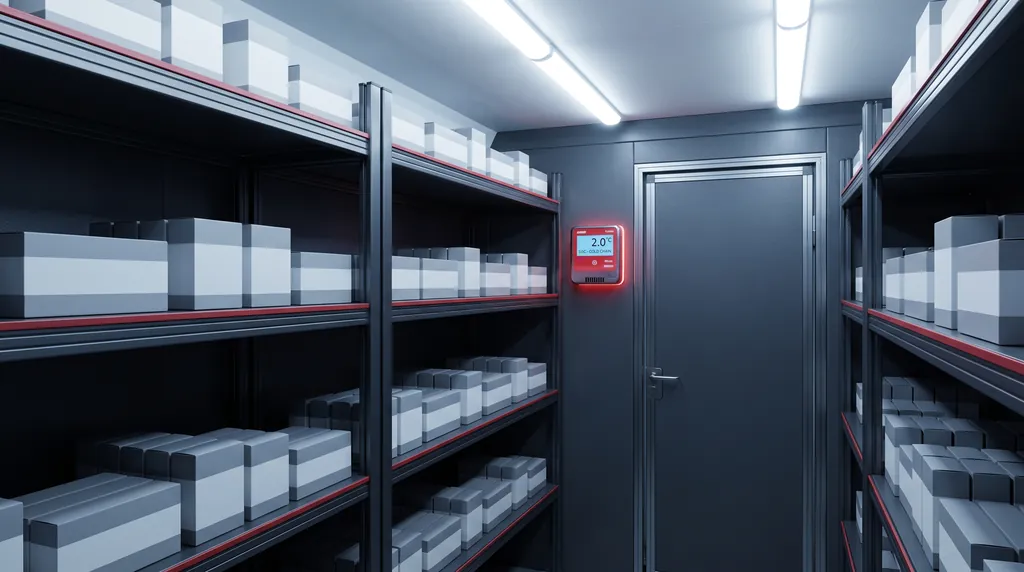
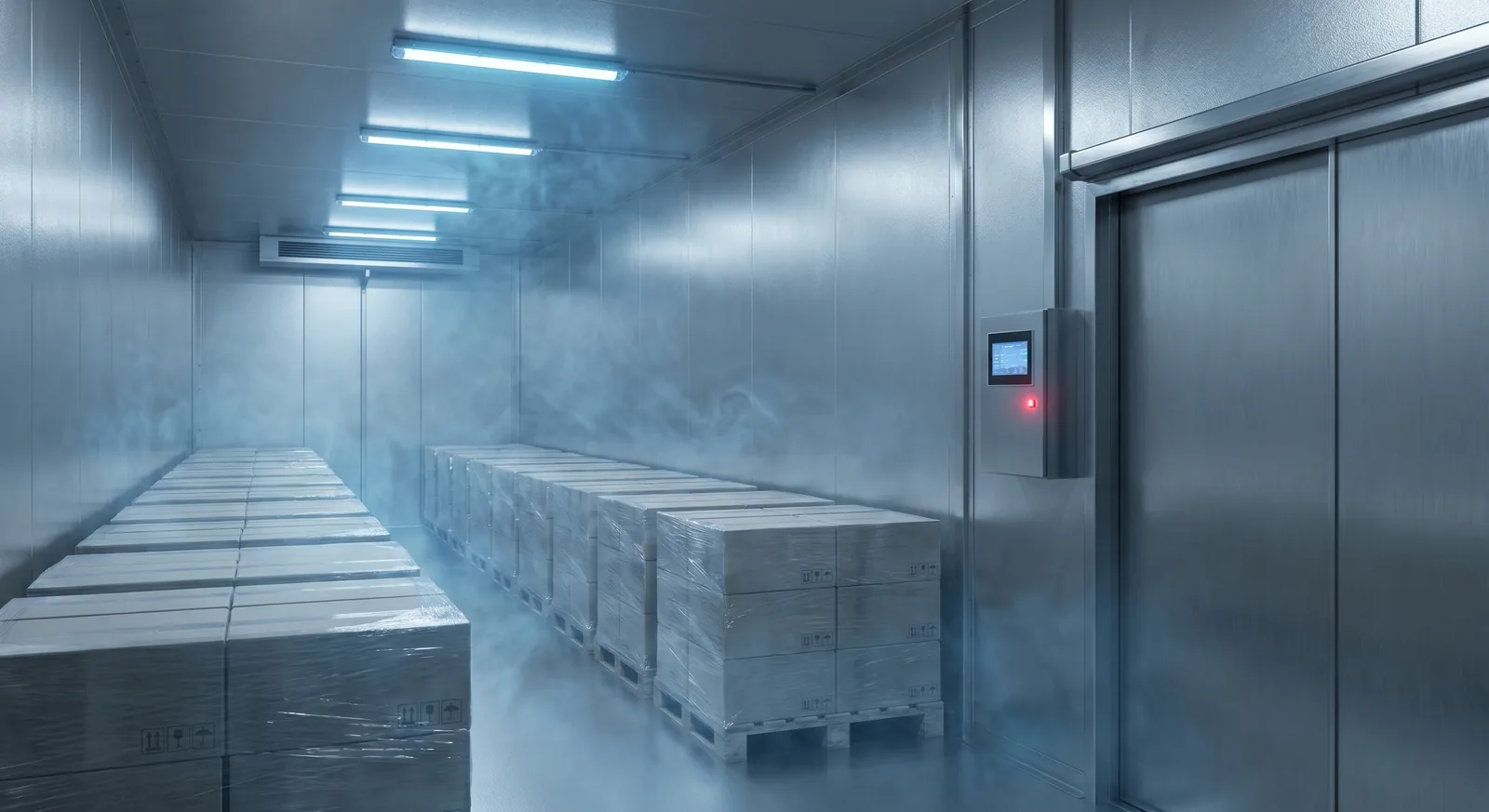
We run reefer trailers, and our warehouses have temperature-controlled space, including in Milton Keynes in the UK. So transhipment or short storage does not knock the goods out of regime. We agree the required temperature and how it is confirmed before departure, instead of assuming everyone means the same thing.
The UK lane and temperature
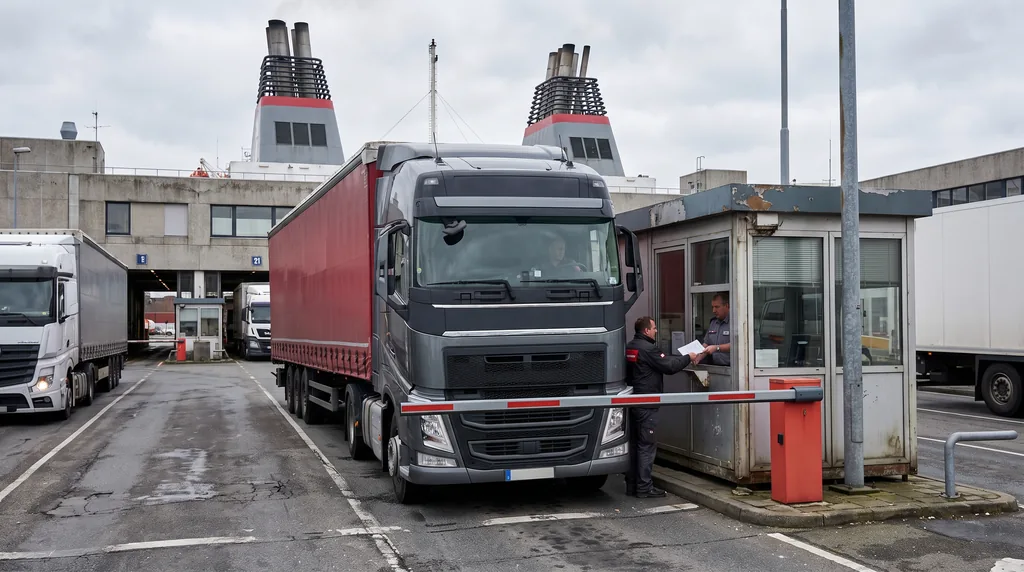
On the route to the UK, customs and the crossing are added to the temperature regime. We plan them so the goods do not wait needlessly at the border, because every spare hour is a risk for sensitive cargo. We confirm the exact parameters for your goods individually.
See temperature-controlled transport, warehousing, road transport and the full list of services.
How do you properly prepare a reefer trailer for loading to prevent temperature spikes?
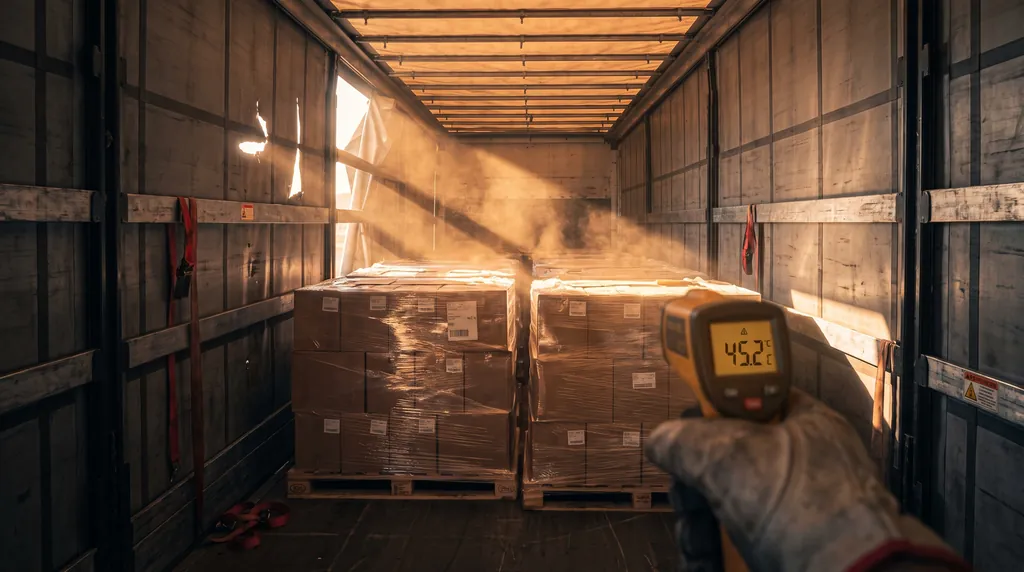
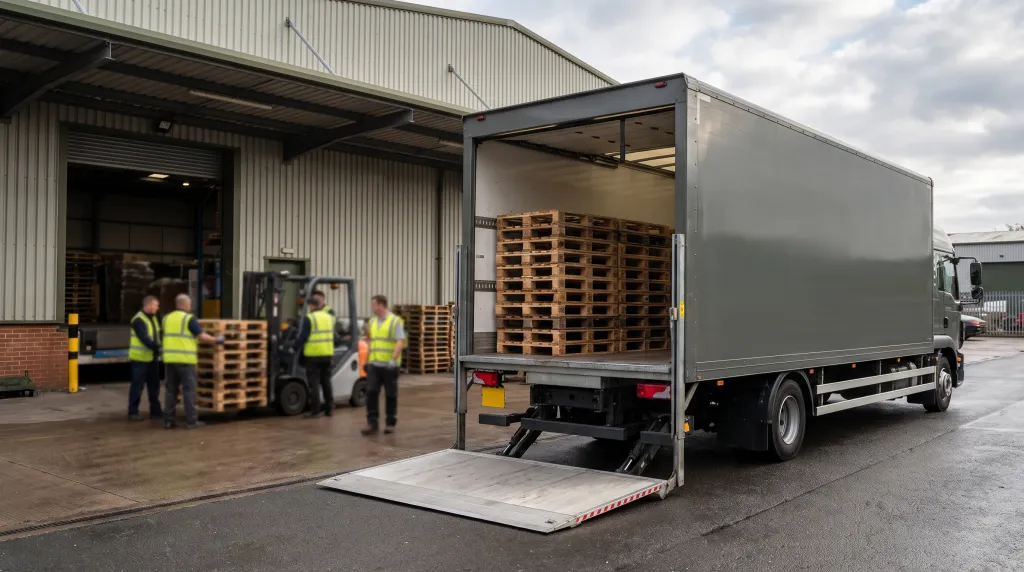
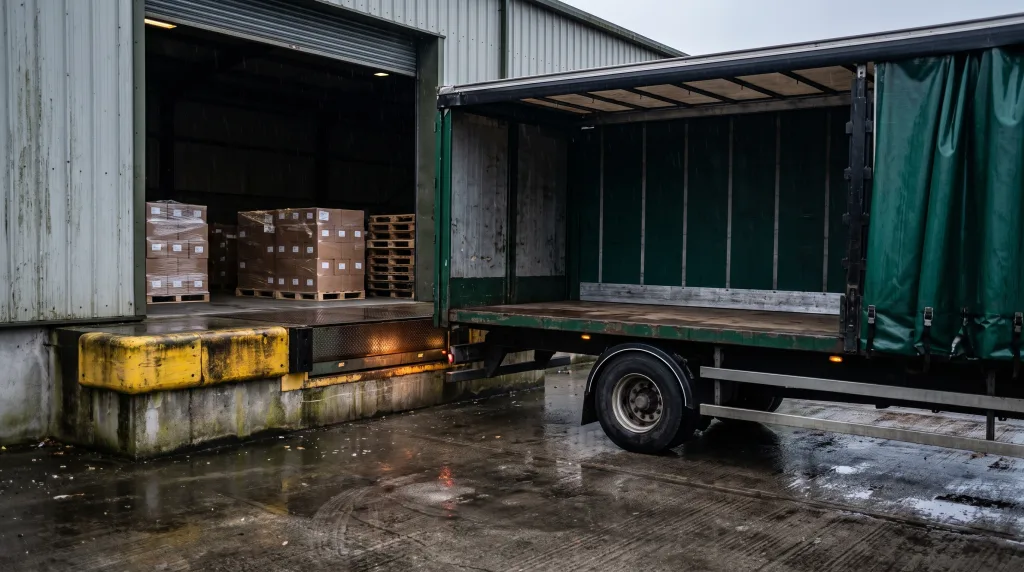
The trailer refrigeration unit is designed to maintain cargo temperature, not to cool warm goods down. You must load the cargo already chilled to its target baseline. The empty trailer body requires pre-cooling for at least 2 hours before backing into the loading bay. When positioning 33 euro pallets with a total weight up to 22,000 kg, you must maintain at least 0.2 metres of clearance between the top of the pallets and the ceiling. Obstructing this gap stops air circulation and generates heat pockets near the rear doors.
In cross-border haulage involving UK customs procedures, transit times can stretch due to border controls. Key operational rules include:
- Vehicle holds at Border Control Posts (BCP) or inland clearance sites can last from 4 to 12 hours. The reefer fuel tank must be filled to at least 75% capacity to prevent engine failure while stationary.
- The data logger must record readings every 15 minutes. The printed log from the reefer unit serves as primary evidence during insurer risk assessments.
This strict pre-cooling rule does not apply when transporting ambient goods under passive thermal protection. In those scenarios, the insulated box acts purely as insulation against frost without running the cooling motor, provided total transit time remains under 8 hours.
Step by step
- Requirement definition. You specify the precise temperature range and cargo characteristics before booking the transport.
- Cargo precooling. You bring the products to the required initial temperature prior to loading onto the vehicle.
- Reefer loading. You verify the trailer condition and cooling unit operation before placing pallets inside.
- In-transit monitoring. You track temperature readings using dataloggers throughout the entire journey.
- Delivery handover. You confirm cold chain continuity upon unloading using temperature printouts.
Definitions
- Temperature-controlled transport: Carriage of goods under regulated conditions using cooling units to maintain a set temperature.
- Refrigerated trailer (reefer): An insulated vehicle equipped with a cooling system to protect sensitive freight.
- Cold chain: The unbroken series of temperature-controlled storage and distribution stages from origin to destination.
- Temperature regime: The specified temperature range required for a specific type of cargo to preserve its quality.
The OTSL role
At OTSL, we arrange temperature-controlled transport across international routes, ensuring strict temperature stability and customs clearance. If your cargo requires fast transit alongside temperature control, we also coordinate options like express vans and time-critical transport.