 AI image
At a trade fair the most expensive thing is not the transport, it is the mistake. If goods arrive late or get stuck at customs, the build crew stands idle, the stand is not ready for opening, and every hour is a real cost: people, rented space, lost meetings with clients. Here is where the exhibitor budget disappears and how to plan the delivery so it does not.
Where the money usually disappears
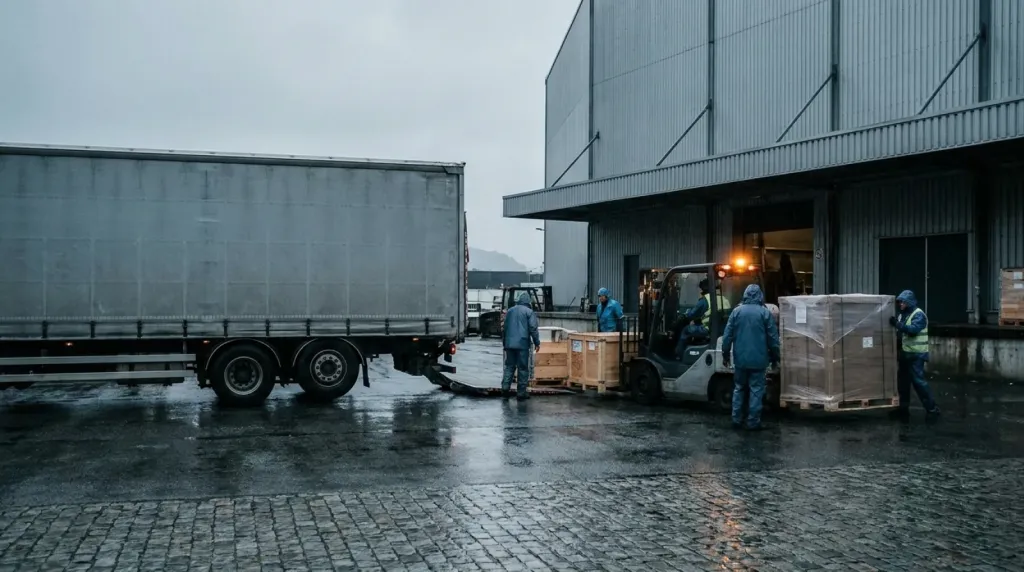
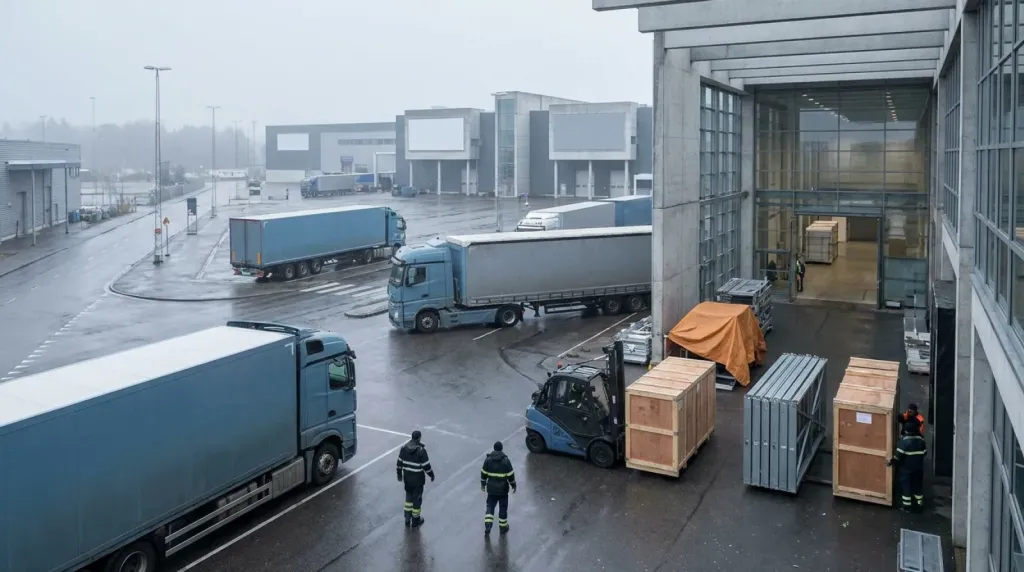
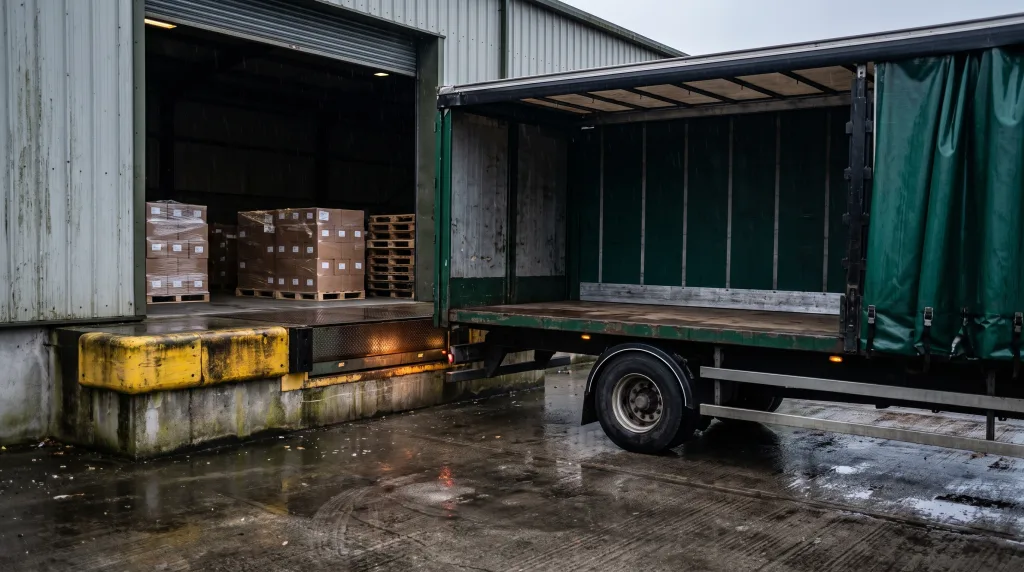
- Transport planned with no time buffer for venue slots. The truck arrives on time but outside the unloading window and waits for the next free slot, sometimes until the next day.
- No ATA carnet where one was needed, for example for fairs in the United Kingdom or Switzerland, and goods held at the border in the middle of build-up.
- Booking-in done too late or against the venue rules. Every venue has its own technical regulations: check them early, or we confirm the details when you place the order.
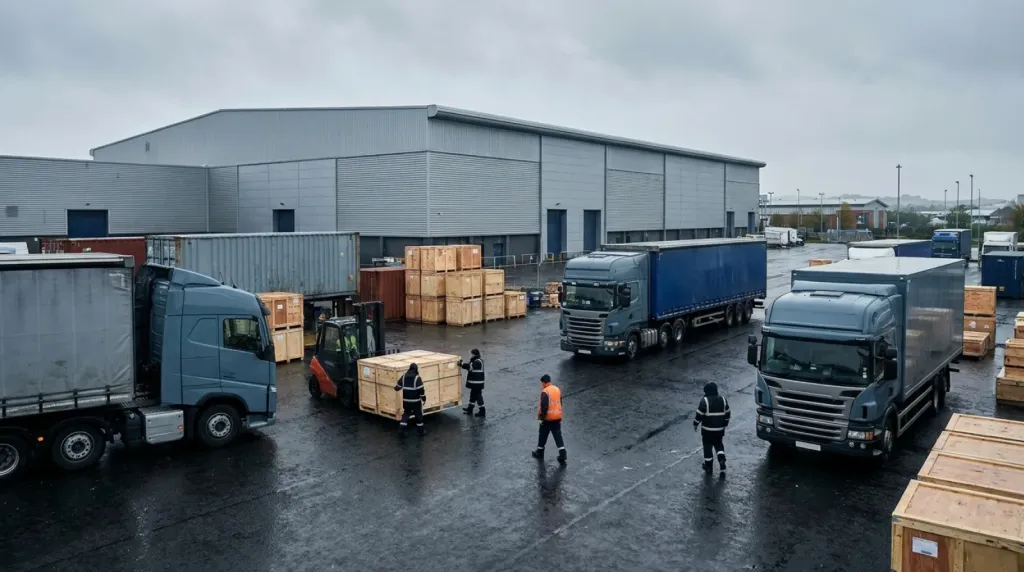
- No plan B for the return. After the show closes, exhibits must leave the hall within a set window, and breakdown days concentrate the traffic of hundreds of exhibitors at once.
- Exhibits without insurance. Carrier liability under the CMR Convention is limited to 8.33 SDR per kilogram (Article 23(3)), which for a light, expensive exhibit covers only part of the value.
What the exhibitor really loses
The bill rarely ends with the freight. The exhibitor pays up front for exhibition space and stand construction, books hotels and travel for the team, and schedules sales meetings for specific days. If the stand is not ready for opening, those costs are gone even if the goods arrive a few hours later. Add standing time for the truck, surcharges for unloading outside the slot, and a build crew that waits instead of building.
Step by step: how we plan a fair delivery
- We collect the data: venue, hall and stand number, build-up and breakdown dates, list of goods with weights, dimensions and values.
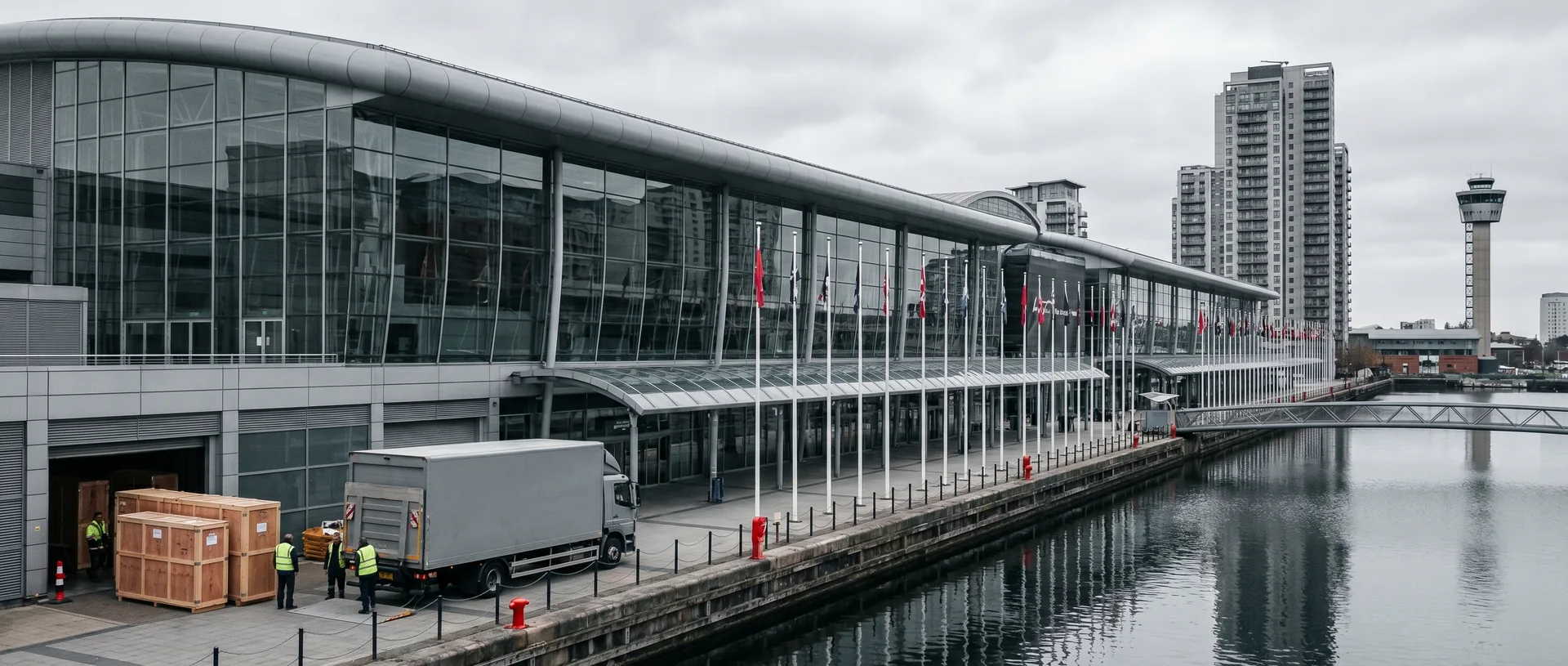
- We check the venue requirements: unloading slots, vehicle booking-in, access and ramp restrictions. Rules differ between venues, so we assume nothing: the venue technical regulations apply, and we confirm the details when the order is placed.
- We prepare the documents. For fairs outside the EU, for example in the United Kingdom, Switzerland or Norway, we arrange an ATA carnet or temporary admission well in advance, not in the week of departure.
- We plan the transport with a buffer: arrival the day before the slot, or the goods wait in a buffer warehouse and roll up exactly for their unloading window.
- Unloading according to the booking and confirmation of delivery to the person responsible for the stand.
- Post-show logistics: collection after breakdown in the assigned window, return transport or the next event, and discharge of the ATA carnet so no customs debt arises.
Exhibitor checklist
- Build-up and breakdown dates confirmed with the organiser.
- Slots and booking-in: check in the venue regulations how far in advance they must be reserved.
- List of exhibits with values: the basis for the ATA carnet and the insurance.
- ATA carnet issued and checked before departure if the fair is outside the EU.
- Insurance for the exhibits in transit and during the event.
- Return transport ordered together with the delivery, not after the show closes.
- An emergency contact to the forwarder during build-up and breakdown.
The OTSL role
We run exhibition logistics across Poland and Europe: we plan deliveries around venue slots, prepare ATA carnets and customs documents, keep a warehouse buffer when your date differs from the slot, and handle post-show logistics. We also advise on insuring exhibits. A worked example of slot planning is on our page about deliveries to Targi Kielce. We treat the goods of shippers as our own.
Where does the exhibitor budget disappear during fair logistics?
Exhibitor budgets disappear when transport is planned without time buffers for venue slots, causing trucks to miss unloading windows and build crews to stand idle. Additional costs arise from missing customs documents like ATA carnets during cross-border transit or failing to complete booking-in according to venue rules.
Definitions
- ATA Carnet (Admission Temporaire/Temporary Admission): An international customs document allowing the temporary import of goods for trade fairs without paying duties or taxes.
- Venue slot: A specific time window allocated by the trade fair organiser for a vehicle to enter the site and unload.
- Booking-in: The process of notifying the exhibition venue about an arriving delivery to secure an unloading window.
- Technical regulations: A set of venue-specific rules governing access times, delivery protocols, and stand build-up requirements.
- Unloading window: The designated time period granted to a carrier to position the vehicle and offload goods at the stand.
When does this rule not apply?
This rule does not apply to shipments moved entirely within the European Union, unless the exhibition venue itself mandates slot booking for unloading. Customs clearance requirements and ATA carnets do not apply when crossing borders inside the EU single market.
Sources
- UNECE: the CMR Convention on road carriage
- CMR Convention, Article 23(3): carrier liability limit of 8.33 SDR per kilogram.
- Istanbul Convention on temporary admission (WCO, 1990) and the ICC: ATA carnet system, more than 80 countries and territories, validity up to 12 months (iccwbo.org).
- gov.uk: rules for using ATA carnets for goods brought temporarily into the United Kingdom.