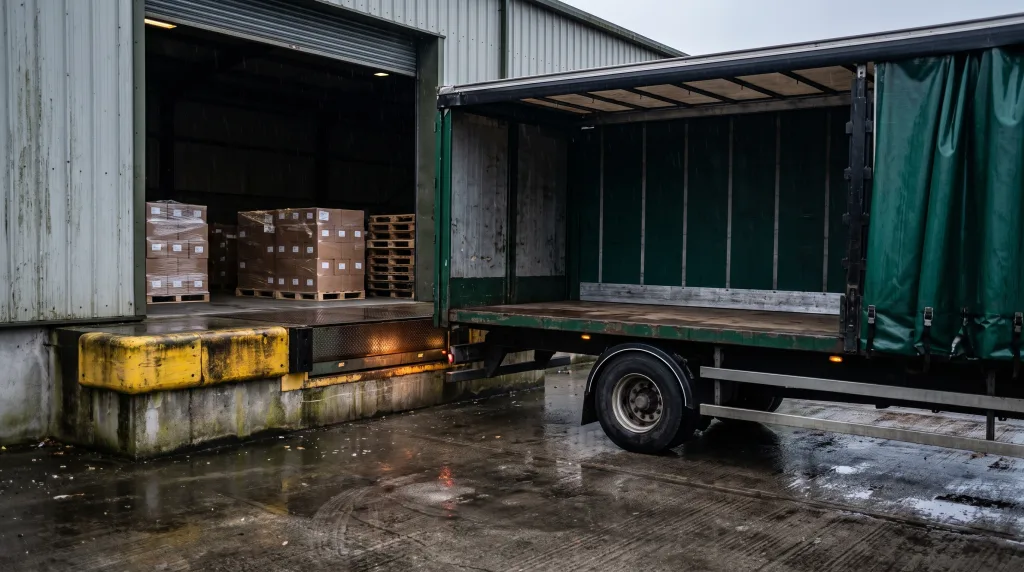
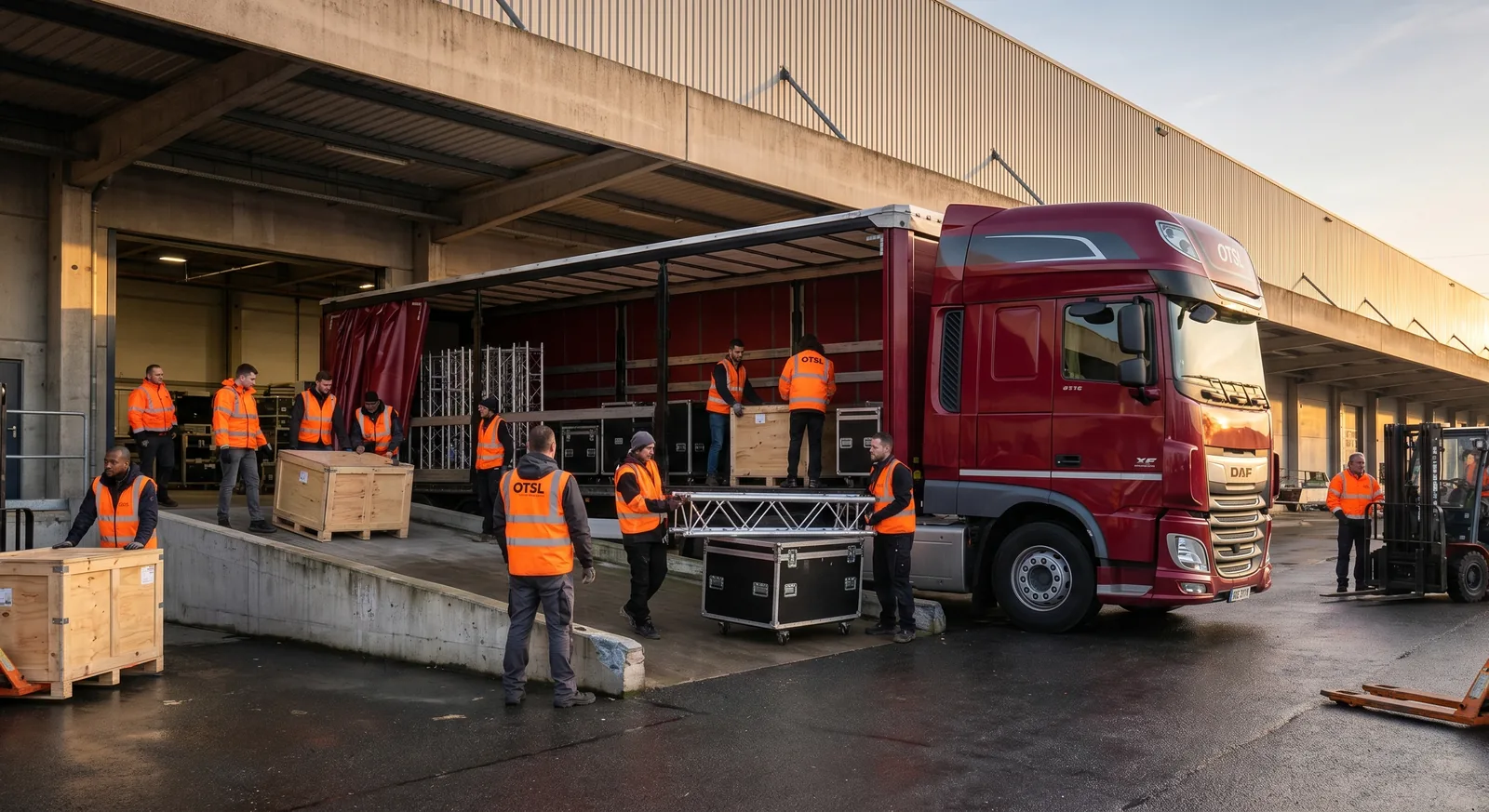
 AI image
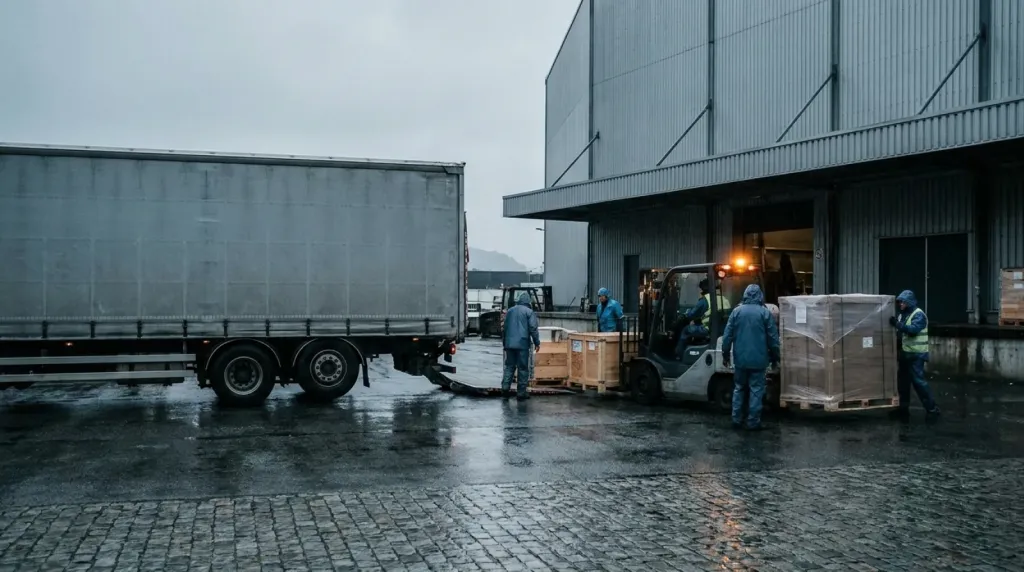
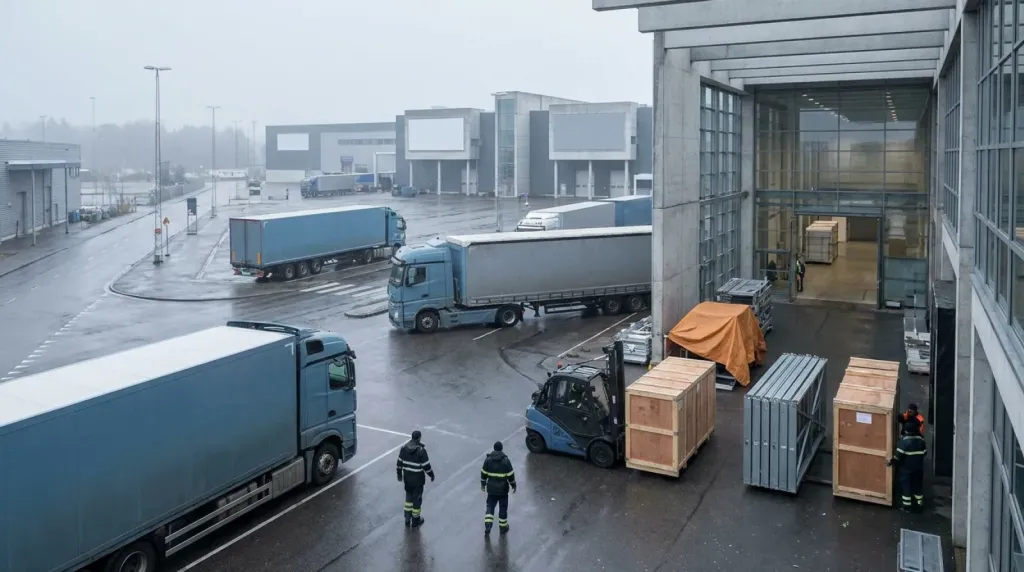
Post-show logistics is the collection of the stand and goods after the fair and their return to the sender or a warehouse. It is best planned before leaving for the fair, because once the hall closes everyone dismantles at the same time and collection windows can be tight. At OTSL we treat the return as part of one process.
Why the return can be harder than the delivery
- All exhibitors dismantle at once, so slots are harder to get.
- Goods after a fair are often packed differently than on delivery.
- With an ATA carnet the goods must return to close the procedure.
The ATA carnet and the return
If the goods travelled on an ATA carnet outside the EU, their return is the condition for closing the procedure duty-free. That is why we plan the return together with the departure, not only after the fair. We watch the deadlines and documents so a formality does not turn into a cost.
How do we work?
The same responsible contact who handled the delivery runs the return, so nothing is lost in handover. If needed we take the goods into a warehouse as a buffer. We treat the client goods as our own, on the way back too.
See exhibition logistics, ATA carnets and stand logistics from A to Z.
Which operational requirements determine a smooth cargo collection from the exhibition hall?
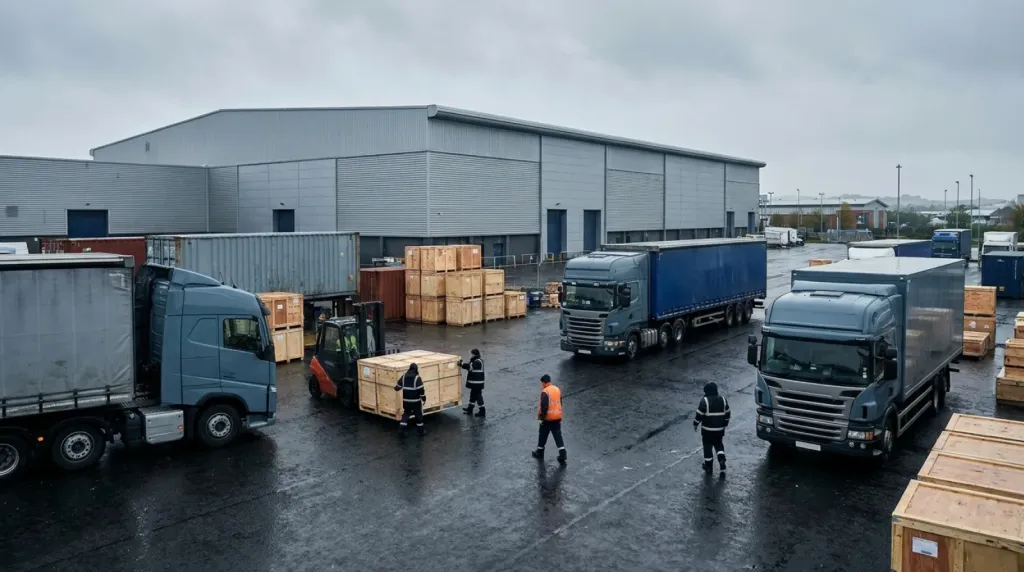
Planning the return transport requires you to precisely synchronize the dismantling process with the vehicle arrival time at the venue. Exhibition hall managers assign strict loading slots – the standard time window for an articulated lorry to enter is usually exactly 3 hours from the official end of the event. If your 12-metre transport combination arrives late by even 20 minutes, you automatically lose your reserved position in the entry queue. Consequently, your driver may wait at marshalled holding areas for up to 14 hours until the venue management allocates a new slot, incurring demurrage costs for you. Furthermore, lifting any single transport crate weighing over 250 kg requires pre-booked heavy handling equipment. Without a paid forklift service, the goods remain on the hall floor, and once the grace period expires, hall authorities impose penalty fees for occupying floor space.
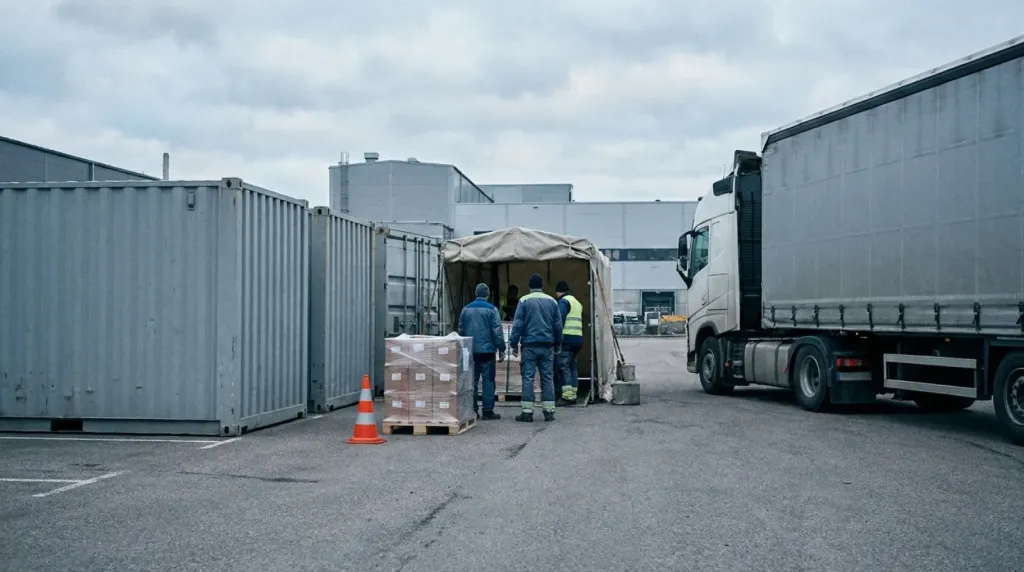
Equally critical is the physical preparation of cargo for the return journey, especially when returning goods to Great Britain under customs supervision. A standard pallet measuring 120x80 cm must be wrapped with stretch film of at least 23 microns and secured with 2 polypropylene straps. Operational data shows that over 80% of damage during return transit results from inadequate cargo securing, causing internal movement during emergency braking. Before handing over the consignment to the driver, you should complete these essential steps:
- Label each of the 4 master pallets with a shipping label containing the consignment note number, HMRC commodity codes, and destination address.
- Weigh every package to verify that the gross weight does not deviate by more than 3 kg from the weight declared on the export packing list.
- Inspect and record the security seals on electronic equipment crates within 1 hour after packing is completed.
These specific slot allocation rules and customs packaging requirements do not apply when you transport promotional materials weighing under 100 kg strictly within the European Union using a passenger car or a light commercial vehicle under 3.5 tonnes. In such cases, you do not need to register time slots in the hall logistics portal or undergo border customs clearance, and collection takes place in public parking areas outside the technical loading zones.
Step by step
- Booking the collection slot. You arrange the precise vehicle access window with the carrier before the dismantling phase starts.
- Packing and labelling goods. You secure the stand elements and merchandise on pallets while making a list of returning inventory.
- Verifying documentation. You verify the package count against the customs declaration and check cargo condition after the hall closes.
- Closing the customs procedure. You present the ATA carnet to customs officers to discharge the temporary admission status.
- Return transport execution. You transport the exhibition property from the hall back to your premises or a warehouse.
Definitions
- Post-show logistics: The collection of exhibition stands and goods from the venue and their return transport to the original sender.
- ATA carnet (Admission Temporaire/Temporary Admission): An international customs document enabling the temporary admission of goods without paying customs duties or taxes.
- Temporary admission: A customs procedure allowing goods to enter a territory under the condition of their re-exportation in an unaltered state.
- Collection slot: A scheduled time window allocated for a heavy goods vehicle to enter the exhibition grounds for loading.
When does this rule not apply?
This requirement does not apply if the exhibition goods are sold to local buyers within the host country or are completely consumed during the event.
The OTSL role
When you prepare for return transport, OTSL manages time slots and organises efficient road transport for your cargo. Read more in our guide exhibition stand logistics to streamline your return planning.