 AI image
On project deliveries, customs is not a formality at the end, it is the point where time and money are easiest to lose. If a GB import document or the GMR is missing, the goods stop at the border, and the crew that has already arrived on site waits idle. The client pays for it, though the mistake was usually made weeks earlier.
What such a day looks like
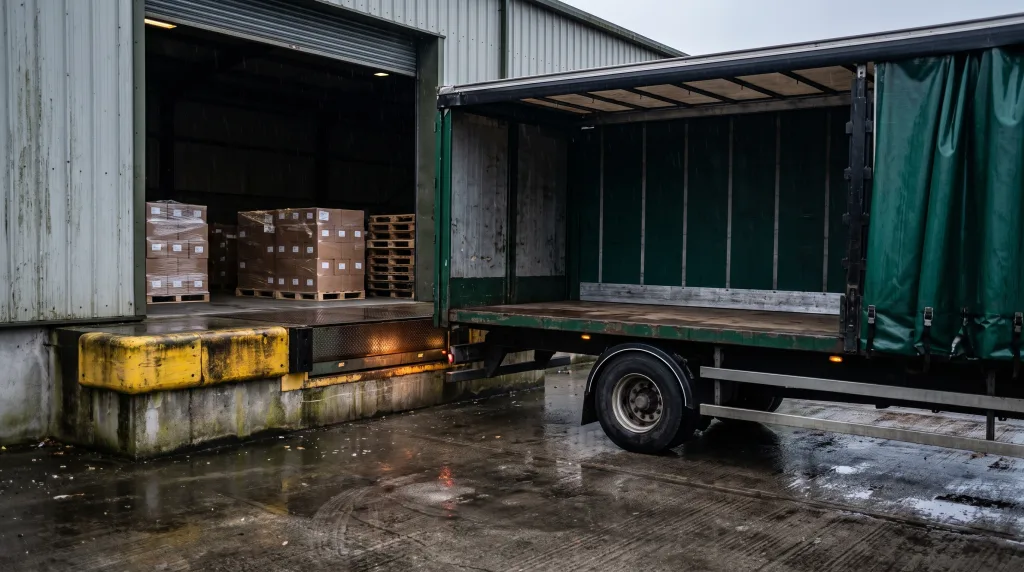
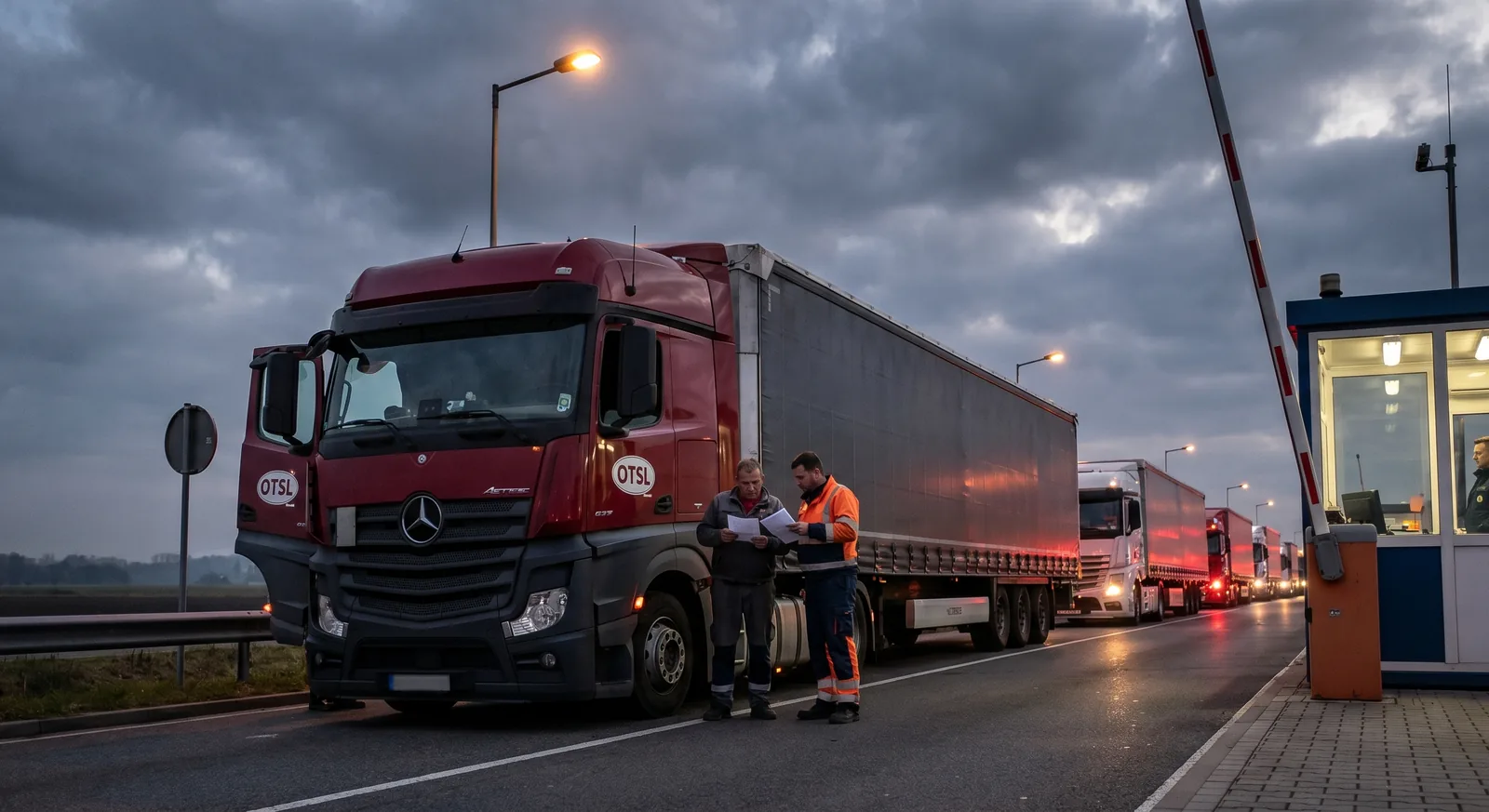
The scenario is always similar: transport with a stand build or a machine for installation, a deadline with no margin, a crew with tickets and hotels booked. At the border it turns out the import declaration is not ready or the GMR fails validation. The truck stands, the build slot is gone, and every hour of slippage shifts the whole puzzle: lifts, people, the handover of the stand to the organiser.
Where does the process break most often?
- GB import documents delivered too late or incomplete.
- The GMR not prepared before the truck reaches the port.
- A mismatch between the invoice, the specification and the CMR (the Convention on the contract for international carriage of goods by road).
- A missing GB EORI (Economic Operators Registration and Identification) number of the importer.
- No written agreement on who supplies what and by when.
What does downtime really cost?
The bill does not end with the truck standing still. Add the hours of a crew waiting instead of working, hotels and rebooked tickets, contractual penalties for a missed build deadline, and at fairs the risk that the stand is not ready for the opening. We take that mechanism apart in the text on what bad fair logistics really costs.
How do we prevent it?
- At the start of the order we set the document list and who supplies what, with dates.
- We have our own customs agencies in Poland and the UK, so export, import and the GMR are run by one team.
- The GMR is created before the truck reaches the port, not on a car park outside the terminal.
- Before departure we check that the invoice, the specification and the CMR match.
- On tight deadlines we plan a time margin and a fallback option.
The whole procedure is laid out step by step in the guide on UK customs clearance after Brexit. See also customs clearance and exhibition logistics.
Facing a project delivery with a crew and a fixed date? Describe it in the contact form and we will map the documents and the schedule before anything sets off.
How do we prevent truck delays caused by weight and customs entry discrepancies?
The actual weight of the cargo must match the commercial invoice and packing list within a tolerance of 5%. If you declare a net weight of 5000 kg and the port weighbridge detects a discrepancy exceeding 250 kg, the vehicle will be pulled over for a physical inspection by Border Force. This results in a downtime ranging from 6 to even 24 hours. Similarly, any mismatch in cargo footprint exceeding 2 loading meters without prior amendment to the export declaration will invalidate the generated GMR in GVMS.
Customs data for export and import entries must be finalized at least 4 hours before the HGV arrives at the port terminal in Calais or Dunkirk. If you ship more than 12 pallets, each line item requires precise HS code mapping before submitting the declaration. Delaying document submission by just 30 minutes pushes ferry boarding to the next sailing slot, which destabilises your delivery window at the destination site.
- Verification of gross and net weight at loading.
- Cross-checking package counts against the CMR consignment note.
- Pre-lodging customs data into GVMS 4 hours prior to port arrival.
This strict weight verification protocol does not apply to groupage consignments under 300 kg processed under a consolidated customs declaration at an inland clearance depot.
Definitions
- GMR (Goods Movement Reference): A border clearance reference number generated in the UK GVMS system to allow embarkation on a ferry or train.
- GB (Great Britain) import declaration: Official customs entry required when bringing goods into Great Britain.
- GVMS (Goods Vehicle Movement Service): The UK IT platform linking customs declarations directly to vehicle registrations.
- Project deliveries: Time-sensitive transport operations with strict deadlines, such as exhibition stand construction or machine installation.
The OTSL role
When planning time-critical project shipments, OTSL verifies all customs documentation and border references well before the driver departs. We arrange reliable road transport (FTL) and ensure smooth border processing, as explained in our guide to customs clearance to the UK.