 AI image
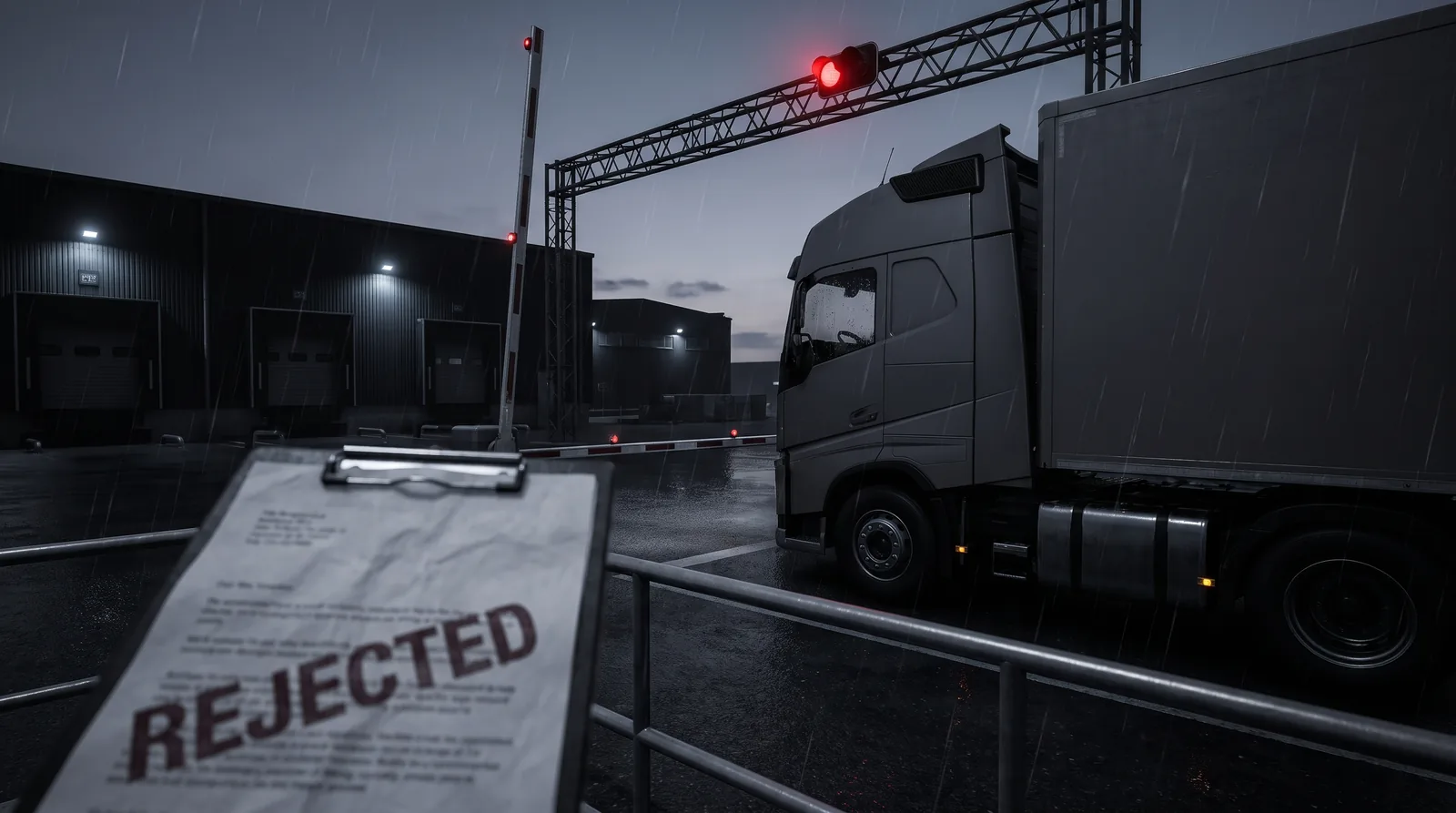
A customs declaration will not clear if the data has no valid EORI number or a VAT number that does not match the register. The system rejects the message, the truck waits at the border or outside the warehouse, and the idle time counts from hour zero. The point: these details must be verified before goods move.
Why does it block customs?
EORI is the identification number for a business in EU customs operations. (source: taxation-customs.ec.europa.eu) Without it, an exporter or importer does not exist for the customs system, so no declaration can be filed. It is the same with the VAT number: if it is inactive, mistyped, or does not match the company name in the register, the customs agent gets a rejection. This is not about an official's goodwill. It is an automated validation that either passes or does not.
Companies exporting to the United Kingdom for the first time often assume a Polish EORI works on both sides. It does not. Import into the UK usually requires a separate British EORI number (starting with GB), and in some setups a UK VAT registration as well. (source: gov.uk) We confirm this case by case, because it depends on who the importer is and how the clearance is settled.
Who pays for the delay
Here is the part other freight forwarders stay quiet about. When a truck sits because data is missing, the delay (driver waiting time, knock-on delays to the next loads, sometimes terminal fees) grows regardless of whose error it was. The carrier will still charge for the waiting time. With containers you add demurrage and detention, the per-day charges for holding the container and equipment. An hour of arguing about fault does not rewind the meter.
What to prepare before the first declaration
Before goods move we need a full set: an active exporter EORI (and the importer's British EORI for imports to the UK), a correct and active VAT number, the exact company name and address matching the register, a commercial invoice with value and currency, a goods description with tariff codes (HS/CN), weight and number of packages, and the Incoterms. Gaps in the tariff code or the value are the second most common reason for rejections after EORI and VAT.
How does OTSL make the declaration clear the first time?
We do not guess. Before we file, we verify EORI and VAT against the registers, check that the name and address match, align tariff codes with the actual goods, and gather the documents on a single checklist. We run customs clearance on both the Polish and British sides, we have our own customs clearance, and for a first export we walk the client step by step through export to the UK. One coordinator makes sure the data is complete before the truck leaves, not once it is already stuck.
Step by step
- EORI verification. Check if your registration number is active in the customs database.
- VAT validation. Confirm that your company tax details match the official VIES system.
- GB EORI registration. Obtain a British customs number if you are trading with Great Britain.
- Data submission. Share all verified codes with your customs agent before loading cargo.
- Status confirmation. Monitor declaration clearance before dispatching the driver to the border.
Definitions
- EORI (Economic Operators Registration and Identification): A unique identification number assigned to business entities for customs operations within the European Union.
- GB EORI: A specific customs registration number required for clearance processes in Great Britain.
- VAT (Value Added Tax): A consumption tax used by customs authorities to validate business registry status.
- VIES (VAT Information Exchange System): An online search engine used to confirm the validity of VAT numbers across the European Union.
- Customs declaration: An official statement submitting details of goods intended for import or export procedures.
The OTSL role
We verify your identification data before goods leave the warehouse to prevent delays at customs. When arranging Road transport (FTL), our team ensures complete data accuracy as explained in our guide Customs clearance to the UK step by step.