 AI image
A fake carrier is a fraudster who steals the identity of a genuine haulage company, bids on your load on a freight exchange, sends a vehicle to the loading point, and disappears with the goods. The real company knows nothing about it. The freight is gone, and the insurer often refuses to pay, because the job went to an impersonator, not the carrier on the paperwork.
How the fraud works, step by step
The pattern repeats. The fraudster opens a freight-exchange account, or hijacks someone else's, poses as a company with a long history and strong ratings, then wins attractive loads. They receive the loading details, send a random driver or their own vehicle on cloned plates, collect the goods, and cut contact. The targets are goods that are easy to resell: electronics, coffee, cosmetics, spirits, tyres. By the time anyone notices the delivery never arrived, the vehicle has already been unloaded in another country.
Red flags you need to know
A few signals show up almost every time. On paper the company has years of history, but the phone number, email address, or exchange account is brand new, set up days ago. Contact runs only through a messenger app or a private mobile, never through the company's official switchboard. Mid-negotiation the registered address, bank account, or driver details suddenly change. The rate is clearly below market, because the fraudster never intends to pay anyone. Documents arrive as poor-quality scans, often with small mismatches between the name on the invoice and the name on the insurance policy.
Why insurance does not save you here
This is the most painful part. A carrier's liability policy covers the carrier's own fault, not the fact that goods were handed to a fraudster impersonating them. The real company will say it never accepted the job, and it will be right. So the policy alone is not enough. What matters is who physically receives your load. Carrier vetting and real cargo insurance only work together, never in isolation.
How does OTSL prevent this?
We do not send the first available vehicle from an exchange. We check every subcontractor before loading: we confirm details in official registers, we call the company on its official number, not the one in the listing, and we verify that the carrier's name matches its licence and policy. We compare the driver and vehicle against what was declared, and we treat any change of address, bank account, or vehicle mid-job as a reason to hold the loading. We work mainly with vetted carriers we know from shared routes. We take single-point responsibility for the whole shipment, so there is no argument over who was at fault: we guard it instead of you. See our freight forwarding services and how we build a secure supply chain.
Step by step
- Identity takeover. The fraudster creates or hijacks a freight exchange profile belonging to an established carrier.
- Bidding on cargo. The scammer bids on attractive cargo listings and secures the order.
- Receiving load details. The shipper shares the exact loading address, contact details, and cargo parameters.
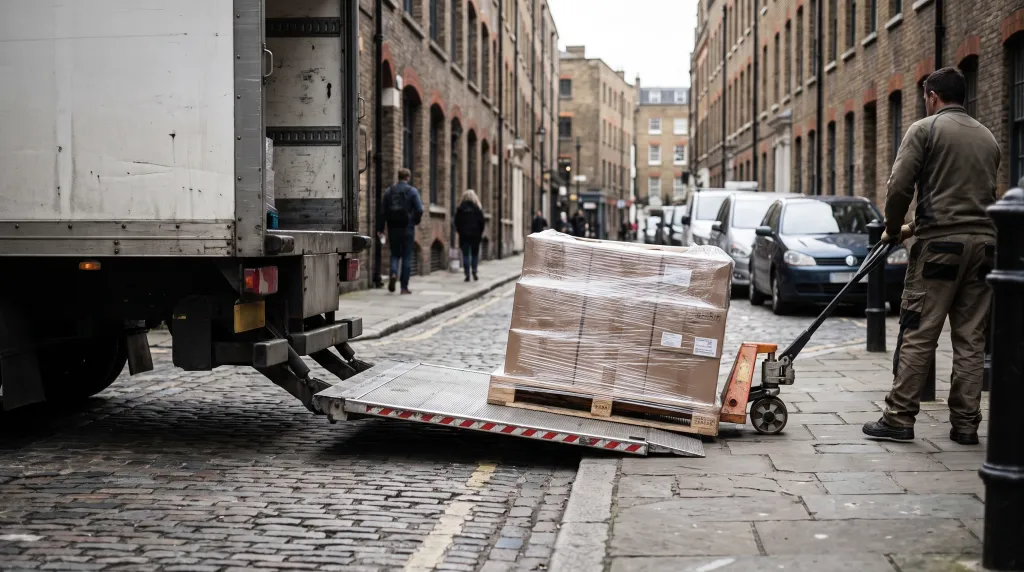
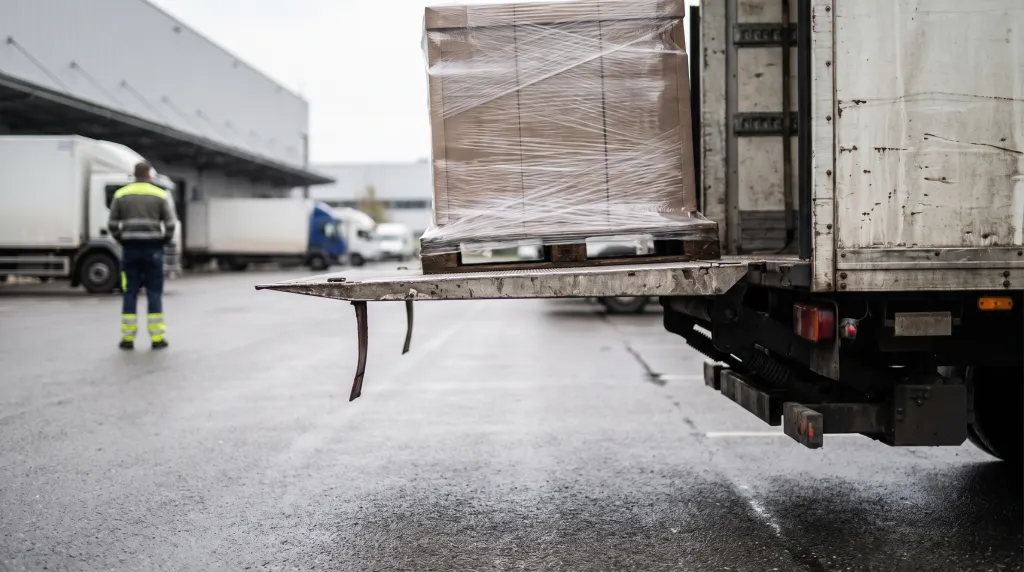
- Dispatching the vehicle. A truck with cloned plates or an unauthorized driver arrives at the ramp and collects the goods.
- Disappearance. The contact is cut, and the stolen load is unloaded in another country before the fraud is discovered.
Definitions
- Fake carrier: A fraudster who impersonates a legitimate haulage company to steal freight during transport.
- Freight exchange: An online platform where shippers and transport companies trade and bid on cargo orders.
- Identity theft: The unauthorized takeover or falsification of a haulage company details, licenses, or insurance papers.
- Cloned license plates: The practice of copying registration numbers from another vehicle to deceive loading facility staff.
When does this rule not apply?
This warning does not apply when transport is dispatched using direct carrier contracts with verified physical assets and confirmed driver identity before loading.
The OTSL role
At OTSL, we thoroughly audit every carrier before issuing load instructions. Whether managing road transport or cross-border logistics, we verify credentials to prevent identity theft. Read more about risk management in our guide The carrier did not show up. What to do step by step.