 AI image
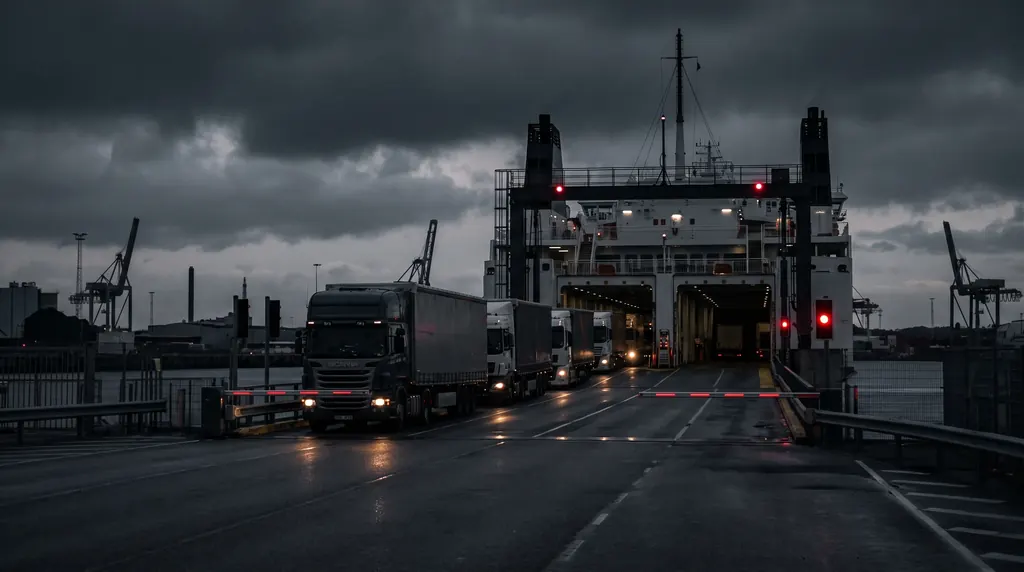
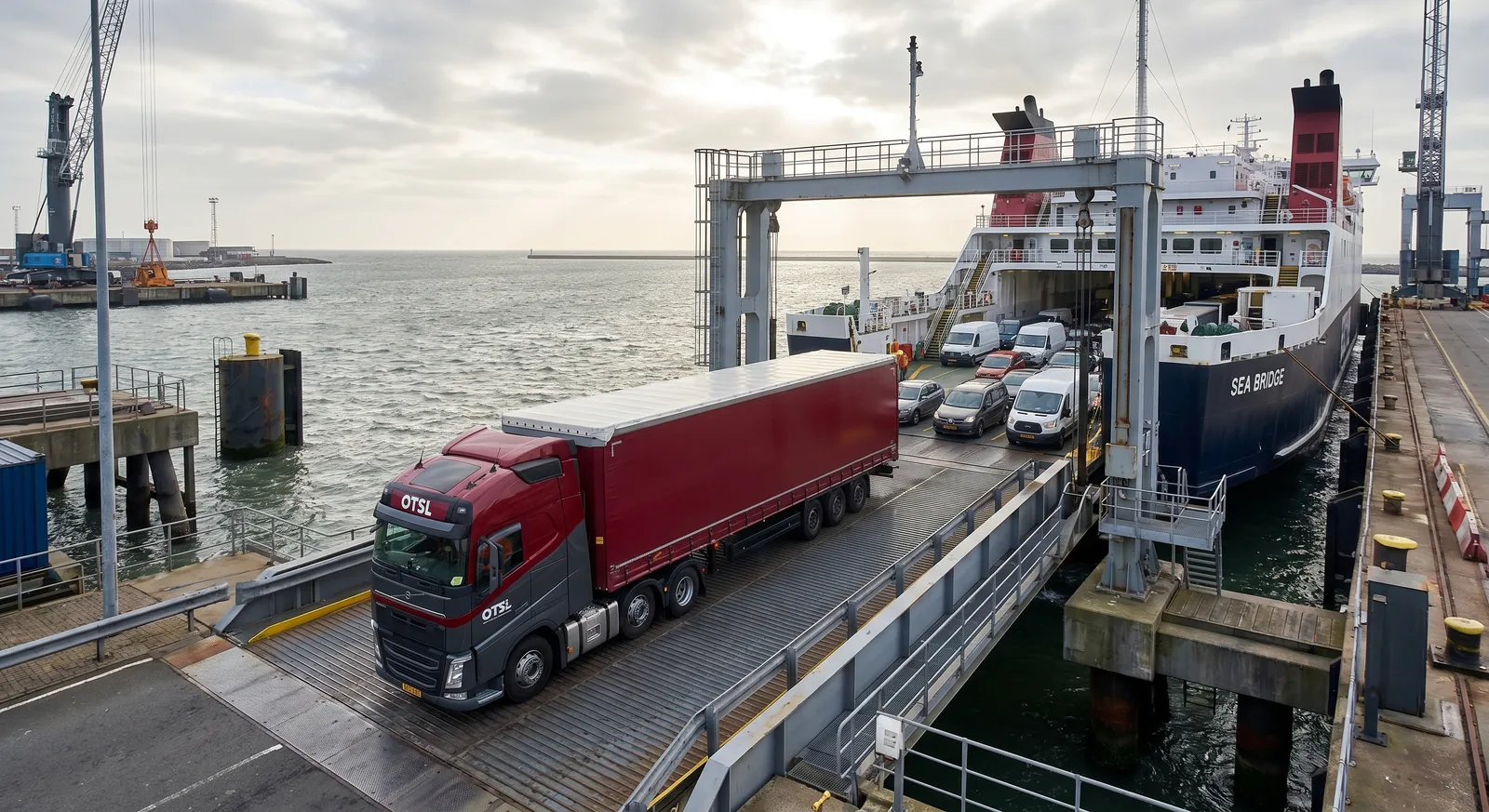
A ferry booking reserves space for a vehicle on a specific crossing, for example Dunkirk-Dover. On the lane to the UK a booking alone is not enough: it must be synchronised with customs and the GMR, otherwise the driver cannot board or gets stuck at the border. At OTSL we reserve crossings as part of the whole transport.
Why is the crossing a bottleneck?
- Space at popular times can be limited, especially in peak season.
- Missing a booked crossing means waiting for the next one.
- Customs that is not ready can void even a paid booking.
How do we tie the booking to customs?
For us the crossing, customs and transport are one process, not three separate orders. First we settle the GB import documents and prepare the GMR, then we pick a crossing that gets the driver there with margin. We have our own customs agencies in Poland and the UK, so we do not send the client to three different companies and we make sure the parts fit together.
What does it give the client?
Less risk that goods get stuck just before the border, and one contact who knows the status at every stage. When the deadline is tight, we plan with a buffer and say plainly what needs to be ready earlier. We treat the client goods as our own.
See ferry booking, customs clearance and transport to the United Kingdom.
What time and weight tolerances must you consider before boarding the ferry?
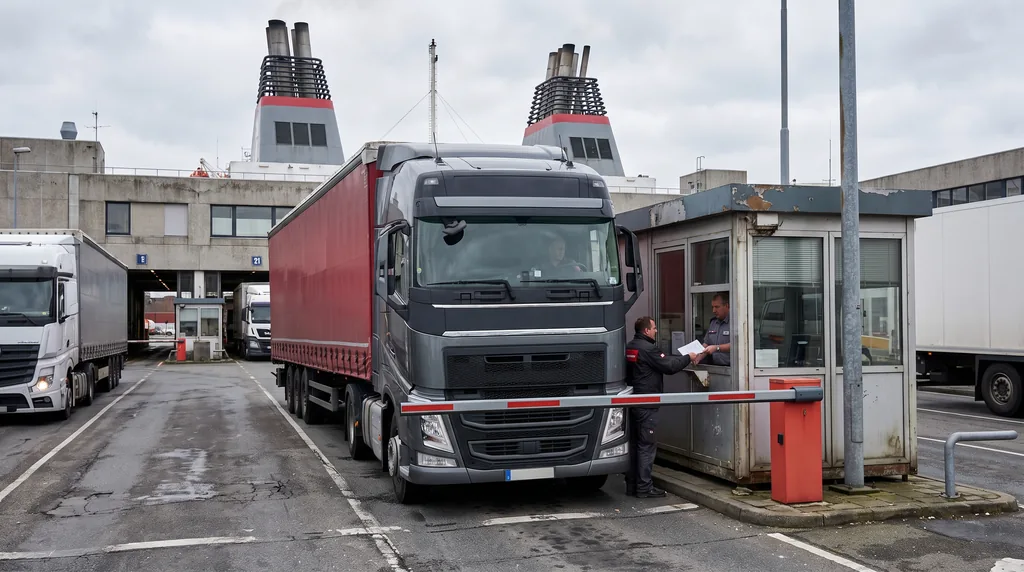
Planning a route across the English Channel requires aligning the driver's working hours with strict ferry operator requirements. A standard freight ticket requires checking in at the port gate at least 120 minutes before the scheduled departure time. If an articulated vehicle measuring 16.5 metres in length and weighing up to 40 tonnes misses this cut-off by even 10 minutes, it automatically loses its reserved space and is moved to the standby list, which during peak times can extend port waiting time by up to 8 hours.
Another critical aspect is managing driver tachograph hours under EU/UK driving rules. Interrupting daily rest to embark and disembark the vessel is allowed a maximum of 2 times, provided the total duration of these interruptions does not exceed 60 minutes. Legally, this exemption applies only to ferry crossings with a duration of at least 7 hours. Exceeding this limit by even 3 minutes constitutes a tachograph infringement, resulting in severe fines during roadside checks in the UK or France.
- Customs declarations and GMR generation must be finalized at least 3 hours prior to entering the port check-in area.
- Gross vehicle weight tolerance is typically capped at 2% of the declared weight; exceeding this limit triggers port tariff recalculations and holds the vehicle at the barrier.
- Flexible freight tickets allow embarkation within a 24-hour window from the original booking time without incurring cancellation fees.
The above rules and automatic re-booking flexibility do not apply to the transport of dangerous goods (ADR), abnormal loads exceeding 2.55 metres in width, or live animal shipments. Such movements require explicit ferry operator clearance at least 48 hours prior to sailing; if the vehicle is late, the entire booking and safety validation process must be restarted from scratch.
Step by step
- Verifying documentation. You check and prepare the necessary UK import clearance documents.
- Generating the GMR. You create the GMR number in the GVMS system, linking the customs declarations for the trip.
- Booking the ferry. You select and book the crossing time slot appropriately aligned with the customs clearance schedule.
- Checking consistency. You ensure that the GMR number is correctly linked to the booking before arriving at the port.
- Boarding check. The driver presents the complete GMR number and booking reference upon entering the ferry terminal.
Definitions
- Ferry booking: Reservation of space for a transport vehicle or combination on a specific ferry crossing along a chosen route.
- GMR (Goods Movement Reference): A reference number in the UK customs system that links all customs declarations for a specific freight journey.
- GVMS (Goods Vehicle Movement Service): The UK IT system used to manage and check customs declarations at maritime borders.
- Ferry crossing: Maritime transport of a goods vehicle together with its cargo between European Union ports and the United Kingdom.
When does this rule not apply?
The requirement to present a GMR code linked to a ferry booking does not apply to transport routes carried out entirely within the European Union, or when a vehicle travels empty and depends on specific port customs status.
The OTSL role
At OTSL we organise ferry crossings integrated with customs clearance and road transport so that you do not have to monitor document consistency yourself. Discover our Ferry booking service and read our article on What a freight ferry booking includes and why the driver cannot buy a ticket at the gate to prevent delays at the port.