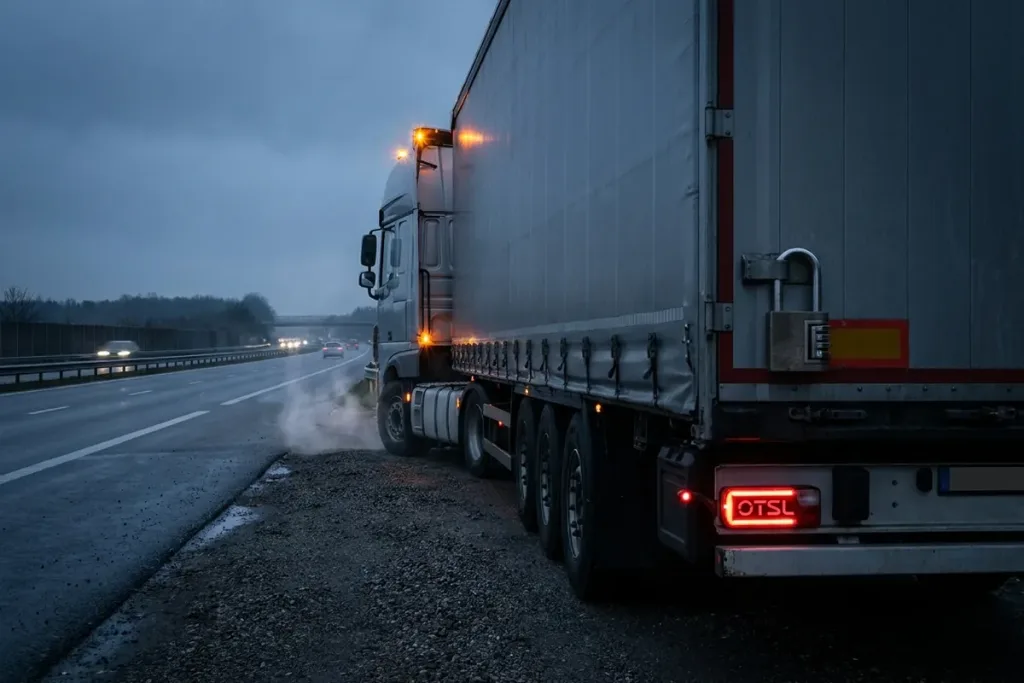
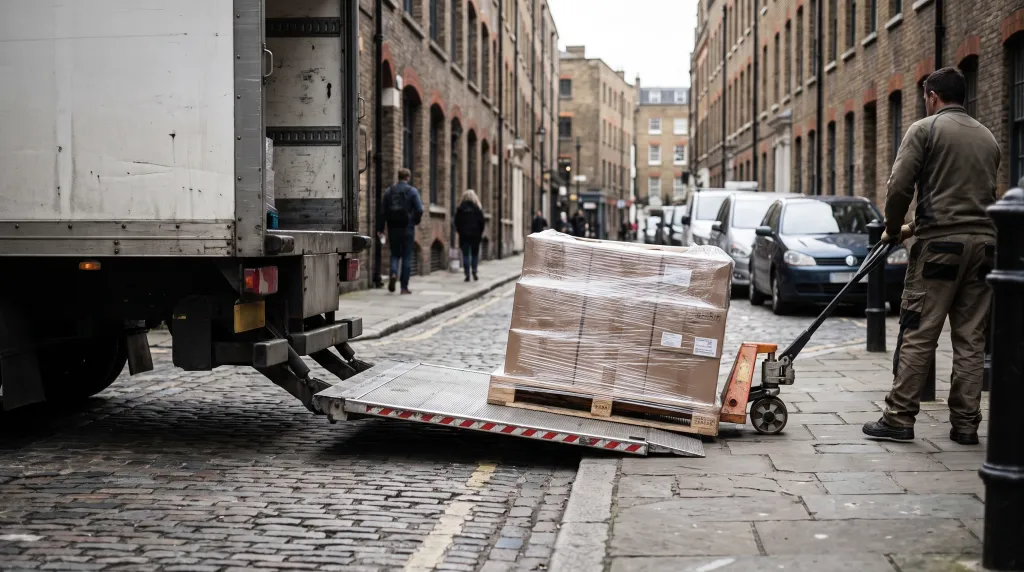
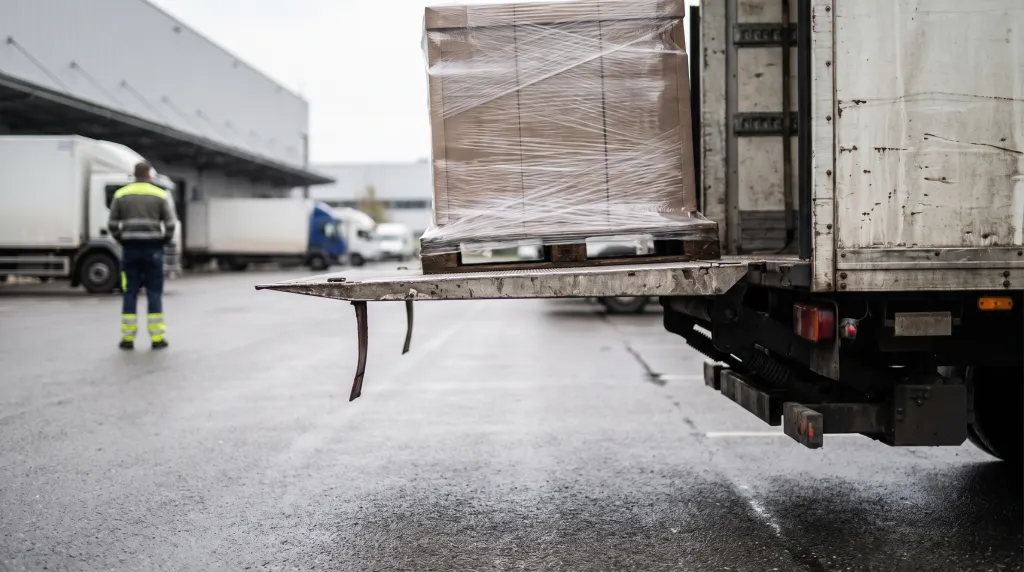
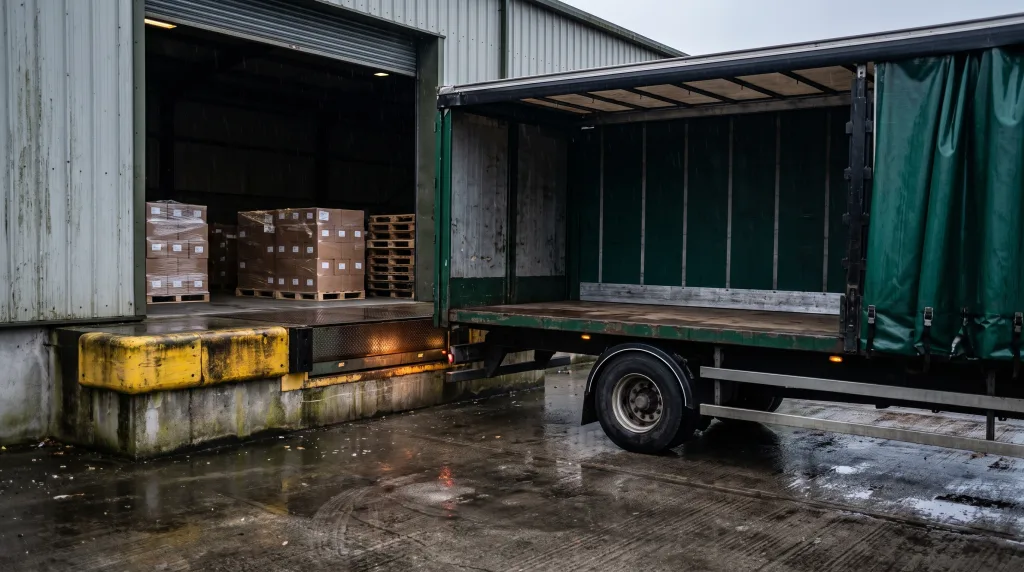
 AI image
Freight forwarding is the organisation and coordination of the whole transport process: from enquiry and quote, through route planning, documents and customs, to oversight of delivery. The forwarder takes responsibility for the details that protect the load, not just sends a truck. At OTSL we run the whole process under one control, from acceptance to delivery.
How does the process work, step by step?
- Enquiry and quote based on the goods, route and deadline.
- Planning: choice of equipment, route, customs and crossing if needed.
- Documents: invoice, customs declarations, transport document.
- Execution: collection, transport, oversight and status communication.
- Delivery and closing the order, with a report if needed.
Who is responsible for what?
In a model where transport, customs and warehousing are in one responsibility, there is no passing the blame between companies. One responsible contact knows the status at every stage and reacts when something changes. That is the difference between coordinating the whole and a patchwork of separate services.
How do we work?
We work by the principle of control, detail, speed. We have our own customs agencies and warehouse facilities, so we run the whole process ourselves. The operations team is available 24/7.
See services, customs clearance and 24/7 availability.
How do you calculate time buffers and axle weight limits for UK groupage transport?
When you plan groupage freight transport from Poland to the United Kingdom, you must calculate the precise relationship between cargo weight distribution, axle load limits, and customs clearance lead times. A standard 13.6-metre trailer accommodates up to 33 Euro-pallets measuring 120 cm by 80 cm, but actual space allocation is restricted by gross vehicle weight limits. If an individual pallet exceeds 1200 kg, standard tail-lift unloading is no longer operational, requiring a heavy-duty forklift at the point of delivery. Uneven distribution of heavy pallets across the trailer bed can exceed the drive axle weight threshold by more than 15%, which triggers mandatory offloading and prohibition notices during roadside inspections in Germany or France.
Transit timing strictly depends on synchronising customs declarations with cross-Channel ferry or Eurotunnel bookings. You must register and validate the safety and security declarations alongside the Goods Vehicle Movement Service (GVMS) to generate a valid Goods Movement Reference (GMR) at least 24 hours prior to the vehicle arriving at the Calais or Dunkirk freight terminals. A discrepancy of more than 5% between the declared gross weight and the actual scale reading or an incorrect Commodity Code halts the vehicle at port holding areas, extending total transit time by 12 to 48 hours.
- Maximum standard tail-lift pallet limit: 1200 kg payload capacity.
- Customs clearance lead time: minimum 24 hours before port arrival.
- Weight variance tolerance on declarations: less than 5% total weight deviation.
- Potential physical inspection delay: up to 48 hours at border control posts.
Note the explicit operational boundaries of this rule: this buffering strategy and axle configuration model does NOT apply to Full Truck Load (FTL) consignments moving under T1 transit procedure for internal clearance at an inland border facility, nor to temperature-controlled foodstuffs or dangerous goods governed by ADR (the Accord governing international carriage of dangerous goods by road) regulations, where holding times are dictated by official sanitary and phytosanitary (SPS) inspection regimes and strict driver tachograph hours.
Step by step
- Enquiry and quote. You provide details regarding the goods, route, and required schedule.
- Planning. We choose equipment, plan the route, and schedule any required customs or ferry crossings.
- Documentation. We prepare the transport document, invoices, and customs declarations.
- Execution. We collect the cargo, handle the carriage, and update you on the transport status.
- Delivery and closure. We deliver the consignment and close the order, providing a report if needed.
Definitions
- Freight forwarding: The organisation and coordination of the transport process from enquiry to final delivery.
- Freight forwarder: The party that organises transport on behalf of the client by selecting transport means and preparing documentation.
- CMR consignment note: A standardized document confirming the contract for international carriage of goods by road (Convention relative au contrat de transport international de marchandises par route).
- Customs clearance: Official formalities required by customs authorities when moving goods across international borders.
The OTSL role
We manage every stage of the shipment process under single control from collection to final destination. We arrange Road transport (FTL) and ensure full oversight, aligned with procedures described in Cargo inspection step by step and the report for the insurer. See also: Groupage and part loads from Poland to the UK: how it works and what drives the cost.