 AI image
Pharmaceutical transport to Switzerland combines three layers: good distribution practice (GDP) across the whole route, continuous temperature control with data logging, and full customs clearance, because Switzerland sits outside the EU. Medicines oversight rests with Swissmedic. A failure in any single layer invalidates the delivery.
Why Switzerland is a different regime than intra-EU shipping
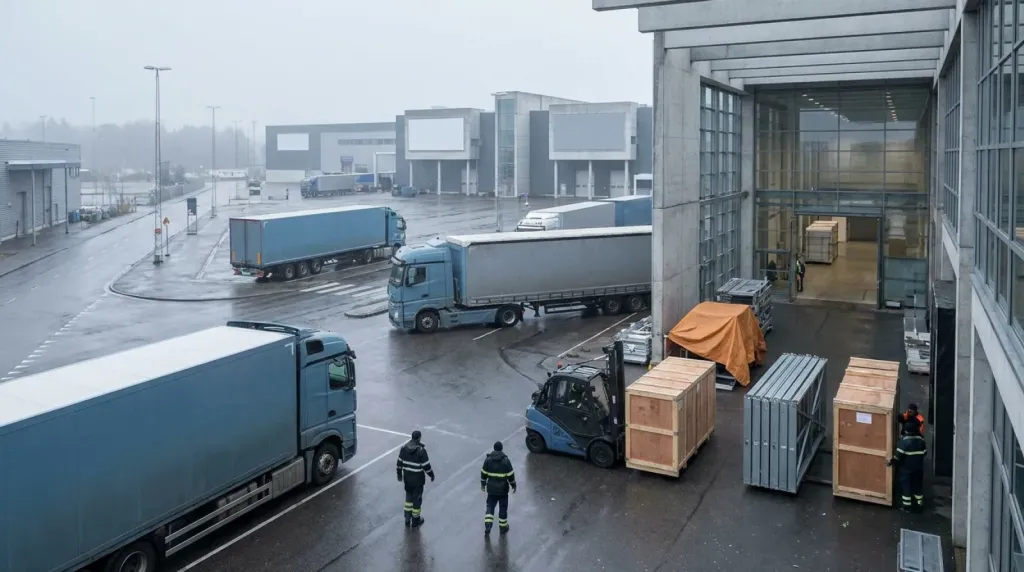
Delivering from Poland to Germany or France crosses no customs border. Switzerland is a different story. The country belongs neither to the European Union nor to its customs union, so every pharmaceutical shipment goes through export clearance on the EU side and import clearance on the Swiss side. On top of that sits a product layer: what EMA and national agencies regulate in the EU, Swissmedic supervises in Switzerland.
For a forwarder that means planning not one but two controls that have to mesh in time. A wait at the border is not just cost, it is a clock ticking on the temperature logger. If clearance drags and the reefer cannot hold its range, you lose not hours but the whole validation of the delivery. We cover the CH clearance mechanism in more depth in our piece on export to Switzerland and customs procedures.
Who is responsible for what: the Swissmedic role
Swissmedic does not clear trucks. It is a regulatory body, not a customs office. Its domain is authorising a medicine for the Swiss market, licensing wholesale trade in therapeutic products and supervising GDP compliance by operators active on the CH market. The consignee of the medicines in Switzerland (wholesaler, importer, distributor) must hold the appropriate licences on their side.
The forwarding role is narrower and concrete: deliver the product intact, within the required temperature range and with documentation that proves it. We do not advise whether a given preparation may be placed on the Swiss market, that sits with the shipper and consignee. Check current registration requirements and operator statuses at the source: swissmedic.ch.
Temperature control across the whole route
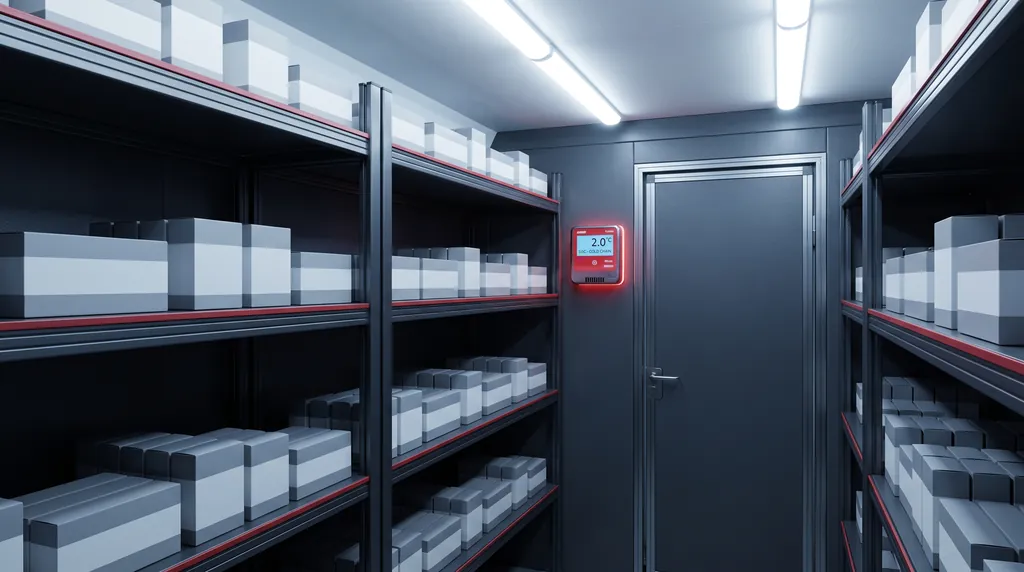
The heart of pharmaceutical transport is an unbroken cold chain. The most common ranges in practice are 2 to 8 degrees Celsius for most refrigerated medicines and 15 to 25 degrees for controlled room temperature products. The specific range is set by the manufacturer and it is binding, not a general assumption. We break cold-chain rules down in our article on temperature-controlled transport and the cold chain.
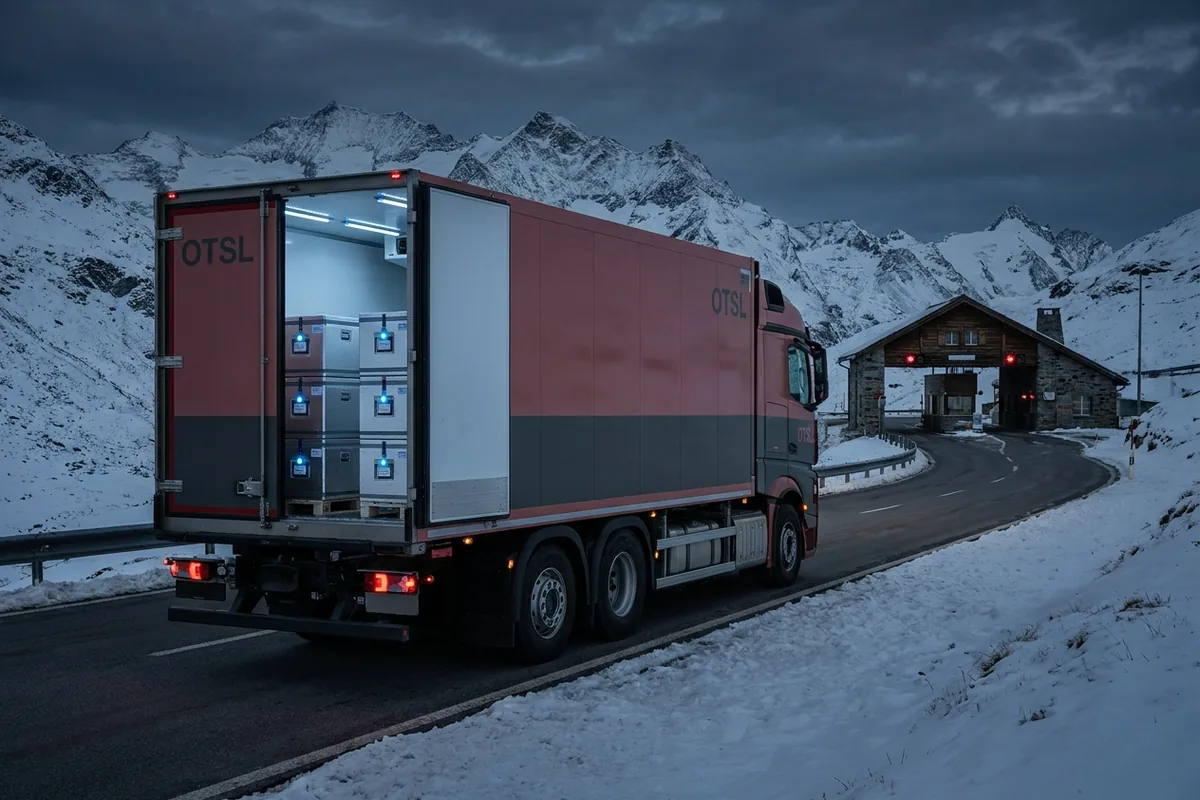
In practice, on the route to CH, OTSL watches several things at once:
- a validated reefer body with headroom for alpine heat and cold, not the edge of capacity;
- a temperature data logger reading across the whole route, not just at origin and destination;
- protection during the border wait, so clearance does not push the load out of range;
- a deviation procedure: who calls, who decides, what saves the batch.
The logger is not a formality. It is evidence. If the consignee or Swissmedic questions the delivery, the temperature chart decides whether the batch is fit for trade or heads for disposal.
Non-EU customs clearance in Switzerland
On the EU side you file an export declaration, on the Swiss side an import. The Swiss customs authority (BAZG, formerly the Federal Customs Administration) runs electronic declarations in the Passar system, which replaced the former e-dec. Since 1 January 2024 Switzerland has unilaterally abolished duties on industrial products (HS chapters 25-97), and pharmaceuticals fall within them, so importing medicines usually carries no duty. What remains is import VAT (8.1%, reduced rate 2.6%) and the full set of formalities. Duty on gross weight (per 100 kg) now applies mainly to agricultural and food products. Keep tariff and procedure detail at the source: bazg.admin.ch.
Smooth clearance of medicines usually needs, among others:
- a commercial invoice with a correct description and value of the goods;
- tariff classification (HS code) of the pharmaceutical items;
- the CMR transport document and, where required, proof of origin;
- data of a consignee authorised to trade therapeutic products in CH.
We run clearance through our own agency structures, so the declaration and the transport stay in one hand. That shortens time at the border, and with a reefer, time is temperature. The scope of customs work is on our customs clearance page.
The documentation that protects the batch
With pharmaceuticals, paperwork is part of the product. A missing record can hold a valuable batch for weeks. A complete set covers transport documents (CMR), commercial documents (invoice, packing list), the temperature record from the whole route and, on the consignee side, proof of trade authorisation. It pays to agree in advance who supplies which document and in what language, because Swiss clearance does not release goods without the full set.
We treat traceability separately. Every shipment has a single OTSL handler who knows the route, the temperature and the clearance status. You do not bounce off a hotline, you call the person who knows where your load stands.
The most common mistakes when shipping medicines to CH
| Mistake | Consequence | How we prevent it |
|---|---|---|
| Reefer sized to the edge of the range | Temperature deviation in heat or cold, batch for disposal | Body with headroom, validation |
| Logger only at origin and destination | No proof of continuity, consignee questions delivery | Logging across the whole route |
| Incomplete customs documentation | Load stuck at the border, temperature ticking | Clearance via own agency, pre-departure checklist |
| Treating CH like an EU country | No customs declarations, turned back at the border | Double clearance planned in advance |
How does OTSL work on the route to Switzerland?
We run EU lanes and traffic to the United Kingdom, Switzerland and Norway, with clearance through our own agencies on the Polish and British sides and warehouse backup (Kielce, Legnica, Milton Keynes). For pharmaceutical loads we combine validated temperature-controlled transport compliant with GDP and good distribution practice with full CH customs clearance. The Swiss direction and its specifics are also covered on our Switzerland destination page.
Planning a medicine shipment to Switzerland and want the cold chain and clearance in one hand? Describe the route, the temperature range and the product type through our contact form, and we will prepare a concrete solution with a single point of contact for the order.
Step by step
- Requirement check. You review the precise temperature range and regulatory documentation for the consignment.
- Vehicle preparation. You prepare the validated refrigerated unit and set the required temperature controls.
- Customs filing. You submit the appropriate customs declarations prior to reaching the Swiss border.
- Transit monitoring. You track continuous temperature recorder logs during the entire journey.
- Cargo handover. You deliver the shipment to the recipient alongside full thermal chain records.
Definitions
- GDP (Good Distribution Practice): A quality system for warehouse and distribution centres dedicated to medicines across the supply chain.
- Swissmedic: The Swiss central agency responsible for the authorisation and supervision of therapeutic products.
- Cold chain: An uninterrupted temperature-controlled supply chain required for sensitive medical goods.
- Customs clearance: The official process of declaring goods when entering or leaving a non-EU customs territory.
When does this rule not apply?
This regime does not apply to ambient goods that do not require thermal control or pharmaceutical licensing.
The OTSL role
When organising strict thermal transport across borders, check our temperature-controlled transport solutions. You can also learn more about managing a temperature-controlled cold chain across international routes.