 AI image
The Netherlands is a close, fast lane: the run from Poland usually takes about a day and a half, and the base rate is lower than on southern routes. The price is shaped mainly by German transit tolls, handling at the Rotterdam and Amsterdam ports, and a new Dutch HGV road charge that starts in 2026.
Short distance, but dense traffic
Western Netherlands is a shorter drive than Italy or Spain, so the trip itself is not the main cost. What happens on the ground often matters more: the Randstad conurbation (Amsterdam, Rotterdam, The Hague, Utrecht) is densely built and congested, and delivery windows can be tight. A missed slot can cost more than a few dozen extra kilometres.
Ports: Rotterdam, Amsterdam and transloading
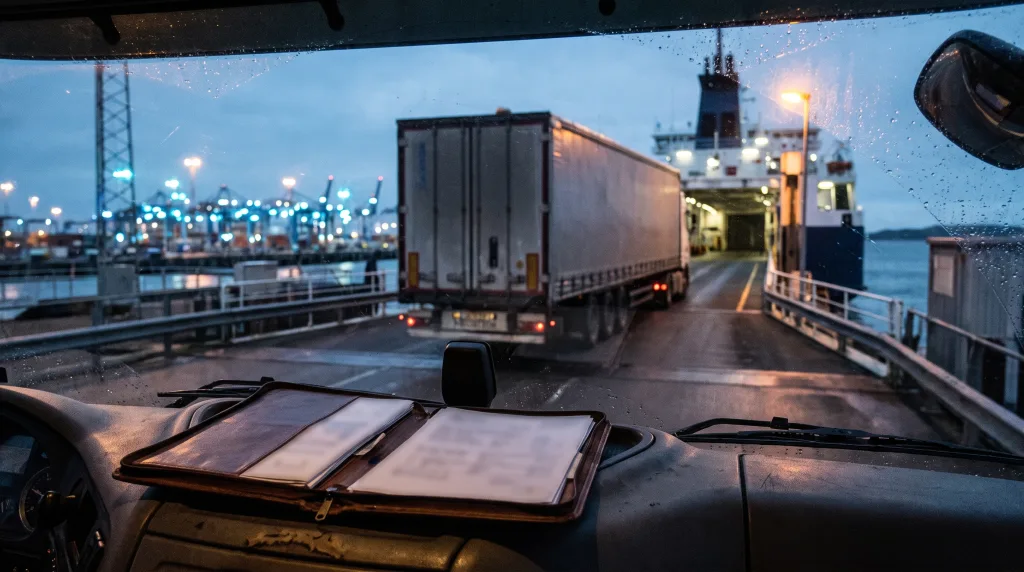
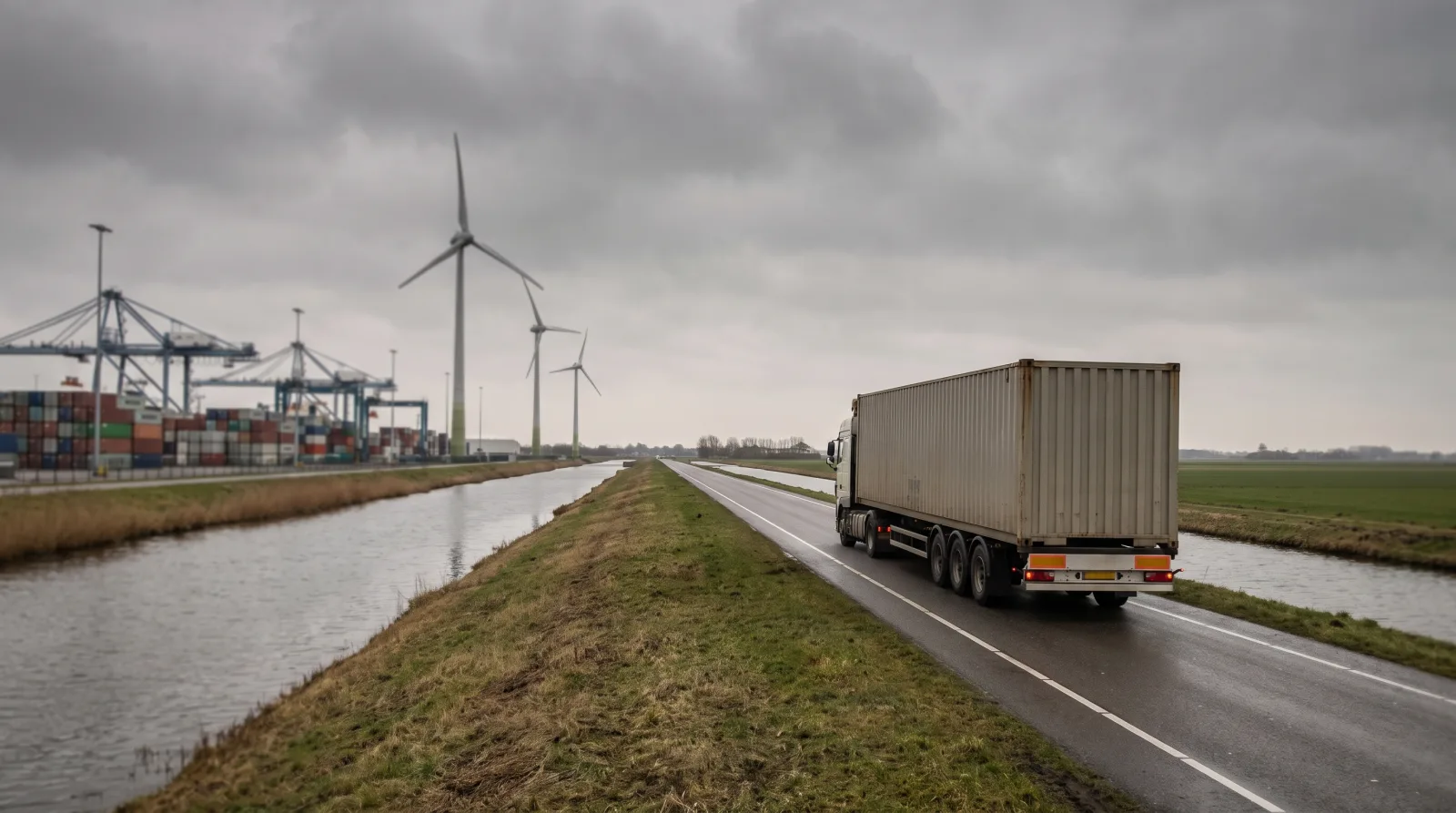
The Netherlands is Europe's cargo gateway. Much of the freight is collecting a container from the port and onward delivery or transloading to a trailer. This brings costs that the per-kilometre rate does not show: terminal charges, waiting time to collect a container, and possible demurrage and detention when a box stands too long. We describe similar stuck-cargo situations in our note on machine imports in the Netherlands.
Tolls: transit through Germany and a new Dutch charge
On the route to the Netherlands, German motorway tolls make up the largest share of road charges today. On top of that comes a change on the Dutch side.
The Netherlands introduces a per-kilometre HGV road charge on 1 July 2026: the so-called Vrachtwagenheffing will replace the current Eurovignette and be levied per kilometre driven for vehicles over 3.5 tonnes, using an on-board unit (source: vrachtwagenheffing.nl). For shippers this is a new cost line on the lane, which we build into the quote.
How long does delivery take and how do you order?
A full load to the western Netherlands usually takes about a day and a half, and the date depends on driver hours, Randstad congestion and the unloading window. For smaller batches consider groupage, and for full ones road transport. Lane details are on the transport to the Netherlands page. Send us the loading place, delivery address and whether it is a port collection through the form, and we will prepare a quote.
How do offloading and pallet exchange work in Dutch distribution centres?
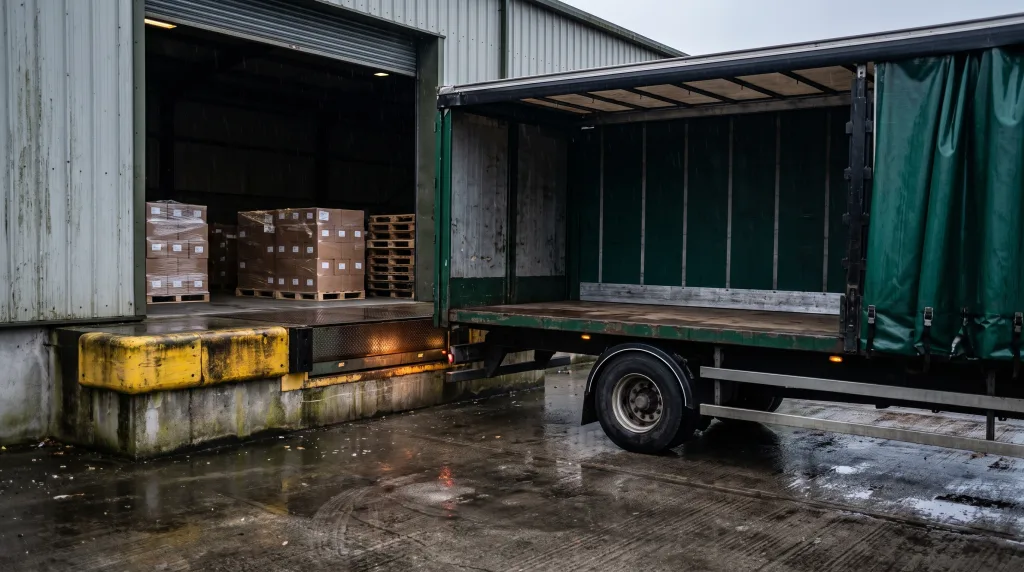
Offloading standards in the Netherlands differ significantly from those in Germany. Hauliers and drivers are frequently expected to offload cargo using a manual pallet truck unless the contract explicitly states otherwise. When delivering to a distribution centre around the Randstad region, you must strictly adhere to the booking window, which usually has a tolerance of no more than 15 minutes. Missing this slot can result in total refusal of entry or waiting times exceeding 24 hours.
Key operational rules for equipment and units include:
- Pallet exchange for standard Euro pallets (80x120 cm) is not standard practice in the Netherlands; if you require the exchange of 33 pallets from a standard trailer, this requirement must be specified in the transport order prior to loading.
- Tail lift vehicles face a strict physical limit of 1000 kg per pallet, regardless of the maximum authorised mass of the vehicle itself.
- Trailers with loading height requirements exceeding 2.5 metres may face access restrictions in older industrial zones near Amsterdam.
When does this rule not apply? These strict slot notification and pallet return rules do not apply to maritime container haulage collected directly from Rotterdam port terminals, nor to full truckload deliveries made directly to agricultural sites, such as greenhouses, where the consignee handles all offloading with their own equipment.
Step by step
- Prepare transit paperwork. Assemble the consignment note and cargo documentation prior to dispatch.
- Verify transit tolls. Review distance toll requirements along the selected route through Europe.
- Book the delivery slot. Confirm a precise unloading time window with the receiving terminal.
- Arrange port handling. Plan container pickup and cargo transfer details at the port.
- Monitor route progress. Track the vehicle position continuously to handle traffic delays smoothly.
Definitions
- Randstad: A densely populated conurbation in the western Netherlands encompassing major urban areas.
- Transit toll: A charge levied on commercial vehicles travelling through an intermediate country.
- HGV road charge: A distance-based road charge for Heavy Goods Vehicles (HGV) calculated on mileage and emissions.
- Delivery slot: A fixed time window allocated for cargo unloading at a destination terminal or warehouse.
- Transloading: The process of moving freight from one container or transport mode to another trailer.
The OTSL role
You can organise your freight flow reliably by choosing standard road transport options suited to your supply chain requirements. For time-sensitive cargo requiring strict delivery windows, you can also utilize express vans and time-critical transport services.