 AI image
Cross-contamination in a food-grade warehouse is the transfer of an allergen, chemical, odour or biological contaminant onto food that was previously clean. All it takes is one pallet of chemicals next to open goods, one undocumented allergen contact or one pest. The result is irreversible: the batch cannot be sold, it goes to disposal, and the liability stays on your side.
What actually goes wrong
In practice cross-contamination follows a handful of repeatable scenarios. Each one starts with a seemingly minor decision on the dock or in the rack.
- Allergen carry-over: nuts, gluten, milk or soy migrate onto a product that declares itself allergen-free. Even a trace breaks the label declaration and puts the consumer at risk.
- Chemical taint: detergents, crop-protection agents, paint or fuel stored next to food. Fumes and spills soak into packaging and product.
- Odour and taint: a strongly scented load passes its smell to food that absorbs it. Coffee, spices or household chemicals can taint neighbouring goods without any physical contact.
- Pest ingress: rodents and insects contaminate goods with droppings and hair. A single nest in the store writes off everything within storage reach.
- Mixed storage: food and chemicals, raw material and finished product, allergen and allergen-free goods held in one zone with no separation.
The real cost of one mistake
The destroyed batch is only the start of the bill. The real losses stack across several layers that build faster than most companies assume.
- Batch disposal: you pay not only for the lost goods but also for their controlled disposal, because contaminated food cannot simply be thrown away.
- Recall risk: if the goods have already left the warehouse, the cost grows to include return logistics, notifications and action by the supervisory authorities.
- Liability: at the end of the chain sits a specific party. If the warehouse was the source, liability and claims point back at it.
- Lost trust: a retailer or producer that once received a contaminated delivery reviews the whole relationship. Rebuilding that trust takes far longer than a single incident.
How does OTSL prevent it in its food-grade UK operation?
At the OTSL warehouse in Milton Keynes we treat food as cargo that forgives no shortcuts. Prevention is built into the daily working regime, not into a reaction after the fact.
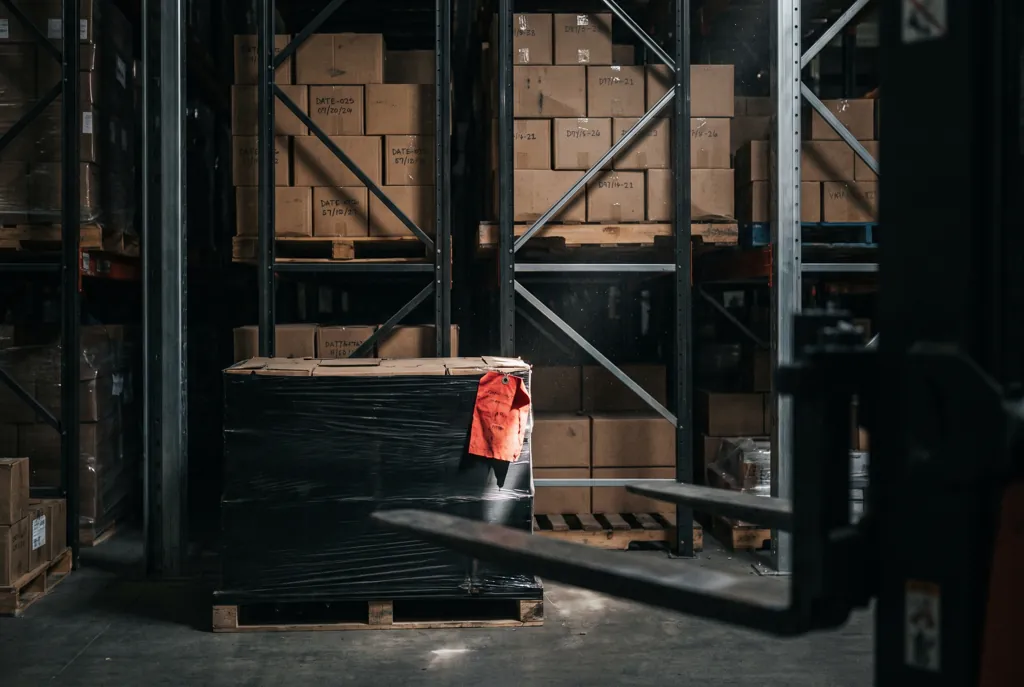
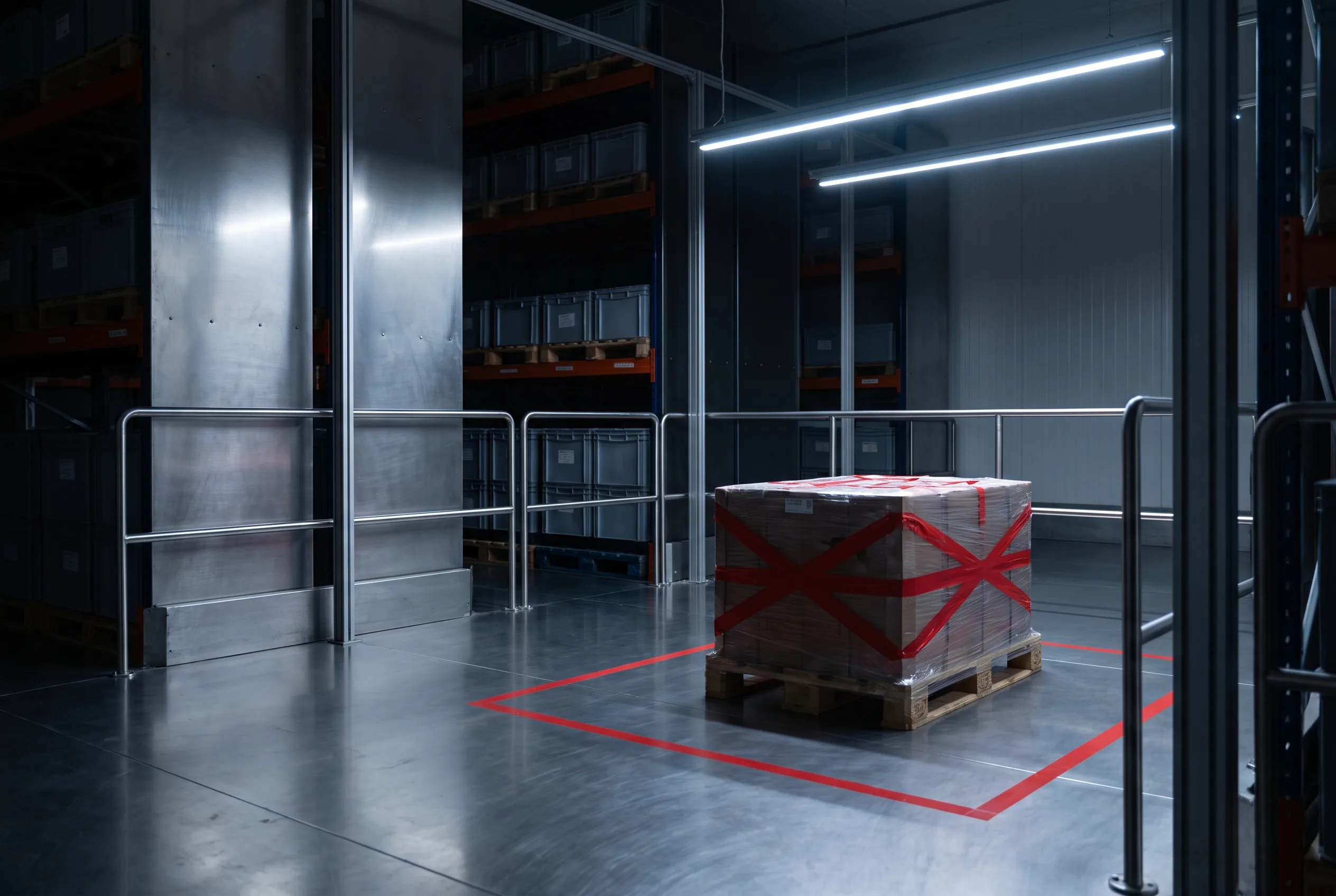
- Zone segregation: food and non-food, allergen and allergen-free, raw material and finished product have separate zones and assigned locations. We do not allow accidental adjacency.
- Food-safe standard: surfaces, bulk packaging and handling equipment meet food-contact requirements. Pallets and racking for food goods are dedicated.
- Cleaning regime: zones and equipment are cleaned and sanitised to a set schedule, with extra rigour when a zone changes over after allergen-carrying goods.
- Pest control: continuous monitoring and safeguards against rodents and insects, with documented inspections.
- Separation of food and non-food: chemicals, industrial goods and strongly scented loads never share a zone with open food goods.
On top of that we rotate stock by date (FIFO/FEFO), so goods leave in the correct order and do not expire on the rack. Control and detail at intake are cheaper than any disposal scenario. If you are planning food storage in the UK, contact us through the form and describe your goods, and we will match the regime to their requirements.
Step by step
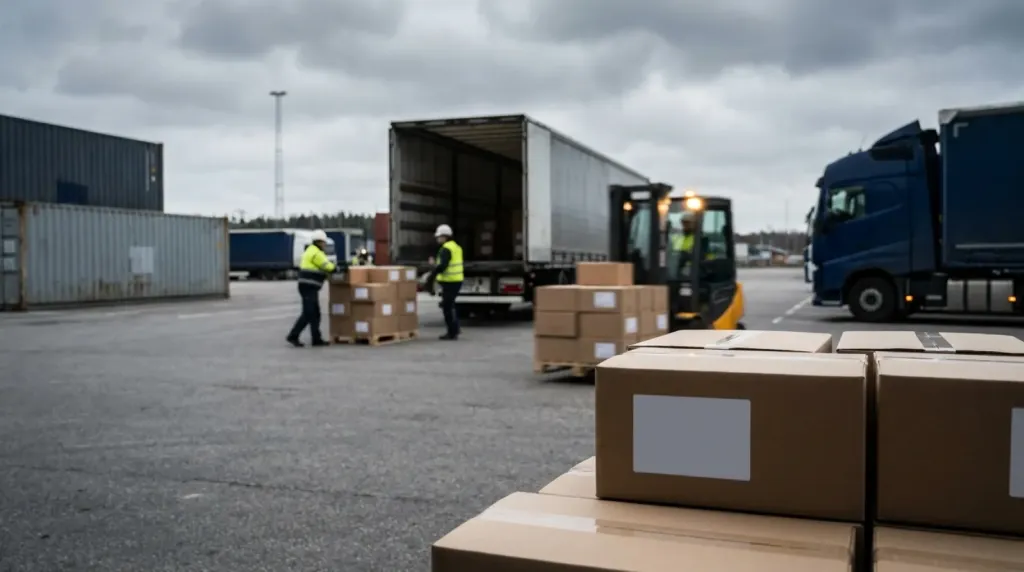
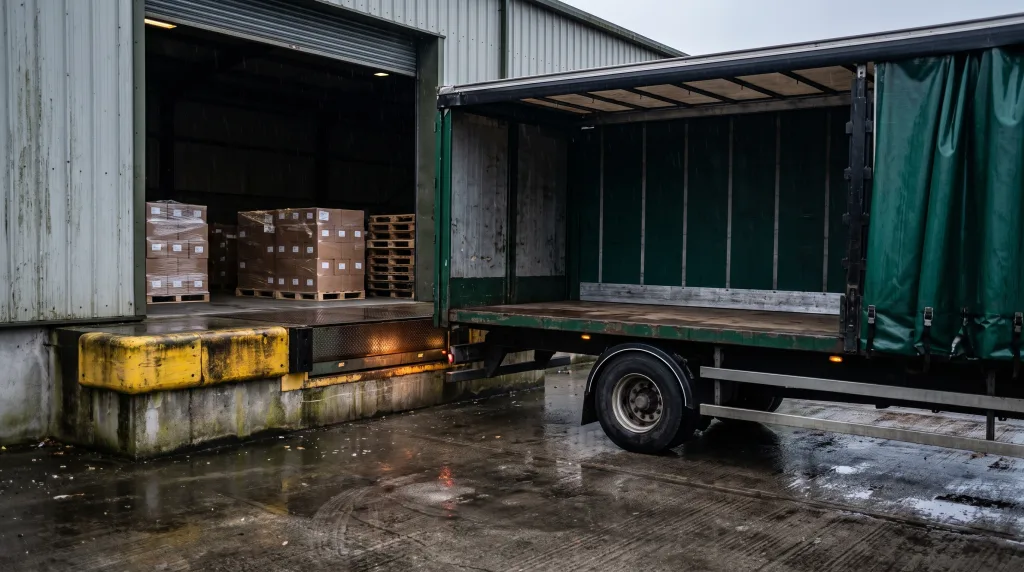
- Inbound inspection. You inspect packaging integrity and adjacent cargo on arrival at the loading bay.
- Zone segregation. You store allergen-containing goods in isolated rack sections away from standard food.
- Package check. You verify that outer cartons and seals are intact before placing goods into storage.
- Sanitisation. You clean all handling equipment and surfaces between handling different product batches.
- Batch logging. You record product placement and traceability details in the warehouse system.
Definitions
- Cross-contamination: The unintentional transfer of biological, chemical or allergen contaminants onto safe food products.
- Food-grade warehouse: A storage facility meeting strict hygiene and sanitary standards required for handling food goods.
- Allergen: A substance such as nuts or gluten that can trigger an allergic reaction in sensitive consumers.
- Chemical taint: The absorption of chemicals, detergents or fuel fumes into food or packaging.
When does this rule not apply?
Strict zone segregation does not apply to fully sealed, hermetically packaged non-food items that release no fumes or dust, unless specific customer quality agreements require separate handling.
The OTSL role
To support safe food supply chains, OTSL provides reliable temperature-controlled transport along with expert operations detailed in our guide to food-safe storage and handling in the UK.