 AI image
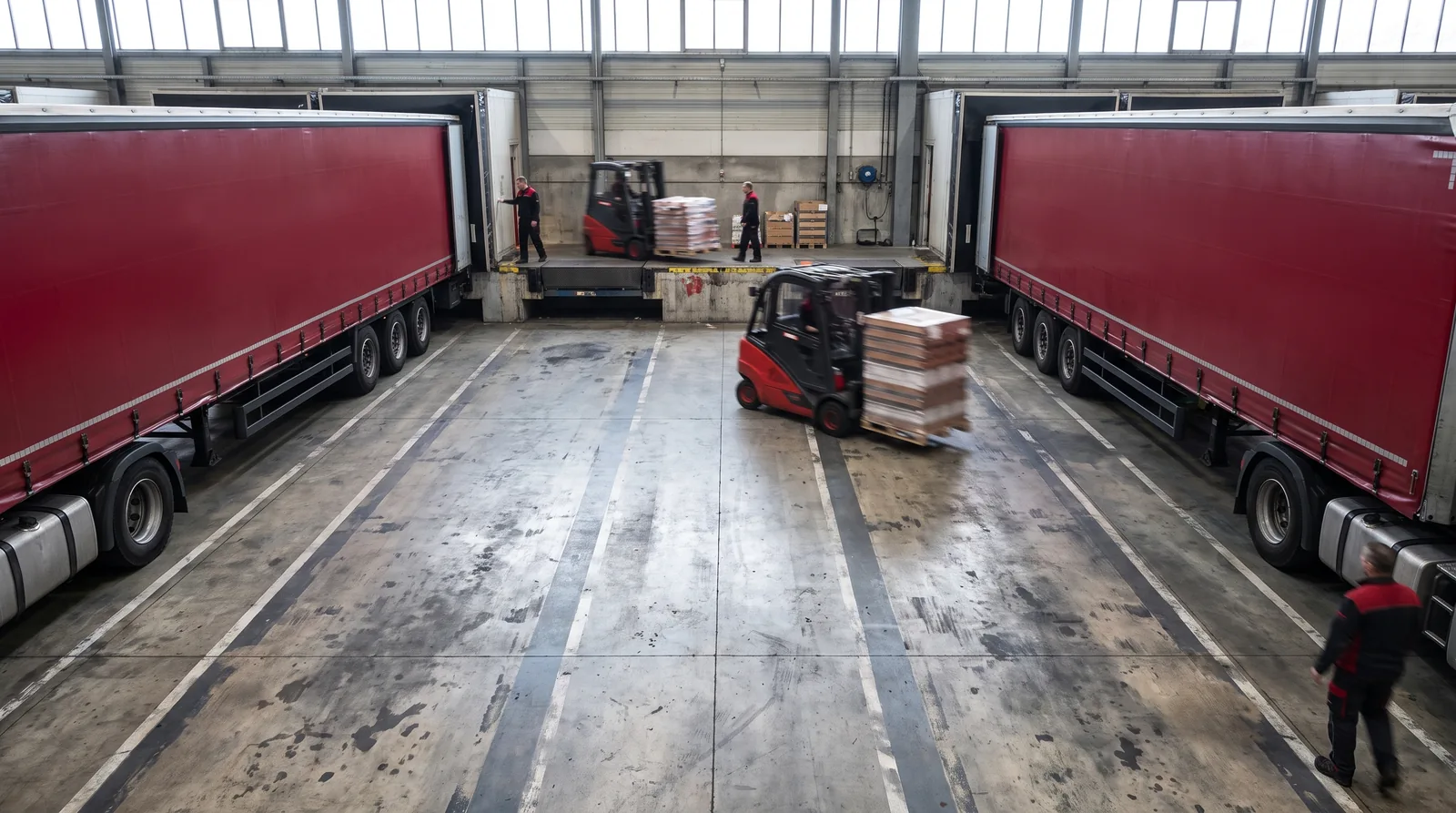
Cross-docking means moving goods from one truck to another with a short stop instead of storage. The OTSL base in Legnica sits on the A4 motorway, near its interchange with the S3 expressway and about 100 km from the German border, so west-east flows can be combined without a detour. The result is measurable: fewer empty kilometres and shorter total transit time.
How does cross-docking work?
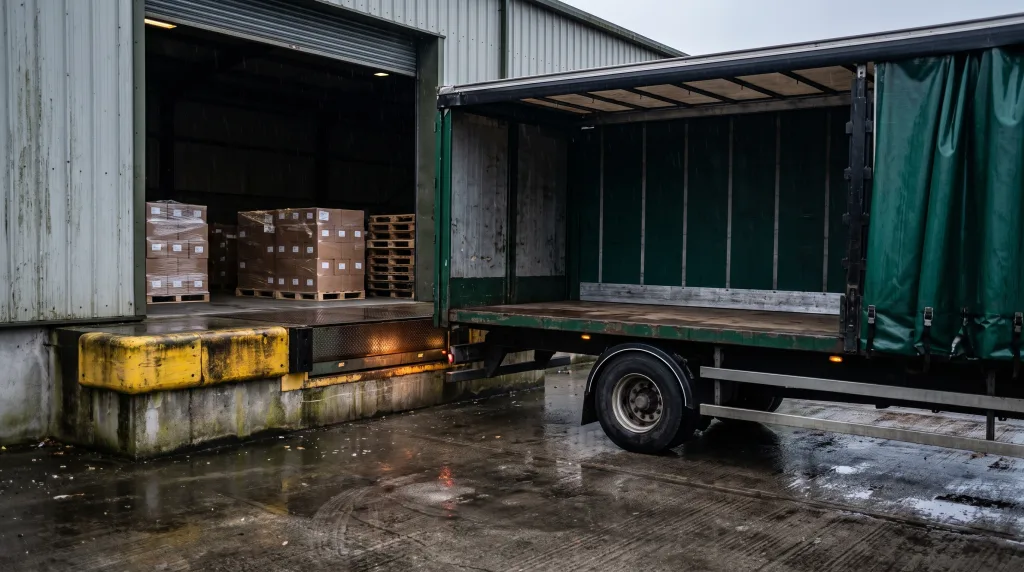
Goods arrive at the base, get unloaded, checked and assigned straight to the truck that carries on. There is no putaway for weeks, just transfer and departure. Along the way we close the batch for the next leg: repacking, palletisation and preparing the load for onward transport, so the receiver accepts the goods without an argument at the ramp.
Why does Legnica of all place?
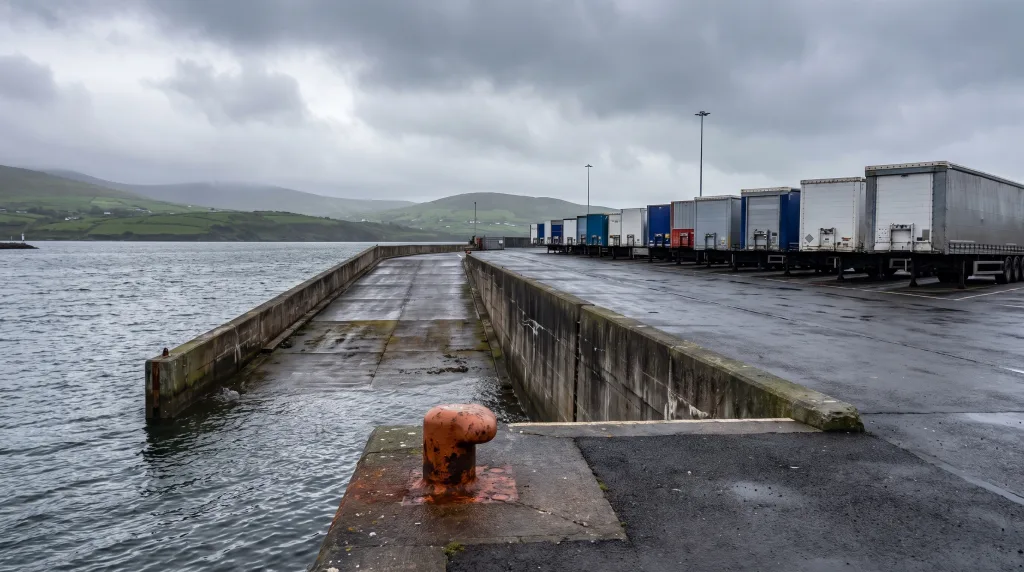
Geography does most of the work here. Legnica lies in western Poland on the A4 motorway, part of the European E40 route, with the A4/S3 interchange close by. A truck returning from Germany and a truck collecting goods in the region meet on the same motorway, without turning onto side roads. The German border is about 100 km away, so the transfer does not wreck the schedule on westbound lanes.
What do you actually save?
- Kilometres: instead of two trucks heading the same way half full, one full truck goes.
- Time: batches wait for each other hours, not days, because the base sits on the route, not beside it.
- Risk: the transfer happens at one known point, not at an improvised stop along the way.
The stakes are simple: a half-empty trailer hauled across half of Europe is a cost somebody eventually pays, and it is usually the shipper, built into the freight rate.
Cross-dock and groupage
Cross-docking in Legnica most often works for groupage: smaller batches from several sources are combined into one load taken over by our road transport. How collection from across the western and southern border works is covered in the article on consolidating freight from Germany and Czechia. All locations are listed on the OTSL warehousing page, and the base details on the Legnica base page.
How do you manage axle weights and customs timing during cross-docking?
When consolidating groupage cargo from three smaller vehicles onto a single articulated trailer, the critical operational metric is a maximum handling window of 4 hours. If pallets remain in the staging area for longer than 12 hours, any fuel savings are offset by demurrage and space allocation costs. Weight distribution requires strict management: loading up to 33 Euro pallets with a maximum payload of 24000 kg must be arranged so that the drive axle load does not exceed 11500 kg prior to joining the A4 motorway towards the border.
The core mechanism relies on synchronized arrivals. A standard 13.6-metre trailer docks at the bay while feeder vehicles offload from the side or rear, cutting overall handling time per shipment by 35% compared to traditional warehousing. Crucially, a buffer of 2 hours should be built into the schedule for updating the T1 transit declaration and processing the Movement Reference Number (MRN) via the UK Goods Vehicle Movement Service (GVMS) before the vehicle proceeds to the Channel ports.
This operational model does not apply to Class 1 and Class 7 dangerous goods under ADR (the Accord governing international carriage of dangerous goods by road), nor to frozen food shipments requiring a continuous temperature of -18°C or colder. For deep-frozen goods, opening the reefer doors at an ambient cross-dock ramp risks temperature spikes, leading to immediate rejection at the destination delivery point.
Step by step
- Arrival at base. The vehicle carrying goods arrives at the Legnica base near the A4 motorway.
- Unloading and inspection. Goods are unloaded from the trailer and checked for condition.
- Batch preparation. Repacking and palletisation are carried out to prepare the load for the next leg.
- Vehicle assignment. The checked consignment is assigned directly to the onward truck.
- Departure. The vehicle immediately sets off on its journey without long-term storage.
Definitions
- Cross-docking: Moving goods directly from one vehicle to another with a short stop instead of warehousing.
- A4 Motorway (E40): A major European transport corridor connecting west to east through south-western Poland.
- S3 Expressway: A high-speed road forming a key transport interchange near Legnica.
- Palletisation: Securing and arranging goods onto pallets prior to onward transport.
The OTSL role
OTSL organises cross-dock operations combined with efficient road transport (FTL), seamlessly connecting cross-border routes with our hub network detailed in the guide on Kielce warehouse transshipment and cross-docking.