 AI image
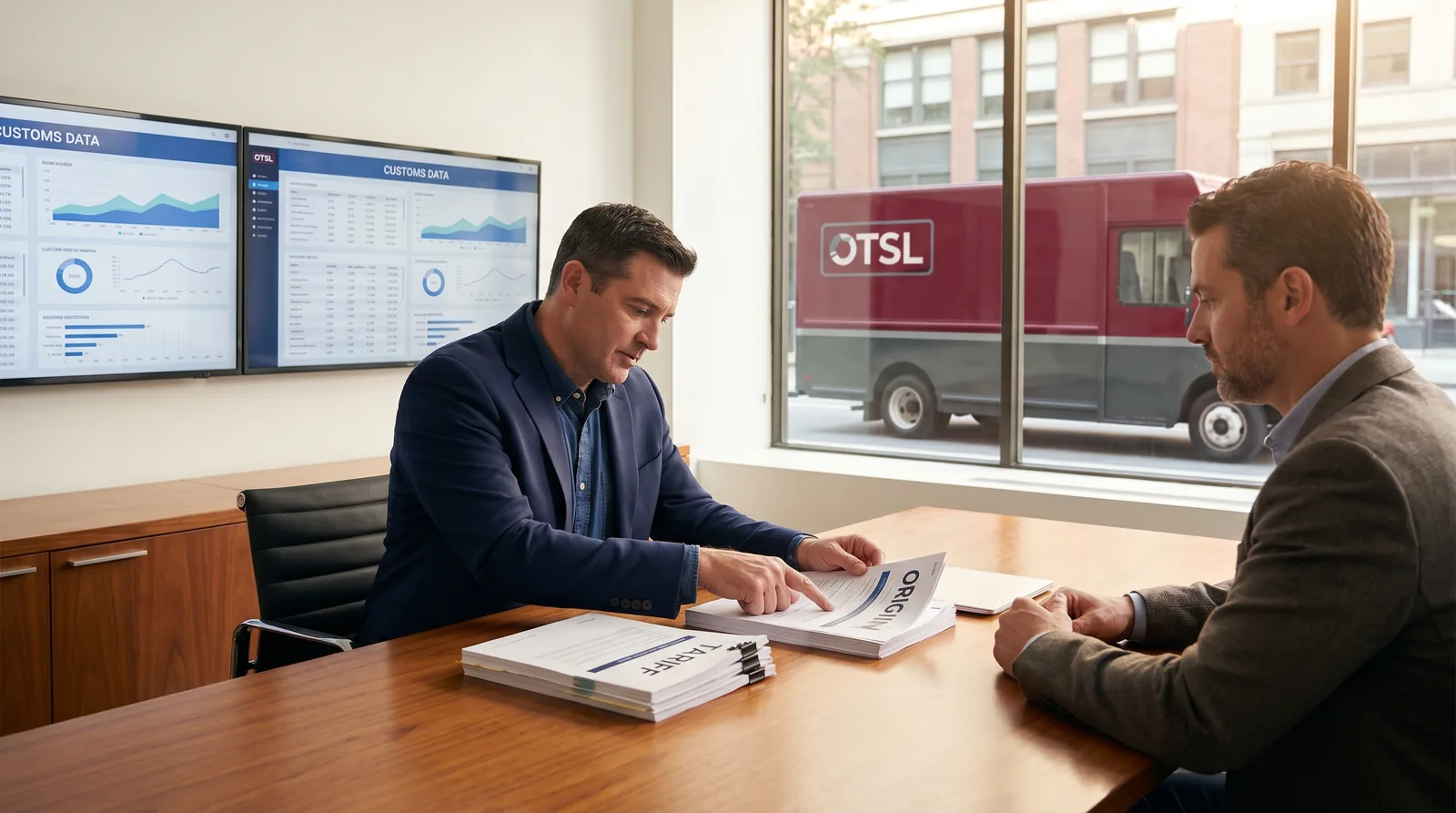
Customs advisory is support in preparing clearance correctly before the goods move: tariff classification, origin, choice of procedure and documents. Most costly problems at the border stem from mistakes made earlier. At OTSL customs advice is part of the service, because we have our own customs agencies in Poland and the UK.
The most common costly mistakes
- Wrong tariff classification, so wrong duty and a correction risk.
- Unclear goods origin and loss of a customs preference.
- Incomplete documents that stop the goods at the border.
- The wrong procedure, for example no transit where it was needed.
Why is it better to ask early?
Fixing a mistake after the fact costs more than asking a question up front: corrections, interest, sometimes a penalty and lost time are added. Customs advice at the planning stage lets you pick the code, origin and procedure so clearance goes smoothly and the cost is known in advance.
How do we work?
We have our own customs agencies, so advice and clearance are one process, not a referral to an outside company. We ask for the details up front and say plainly what to prepare. We confirm the specific rulings for your goods individually.
See customs advisory, customs clearance and T1, EUR.1 and certificate of origin.
Which tolerance thresholds and operational procedures determine load holds at the border?
When you prepare customs documentation for road freight, you must account for the automated risk analysis rules embedded within customs processing systems such as CDS and GVMS (Goods Vehicle Movement Service). A critical operational variable is the alignment between declared weight and actual scale weight. If the gross weight declared in the customs entry deviates from the weight recorded at the terminal weighbridge by more than 3%, the system automatically flags the consignment for control. On a standard 13.6 metre trailer carrying 33 pallets with a declared total weight of 18000 kg, a discrepancy exceeding 540 kg will freeze the clearance status and prevent the generation of a valid Goods Movement Reference.
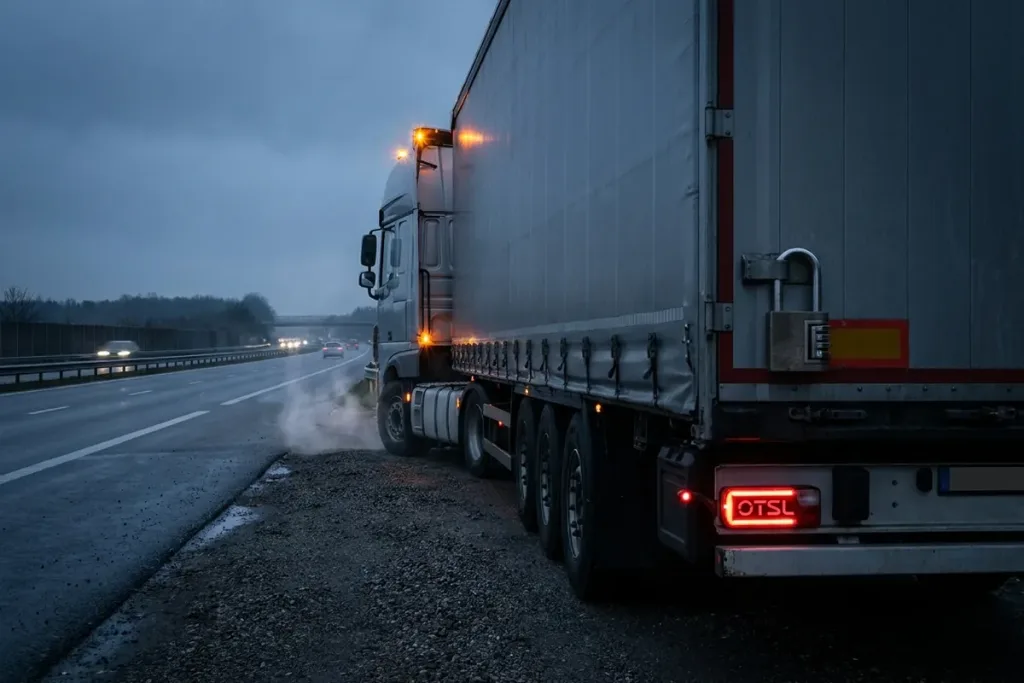
When such a discrepancy is flagged, officers issue an official query requiring resolved documentation within 2 days, including an amended commercial invoice and packing list. The physical inspection process at the port terminal extends transit times by 24 hours to 48 hours. Should the border authority require a complete unload at an inland border facility to verify physical counts, the queue for an inspection slot can extend up to 3 days, causing vehicle immobilization on access roads.
- Weight tolerance rules apply solely to standard commercial goods where duty is calculated strictly on valuation or net mass principles.
- A mismatch in unit counts per pallet triggers an inspection hold regardless of whether the overall trailer gross weight remains unchanged.
- Amending an entry following a physical control instruction requires a formal statement from the exporter within 24 hours.
Boundary of application: the standard 3% weight discrepancy tolerance does not apply when transporting excise goods, items subject to sanitary and phytosanitary controls, or controlled dual-use goods. For these specific commodity groups, zero tolerance applies: any variation, even as small as 1 kg, cancels simplified processing and mandates a full physical examination at the border inspection post.
Step by step
- Analyze product specifications. Gather complete technical data and product descriptions required for correct identification.
- Verify tariff codes. Determine the correct tariff code and check associated duty rates and restrictions.
- Check rules of origin. Confirm the origin of goods and assemble documents required for customs preferences.
- Select the customs procedure. Choose the appropriate procedure suited to the transport route and destination of the cargo.
- Prepare documentation. Compile invoices, transport documents and clearances before dispatching the vehicle.
Definitions
- Tariff classification: Assigning the correct code to goods in the customs tariff to determine duty rates and import requirements.
- Customs preference: Reduced or zero duty rates applied when the origin of goods is officially documented.
- Customs procedure: A legally defined method of handling goods presented to customs authorities.
- Customs transit: A procedure allowing the movement of goods under customs control between two points without paying immediate duties.
- HS (Harmonized System): The Harmonized Commodity Description and Coding System used internationally to classify goods.
The OTSL role
At OTSL, we analyze commercial documentation and provide advice prior to dispatch, preventing border delays. We integrate customs support with solutions like Road transport (FTL) to maintain a seamless flow of information. Our team helps clarify questions regarding the tariff code (CN/HS) and selecting appropriate procedures for routes between the UK, Poland, and Switzerland. See also: How long customs clearance takes and what happens at an inspection: selection, scan, full examination.