 AI image
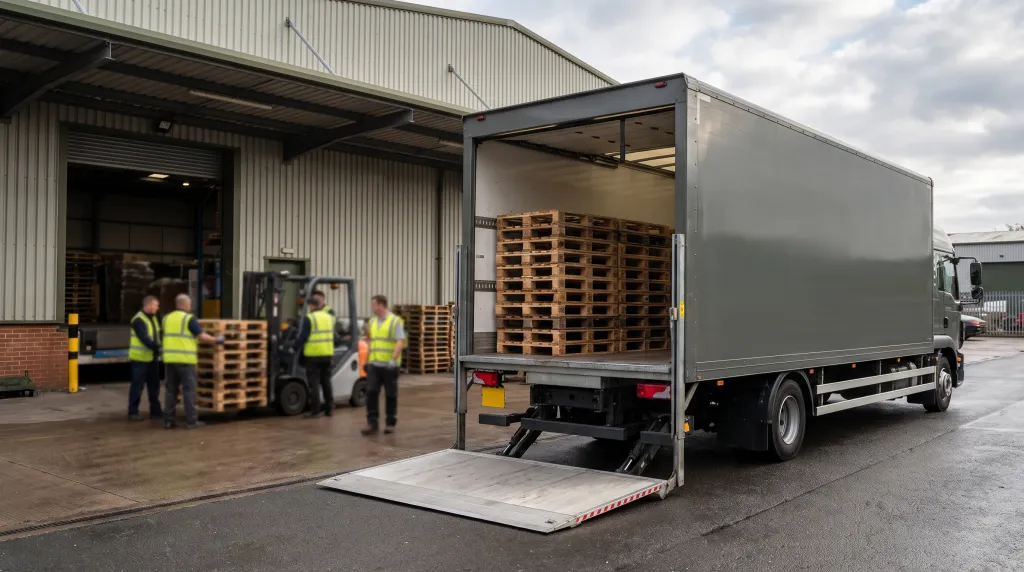
A full truckload (FTL) means the whole trailer carries only your goods and the truck runs straight from loading to the consignee. Groupage (LTL) means your shipment shares the space with other companies' goods and passes through a cross-dock warehouse on the way. Shipping a few pallets with a flexible date: start with groupage. A large, urgent or fragile consignment: book the whole truck.
Comparison
| Criterion | FTL (full load) | LTL (groupage) |
|---|---|---|
| Volume | Larger batches, a full trailer | From a single pallet |
| Cost | You pay for the whole vehicle | You pay for the space you use |
| Transit time | Shorter, direct route | Longer, consolidation and milk runs |
| Handling | None | At least one transshipment at a consolidation depot |
| Damage risk | Lower | Higher with every transshipment |
| When to choose | Deadline and cargo value come first | Small volume, flexible schedule |
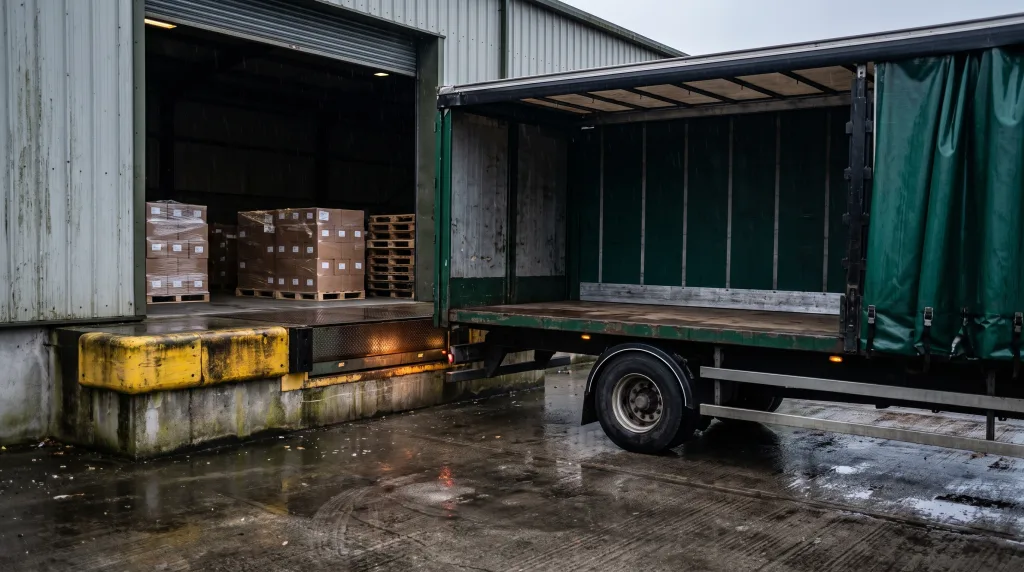
With groupage an efficient consolidation point is key: a warehouse where shipments from different senders are combined into one vehicle. We combine batches among others through our cross-dock warehouse in Kielce, which shortens stops and cuts damage risk.
At OTSL we run both across Europe, ADR (dangerous goods transport) too. See FTL road transport and LTL groupage.
Know the basics? Work out your specific case
This guide covers a first shipment. When you need a decision for a specific load, read the expert decision guide FTL or LTL: when to choose which in road freight, which breaks the choice down by volume, deadline, cargo sensitivity and budget.
When does a groupage shipment become too large for LTL freight?
The main unit of measurement in road freight is the loading metre (LDM), where 1 standard euro pallet (120 cm by 80 cm) equals 0.4 LDM. As a rule, the financial break-even threshold for groupage (LTL) is up to 2.4 LDM (around 6 euro pallets) or a gross weight under 2500 kg. Above this threshold, carriers apply volumetric weight calculations, where 1 LDM typically converts to 1750 kg. Once your cargo occupies more than 30% of trailer capacity, the cost of groupage space equals the price of a full vehicle booking.
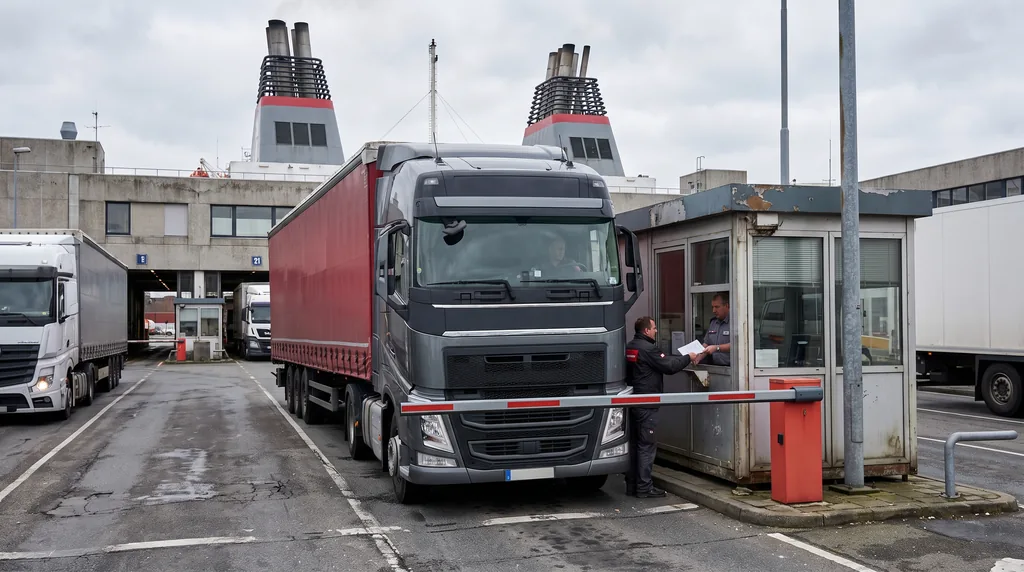
For UK-EU cross-border transport, customs procedures add another operational layer. A single groupage trailer carries goods from 10 to 15 different shippers. If just one consignment is flagged for physical inspection at the border, the entire vehicle experiences a delay of 24 to 48 hours. With full trailer loads (FTL), customs clearance applies solely to your declaration, eliminating the risk of hold-ups caused by documentation errors of third parties.
This rule does not apply when transporting non-stackable cargo exceeding 220 cm in height. In such cases, even if the total weight is only 800 kg, you must pay for the full vertical clearance, which shifts the financial calculation in favour of FTL haulage regardless of the pallet count.
Step by step
- Determining cargo volume. Measure the number of pallets and total weight to assess space requirements.
- Evaluating delivery urgency. Analyze the required arrival deadline and time flexibility of the recipient.
- Selecting the transport model. Choose between a full trailer and shared space based on cargo needs.
- Preparing the goods. Secure the cargo on pallets and label all packages accurately.
- Booking the shipment. Share loading details with the carrier and track the consignment along its route.
Definitions
- FTL (Full Truckload): A transport service where the entire trailer volume is reserved for a single shipper's cargo.
- LTL (Less Than Truckload): Shipping smaller consignments that share cargo space with goods from other companies.
- Cross-dock warehouse: A transshipment facility where goods are reorganized for onward transport without long-term storage.
- Cargo consolidation: Combining smaller individual shipments from multiple senders into one consolidated vehicle route.
The OTSL role
OTSL coordinates international cargo movements utilizing facilities in Kielce and a warehouse in Milton Keynes. For full trailer requirements, you can review our road transport options designed for direct delivery. If you are dispatching smaller pallet quantities with time-sensitive deadlines, explore our guide on express vans and time-critical transport across Europe.