 AI image
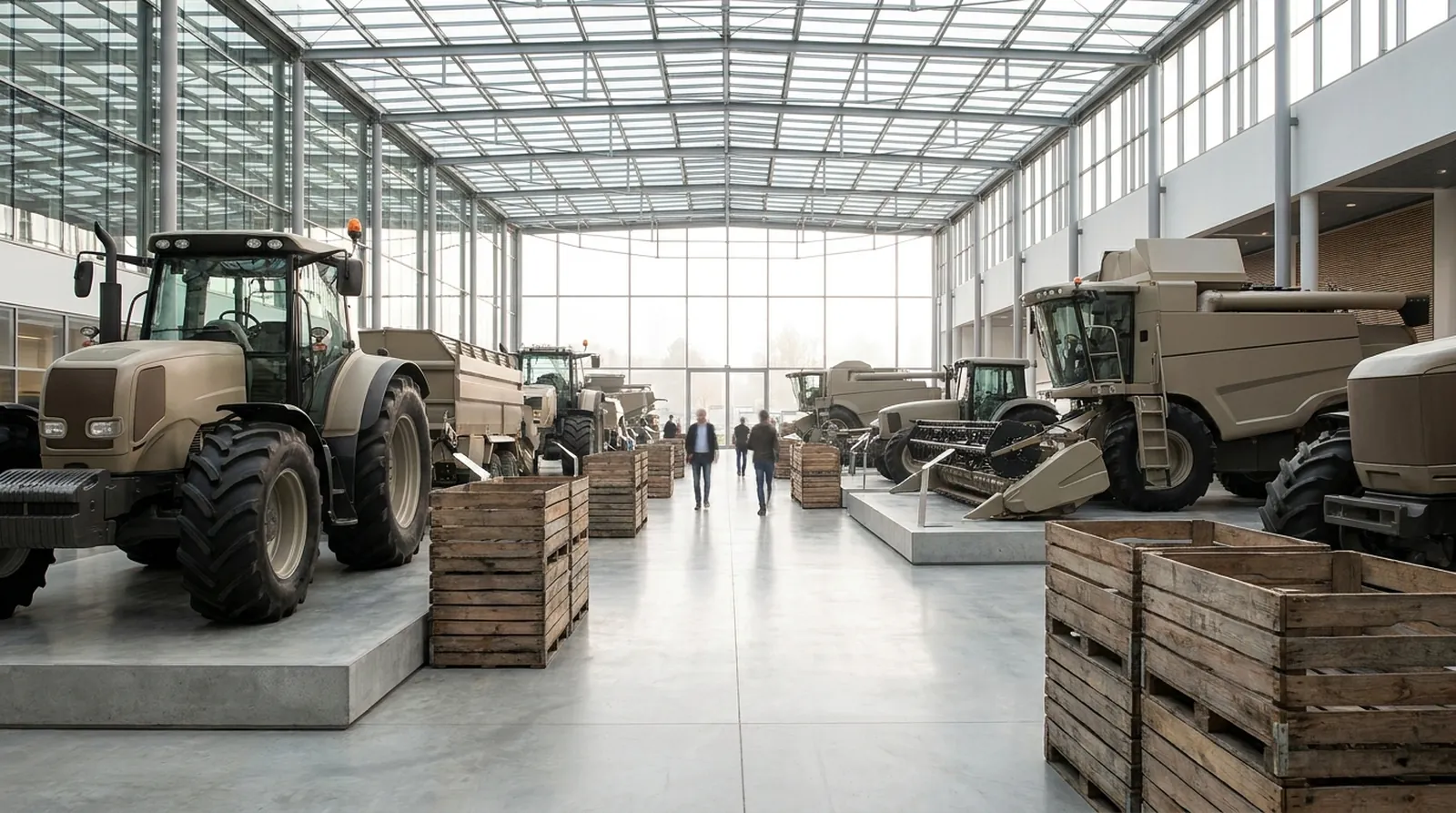
Agrotech, the International Fair of Agricultural Techniques at Targi Kielce, gathers machines that rarely fit a standard trailer: tractors, harvesters, sprayers, balers and implements. Exhibitor logistics therefore starts with load qualification: what travels standard and what goes as out-of-gauge with permits and an escort. Our Kielce base lets us merge deliveries from different factories into one coherent assembly schedule, so exactly the right unit reaches the stand at the right moment, in the order the display is set up.
A heavy farm machine is not an ordinary pallet. A combine or a tractor with implements can weigh well over ten tonnes and breach road clearances, so the whole move is planned backwards: from the date and the spot on the stand, through the way the unit comes off the flatbed, down to the choice of vehicle and route. A badly planned unloading or a missing permit is not a detail. It is a machine stuck at the gate on the day the rest of the team is already building the display. At a fair the time slot decides, not good intentions.
What to watch with farm machinery
- Dimensions and weight. A machine on a flatbed can exceed height, width or axle load. Then permits, a bridge-checked route and sometimes a pilot vehicle apply. That is the domain of our out-of-gauge loads service, where we pick a low or extendable trailer and clear the passage.
- Coming off the flatbed. Heavy kit leaves via ramps at the right angle or by crane. It has to be planned on the venue side: firm ground, room to manoeuvre, unloading equipment. Running a combine down ramps that are too steep ends in a damaged chassis or header.
- Ground and weather. Part of the machinery display stands outdoors. Mud, ruts and rain change the ground requirements and the entry order, and a heavy machine on soft ground can bog down in minutes.
- Implements and fluids. Headers, loaders, heads and attachments often travel separately and are assembled on site. It pays to settle in advance what arrives with the machine and what comes in batches from the buffer.
The OTSL role
- Transport of machines and implements from Poland and Europe, standard and out-of-gauge. The heavy-kit move itself runs under our machinery transport service, with the vehicle matched to weight and dimensions.
- Delivery schedule matched to the stand build, with bookings at the organiser. Time slots, entry rules and venue requirements we confirm at order stage; we do not guess the regulations, we check them for the specific edition.
- Buffer in Kielce for implements, parts and materials. Our Kielce warehouse sits next to the fairground, so we feed the venue in batches, as in the piece on deliveries to Targi Kielce. Empty pallets and packaging left after the machines are placed also have somewhere to wait until the fair ends.
- Load-out and return. Once the fair closes we collect the machines, consolidate them into a return move and take them back to the factory or on to the next event, without idle time blocking the hall.
Coming to Agrotech with a tractor or a combine? Write to us through the form, give the dimensions, weight and build date, and we will lay out the plan for transport, unloading and the buffer. See also the guide to trade fairs in Europe and other events in Kielce, such as Plastpol.
Why must exhibition machinery transport be planned backwards?
Deliveries are scheduled according to the display layout so that placing the heaviest machinery first does not obstruct access for subsequent equipment.
Step by step
- Load qualification. Assess machine dimensions to identify units requiring special permits.
- Route assessment. Check height and weight limits along the intended delivery route.
- Permit clearance. Secure required abnormal load permits and book pilot escorts.
- Schedule synchronization. Match delivery times with the exact sequence of stand assembly.
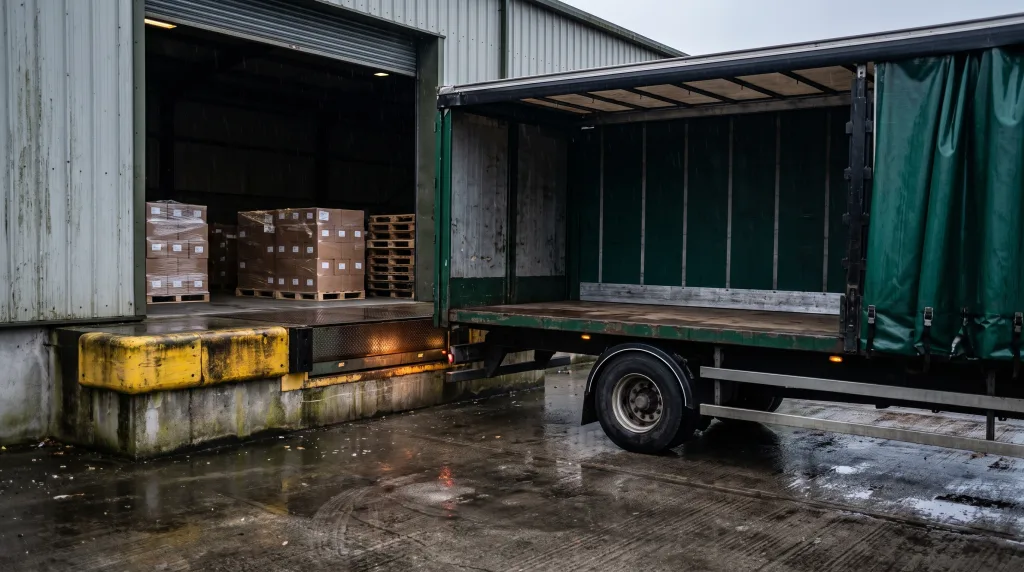
- Unloading execution. Arrange appropriate equipment to unload heavy units from flatbeds.
Definitions
- Agrotech: International Fair of Agricultural Techniques held in Kielce, showcasing tractors, combines, and farm implements.
- Out-of-gauge load: Transport of goods exceeding standard legal dimensions or weight limits on public roads.
- Road clearance: The legal maximum vehicle envelope specifying safe dimensions under bridges and structures.
- Transport escort: A dedicated vehicle and specialist ensuring safe passage for abnormal loads.
When does this rule not apply?
This procedure does not apply to standard agricultural implements that fit within normal trailer dimensions and legal weight limits.