 AI image
An Amazon FBA UK delivery requires compliance with warehouse rules: correct labels on cartons and pallets, a delivery-window booking and proper pallet preparation, plus post-Brexit GB import clearance. Labelling or booking errors are the most common reason for a rejected delivery and a costly return of the goods.
What the Amazon warehouse requires
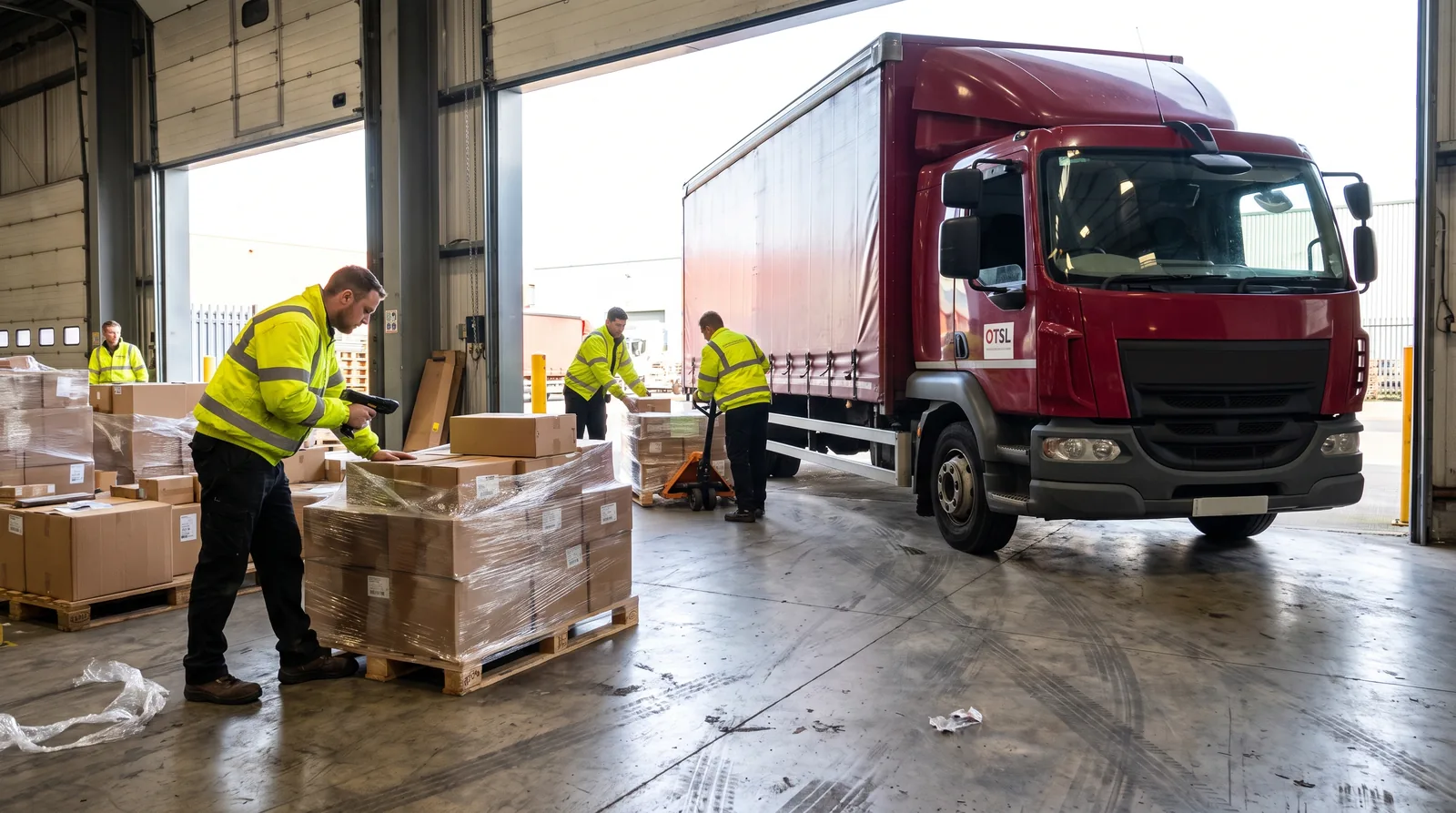
- Shipping and pallet labels generated in the seller panel, applied so the scanner reads them without removing the wrap.
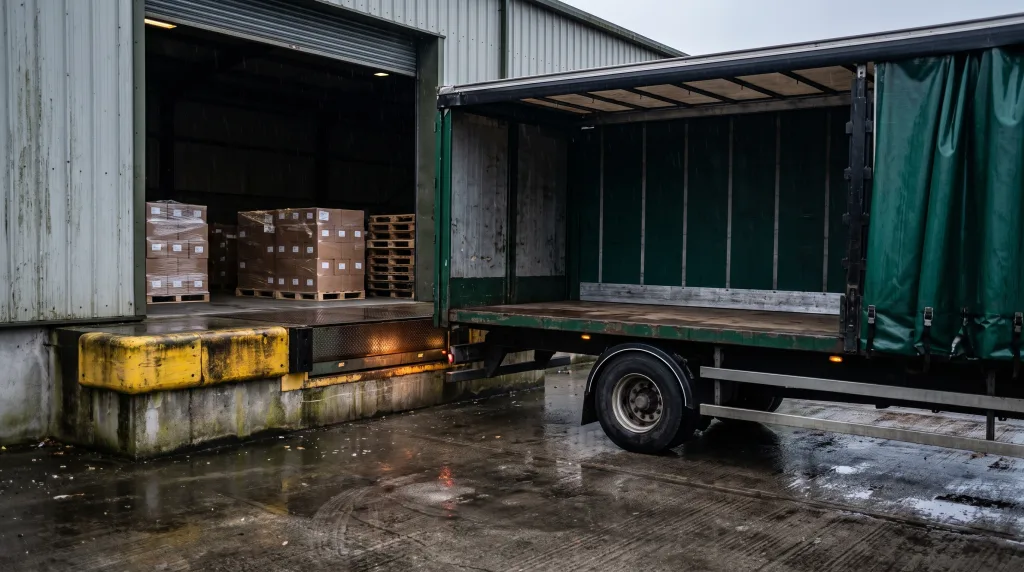
- Pallets prepared to Amazon guidelines: stable, with no protruding cartons or damage.
- A delivery-window booking and a driver with the delivery reference number.
- Carton and pallet counts matching what was declared in the system.
Customs on an FBA delivery
Amazon does not act as the importer, so the seller arranges GB import clearance. A GB EORI number is needed and usually a UK VAT registration, which is worth confirming with a tax adviser. Before the truck moves, the import declaration and the GMR (Goods Movement Reference, required at the UK border) must be ready. (source: gov.uk) How the identification number works is explained in the text on the EORI number, and we run the formalities within customs clearance.
Why does the warehouse reject a delivery?
- Labels that are unreadable, taped over or badly placed.
- Arrival outside the booked window, or no booking at all.
- Pallets that do not meet the guidelines, are damaged or overloaded.
- A mismatch between the booking and the actual delivery.
Every rejection means the truck returns, a new booking is needed and sales slip by more days. With a planned sales campaign that delay costs more than the transport itself: the stock sits idle and the listing loses ground.
How do we run FBA deliveries?
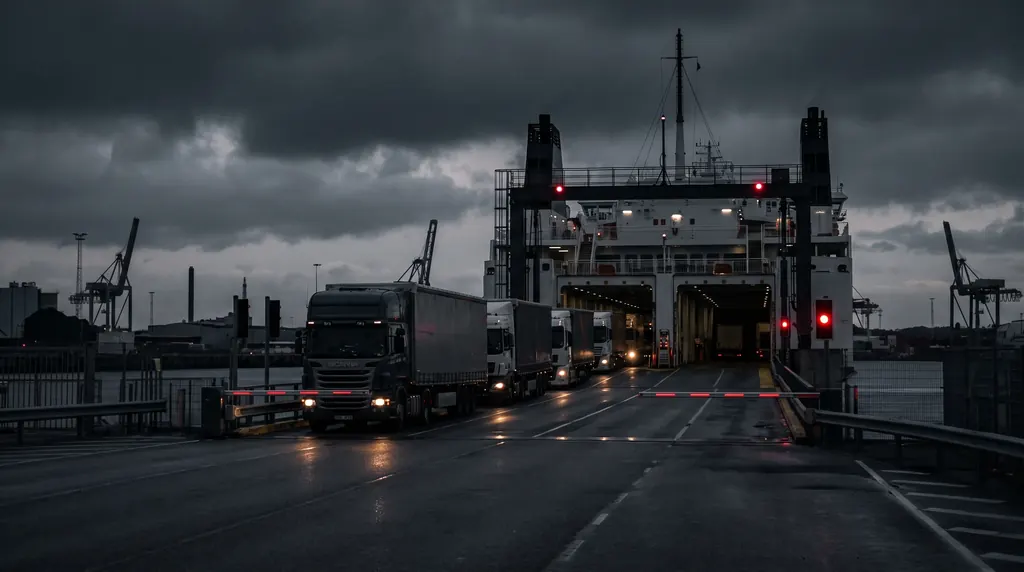
We combine transport, customs and warehouse compliance: we check labels and pallets before departure, watch the booking and deliver within the window, with import documents ready before the truck boards the ferry. See Amazon UK deliveries.
Preparing your first FBA delivery to the United Kingdom? Describe the goods and dates in the contact form and we will run transport and formalities warehouse to warehouse.
How should you prepare pallets and schedule delivery windows to avoid Amazon FBA rejections?
When preparing cargo on standard Euro pallets (1.2 m × 0.8 m), you must ensure the total pallet height does not exceed 1.8 m, including the wooden base. The maximum weight of a single carton is 15 kg unless it carries explicit heavy-package labels, with an absolute upper limit of 23 kg per box. Exceeding these physical limits leads to immediate rejection at the inbound dock, reducing your seller account compliance score by up to 20%.
Timing is equally critical for UK import logistics. If your driver arrives more than 30 minutes past the scheduled Carrier Central appointment slot, the booking is automatically cancelled. Rescheduling a new delivery window typically takes at least 24 hours, during which demurrage fees accumulate while the vehicle waits near the fulfilment centre.
- Maximum Euro pallet height: 1.8 m.
- Carton weight threshold for heavy labelling: 15 kg.
- Maximum arrival tolerance: 30 minutes.
- Rescheduling delay after a missed appointment: 24 hours.
Note that these strict palletisation and Carrier Central booking rules do NOT apply to Small Parcel Deliveries (SPD). When sending loose parcels via parcel courier networks, individual packages are handled via automated hubs without requiring vehicle slot bookings.
Step by step
- Label the cartons. Place seller panel shipping labels clearly on every individual carton.
- Stack the pallets. Secure cartons onto pallets ensuring there are no protruding items or frame damages.
- Apply pallet labels. Attach labels to the outside of the stretch wrap so scanners read them easily.
- Book the delivery window. Reserve the slot in the Amazon system and provide the reference number to the driver.
- Clear customs. Complete GB import clearance using your EORI number before final delivery to the warehouse.
Definitions
- FBA (Fulfilment by Amazon): A selling model where Amazon handles storage, packing, and dispatching products to end customers.
- EORI (Economic Operators Registration and Identification): A unique identification number required to clear goods through customs in the UK and EU.
- VAT (Value Added Tax): A consumption tax applied to goods, requiring registration in Great Britain for importing sellers.
- GB (Great Britain): The geographical code used in post-Brexit customs declarations and shipping documentation for the UK market.
The OTSL role
OTSL assists sellers with precise haulage into fulfilment centres through structured Amazon UK deliveries. We ensure full alignment with carrier requirements, detailed further in our guide to Amazon pallet requirements in the UK.