 AI image
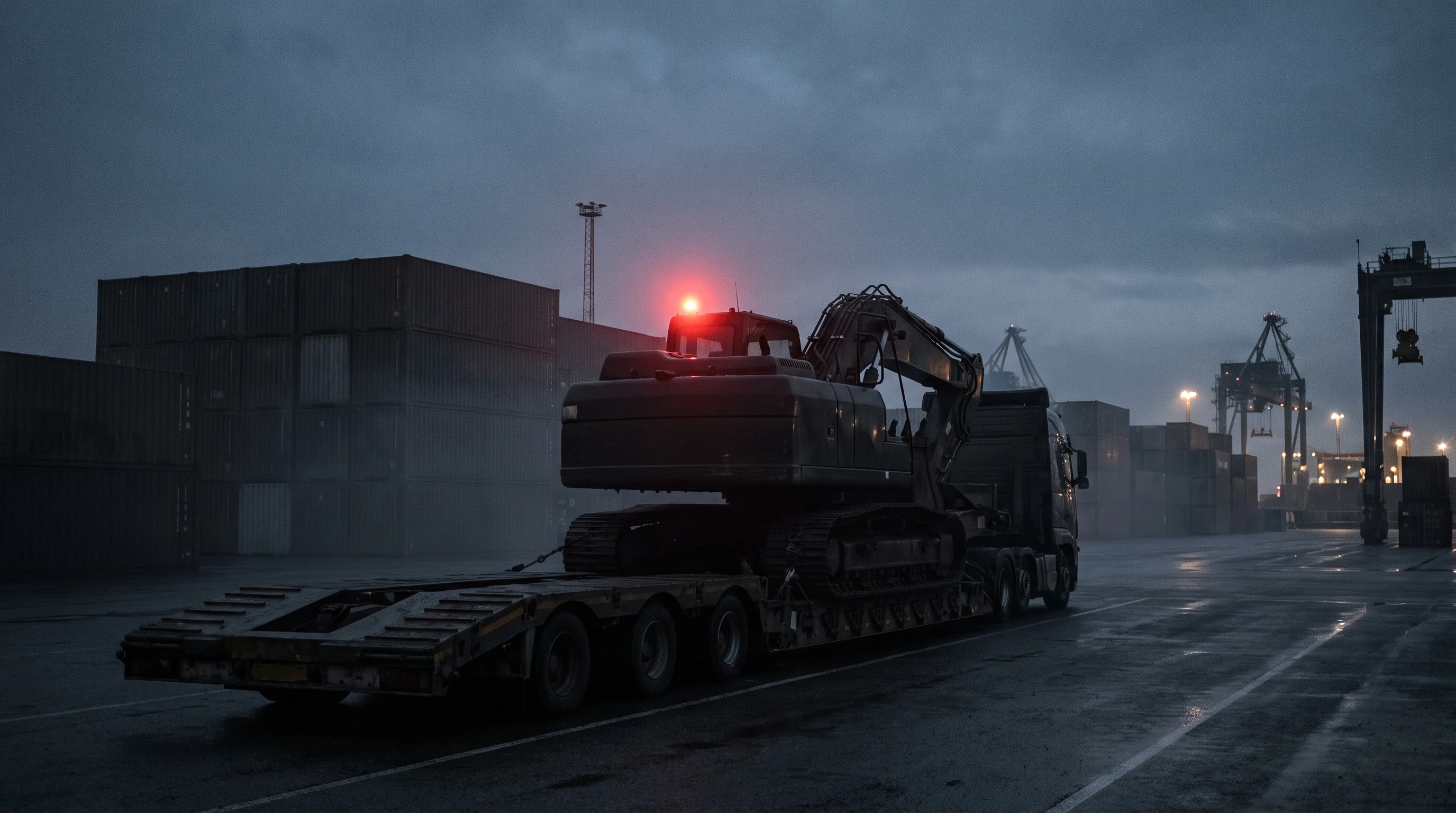
An incomplete import clearance of machinery entering through the Netherlands can lock the equipment in the port or on the terminal for many days. Storage charges and demurrage for holding the container then climb, and installation at the buyer never starts. The meter runs from the day the cargo is available, regardless of whether the documents are ready.
What actually locks a machine in the port
Machinery is cargo that customs officers examine closely: the tariff classification can be contentious, and there are technical documents, declarations of conformity, sometimes a permit requirement on top. An import clearance stalls when the invoice with a correct description and value is missing, when the tariff code does not fit the goods, when the importer's data set (EORI, VAT) is incomplete, or when the documents do not agree with one another. Until the declaration is resolved, the terminal will not release the cargo, and the machine sits where it was unloaded.
Storage, demurrage and a broken installation
A port is not a free warehouse. Occupying space on the terminal accrues storage, and holding a container beyond the free time accrues demurrage. Both charges climb by the day and can exceed the cost of the clearance itself. On top comes the most expensive part: the broken installation. If the machine was meant to reach a production line or a construction site in an agreed window, every day in port is a shifted schedule at the buyer, an installation crew waiting idle and contractual penalties for delay. The bill for storage, demurrage and downtime, as a rule, falls on the importer or the party ordering transport.
Machinery clearance through the Netherlands: where the traps lie
The Netherlands is a natural gateway for machinery arriving by sea, but that is exactly why the clearance must be prepared in advance. What the process looks like and what to arrange before the ship arrives, we lay out in our article on machinery customs clearance in the Netherlands on import. The key is that the classification, customs value and full document set are ready before the cargo becomes available on the terminal, because from that moment the storage meter is already running. We describe the wider topic of customs settlement on our customs clearance page.
How does OTSL prevent a standstill in port?
We close the machine's import declaration before the ship berths, so the day the cargo becomes available does not catch us with incomplete paperwork. We verify the tariff classification, the customs value and the full document set, and we establish the importer's data and the VAT basis, so the declaration clears at once and the goods leave the terminal within the free time. We take the border formalities on ourselves, through our own customs agency, and tie them to onward transport to the installation site, so the machine does not wait for a carrier after clearance. When you are importing a machine through a Dutch port, get in touch before the ship sails, because then we have time to prepare the documents without a rush.
Step by step
- Document verification. Review invoices, technical specs, and declarations before the vessel docks at the port.
- Tariff classification. Determine the correct TARIC code for the machine to prevent classification disputes with customs.
- Customs filing. Submit the import declaration to Dutch customs prior to the expiration of terminal free time.
- Duty settlement. Pay the required customs duties and taxes or utilize appropriate deferred payment schemes.
- Terminal pickup. Dispatch land transport to collect the container before demurrage penalties begin to accumulate.
Definitions
- Demurrage: A charge applied for holding a container inside the port terminal beyond the allowed free period.
- Storage charges: Fees levied for storing uncleared cargo on the terminal premises or quay.
- EORI (Economic Operators Registration and Identification): A unique identification number used by businesses when communicating with EU customs authorities.
- TARIC (Integrated Tariff of the European Communities): An EU database outlining tariff codes, duty rates, and trade regulation measures.
- Import clearance: The customs process necessary to release goods originating from non-EU countries into free circulation.
When does this rule not apply?
This rule does not apply to internal intra-EU shipments moved strictly by road where no sea port discharge or third-country customs clearance is required.
The OTSL role
OTSL assists companies in coordinating port operations and international freight. For heavy or non-standard machinery movements, see our specialized out-of-gauge loads service. You can also consult our comprehensive guide on port fees: Container demurrage and detention: where the charges come from and how to cut them to zero.