 AI image
Buying from several suppliers in Poland does not have to mean several separate shipments. A forwarder collects the goods from each supplier, brings them to a consolidation warehouse, checks them and combines them into one transport to the importer's warehouse. The result: one delivery, one set of documents and one operational contact instead of chasing five dispatches at once.
Why importers buy in Poland
Poland is now one of the main manufacturing bases in Europe: furniture, metal, plastics, building components, food. The trouble starts not with the purchase but with the dispatch: five suppliers across three regions, each with a different ramp, a different ready date and a different idea of paperwork. Managing that remotely from Rotterdam or Lyon causes more headaches than the freight itself.
Groupage from many suppliers into one transport
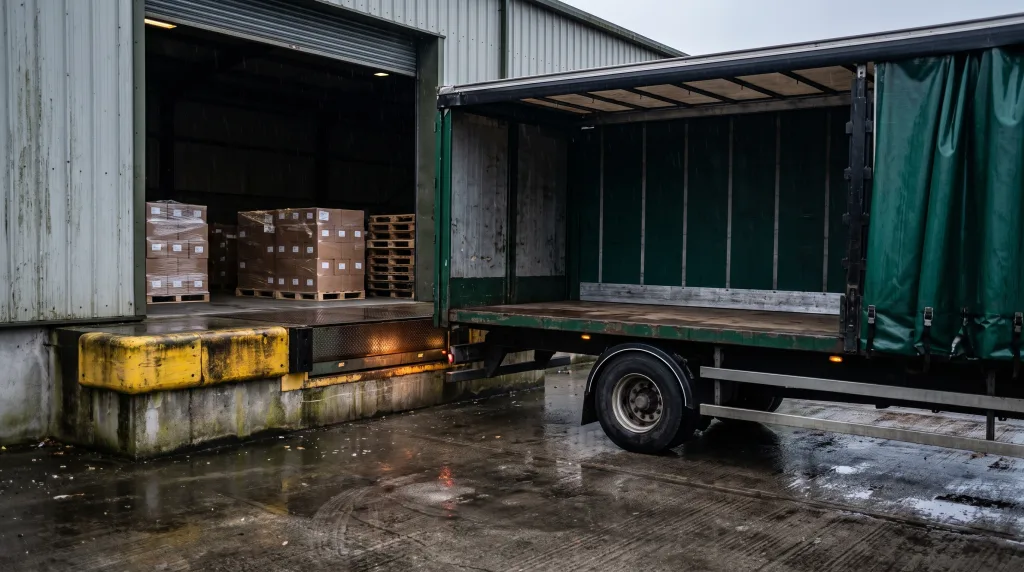
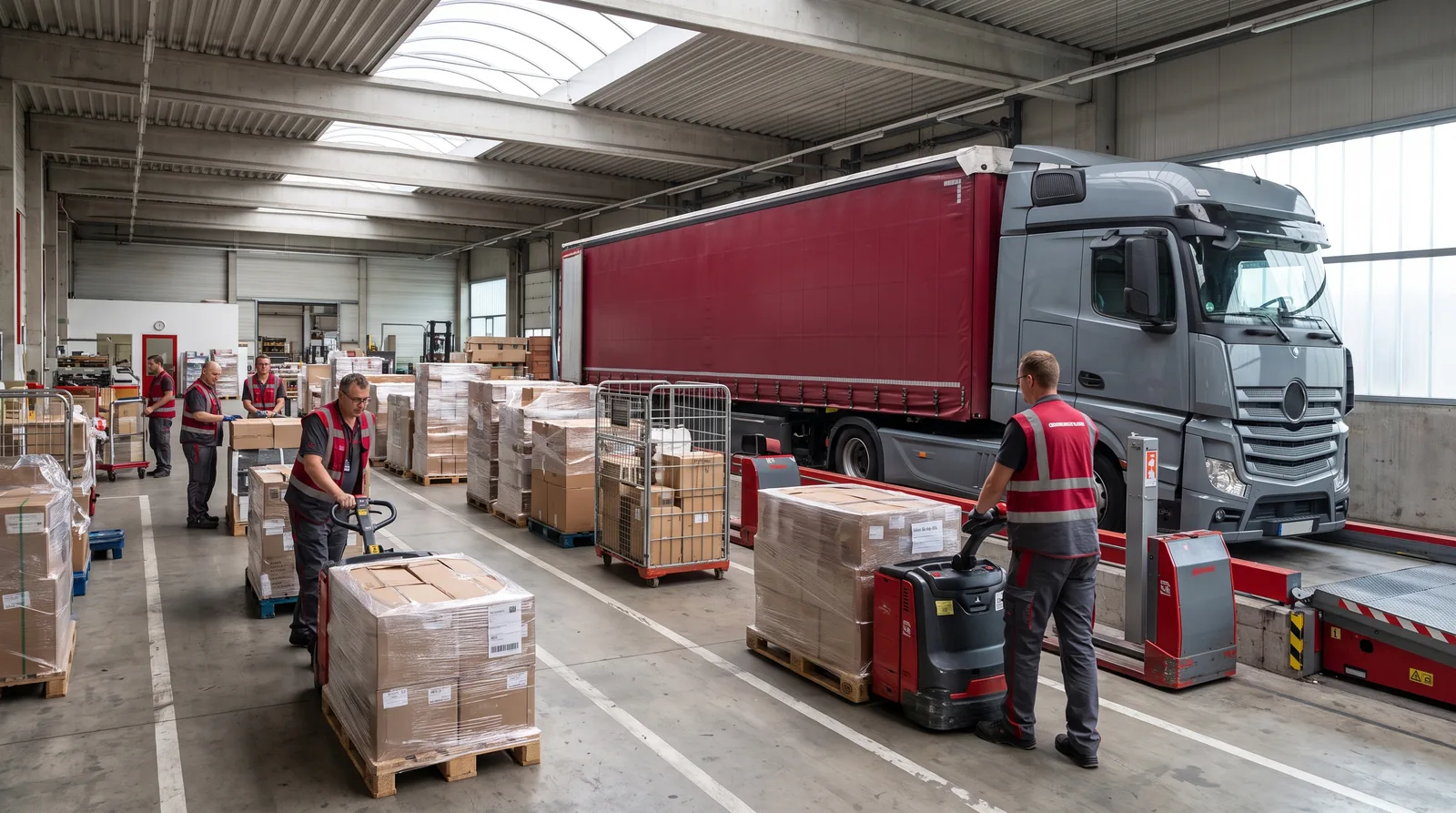
Our model is simple: we collect the batches from each supplier under our groupage service, bring them to our consolidation bases (Kielce and Legnica) and build them into a single load. Kielce runs a transhipment warehouse with 24/7 access: cross-docking, consolidation and short-term storage for when suppliers are ready on different dates. Legnica in western Poland adds repacking and palletising, so goods from a supplier who ships in loose cartons cross Europe on proper pallets. The finished load then travels as one road transport to the receiver's warehouse.
A check before dispatch instead of a surprise after unloading
An importer who never sees the goods before dispatch learns about a problem at their own ramp, a week after paying the invoice. During consolidation the cargo physically passes through our hands: we verify the package count and the externally visible condition, and we document damage or discrepancies with photos before loading. The scope can be extended under our cargo inspection service, before the goods ever leave Poland.
Documents and communication in English
All communication can run in English or German: one operational contact gathers statuses from the Polish suppliers, keeps an eye on ready dates and sends the importer a finished update instead of five parallel e-mail threads. Within the EU the goods travel without customs clearance; for destinations such as the United Kingdom or Switzerland, clearance is handled by our own customs agencies.
Where do you start?
A list of suppliers, rough batch sizes and the destination warehouse are enough. The rest, from the collection sequence to the delivery booking, is arranged on our side. An overview of services and warehouses in Poland is on the transport and logistics in Poland page.
See also
- Road transport to and from Poland: destination page
- Transport from Poland to Western Europe: what the forwarder does at origin
- Consolidating freight from Germany and Czechia in Legnica
Step by step
- Order submission. You provide pickup details and readiness dates for each supplier.
- Local collection. Vehicles gather individual batches directly from supplier loading docks.
- Warehouse check. Consignments arrive at the consolidation point to be inspected and logged.
- Cargo merging. All shipments are loaded onto the primary linehaul vehicle and secured.
- Final delivery. The entire order reaches the destination address under a unified set of clearance papers.
Definitions
- Consolidation warehouse: A logistics facility where smaller shipments from various suppliers are assembled before joint dispatch.
- Groupage (LTL – Less than Truckload): The transport of smaller partial loads from multiple senders combined on a single vehicle.
- Freight forwarder: An entity responsible for arranging transport operations and managing shipment documentation.
- Customs clearance: Statutory procedures required when moving goods across border and customs boundaries.
When does this rule not apply?
This consolidation process does not apply if a single supplier's order is large enough to fill a full vehicle or when goods require immediate direct dispatch without intermediate storage.
The OTSL role
We streamline multi-supplier collections from Poland using structured groupage (LTL) solutions. To learn how fast-track transport options compare for unexpected orders, read about express vans and time-critical transport.