 AI image
A forwarder at origin collects the goods from the shipper anywhere in Poland, consolidates smaller batches at warehouses in Kielce and Legnica, completes the transport documents and books the delivery in with the receiver in Germany, France or the Netherlands. The shipper provides the address, date and dimensions; one operational contact at OTSL runs the rest.
Collection across Poland, not just next to the motorway
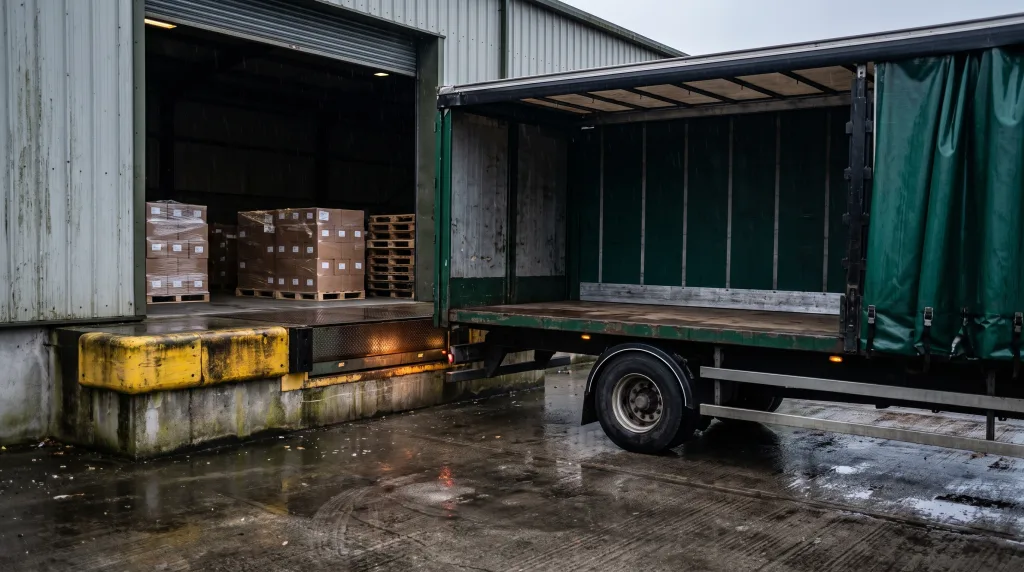
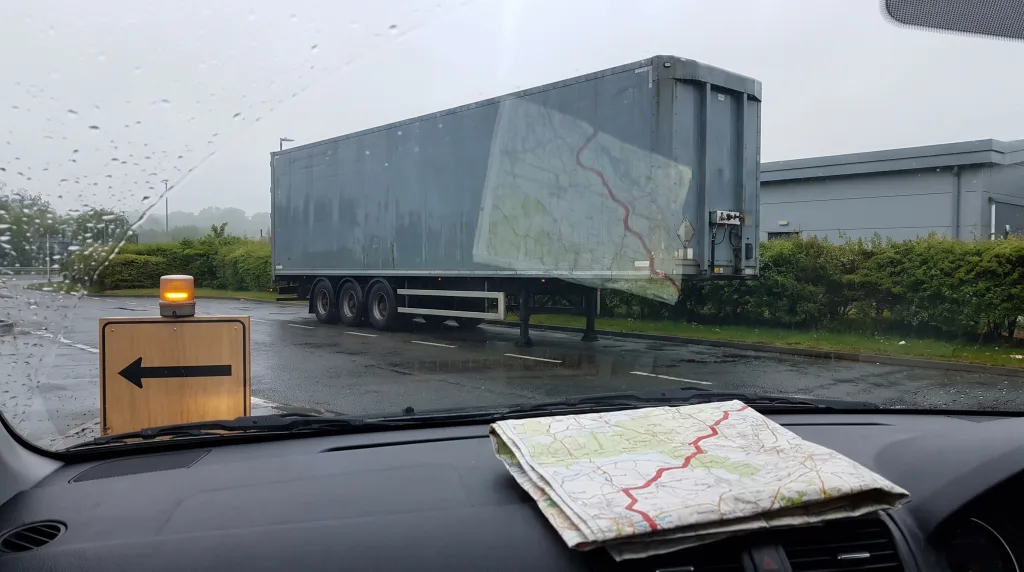
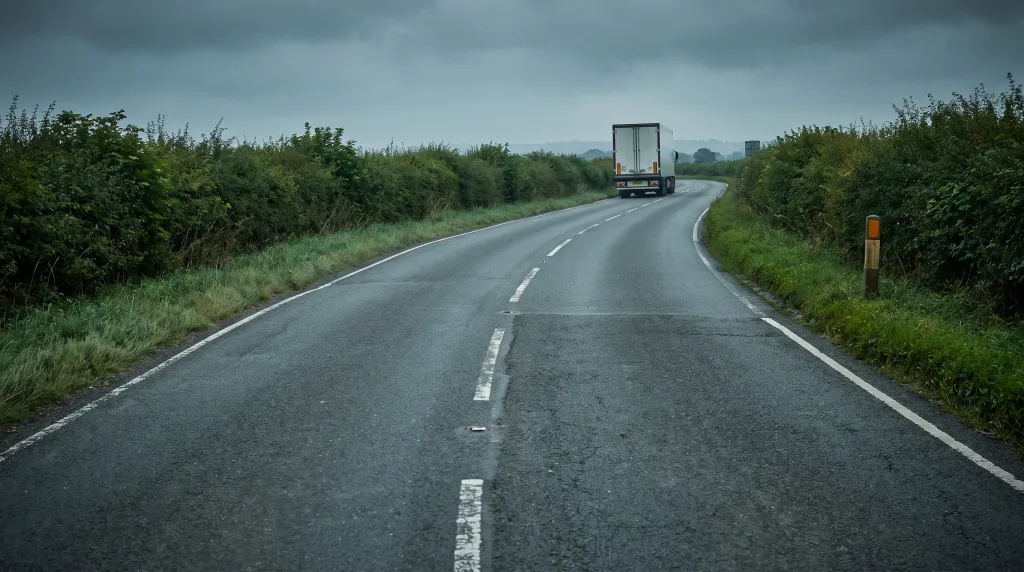
Polish manufacturers do not all sit in logistics parks outside the big cities. A plant can stand at the end of a county road, with a ramp a standard artic cannot reach. So fleet selection starts with a question about the loading site: full loads travel as part of our road transport service, smaller batches are collected with vehicles matched to the shipper's yard, and only then does the cargo join the international line.
Consolidation: two bases, Kielce and Legnica
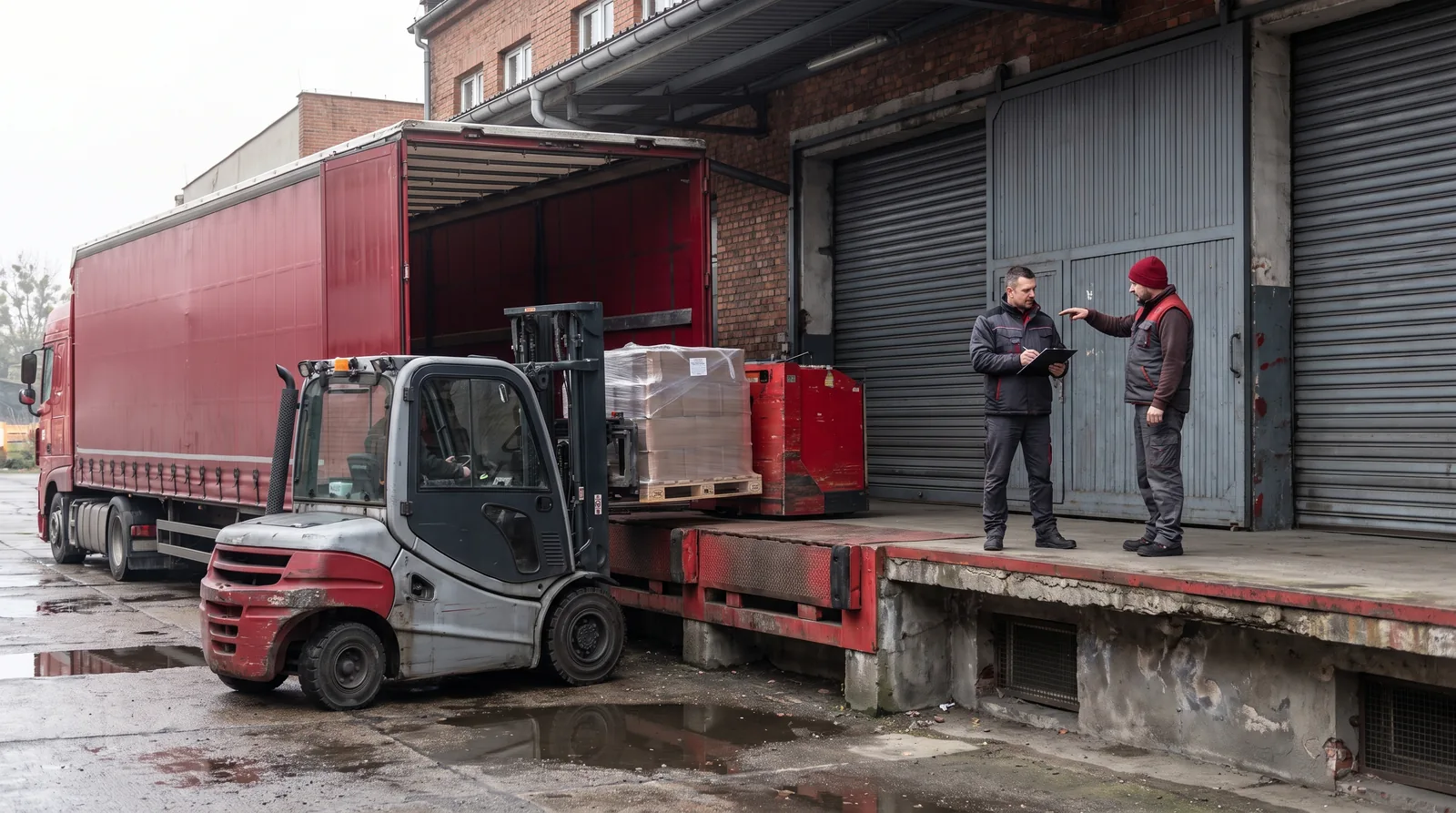
Batches smaller than a full truck do not have to travel west on their own. In Kielce we run cross-docking, consolidation and short-term storage in a transhipment warehouse with 24/7 access, while the Legnica base in western Poland handles repacking, palletising and preparing cargo for the onward leg. Goods from several shippers are combined into one vehicle under our groupage service, which shortens the chain of handlings and lowers the cost per pallet.
Documents: simpler inside the EU, but not zero
There is no customs clearance within the EU, yet documents still decide how smoothly the delivery runs: a CMR consignment note that matches reality, a load specification, the shipper's commercial documents and extra declarations for sensitive goods. We check the full set before the truck leaves, because a missing page always surfaces at the receiver's ramp, never earlier. For destinations outside the EU, such as the United Kingdom or Switzerland, clearance is added and handled in our own customs agencies.
Communication with the receiver in Germany, France or the Netherlands
Large Western European warehouses work on time windows. We book the delivery in according to the receiver's procedure and communicate in their language, so the Polish shipper does not have to translate anything over the phone. Load status, a changed window, gate documents: all of that runs between us and the receiver, and the shipper gets the finished answer.
Who does this work for?
The model serves both the Polish exporter who wants the organisation taken off their hands and the foreign buyer who purchases in Poland and needs a partner on the ground. The full picture of the corridor, with warehouses and services on the Polish side, is on the transport and logistics in Poland page.
See also
- Road transport to and from Poland: destination page
- Poland as a sourcing base: one transport instead of five shipments
- Consolidating freight from Germany and Czechia in Legnica
Step by step
- Cargo notification. You provide details regarding cargo dimensions, weight, collection point and European destination.
- Fleet selection. The forwarder matches the vehicle to the access conditions at your loading yard or ramp.
- Collection and consolidation. Goods travel from your site directly onto a linehaul vehicle or via warehouses in Kielce or Legnica.
- Documentation setup. The team issues the CMR consignment note and verifies the transport paperwork.
- Booking and delivery. The receiver in the destination country receives advance notification of the planned unloading time.
Definitions
- LTL (Less Than Truckload): The transport of partial loads that do not occupy the entire cargo space of a vehicle.
- FTL (Full Truckload): Full truckload transport where the entire vehicle space is used by a single shipper.
- CMR (Convention relative au contrat de transport international de marchandises par route): An international consignment note confirming the contract for the carriage of goods by road.
- Consolidation: Combining smaller batches of cargo from different shippers into a single shipment before long-haul transport.
When does this rule not apply?
This standard collection sequence does not apply if the shipment requires direct transit without intermediate consolidation stages.
The OTSL role
OTSL coordinates origin logistics across Poland, matching vehicles to local site constraints through our standard road transport services. For guidance on selecting options for your cargo, consult our article on poor exhibition logistics costs more than the transport.