 AI image
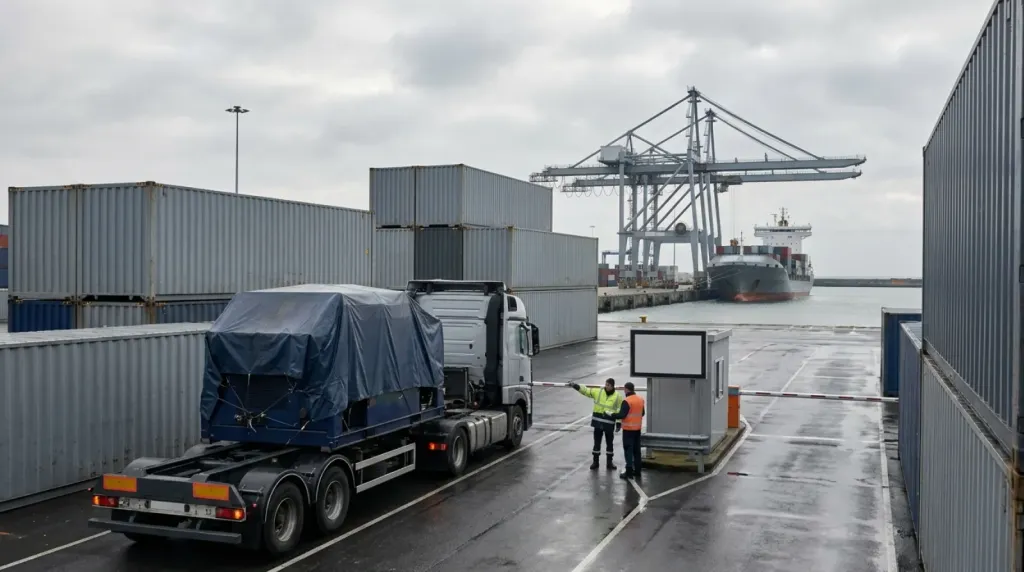
A sanitary check on a load imported into the United Kingdom runs in three steps: a documentary check (above all the health certificate), an identity check of the consignment and, for some loads, a physical check at a border control post (BCP). Clearance requires an advance notification of the load in the UK system; no notification or gaps in the documents mean the goods are held at the border.
Who does it apply to?
SPS controls mainly cover products of animal origin (such as meat, dairy, fish, composite products), food, and plants and plant products. The scope of the requirements, and whether a given load is routed for a physical check, depends on the type of goods and their origin. What exactly is controlled, and how, is set by the UK authorities on gov.uk. If you are unsure how your goods are classified, we settle it before loading. The system-level rules, the split into risk categories and the phased rollout of the requirements are covered in our article on the BTOM model and SPS risk categories.
What documents you usually need
The core document is a health certificate issued by the competent authority in the country of dispatch. Alongside it come the commercial and transport documents and the data needed for the notification. The certificate must be complete and consistent with the actual consignment. An error in the data, a mismatch of weight or goods description, or a missing signature or stamp is treated as a missing document. The right certificate is not guessed, it is confirmed against the UK requirements.
Pre-notification, the advance notice
Before the load arrives, a notification is filed in the UK system. It triggers the control path and decides whether the consignment is routed to a border control point. It is filed in advance, because a late or incomplete notification blocks clearance. The timing and method are set by gov.uk, and we make sure the notification is ready and consistent with the documents before the truck departs.
Typical gaps that hold a load
In practice a load is held for recurring reasons: a missing or incomplete health certificate, data on the certificate that does not match the actual consignment, no advance notification or one filed too late, wrong classification of the goods, and failing to present at the assigned border control point when one is required. The result can be a hold, a check, and in extreme cases return or destruction of the goods. With perishables, every hour of standstill is a real risk to the load.
The OTSL role
We treat SPS controls as part of transport, not a separate problem at the end of the route. We check which certificates and notifications a given load needs, keep the pre-notification and the documents consistent, and say plainly who supplies what. Where a rule or threshold is uncertain to us, we do not guess: we point to the gov.uk source and settle it before loading. We treat the client goods as our own.
See customs clearance, border procedures, glossary and contact.
Step by step
- Advance notification. The importer or forwarder registers the consignment in the UK system prior to its arrival at the border.
- Documentary check. Border authorities review the health certificate and ensure all submitted paperwork is complete and accurate.
- Routing to the BCP. If the consignment is selected for inspection, the vehicle is directed to a designated border control post.
- Identity and physical check. Inspectors verify seals, package markings, and take samples for testing if required.
- Cargo release. Upon successful completion of the SPS checks, the shipment is cleared for onward transport within the UK.
Definitions
- SPS (Sanitary and Phytosanitary): A set of sanitary and phytosanitary requirements designed to protect human, animal, and plant health during goods importation.
- BCP (Border Control Post): An authorized inspection facility at the border where official authorities conduct physical and identity checks on consignments.
- Health Certificate: An official document issued by competent authorities confirming that the cargo meets all required sanitary or veterinary standards.
- Identity Check: A visual verification step to ensure that the contents and labeling of the consignment match the submitted documentation.
Sources
The current requirements, notification timing and scope of checks are published by the UK authorities: gov.uk, import goods into the UK.