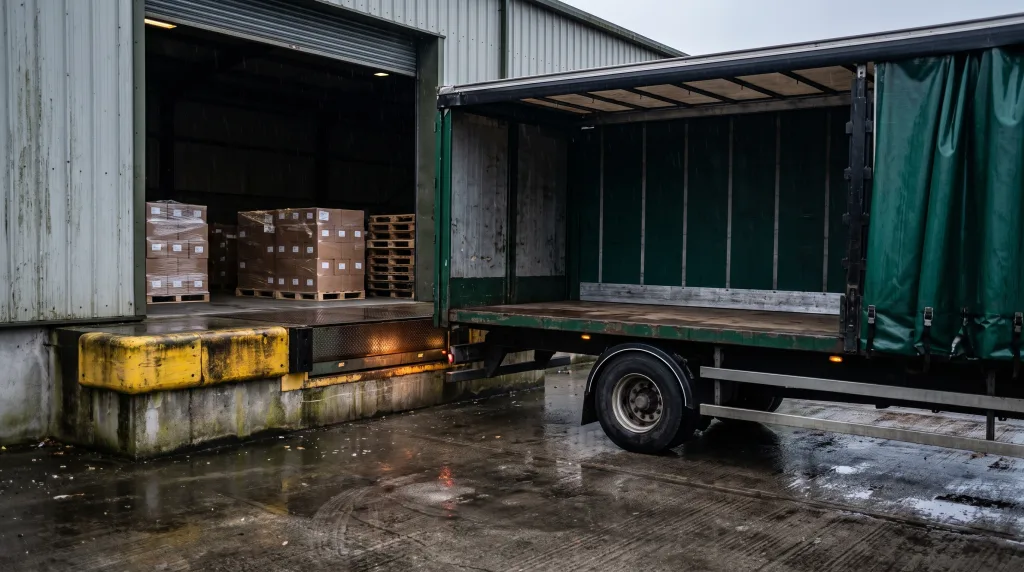
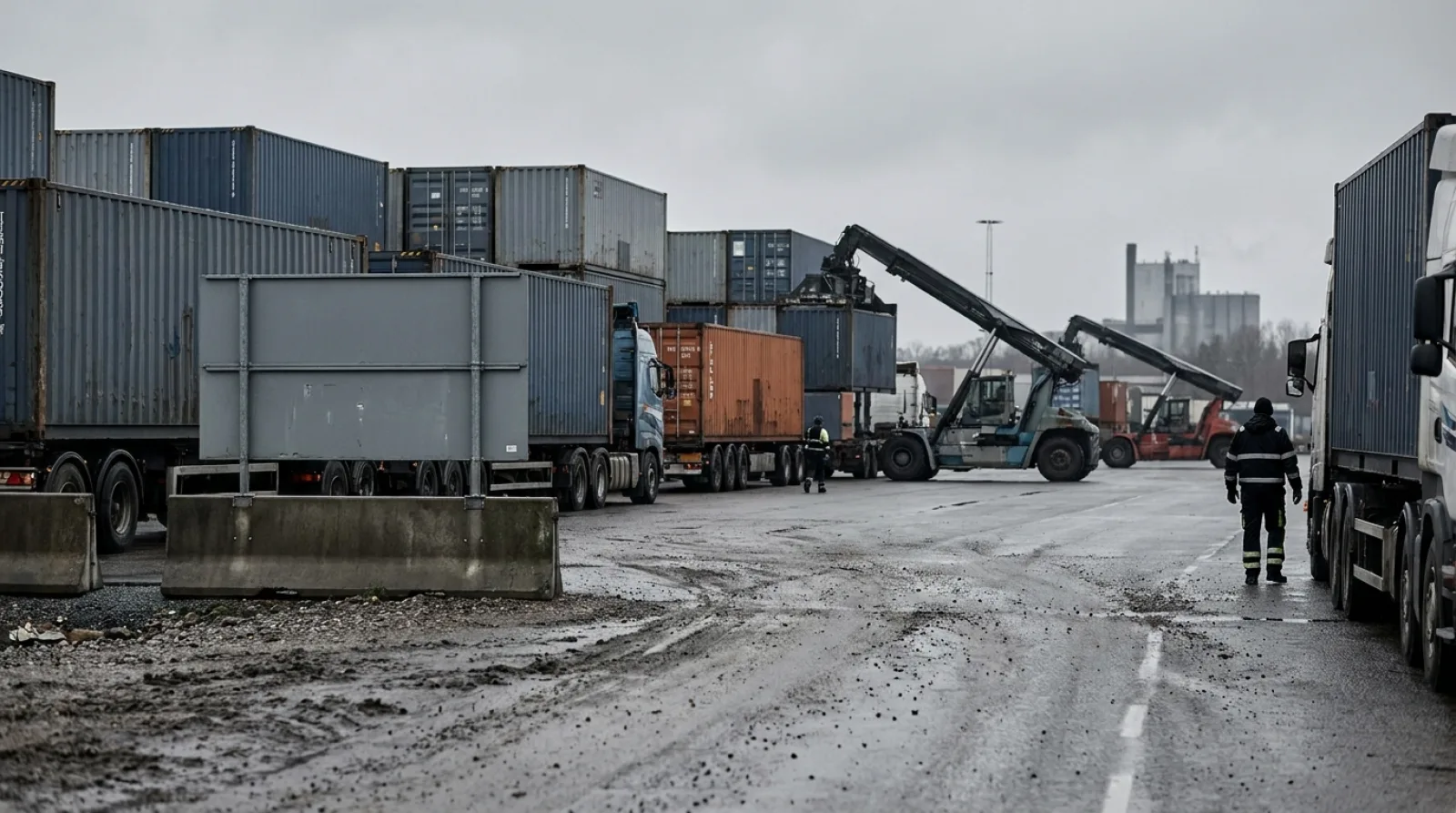
 AI image
Collection deadlines for purchased equipment are set by each auction's rules. Exceeding the specified time frame results in daily storage charges set by the auction house. For large machinery, these fees can quickly surpass the cost of transport itself. Avoiding delays requires advance notification, confirming loading arrangements, and providing accurate vehicle details.
Why do auction yard storage fees increase so quickly?
Every auction house establishes its own rules regarding the timeframe within which you must collect purchased items. An auction site functions as an operational yard rather than a long-term fulfilment warehouse. Consequently, once the allowed free period expires, daily storage rates are applied. The precise charges are determined by the auction house within its terms and conditions of sale. For heavy plant or agricultural machinery, these charges are high, meaning a delay of just a few days can generate costs greater than the freight charge itself.
The primary cause of storage fees is a lack of logistical preparation prior to the end of the bidding process. When transport is arranged only after winning an auction, the time needed to dispatch the correct vehicle, prepare export documentation, and clear customs can easily exceed the free collection window. For this reason, it is essential to plan the transport timeline backwards from the final collection deadline, taking all border procedures and ferry crossings into account.
Why does a lack of notification block site collection?
Auction yards operate under strict internal traffic and safety guidelines. A carrier cannot simply arrive at the gate and request the release of goods. Collection always requires prior pre-booking or notification, commonly known as site booking. During this process, you must supply the exact date and time window, driver details, vehicle registration number, and relevant references such as the lot or invoice number.
Failing to provide complete notification details or arriving outside the designated time slot will cause the site staff to reject the vehicle. In such cases, the driver will be refused entry, causing delays, wasted journey costs, and potentially an extra day of storage charges. Every site maintains specific collection hours that carriers must strictly follow.
How to plan an auction site collection step by step
- Review the auction terms. Identify the final collection deadline set by the auction house and check the daily delay rates specified in the buyer's terms.
- Verify equipment condition. Confirm directly with the yard whether the machine starts and moves independently or if it requires specialized loading equipment.
- Check loading responsibilities. Establish whether the yard provides ramps or forklifts, or if loading rests entirely on the transport provider.
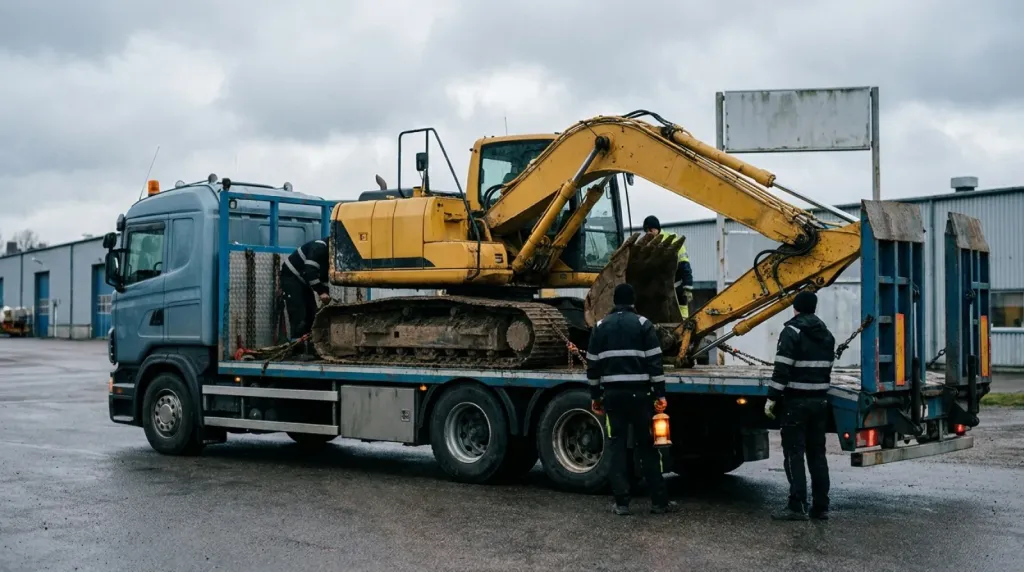
- Select the appropriate vehicle. Provide complete details to the carrier so they can supply a suitable vehicle, such as a low loader, tail lift vehicle, or trailer with ramps or a winch.
- Submit site pre-booking. Register the arrival date, time, vehicle registration, driver details, and invoice or lot number with the auction site.
- Organise customs and transit. Arrange export customs declarations and ferry bookings before the vehicle arrives at the collection site.
Definitions
- Pre-booking: Advance registration of a carrier's arrival at an auction site, including date, time, vehicle details, and reference numbers.
- Storage fee: A daily charge imposed by an auction house for holding purchased equipment beyond the agreed removal deadline.
- Dry run: An instance where a transport vehicle arrives at a collection site but cannot load due to missing pre-booking, wrong equipment, or undisclosed machinery faults.
- Low loader: A specialised trailer with a low deck height designed for transporting oversized or heavy machinery.
Checklist for auction transport preparation
- Obtained invoice and lot numbers for the purchased equipment.
- Checked the final collection deadline in the auction terms.
- Verified if the machine starts and drives under its own power.
- Confirmed who handles loading operations at the auction yard.
- Submitted complete pre-booking details to the site management.
- Arranged export customs documentation and ferry bookings.
When do these collection rules not apply?
The procedures and storage fee risks described above do not apply when the auction terms specify special storage arrangements or if the buyer has negotiated an extended grace period directly with the auction house. Applicable requirements depend on the conditions published in the catalogue or seller conditions. Furthermore, the requirement for the carrier to handle loading does not apply if the auction organiser includes full loading services within the buyer premium and possesses the necessary machinery on site.
The OTSL role
OTSL Sp. z o.o., based in Kielce, organises the transport of machinery and equipment from auction sites across Poland, the UK, Switzerland, Norway, and the rest of Europe. Operating from its base in Kielce and a warehouse facility in Milton Keynes, England, OTSL plans transport schedules backwards from the auction deadline. Before storage fees start accumulating, the company submits site pre-bookings, selects the correct trailer based on machinery condition, and handles border formalities. To learn more about machinery movements, visit the machinery transport service page. For information on documentation, consult the article on UK customs and EU import terminology.